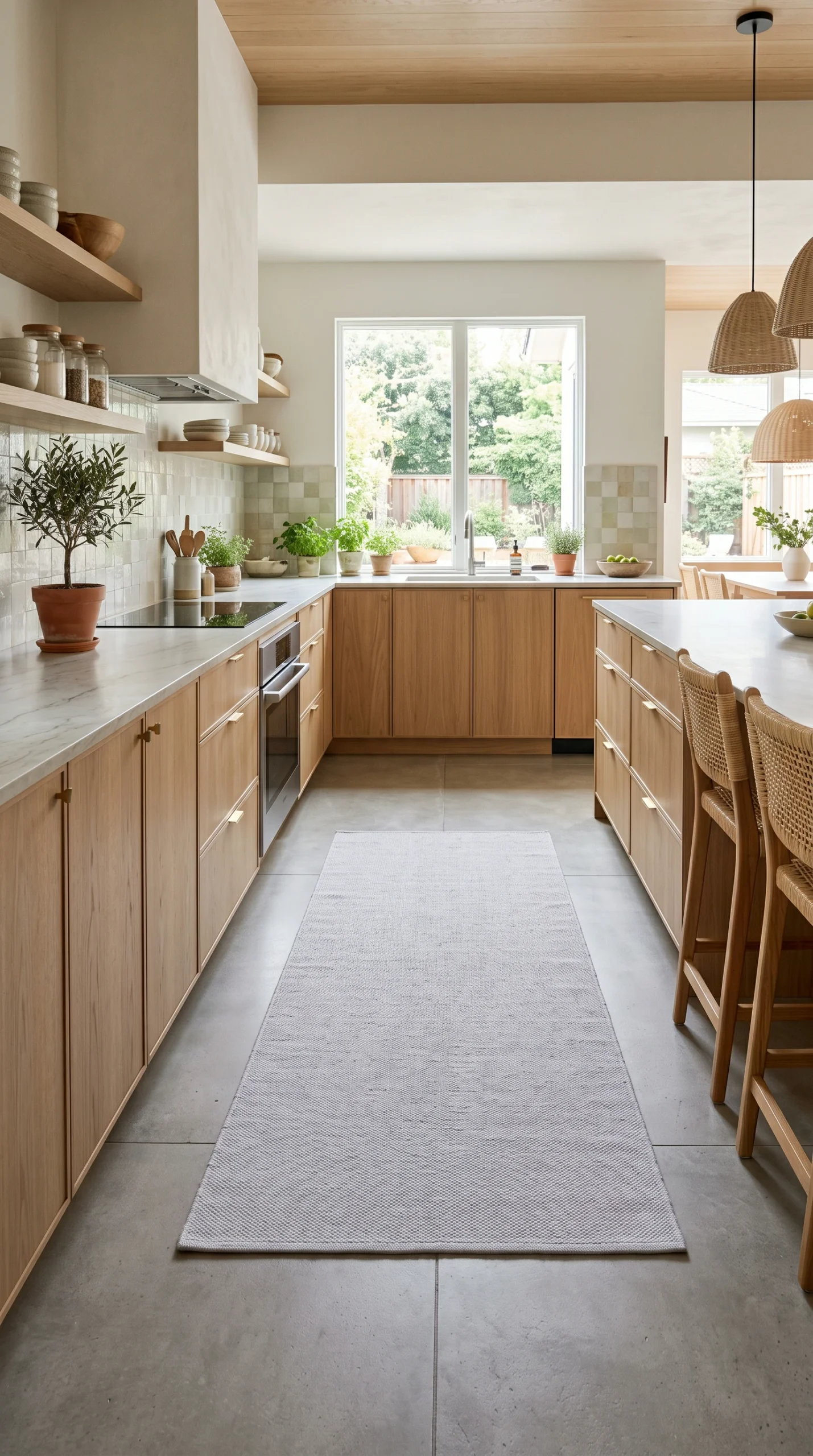
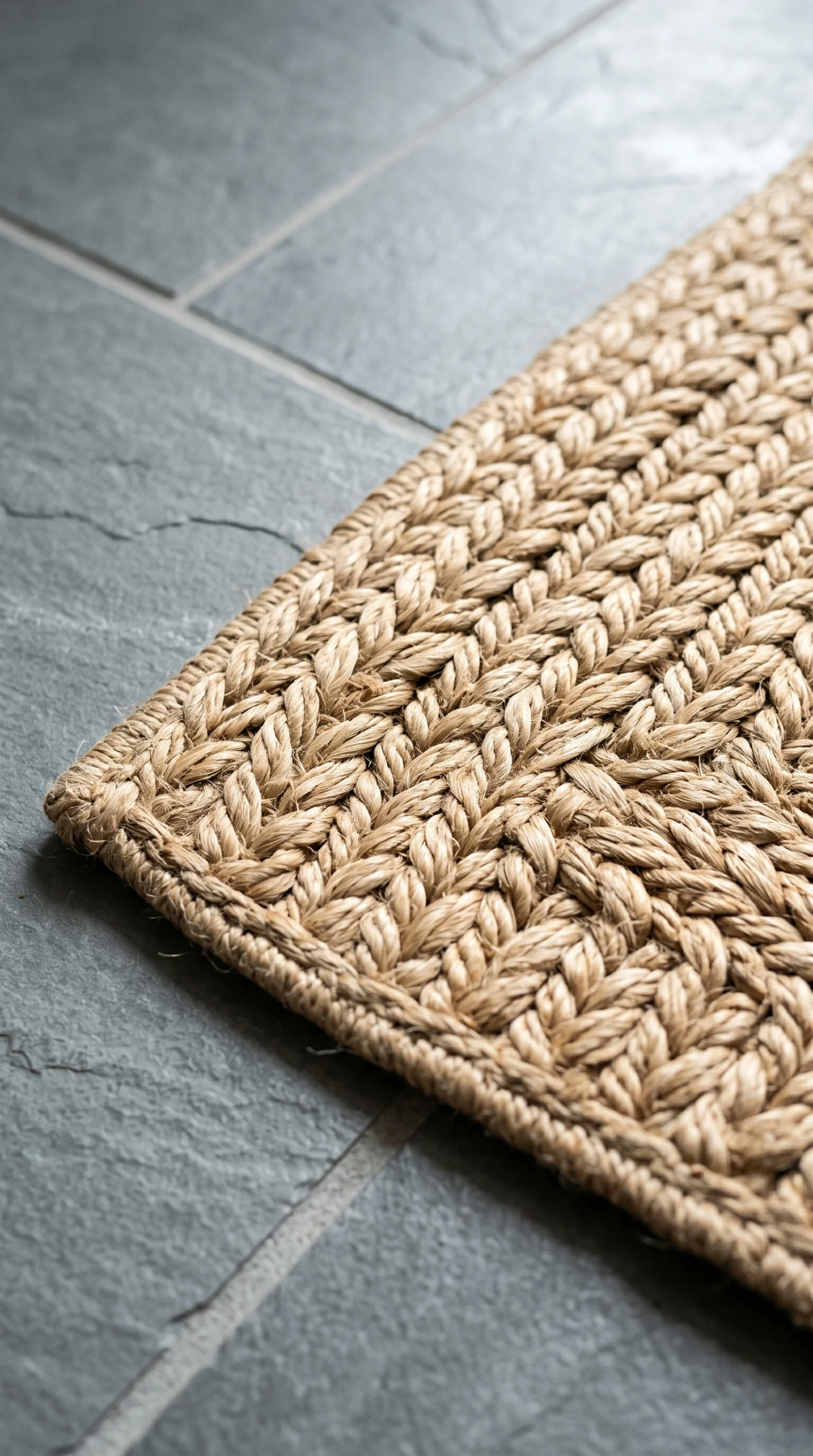
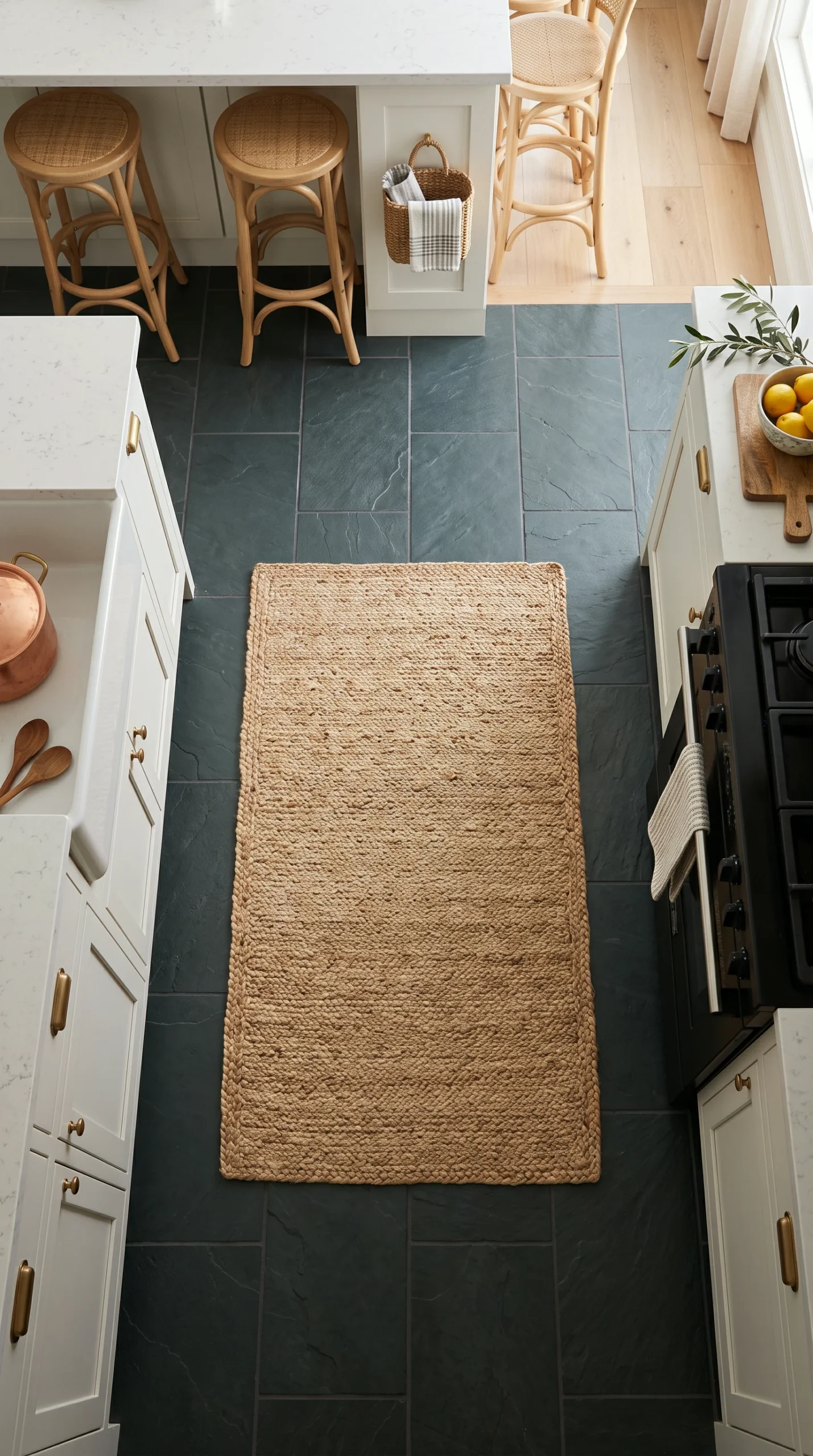
Because neutral kitchen rugs lack bold, high-contrast colors, they rely entirely on texture for visual interest. Choose rugs with a chunky weave, subtle high-low patterns, or braided fibers to add depth to the floor.
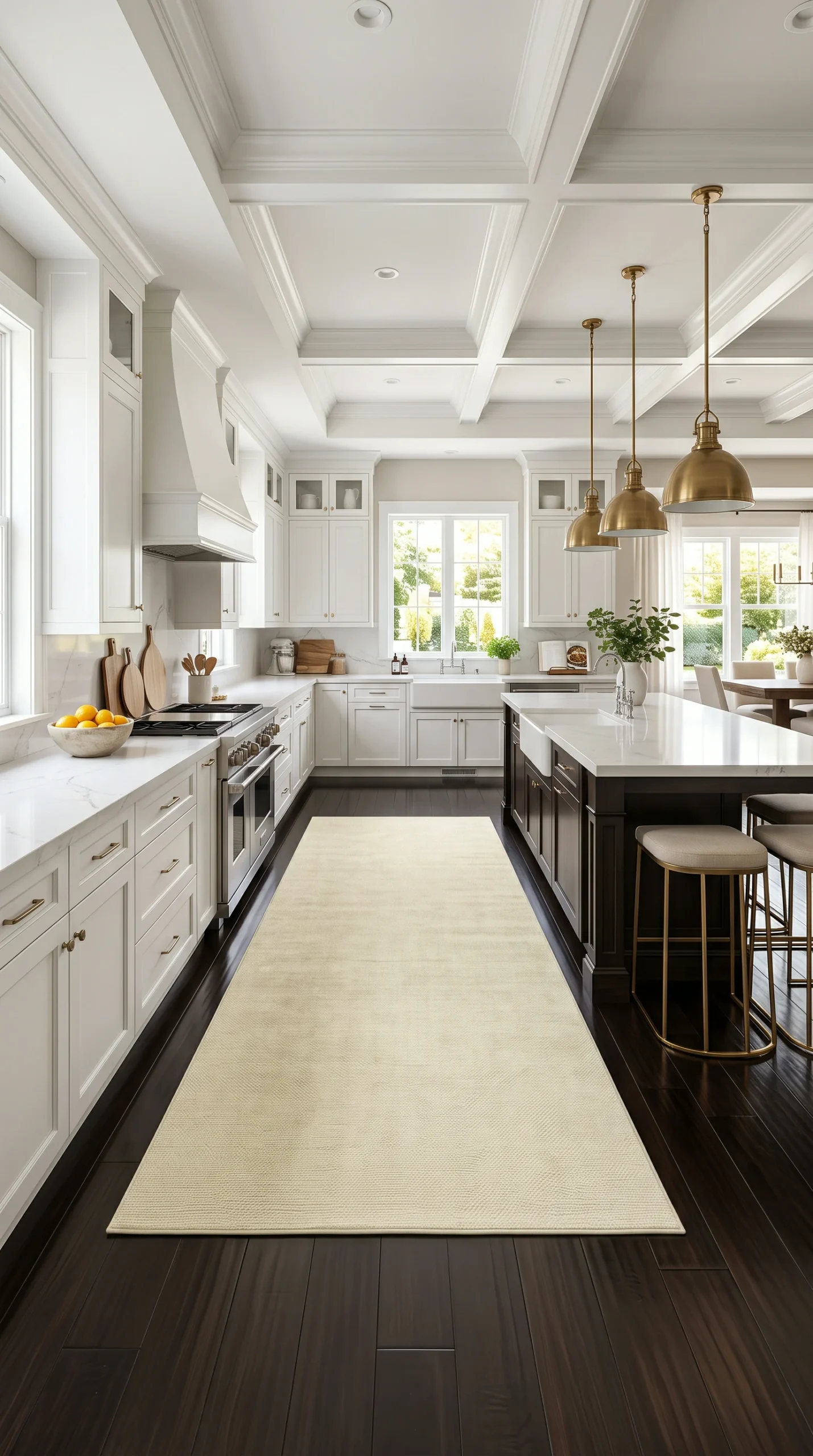
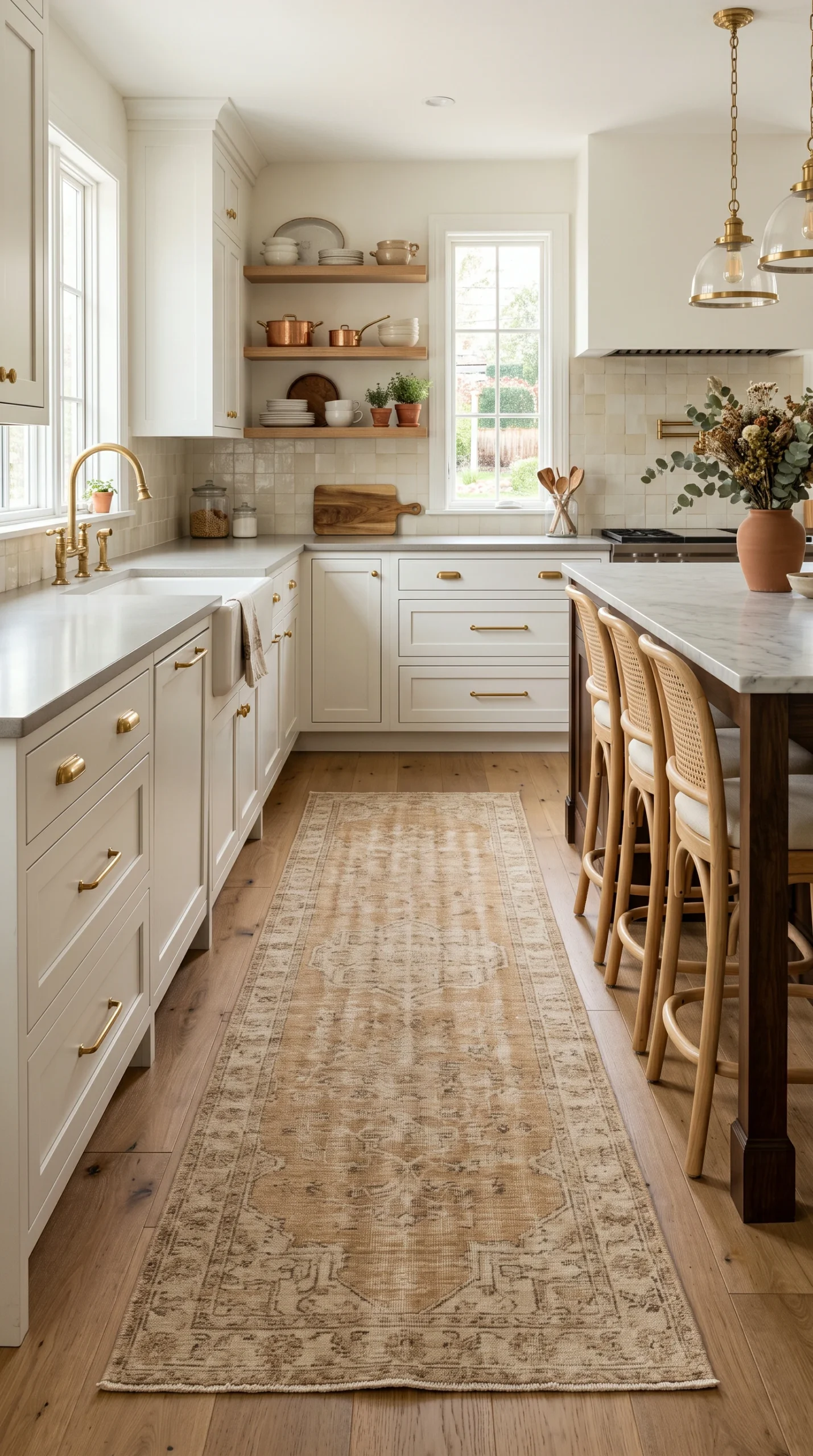
When selecting a beige kitchen rug, pay close attention to the undertones of your cabinets and floors. Pair warm, yellow-based creams with warm woods, and use cool, grey-based beiges with stark white or cool-toned cabinets.
In a pristine white kitchen, a natural sand or light camel rug is the perfect way to break up the clinical, sterile feel, introducing an organic element that instantly warms up the room.
Light-colored rugs in a kitchen are prone to showing stains. To maintain the beautiful, clean aesthetic of a cream kitchen rug, strongly consider purchasing a machine-washable version.
Designing with neutrals is absolutely not about playing it safe; it is an exercise in extreme architectural discipline. It is about creating a deeply calming, cohesive, and fiercely sophisticated environment. Highly curated neutral kitchen rug ideas are a favorite among high-end interior designers because they offer all the crucial practical benefits of a floor covering—intense sound absorption, essential slip resistance, and ergonomic comfort—without ever competing for attention against beautiful, expensive marble backsplashes or custom cabinetry. When executed perfectly, a neutral rug acts as the ultimate foundational layer, silently elevating the entire room into a bespoke culinary sanctuary.
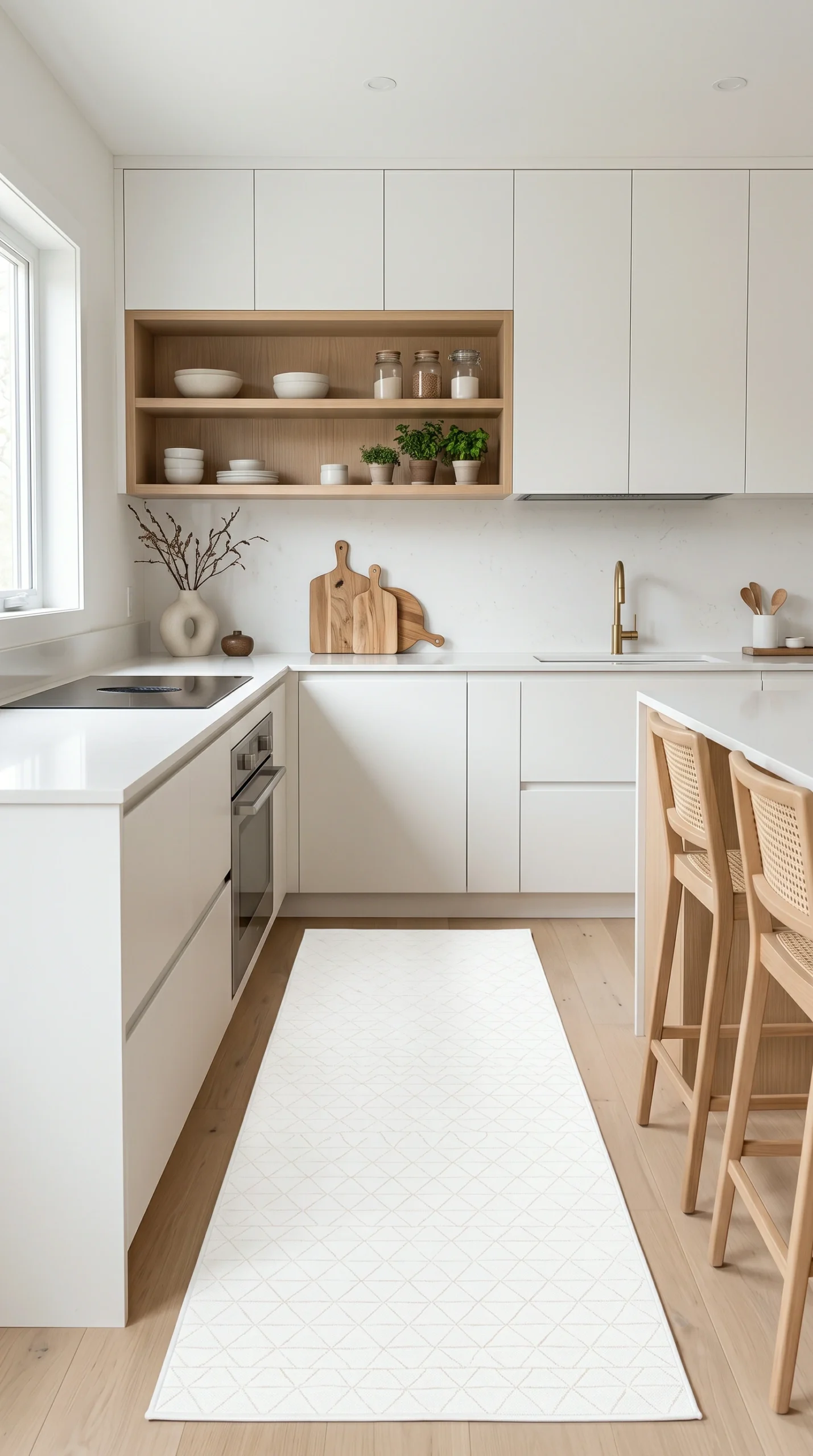
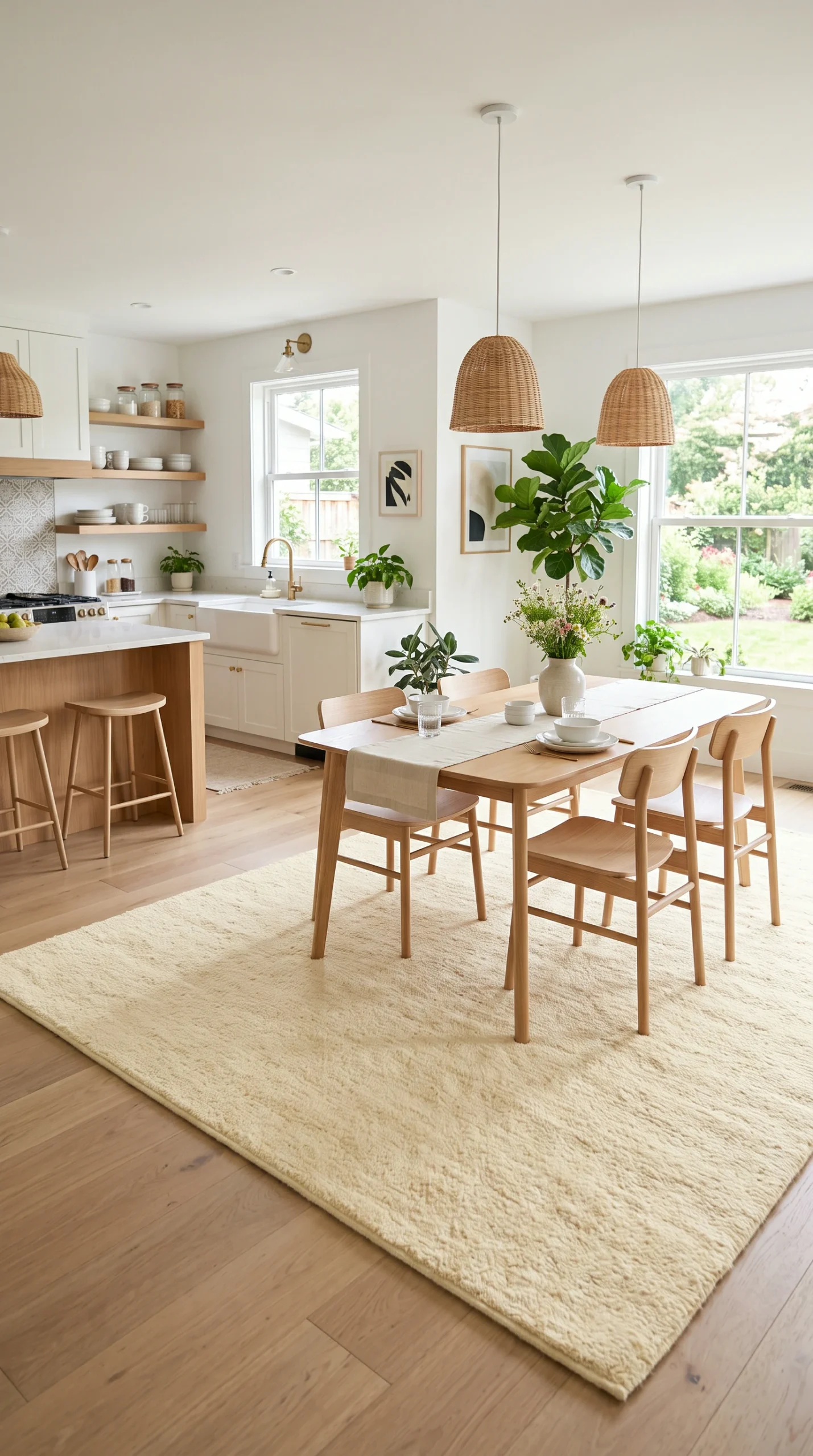
The all-white kitchen is a timeless, incredibly popular design choice, but without ruthless styling, it can easily devolve into a terrifyingly sterile, clinical environment that feels like a hospital. A heavily textured white kitchen rug or a deeply warm cream kitchen rug is the ultimate architectural solution. By introducing a massive, soft textile in a strictly controlled, similar color palette, you maintain the highly sought-after bright, airy aesthetic of the room while instantly softening the harsh, unforgiving 90-degree edges of glossy cabinets and rigid subway tile. The rug provides crucial visual relief, making the pristine space feel incredibly expensive and profoundly inviting rather than cold and empty.
If your kitchen features massive natural wood cabinets, floating timber shelves, or dark hardwood floors, neutral kitchen rugs are absolutely essential for balancing the heavy, sometimes oppressive visual weight of the wood tones. A soft beige, warm taupe, or subtle greige rug acts as a brilliant visual palate cleanser. It violently breaks up large, uninterrupted expanses of brown flooring, allowing the beautiful, organic grain of your wood elements to truly stand out rather than blending into a dark void. For these spaces, utilizing natural kitchen decor materials—such as an incredibly thick, chunky light jute or a pristine flat-weave wool blend—perfectly complements the organic feel of the wood while injecting a massive dose of high-end, earthy sophistication.
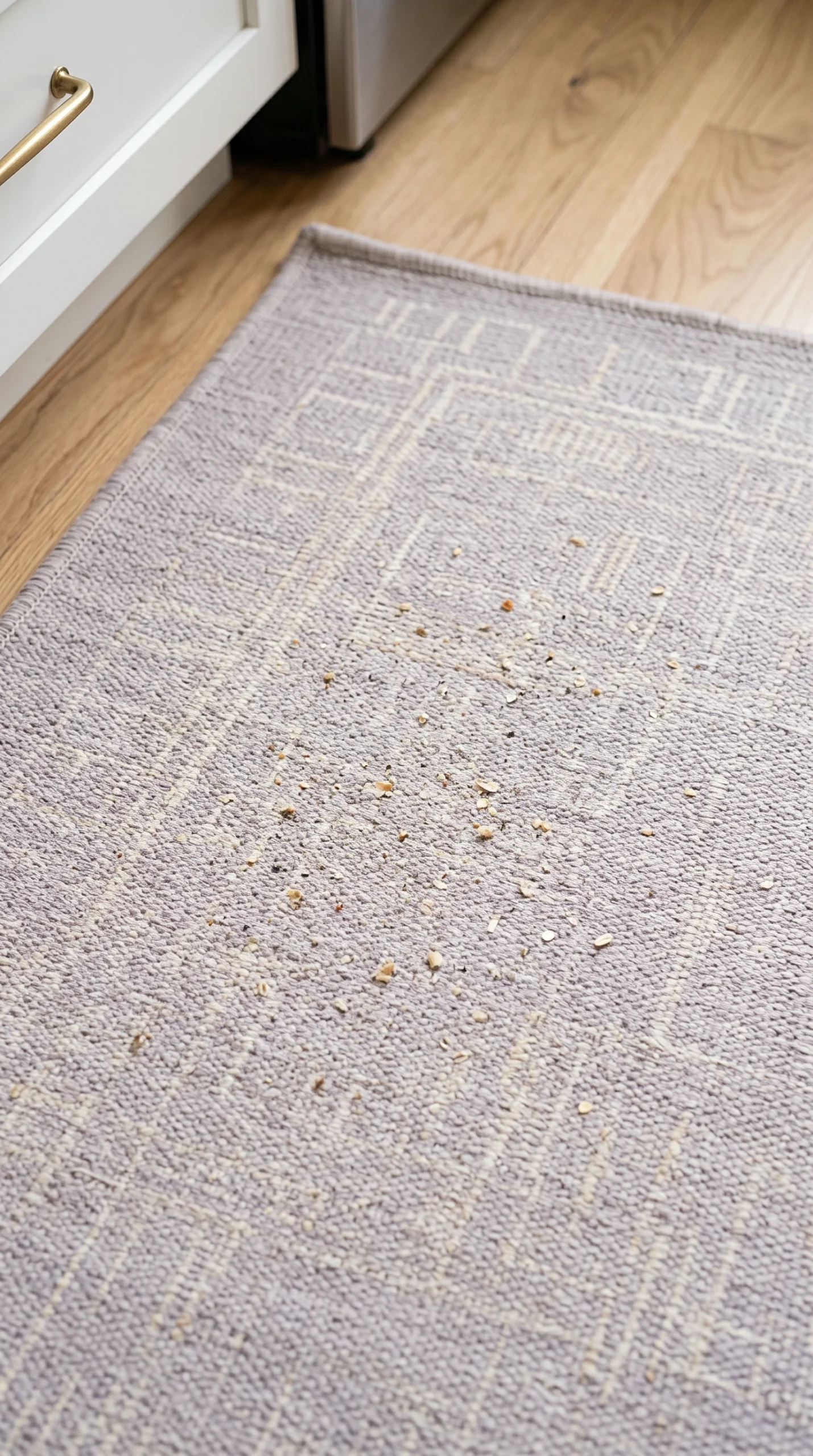
A neutral rug absolutely does not have to be completely solid. In fact, utilizing perfectly flat, solid light-colored rugs in a high-traffic kitchen is a massive operational mistake. Instead, rugs that feature faint, tone-on-tone patterns—like a pristine cream rug with a slightly darker, heavily textured beige geometric overlay—are excellent, high-performance choices for active kitchens. This subtle variation in color provides the quiet, bespoke elegance of a neutral palette while being vastly superior at hiding minor crumbs, daily dirt, and cooking splatters. It allows you to maintain a flawless, bright aesthetic without the paralyzing fear of ruining a perfectly white mat.
When you strip away loud colors and bold prints, texture becomes the single most important design element in the room. In high-end interior design, this concept is known as “tactile friction.” If a neutral kitchen rug is completely flat, smooth, and synthetic, it will instantly look incredibly cheap and lifeless on your floor. To successfully execute neutral kitchen rug ideas, you must aggressively prioritize heavy texture. Look for rugs with a high-low pile, raised tufted wool, deeply braided natural fibers, or thick, chunky weaves. These dramatic physical textures catch the natural sunlight pouring into your kitchen, creating tiny, beautiful shadows that make the neutral rug look wildly expensive, deeply intentional, and incredibly luxurious.