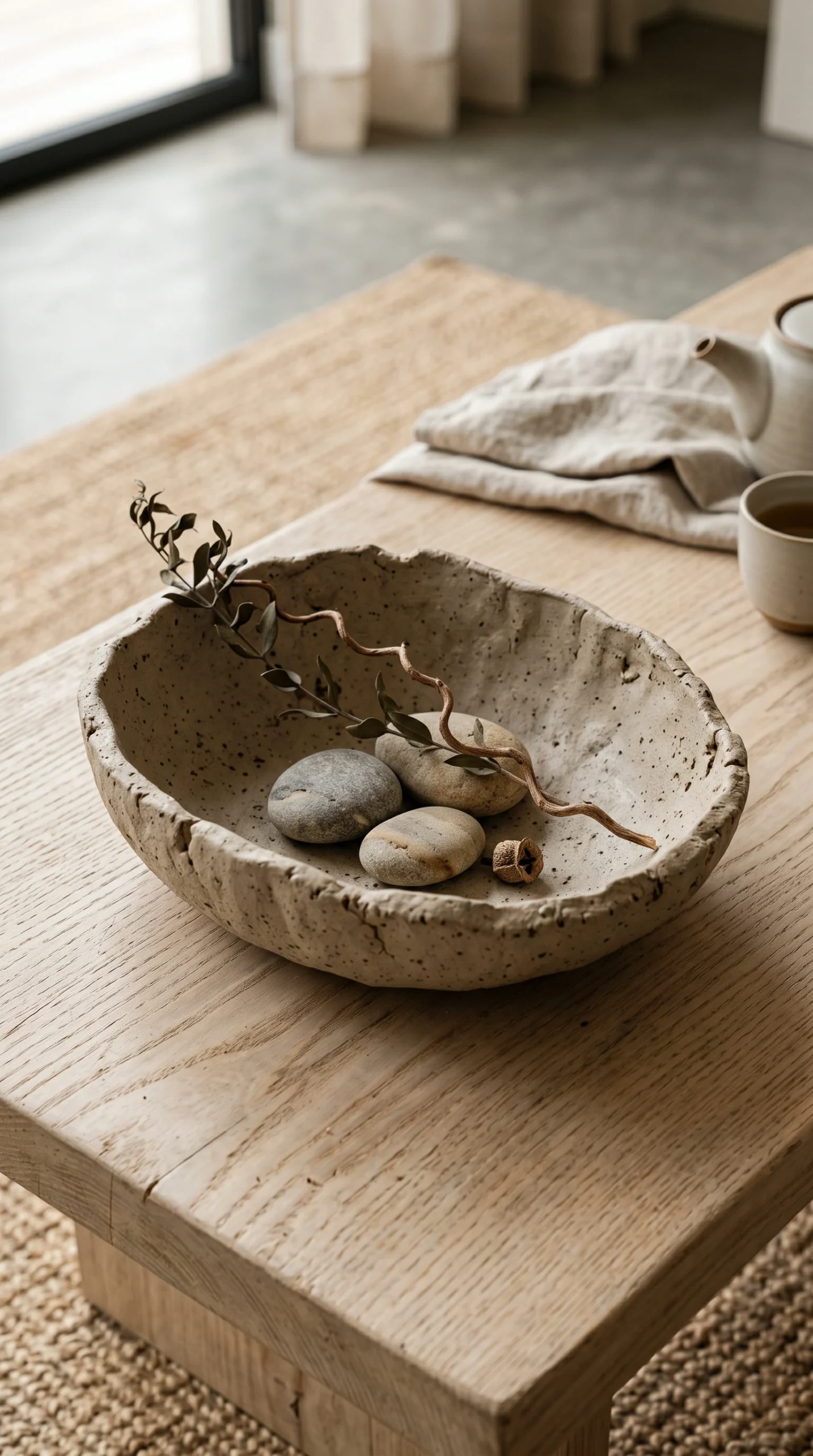
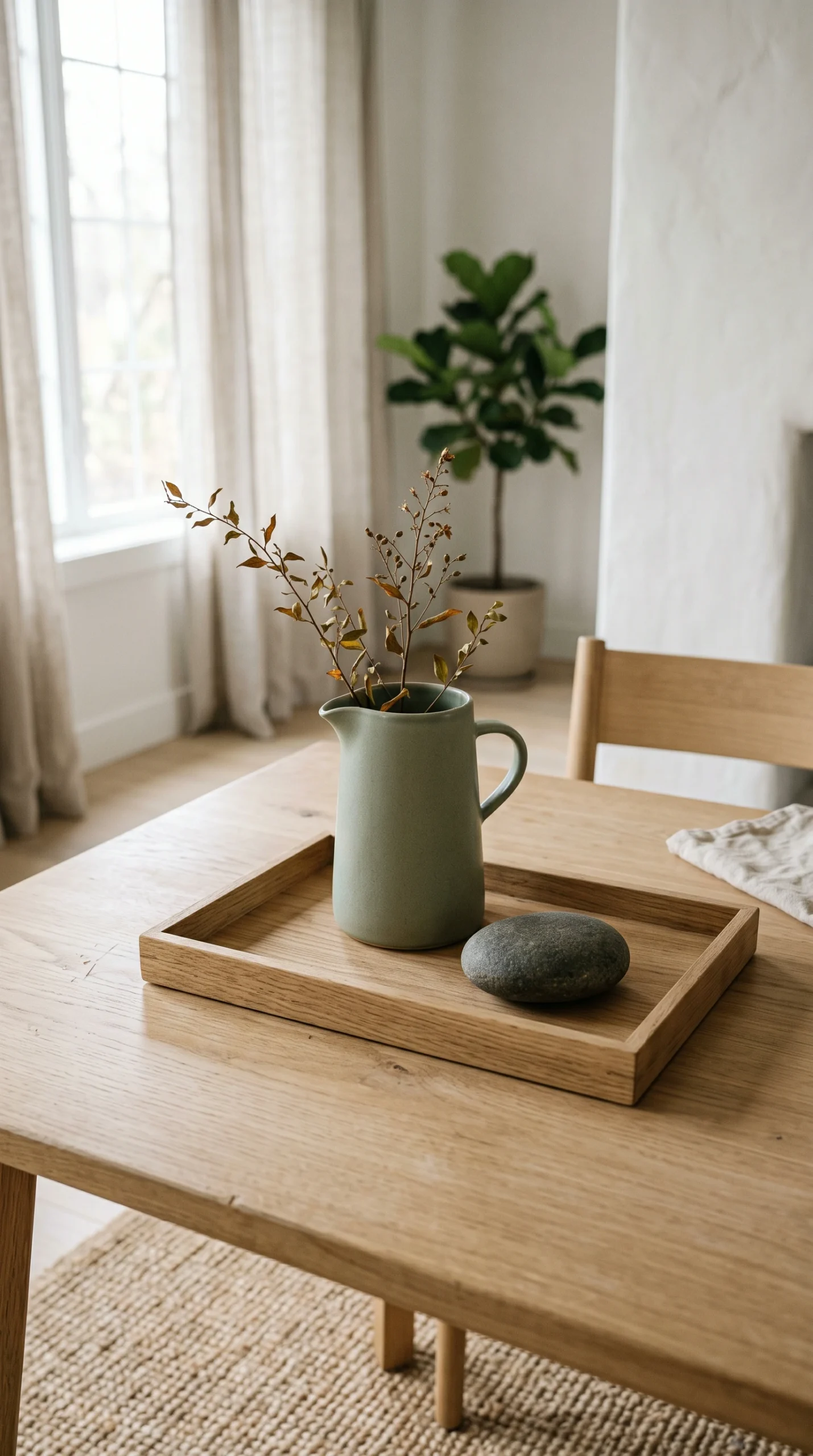
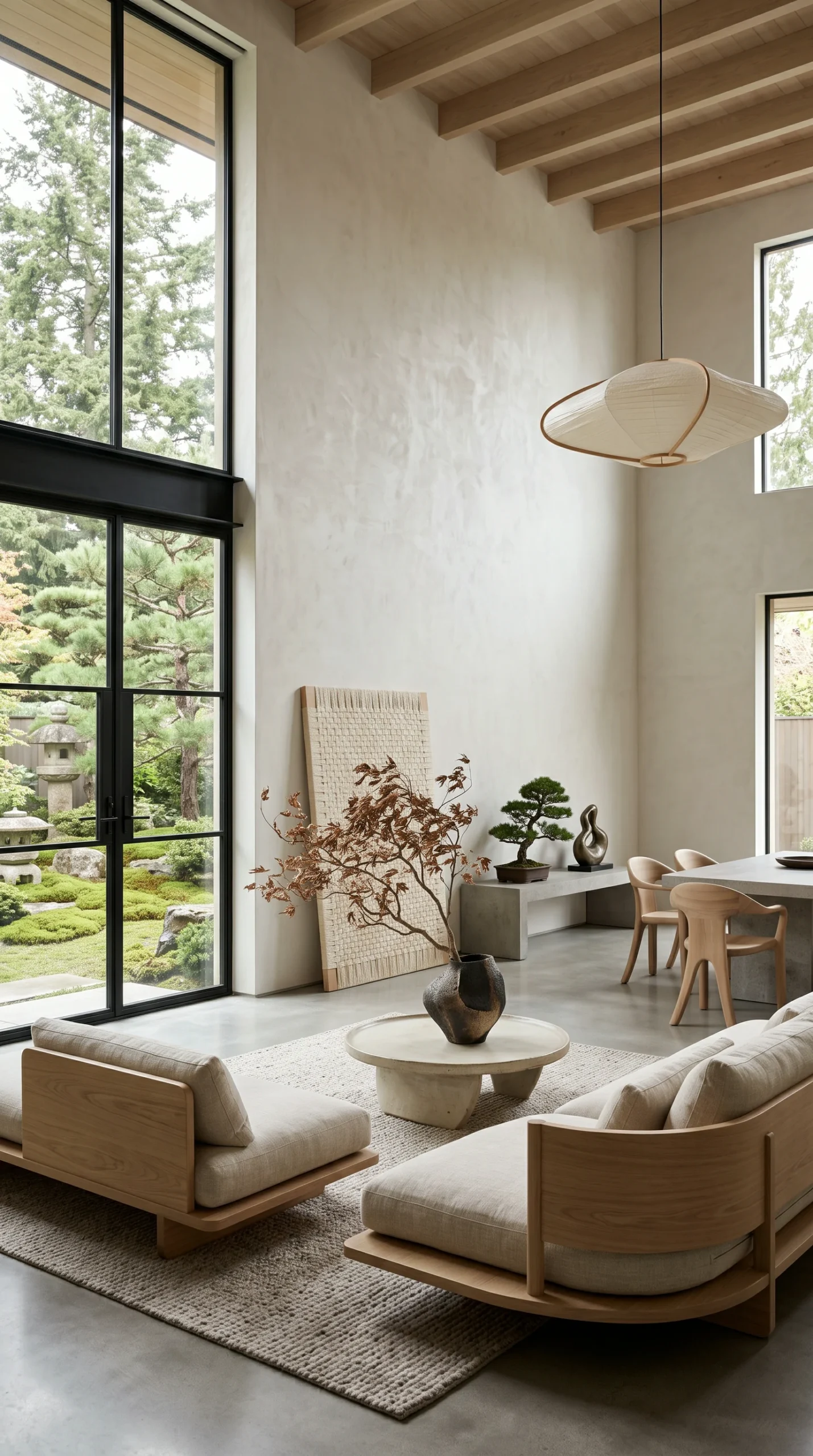
Raw unglazed earthenware is porous and will weep water; reserve it for dried branches or insert a glass liner for fresh stems.
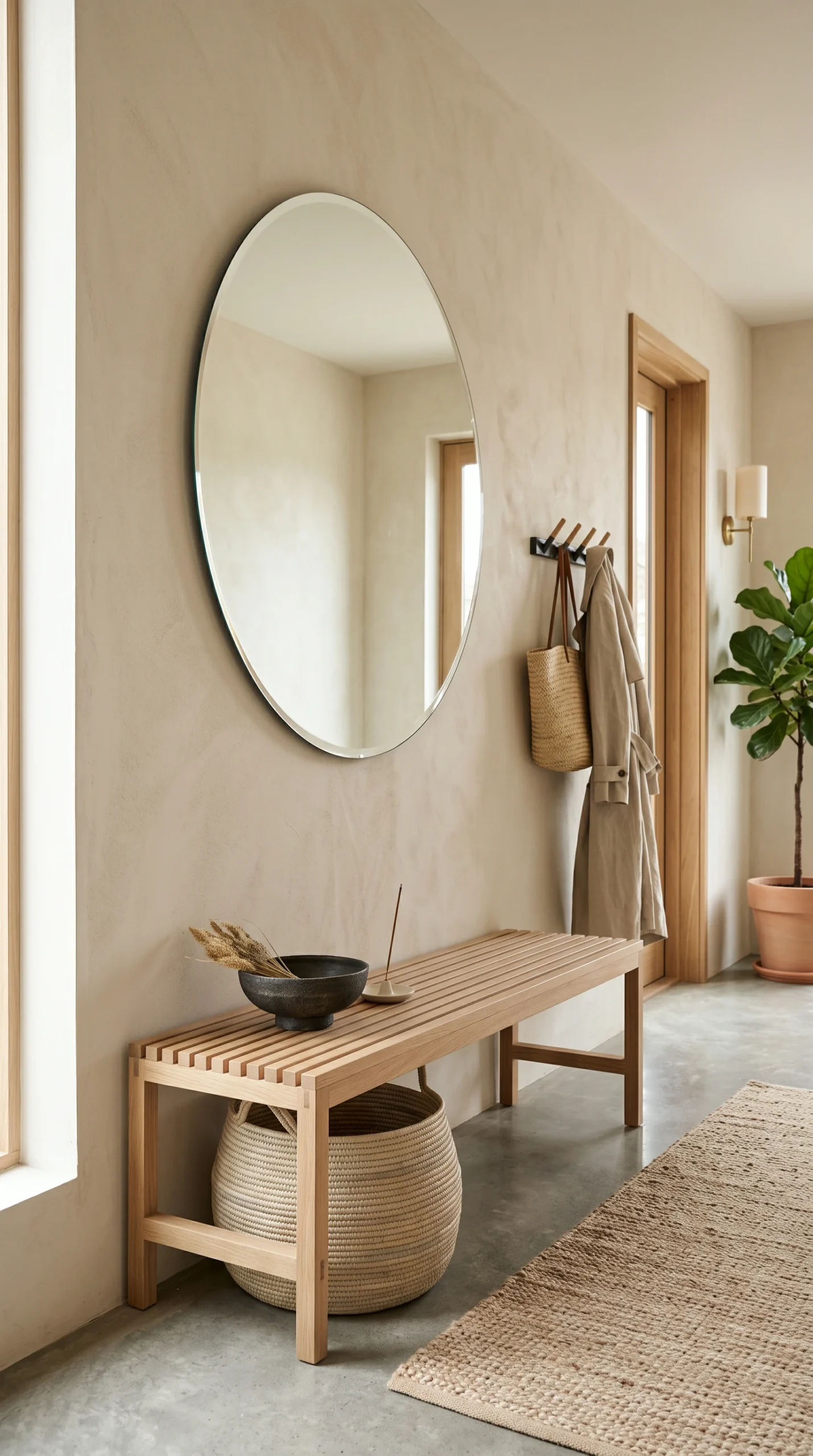
Place one large sculptural ceramic bowl or vase on a console rather than scattering small decorative trinkets across the surface.
Porous unglazed pottery snags cloth fibers; use a soft, dry natural bristle paintbrush to sweep dust out of crevices.
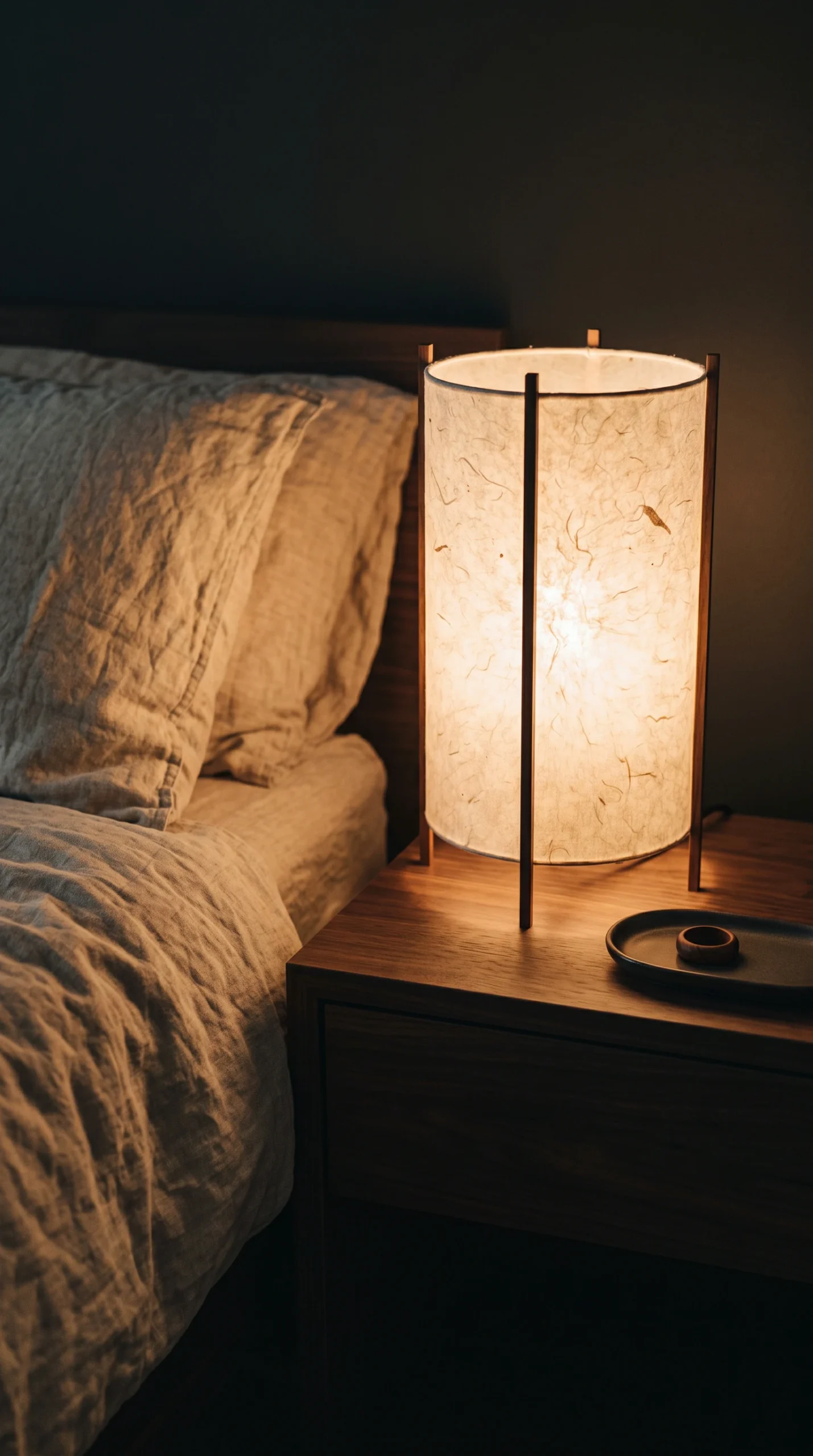
Washi paper lanterns tear easily; place them away from pet paths, and dust them exclusively with dry microfibre brushes.
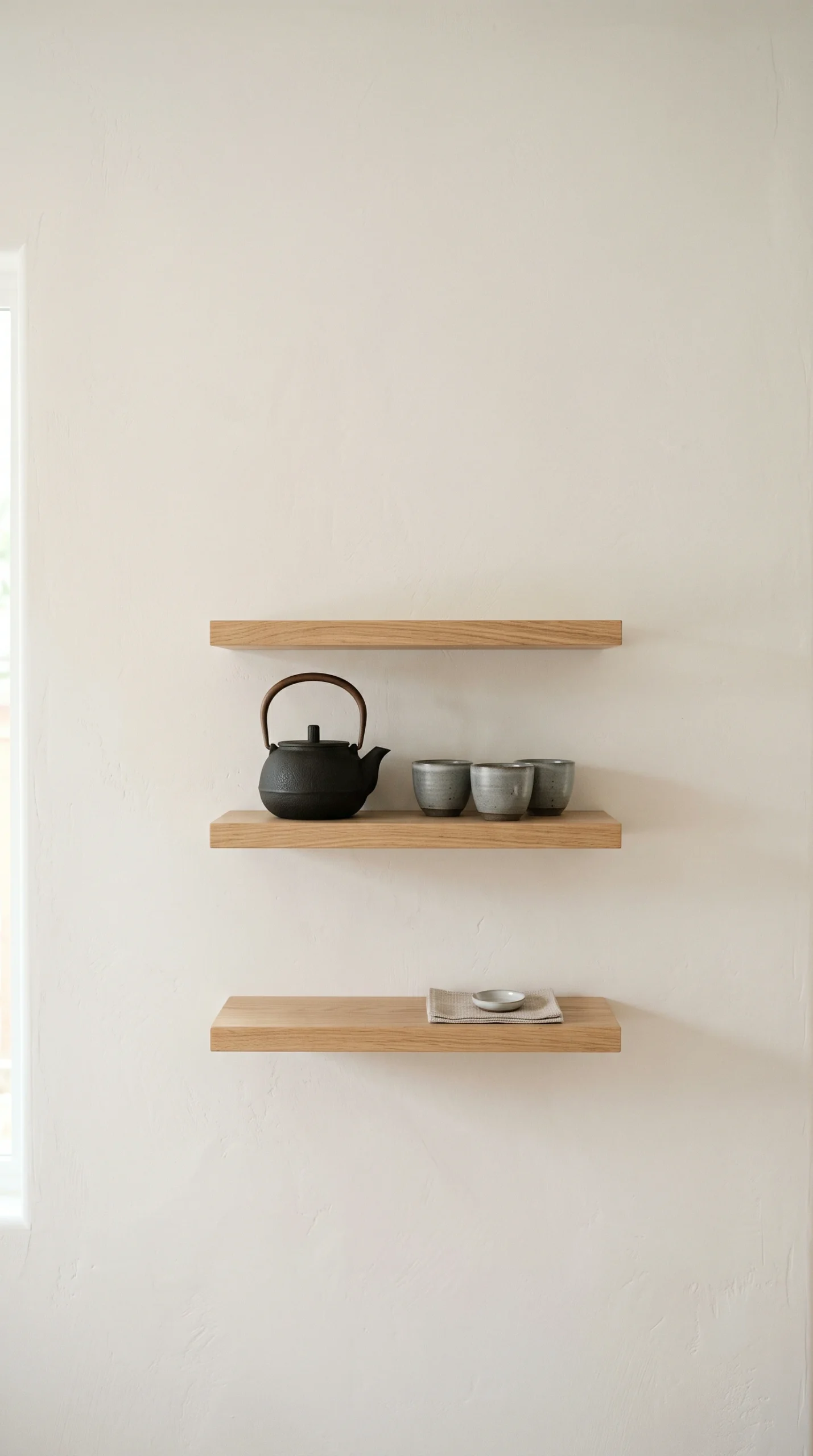
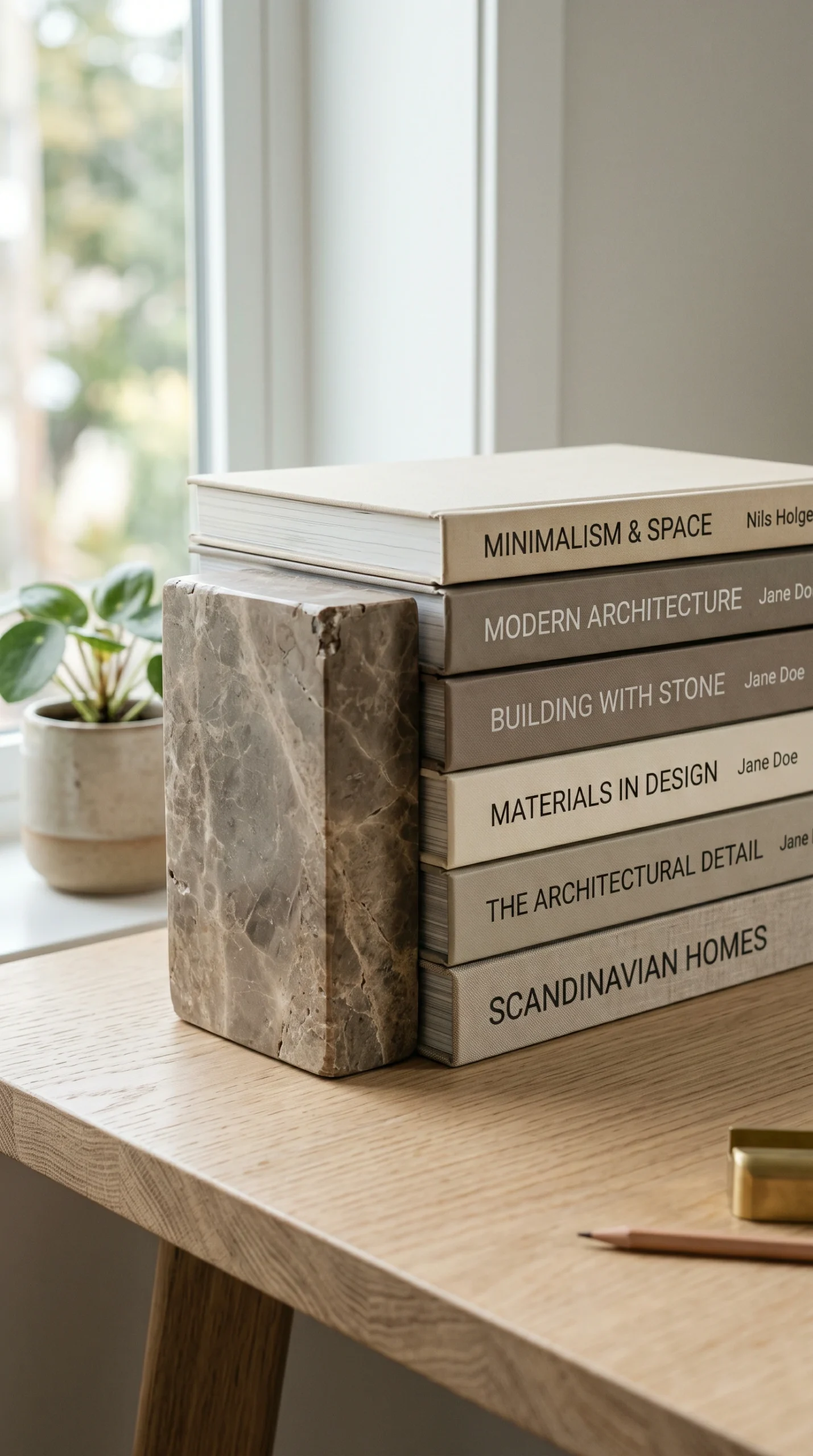
Balance open shelves by pairing a tall ceramic piece on one tier with a low, horizontal book stack and stone weight on the tier below.
Decorating a home in the Japandi style is often misunderstood as an exercise in extreme subtraction—clearing every shelf until a room feels empty and austere. In practice, thoughtful decorating is not about achieving complete void; it is about choosing fewer, more meaningful objects that have sculptural presence, tactile honesty, and a clear reason for being in the room.
When selecting accessories for a Japandi interior, the goal is to balance the rustic, asymmetrical beauty of Japanese wabi-sabi with the practical, cozy comfort of Scandinavian hygge. By prioritizing natural materials, understanding spatial scale, and anticipating everyday maintenance realities, you can curate accents that bring warmth and character to your home without creating visual clutter.
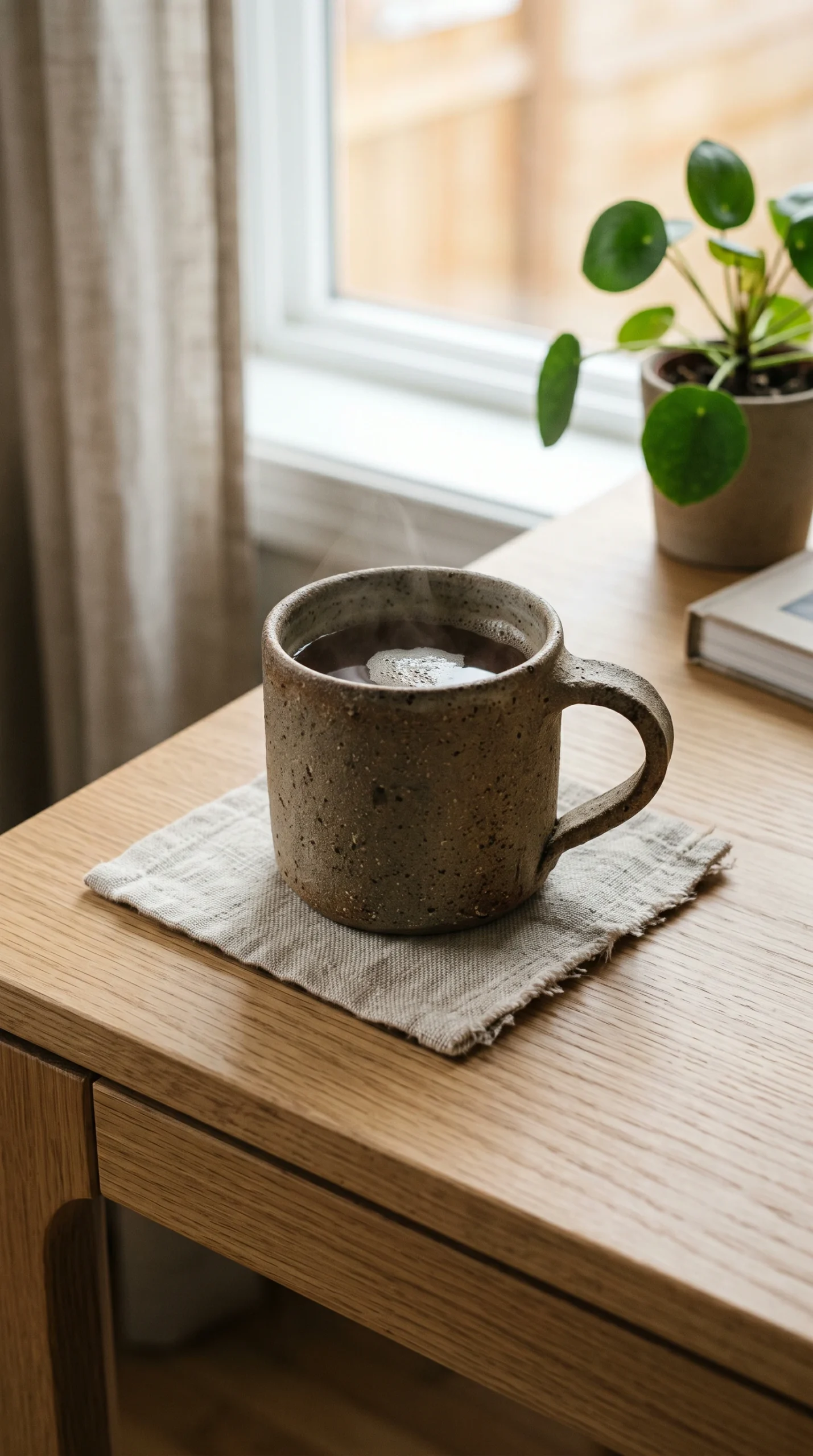
Handcrafted pottery and ceramic vessels are central to Japandi styling. Unlike factory-cast porcelain with perfectly uniform glossy glazes, wabi-sabi ceramics feature subtle surface irregularities, matte chalky textures, and visible grit from the clay body.
Understanding the difference between clay types protects your furniture from moisture damage:
When grouping pottery on a tabletop or credenza, avoid arranging clusters of similar-sized vases. An effective visual balance comes from grouping either a single large statement piece or an asymmetric pair of two or three items with distinctly different heights, widths, and surface textures. For a broader look at coordinating natural finishes across rooms, consult our guide to Japandi interior design ideas.
Traditional flower arrangements often rely on tight, symmetrical bouquets of bright blossoms that quickly wilt and require frequent water changes. Japandi botanical styling takes inspiration from Japanese ikebana, focusing on the expressive structure of individual branches, stems, and seed pods.
A single sculptural branch brings natural life into a room without competing with surrounding furnishings:
Keep in mind that dried botanicals eventually become brittle. Over several months, dried leaves and seed heads shed fine organic dust whenever room doors swing open. Periodically replace dried stems to keep displays looking crisp, or use long-lasting fresh woody branches that dry in place naturally. You can explore how these natural accents work in entrance halls in our guide to Japandi entryway ideas.
Open shelving in kitchens and living rooms frequently becomes a magnet for loose knick-knacks, leading to a cluttered, busy appearance that contradicts the restful intent of the style.
To keep display shelves looking balanced, maintain 40% to 50% empty negative space on each shelf tier:
In compact homes, disciplined shelf curation is especially vital for maintaining an open feeling. For practical storage strategies in smaller floor plans, see our guide to small Japandi apartment ideas.
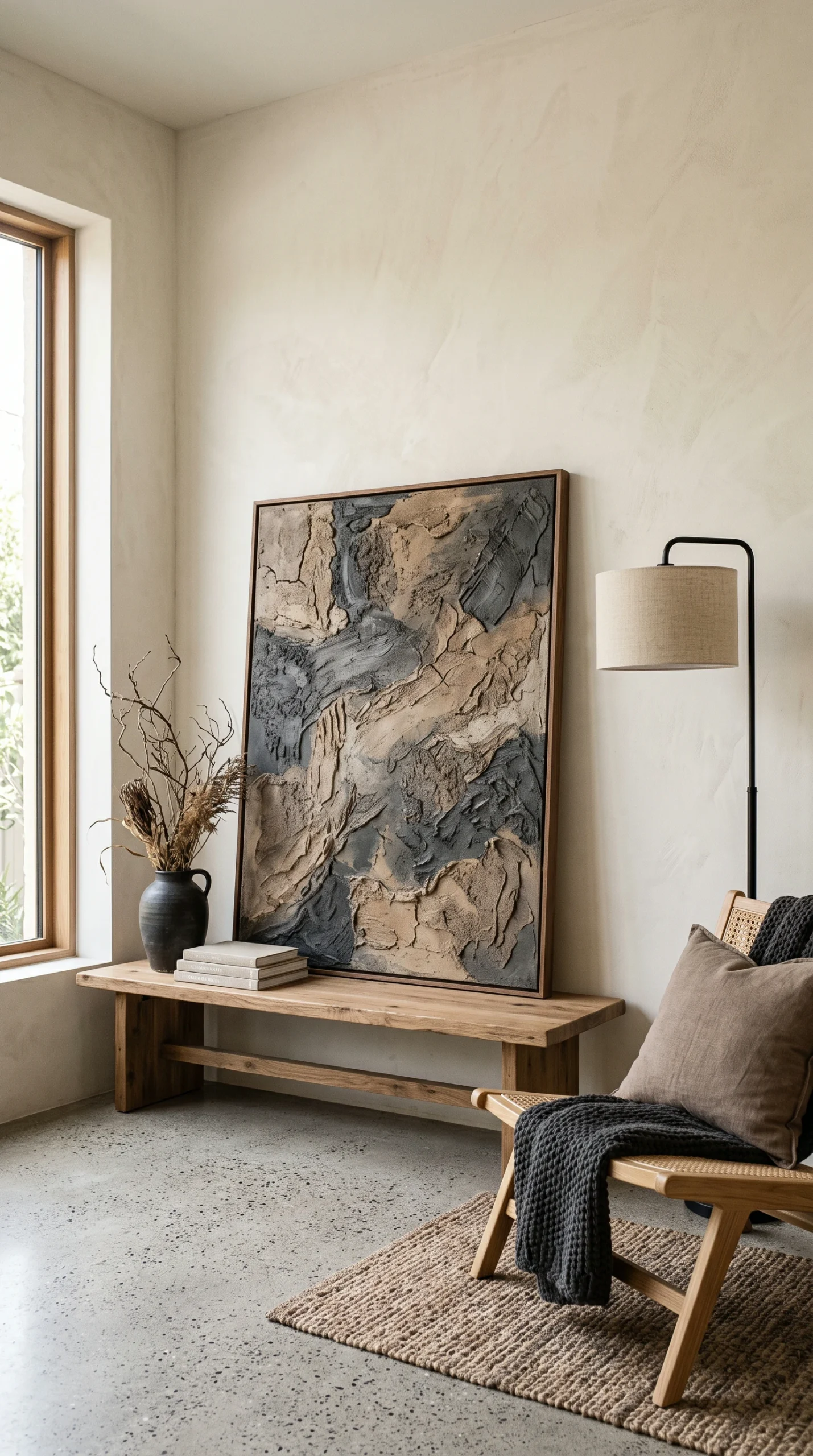
Art in a Japandi interior is rarely colorful or busy. Rather than assembling a salon-style gallery wall with dozens of mismatched frames, the preference is for one or two thoughtfully placed, large-scale artworks that provide quiet focal points.
Artwork should complement the quiet tones of the room while contributing tactile interest:
When hanging artwork, position the vertical center of the piece between 57 and 60 inches (145 to 152 cm) from the floor, which corresponds to standard gallery eye level. For framing, choose slim, unadorned frames crafted from white oak, ash, or matte black metal, paired with a generous 2.5 to 3.5-inch archival off-white mat. Use non-reflective museum glass to prevent distracting window reflections from obscuring subtle paper textures. To see how these tones integrate with furniture, review our guide to Japandi furniture ideas.
In a Japandi room, lighting fixtures serve as sculptural installations during daylight hours and atmosphere creators after sunset. The iconic washi paper lantern, popularized by mid-century designer Isamu Noguchi, remains one of the most effective decorative elements in modern interiors.
A suspended paper sphere or oval lantern breaks up the sharp rectangular planes of ceilings and walls, casting a soft, shadowless ambient glow that mimics traditional Japanese shoji screens. However, paper fixtures come with practical trade-offs:
Pair decorative lanterns with warm 2700K to 3000K LED bulbs featuring a high Color Rendering Index (90+ CRI) to ensure the warm beige tones of surrounding walls and pottery glow warmly in the evening. For advice on balancing these tones, see our guide to Japandi color palette ideas.
Living with minimal, textured decor requires anticipating several everyday maintenance realities:
Dust on Textured Pottery: Unglazed ceramics and stone sculptures feature coarse, toothy surfaces that trap airborne dust. Running a standard cloth over unglazed clay often snags and leaves lint behind. The easiest way to clean porous pottery is with a dry, soft-bristle natural paint brush, sweeping dust out of textured crevices without scratching the surface.
Open Shelf Kitchen Vapor: When open display shelving is located near an active cooktop, decorative pottery and wooden boards collect an invisible film of airborne cooking grease and dust within weeks. If you enjoy open kitchen shelving, restrict items to everyday dishware that gets washed regularly, or reserve decorative ceramics for shelves located away from the cooking zone.
Sunlight Fading on Natural Wood: Unfinished wooden bowls and paper artwork placed on windowsills will change color over time under direct ultraviolet light. Pale woods like ash can slowly turn golden, while walnut naturally lightens. Rotate decorative wooden items occasionally to ensure even sun exposure.
By investing in well-crafted, authentic materials and understanding their real-world care requirements, your decor will support a calm, functional home environment that ages gracefully over time. For ideas on styling comfortable lounge areas, explore our guide to Japandi living room ideas, or create a peaceful sanctuary with our Japandi bedroom ideas.