Japandi Furniture Ideas for a Timeless, Functional Home

Furniture anchors the daily routines of a home, from dining and working to resting. Choosing Japandi furniture is not about buying matching showroom sets or sacrificing comfort for strict minimalism; it is about finding well-crafted timber pieces, comfortable proportions, and durable upholstery fabrics that handle everyday family use while maintaining a calm, uncrowded interior.

Seat Heights

Low-profile sofas typically sit 14 to 17 inches high; pair them with coffee tables 12 to 15 inches high for comfortable reach.

Timber Coordination

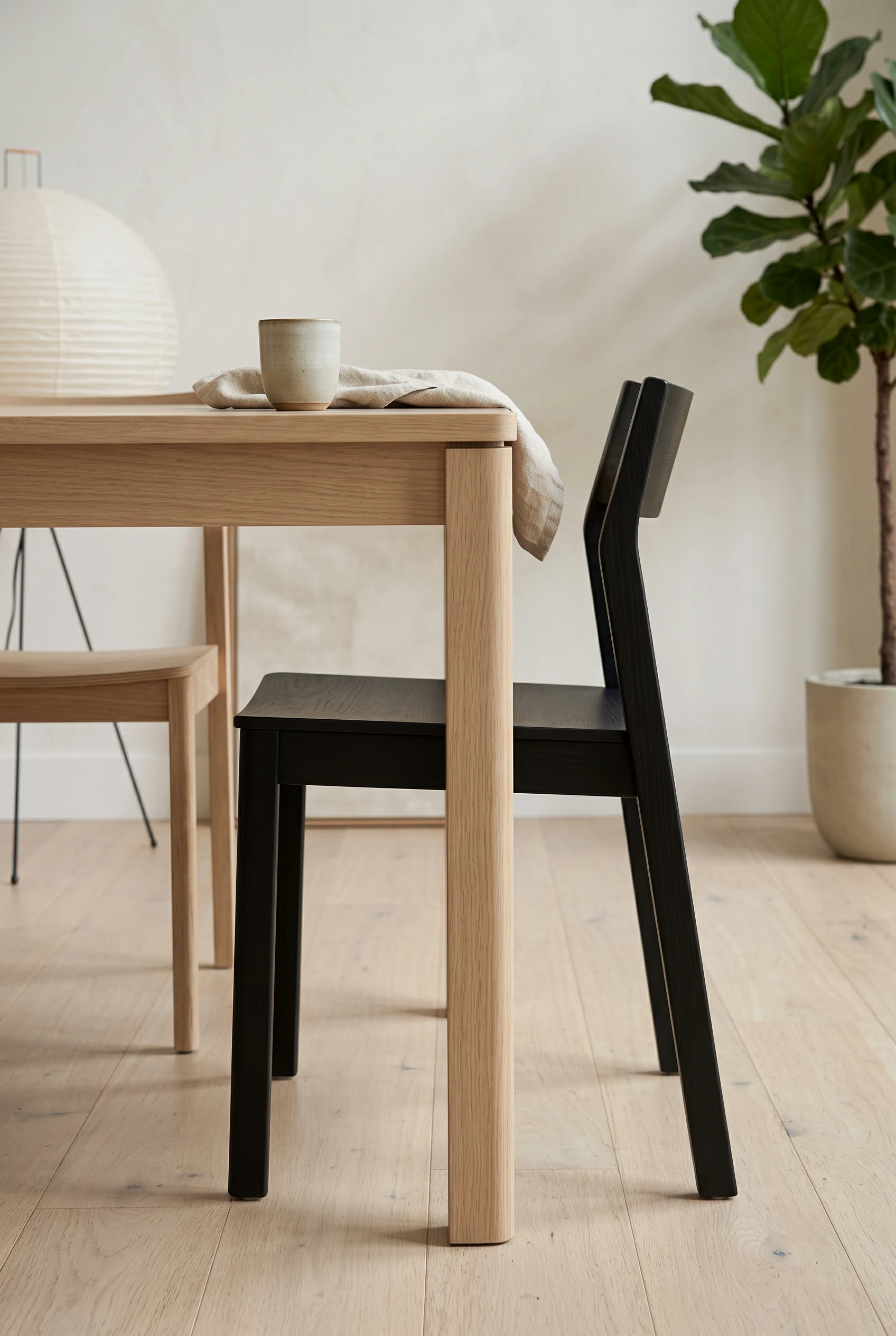
Anchor the room with 70% pale oak or ash, and add up to 30% darker walnut or charcoal-stained wood for grounded contrast.

Dining Clearances

Leave at least 36 inches between dining table edges and walls, extending rugs 24 to 30 inches past table sides for chair movement.

Cushion Construction

Select high-resiliency foam cores with a down or wool wrap to preserve clean architectural lines without constant fluffing.

Craftsmanship, Proportion, and Timber Details

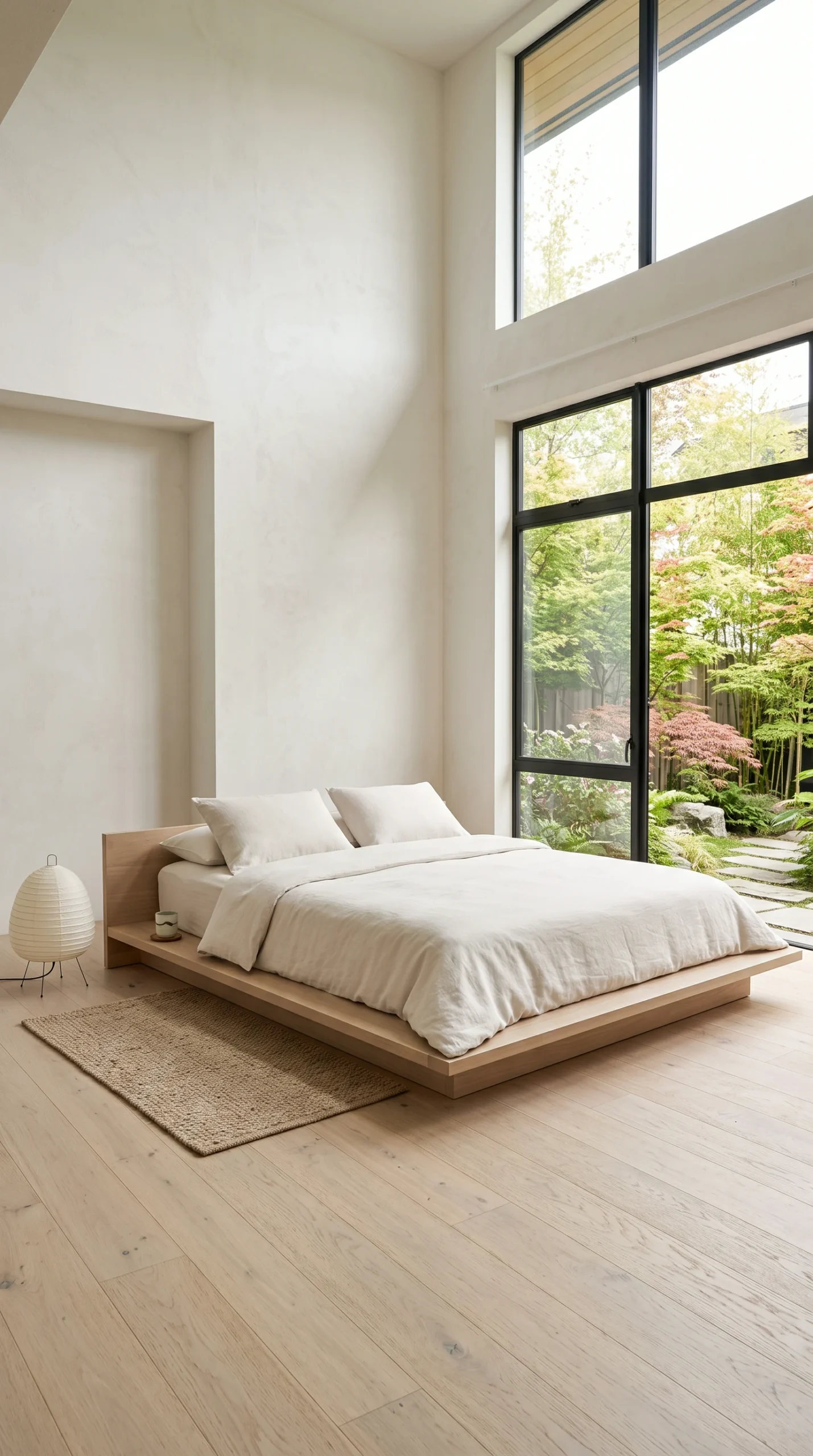
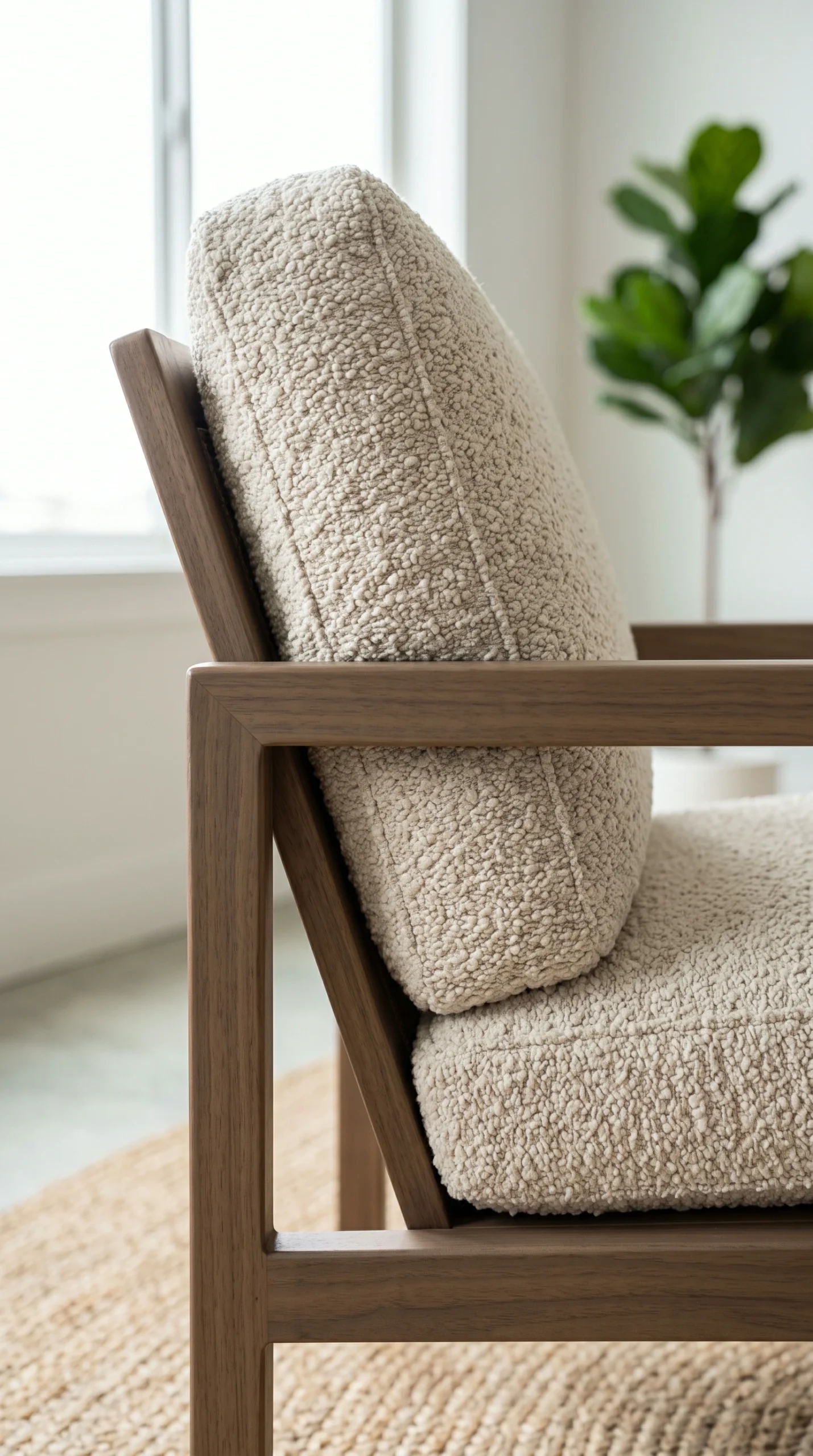
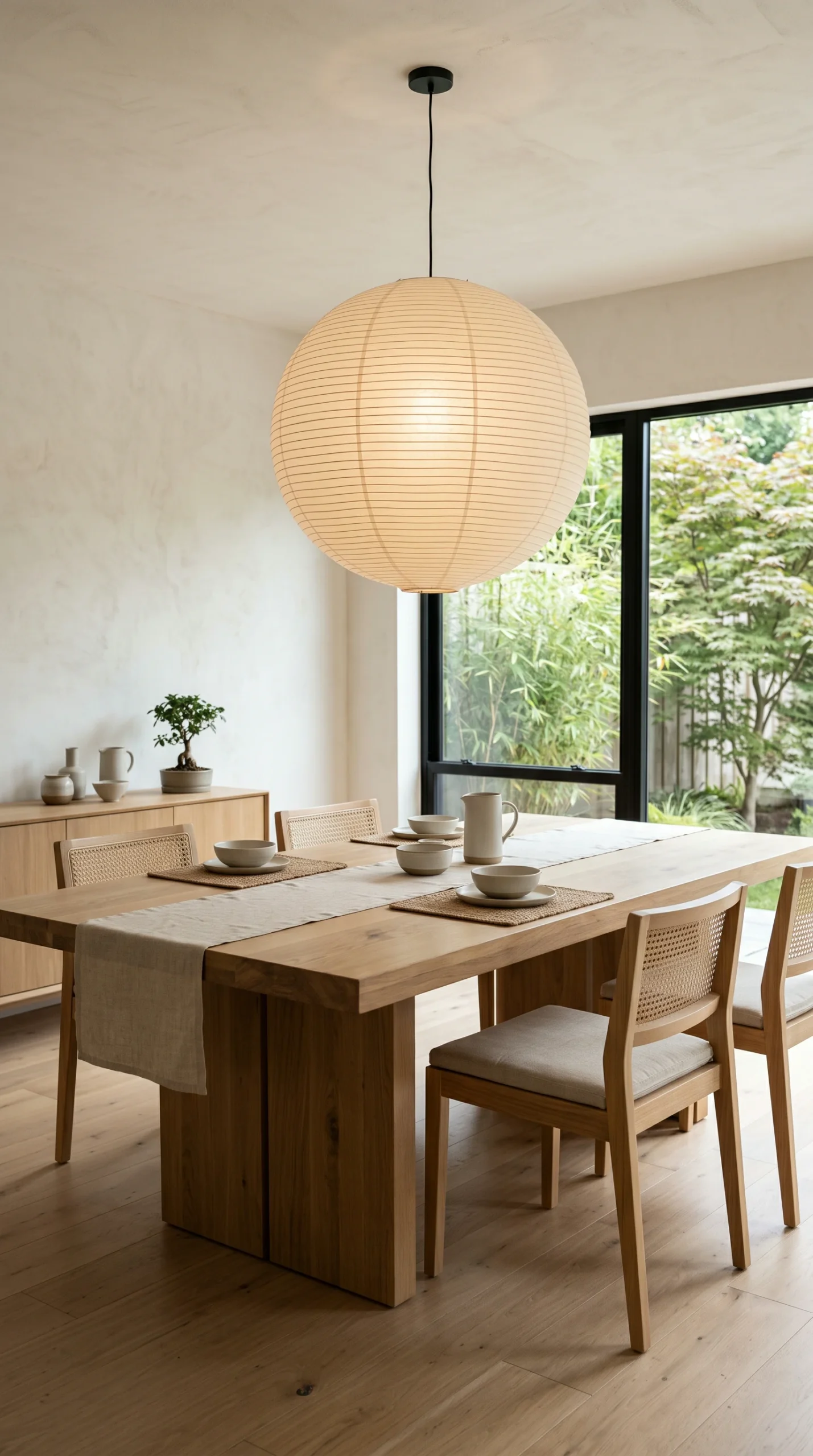
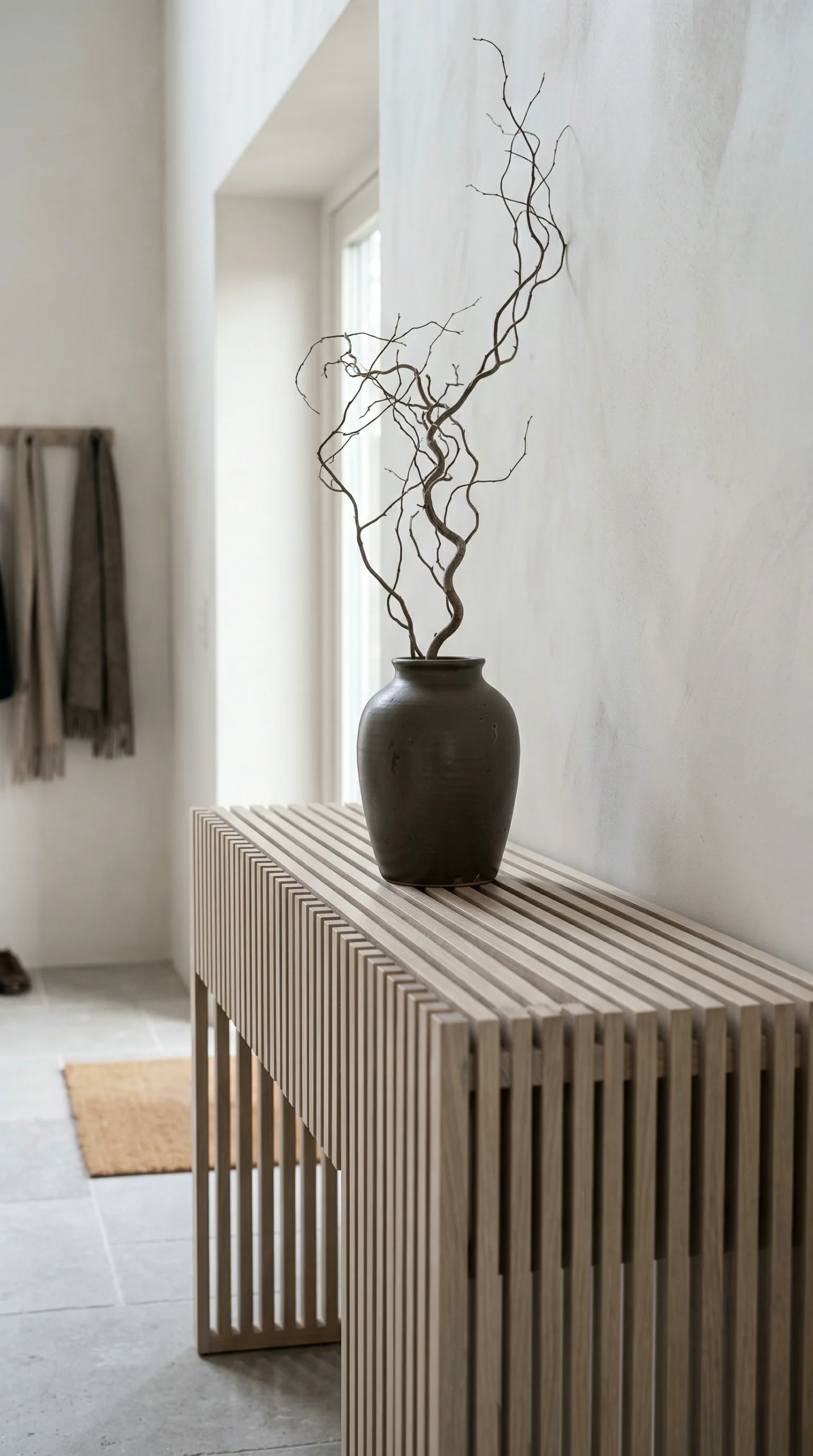
A curated collection of Japandi living, dining, and bedroom furniture showcasing curved ash armrests, low-profile bed frames, slatted timber accents, and tactile linen upholstery.

Essential Buying Checks for Japandi Furniture

Review these structural and practical considerations before investing in timber furniture or upholstered seating.

Check Seat Ergonomics

Test seat heights before committing; low 14-inch seats look architectural but can strain knees and lower backs for older guests.

Inspect Wood Joinery

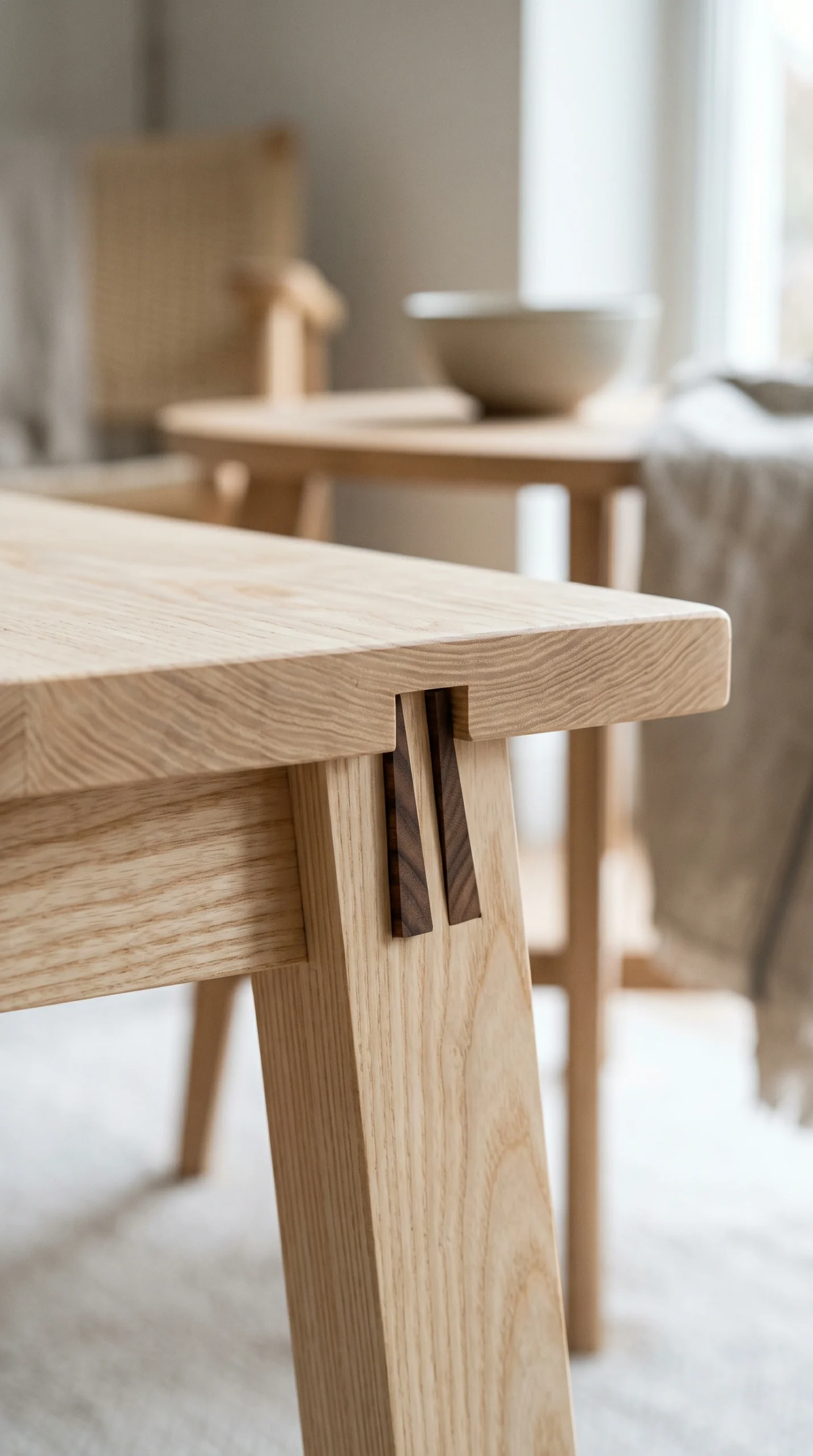
Look for traditional mortise-and-tenon or dovetail joints that accommodate seasonal wood movement rather than simple glued dowels.

Balance Timber Proportions

Pair heavier dining tables with open spindle-back chairs or a low bench to preserve sightlines across the room.

Evaluate Fabric Durability

While textured bouclé offers great tactile contrast, tight-weave linen or wool blends resist snagging and pilling far better.

Plan Platform Bed Storage

Low platform beds eliminate under-bed storage; ensure your room has adequate closet space before choosing a floor-level frame.

Practical Japandi Furniture Selection for Everyday Living

Furniture forms the physical infrastructure of daily living. It dictates how comfortably you dine, how easily you work, and how deeply you rest at the end of the day. In many discussions of Japanese-Scandinavian design, furniture is presented as purely sculptural art—delicate paper cords, low floor cushions, and bare wooden benches that look striking in photographs but offer little support for hours of reading or working.

Practical Japandi furniture selection bridges the gap between architectural elegance and everyday physical comfort. By combining Scandinavian ergonomic standards with Japanese joinery and material discipline, you can select furnishings that feel sturdy, look proportional to your rooms, and support the natural rhythms of daily household life.

Timber Species, Grain Patterns, and Material Honesty

Wood is the foundation of Japandi design. Rather than relying on painted finishes or decorative veneers, this style celebrates the natural grain, tone, and tactile variation of solid timber. However, choosing the right wood involves understanding how different species perform under daily use.

Primary Light Timbers: White Oak, Ash, and Beech

Pale hardwoods reflect natural light and keep rooms feeling open and uncluttered. They are generally the best choice for large surface pieces such as dining tables, storage credenzas, and sofa frames:

  • White Oak: Dense, heavy, and exceptionally resistant to dents. Its tight grain pattern and natural tannins make it relatively stable, making it a reliable choice for family dining tables and high-traffic coffee tables.
  • European Ash: Known for its prominent, expressive grain lines and slight pale-yellow undertone. Ash offers excellent shock resistance, which is why it is frequently used for curved chair armrests and slender chair legs.
  • Beech: Features a very fine, uniform grain with minimal knots. It stains evenly and bends cleanly, making it a staple of classic Scandinavian bentwood furniture.

When selecting timber pieces, inspect the protective finish. While raw, soap-treated wood provides a soft, unvarnished appearance, it absorbs water stains, wine drips, and hand oils quickly. For active households, choosing furniture treated with a commercial matte hardwax oil or an ultra-flat water-based polyurethane provides the necessary stain resistance without introducing artificial plastic sheen. For broader context on material combinations, see our guide to Japandi interior design ideas.

The Seventy-Thirty Wood Mixing Principle

A common misconception is that every wooden item in a Japandi room must match exactly. In reality, rooms with identical pale timber surfaces across the floor, table, chairs, and cabinets often feel flat and visually washed out.

A balanced approach is to use a 70/30 distribution. Dedicate roughly 70 percent of your wooden surfaces to a primary light wood (such as white oak or ash) for the flooring and large case goods. Use the remaining 30 percent for deeper contrasting timbers—such as American walnut, stained teak, or ebonized ash—for small side tables, dining chair frames, or decorative shelving. This intentional contrast grounds the airy space without creating visual discord. You can explore how these finishes harmonize across rooms in our guide to Japandi color palette ideas.

Living Room Furniture: Low Profiles and Ergonomic Trade-Offs

Traditional Japanese interiors favor low-slung seating that sits close to the floor, fostering a calm, grounded connection to the architecture. Scandinavian seating, by contrast, emphasizes upright ergonomic support and accessible seat heights. Blending these traditions requires balancing visual weight with physical usability.

Sofa Proportions and Seat Heights

Standard contemporary sofas have a seat height between 18 and 20 inches from the floor. Japandi-inspired sofas often lower this seat height to between 14 and 17 inches (36 to 43 cm):

  • Visual Impact: A lower sofa silhouette leaves more uninterrupted wall space above, making standard 8-foot or 9-foot ceilings feel noticeably taller. This technique works especially well in compact spaces, as outlined in our small Japandi apartment ideas.
  • Real-World Trade-Off: While a 14-inch seat height creates an appealing architectural outline, it can be physically demanding for taller adults, elderly guests, or anyone with knee and back stiffness. If accessibility is a priority in your household, choose a sofa with a seat height closer to 17 inches, featuring slim wooden legs that lift the base off the floor while maintaining visual lightness.

Pair your sofa with a coffee table that sits 12 to 15 inches (30 to 38 cm) high—ideally 1 to 2 inches lower than your sofa seat cushion. Position the table roughly 14 to 18 inches (35 to 45 cm) away from the sofa to provide comfortable reach for drinks and books without impeding walking routes. For complete living room layout guidance, consult our Japandi living room ideas.

Cushion Construction: Foam Density vs. Feather Fill

Minimalist sofas feature crisp, architectural lines, but achieving that appearance requires careful attention to cushion cores. Sofas filled entirely with down or feather blend develop a casual, rumpled look that requires constant manual fluffing to prevent cushions from sagging.

To preserve clean outlines while maintaining daily comfort, select cushions with a high-resiliency (HR) foam core wrapped in a thick layer of down or cruelty-free microfibre batting. The resilient foam core ensures the cushion rebounds cleanly after someone stands up, while the outer batting provides an inviting, soft surface feel.

Dining Furniture: Proportions, Clearances, and Seating Flexibility

The dining table is often the central communal surface in a home. In a Japandi dining space, the table should showcase solid construction and thoughtful joinery while maintaining generous circulation paths around it.

Standard Dining Clearances

Before purchasing a dining table, map out the space around the perimeter:

  • Wall and Furniture Clearance: Allow a minimum of 36 inches (90 cm) between the edge of the dining table and any adjoining wall, sideboard, or door jamb. This ensures diners can push chairs back and stand up without bumping surfaces.
  • Main Circulation Paths: If a primary hallway or doorway passes directly behind the dining table, expand that clearance to 42 to 48 inches (105 to 120 cm) so people can walk past seated guests comfortably.
  • Rug Dimensions: If you place a rug beneath your dining table, it should extend at least 24 to 30 inches (60 to 75 cm) past all sides of the tabletop. This keeps chair legs on the rug surface even when occupied chairs are pushed out.

Combining Spindle Chairs with Dining Benches

Rather than buying a rigid set of matching chairs, consider pairing a wooden dining table with a mix of seating options. Placing slender wooden spindle-back chairs on one side and a low backless wooden bench on the other provides practical advantages:

  • The bench tucks completely under the tabletop when not in use, opening up sightlines in smaller open-plan spaces.
  • A bench accommodates flexible seating for children or dinner guests during gatherings.
  • The varied silhouettes create visual interest without introducing chaotic colors or mismatched materials.

Ensure that dining chair and bench seat heights measure between 17 and 19 inches (43 to 48 cm) from the floor to pair properly with standard 29 to 30-inch (74 to 76 cm) dining tables.

Bedroom Furniture: Platform Beds and Storage Realities

In the bedroom, Japandi furniture focuses on restful simplicity and grounded proportions. You can read more about designing tranquil sleeping spaces in our guide to Japandi bedroom ideas.

Evaluating Platform Beds

Low-profile solid wood platform beds are a hallmark of Japanese-inspired bedrooms. Low bed frames typically sit between 8 and 12 inches (20 to 30 cm) off the floor, bringing the total sleeping height with a standard mattress to 18 to 22 inches (45 to 55 cm):

  • Spatial Advantages: The low profile keeps the bed from visually dominating the room, creating an open, airy feeling even in rooms with compact footprints.
  • Real Drawbacks: Floor-level platform beds eliminate the space normally available for under-bed storage boxes. In homes with limited closet space, this can create a real storage deficit. Furthermore, tucking in fitted sheets around a recessed platform ledge requires bending down further, which can be taxing on the lower back over time.

If you need bedroom storage, look for platform beds that incorporate built-in flush drawers with concealed push-latches or subtle finger-pull grooves along the baseboard, preserving the clean look without sacrificing utility.

Upholstery Fabrics: Tactile Warmth vs. Daily Maintenance

Because Japandi furniture frames tend to be rigid and unadorned, tactile textiles provide the essential warmth (hygge) that keeps the room from feeling austere or cold. Pair wooden frames with fabrics that offer visual depth through their weave:

  • Heavy Linen Blends: Linen offers breathability, a relaxed drape, and natural textural variation. Choosing a linen-cotton or linen-viscose blend provides the natural linen look with increased tear resistance and less severe wrinkling.
  • Textured Wool Blends: Dense, tightly spun wool is naturally durable and soil-resistant thanks to its natural lanolin content, making it an excellent investment for accent chair cushions.
  • Bouclé Considerations: While nubby bouclé fabric provides striking visual contrast against smooth walnut or oak frames, it comes with maintenance caveats. The looped yarns can snag easily on pet claws, watch straps, or denim rivets, and the open texture tends to trap crumbs and fine dust that require frequent gentle vacuuming.

For finishing accents and complementary styling touches, explore our curated Japandi decor ideas, or review entrance furniture solutions in our Japandi entryway ideas.

Recognizing Quality Joinery and Avoiding Disposable Furniture

Japandi philosophy is deeply rooted in respect for materials and longevity. Disposable flat-pack furniture held together by plastic cams and thin paper foil veneer quickly chips at the edges and sags under normal household loads.

Indicators of Long-Lasting Construction

When investing in furniture intended to last for decades, look for these markers of craftsmanship:

  • Traditional Woodworking Joints: Quality tables and chairs utilize mortise-and-tenon joints, half-lap joints, or dovetails. These interlocking wooden connections distribute mechanical stress far more effectively than simple butt joints secured only with dowels and glue.
  • Allowing for Wood Movement: Solid wood expands and contracts across its grain with seasonal changes in household humidity. Well-constructed tabletops are attached to their base aprons using slotted fasteners or wooden figure-eight clips rather than rigid through-screws, allowing the wood to breathe without cracking or warping.
  • Veneer vs. Solid Construction: High-grade, thick architectural wood veneer over a multi-ply hardwood or stable MDF core is not inherently inferior to solid timber; in fact, for large cabinet door fronts and floating shelves, quality veneer offers superior dimensional stability and prevents door warping. However, edges should feature solid hardwood edge banding rather than thin paper tape that peels away over time.

By taking time to evaluate construction quality, realistic ergonomics, and timber maintenance requirements, you can select Japandi furniture that supports your daily living habits with quiet, lasting resilience.

Frequently Asked Questions About Japandi Furniture

Practical guidance on wood finishes, seating ergonomics, cushion care, and mixing timber tones.
While Scandinavian furniture relies heavily on pale woods, light pastels, and curved practicality, Japandi furniture introduces Japanese architectural restraint, lower silhouettes, rich contrasting dark timbers (like walnut or ebonized ash), and a focus on honest, visible joinery.
Not necessarily. Sofas and chairs with 14 to 16-inch seat heights look sleek and make ceilings feel taller, but they can be difficult for taller people, elderly relatives, or anyone with knee and back stiffness to stand up from. For households needing better accessibility, seat heights around 17 inches offer much better support.
Follow a 70/30 proportion. Choose one primary light wood (such as white oak or ash) for roughly 70 percent of your surfaces—including floors, dining tables, or credenzas. Use a darker timber (such as walnut or charcoal-stained wood) for the remaining 30 percent in small accent chairs or side tables to provide grounded visual contrast.
Leave at least 36 inches between the edge of your table and any wall or piece of furniture so chairs can be pushed back comfortably. In primary walking paths, aim for 42 to 48 inches of clearance. If using an area rug, ensure it extends 24 to 30 inches past the tabletop edges.
A coffee table should generally sit between 12 and 15 inches high, which is about 1 to 2 inches lower than the sofa seat cushion. Position the table approximately 14 to 18 inches away from the sofa edge so drinks are easy to reach without blocking legroom.
Bouclé provides wonderful tactile contrast against smooth wood, but its looped yarns are prone to snagging on pet claws, buttons, and jewelry. It also tends to collect dust, lint, and crumbs that require frequent gentle vacuuming compared to smooth flat-weave linen or wool blends.
Yes. High-quality architectural wood veneer over a stable core is often superior for large, flat surfaces like wardrobe doors and long credenza tops because it resists warping and seasonal cracking better than solid wood planks. Solid wood remains preferable for chair frames, table legs, and high-impact edges.
A high-resiliency (HR) foam core wrapped in a thick layer of down, feather, or synthetic microfibre batting is best. Pure feather or down cushions sag quickly and require constant manual fluffing, whereas an HR foam core preserves the crisp architectural silhouette while providing comfortable support.
Visually, yes, because keeping the furniture low leaves more open wall space and makes compact rooms feel larger. However, practically, platform beds eliminate under-bed storage boxes. If your home has limited closet space, make sure your wardrobe can handle all your linens before choosing a low bed.
Always use coasters and wipe spills immediately with a damp microfibre cloth. For unvarnished wood treated with hardwax oils, reapply a thin coat of maintenance oil once every 12 to 18 months to replenish the moisture-resistant barrier without creating artificial gloss.