Brutalist Living Room Ideas for Warm, Grounded Comfort

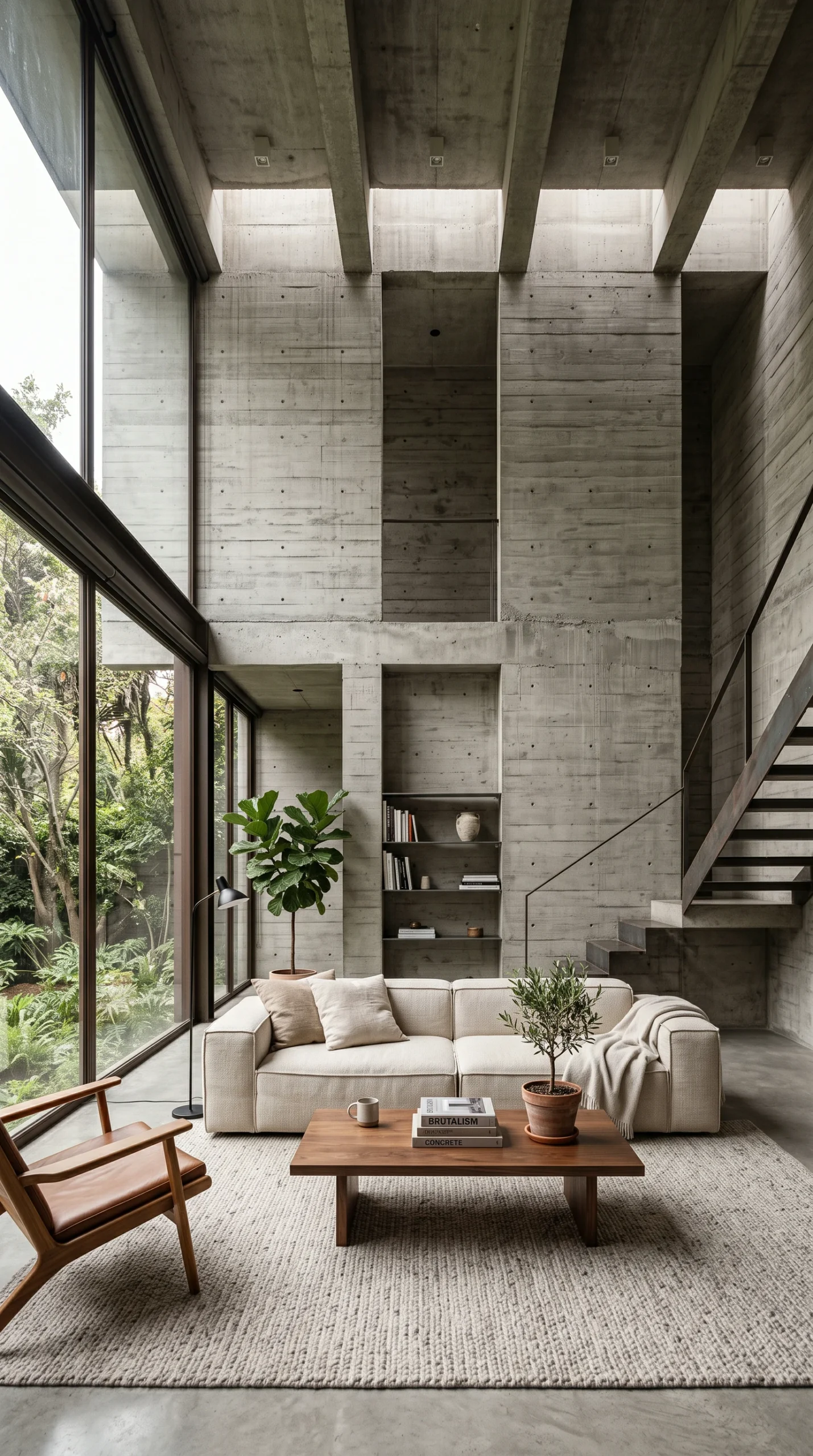
Designing a Brutalist living room is about balancing monumental architecture with deep domestic comfort. By pairing raw concrete and board-formed walls with low-slung modular seating, rich smoked walnut woodwork, plush wool rugs, and warm 2400K to 2700K lighting, you create a space that feels sculptural yet deeply welcoming.

Low Seating Height

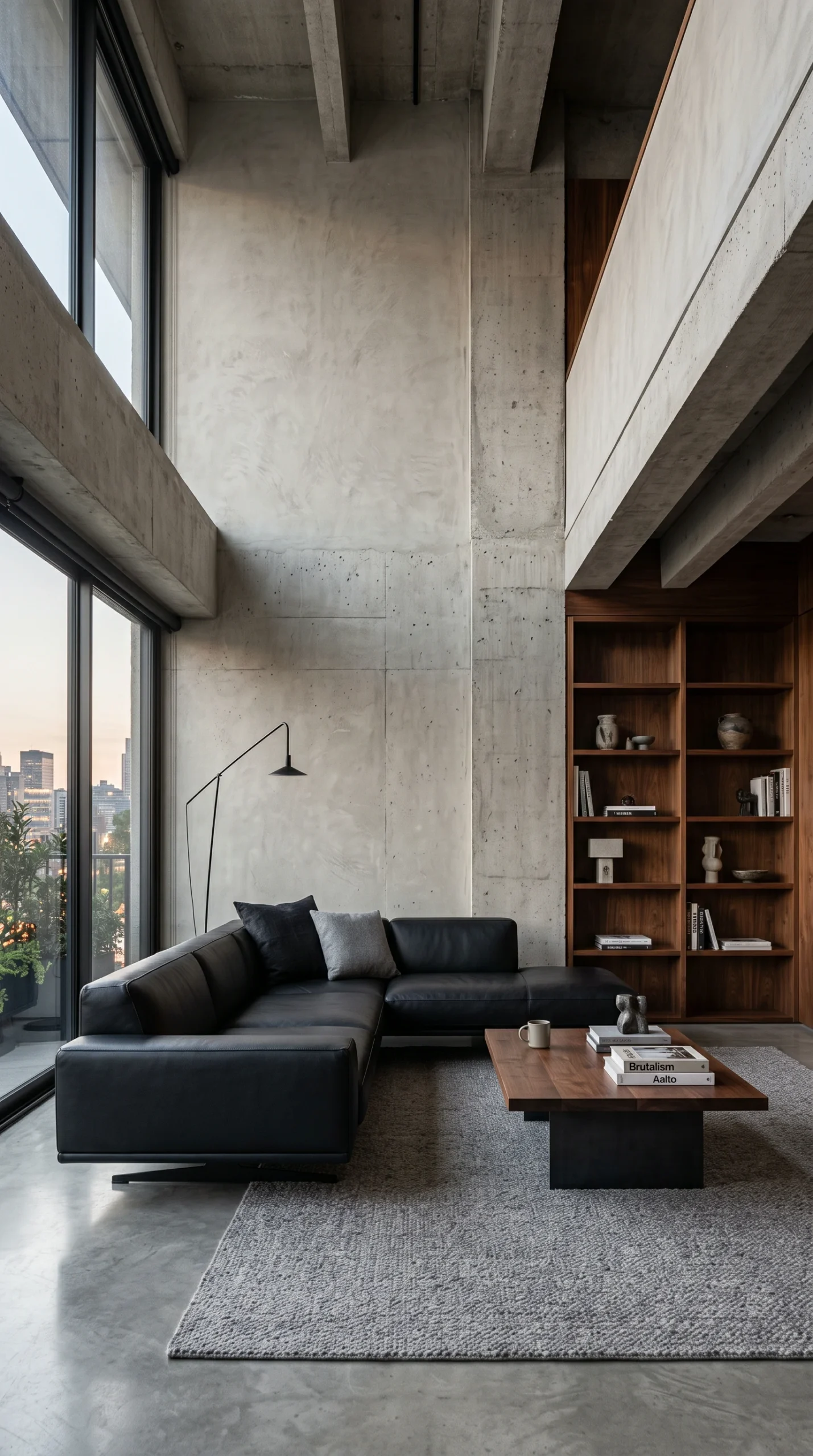
Choose modular sofas with seat heights between 16 and 18 inches from the floor to preserve horizontal sightlines and accentuate room volume.

Coffee Table Clearance

Maintain 14 to 18 inches between sofa and coffee table, keeping table height at 14 to 16 inches for comfortable legroom and easy reach.

Generous Rug Scaling

Extend area rugs at least 8 to 12 inches beyond sofa edges, choosing a dense 15 to 20 mm wool pile over a 1/4-inch felt pad to absorb echo.

Warm Ember Lighting

Use 2400K to 2700K dimmable LED cove lighting and oversized paper pendants to cast an intimate golden glow over cool concrete surfaces.

Monolithic Lounges, Smoked Walnut, and Raw Stone Fireplaces

Explore grand Brutalist living rooms featuring board-formed concrete walls, smoked walnut block tables, rust velvet accents, and stone fireplaces.

Essential Planning Checks for Brutalist Living Rooms

Review these spatial, acoustic, and material considerations before furnishing a concrete living space.

Maintain 36 to 42 Inch Corridors

Allow generous walkway clearances around rigid concrete plinths and stone hearths to prevent painful bumps.

Balance Masonry with Warm Embers

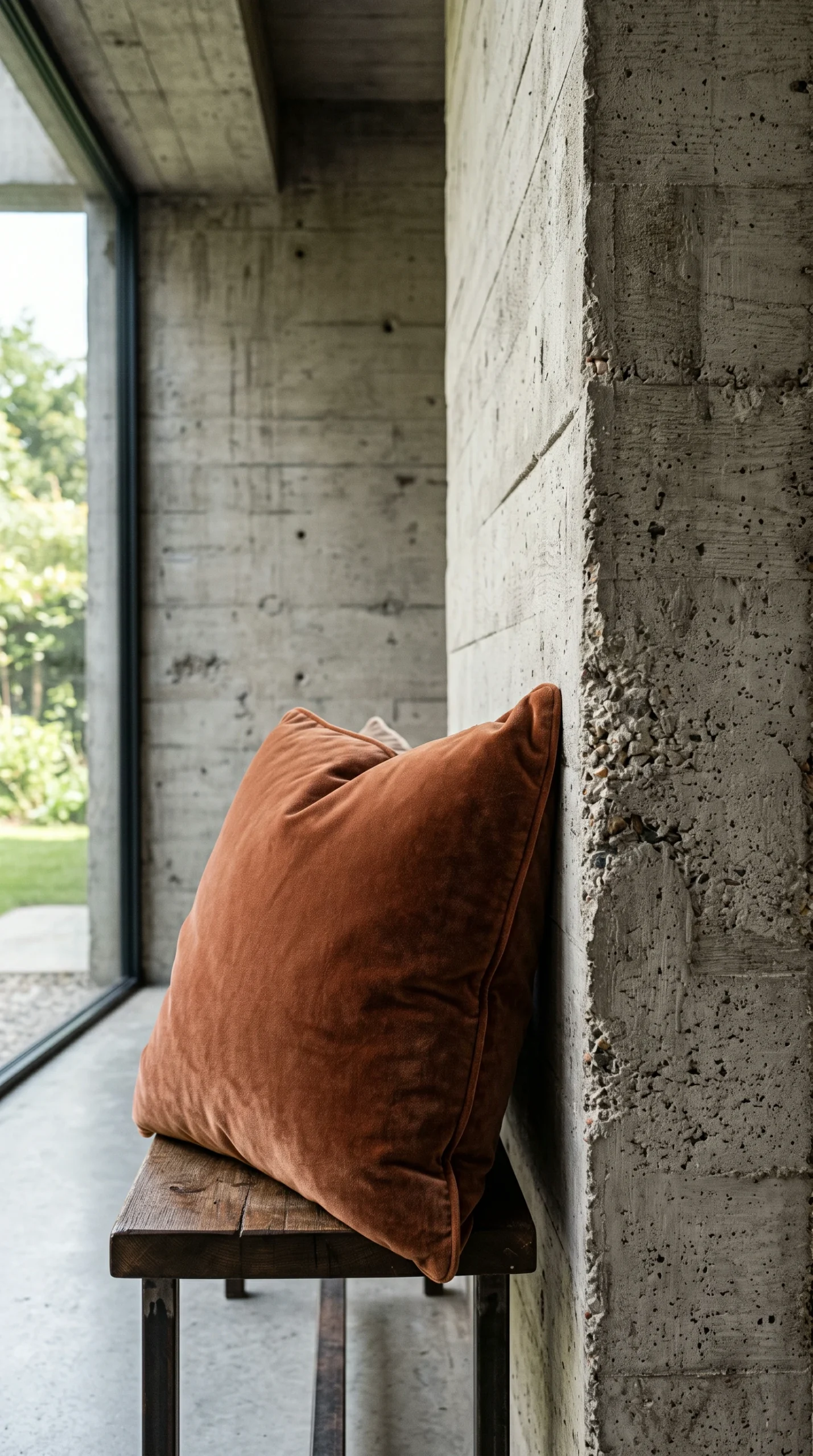
Layer smoked walnut joinery, cognac leather, and rusted earth velvet pillows against cool concrete walls for tactile warmth.

Scale Oversized Natural Rugs

Ensure rugs extend past seating frames with a 15 to 20 mm pile to deaden sound reverberation across concrete floors.

Hang Pool-Length Linen Drapes

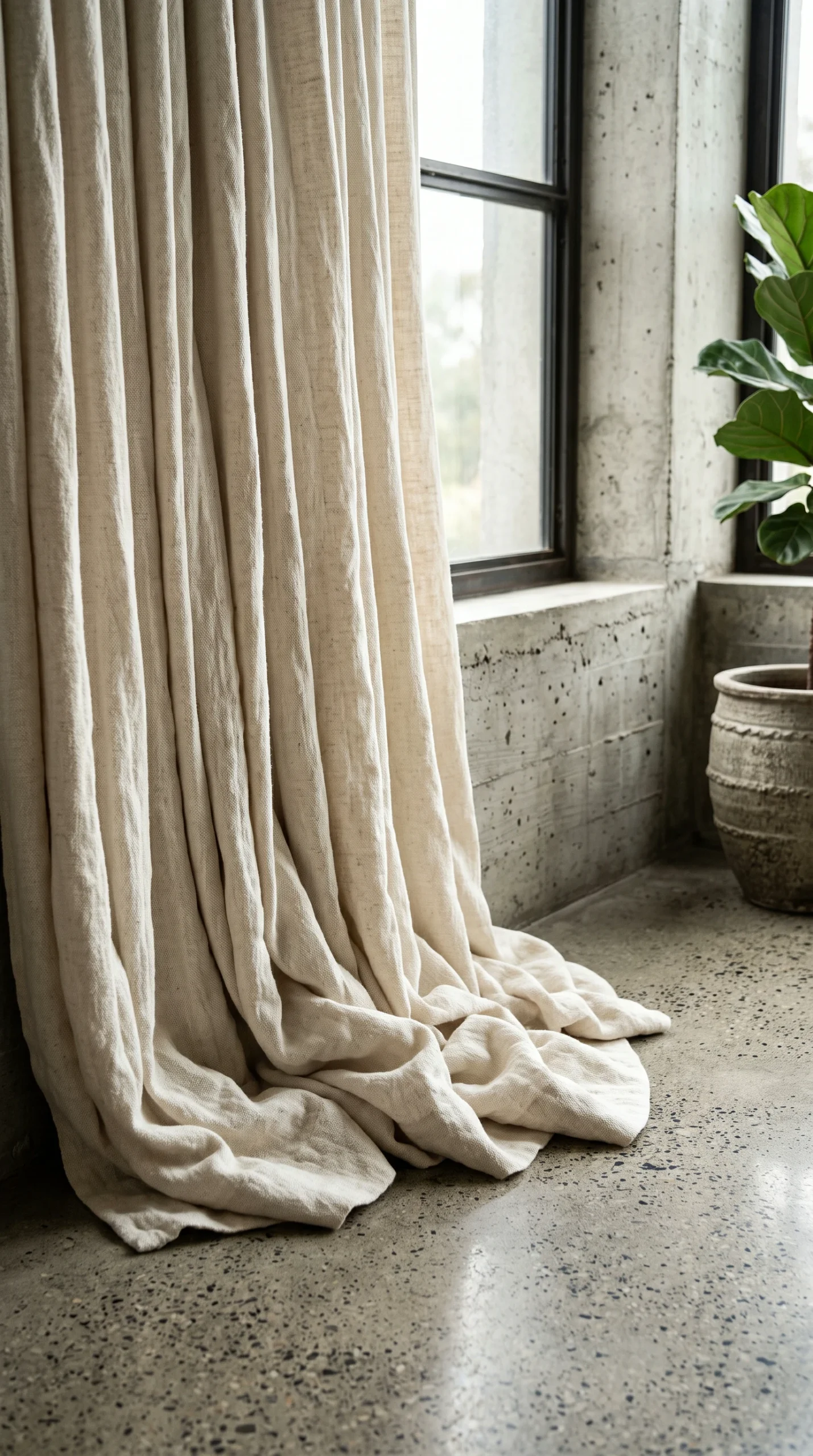
Install floor-to-ceiling heavy linen curtains that pool 1 to 2 inches on the floor to soften hard window frames and absorb street noise.

Graze Light Across Concrete Walls

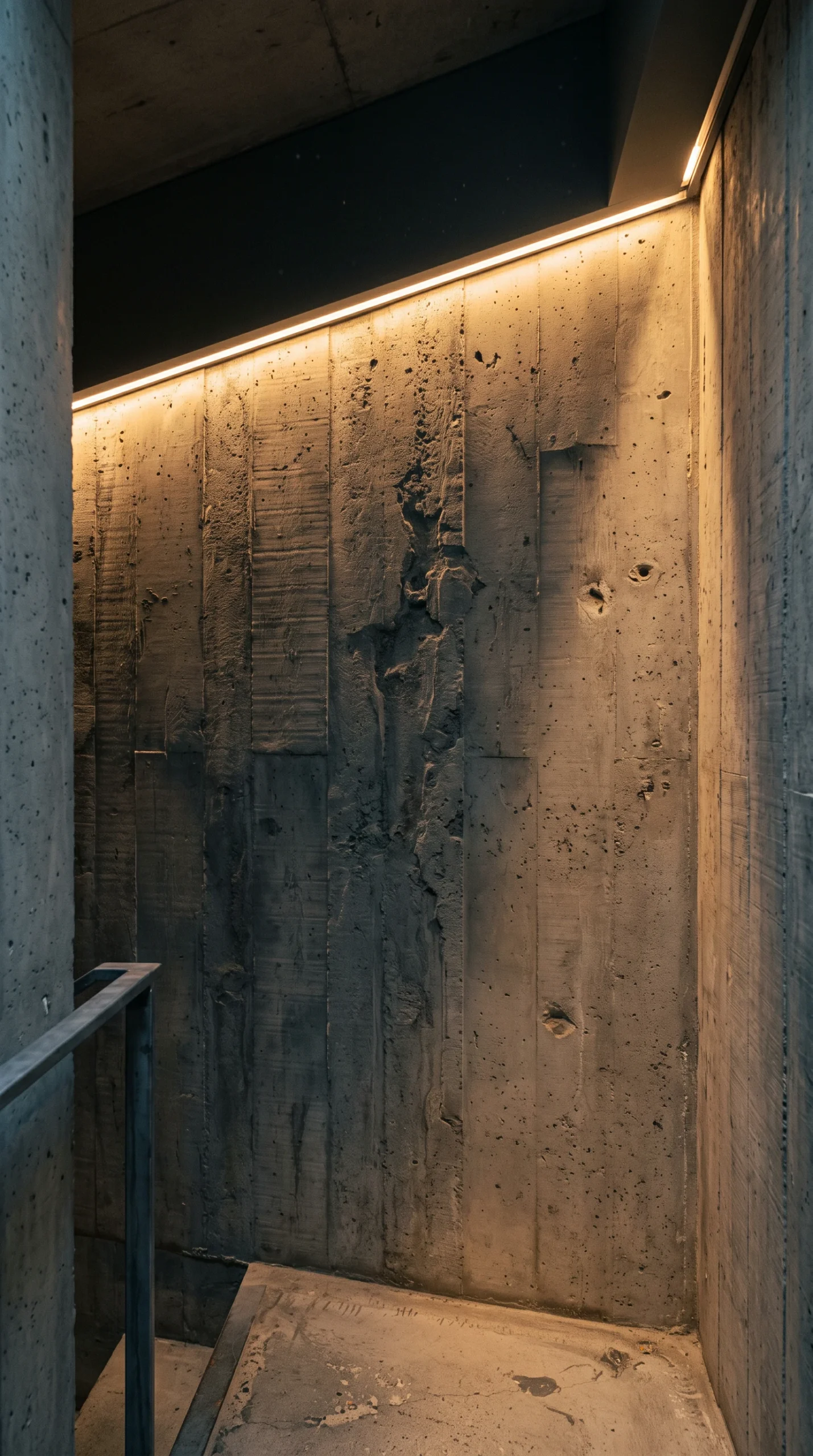
Use concealed LED cove wash lights to cast shallow-angle illumination across textured concrete, highlighting aggregate depth.

Designing a Grounded, Sophisticated Brutalist Living Room

The living room is where everyday life unfolds—hosting friends, relaxing with family, reading, and unwinding by the fire. When homeowners consider Brutalism for this communal space, they often fear the result will feel like a cold corporate lobby or an austere concrete bunker. Without intentional interior design, large spans of exposed masonry and raw concrete columns can indeed feel unapproachable.

A successful Brutalist living room achieves the opposite: it pairs the monumental grandeur of raw architectural structures with deep, tactile coziness. By layering low-slung modular seating, rich smoked walnut woodwork, plush wool textiles, and warm ember lighting, you can create a lounge that feels grounded, sophisticated, and remarkably comforting.

Spatial Proportions, Seating Ergonomics, and Clearances

Monolithic architecture demands furniture with substantial visual weight. Delicate, spindly furniture gets swallowed up by raw concrete walls, while poorly planned layouts can feel like an obstacle course.

Low-Slung Modular Seating

Brutalist architecture emphasizes strong horizontal lines and open ceiling volumes:

  • Ergonomic Low Cushion Heights: Select deep, modular sofas with a low seat cushion height between 16 and 18 inches (41 to 46 cm) from the floor. This grounded profile accentuates vertical wall heights and prevents tall sofa backs from interrupting sightlines across open-concept layouts.
  • Tactile Upholstery Textures: Counterbalance board-formed concrete walls with tactile, durable upholstery. Heavy textured linen in warm oat, soft wool boucle, or pure obsidian leather adds organic variation that softens industrial surroundings.
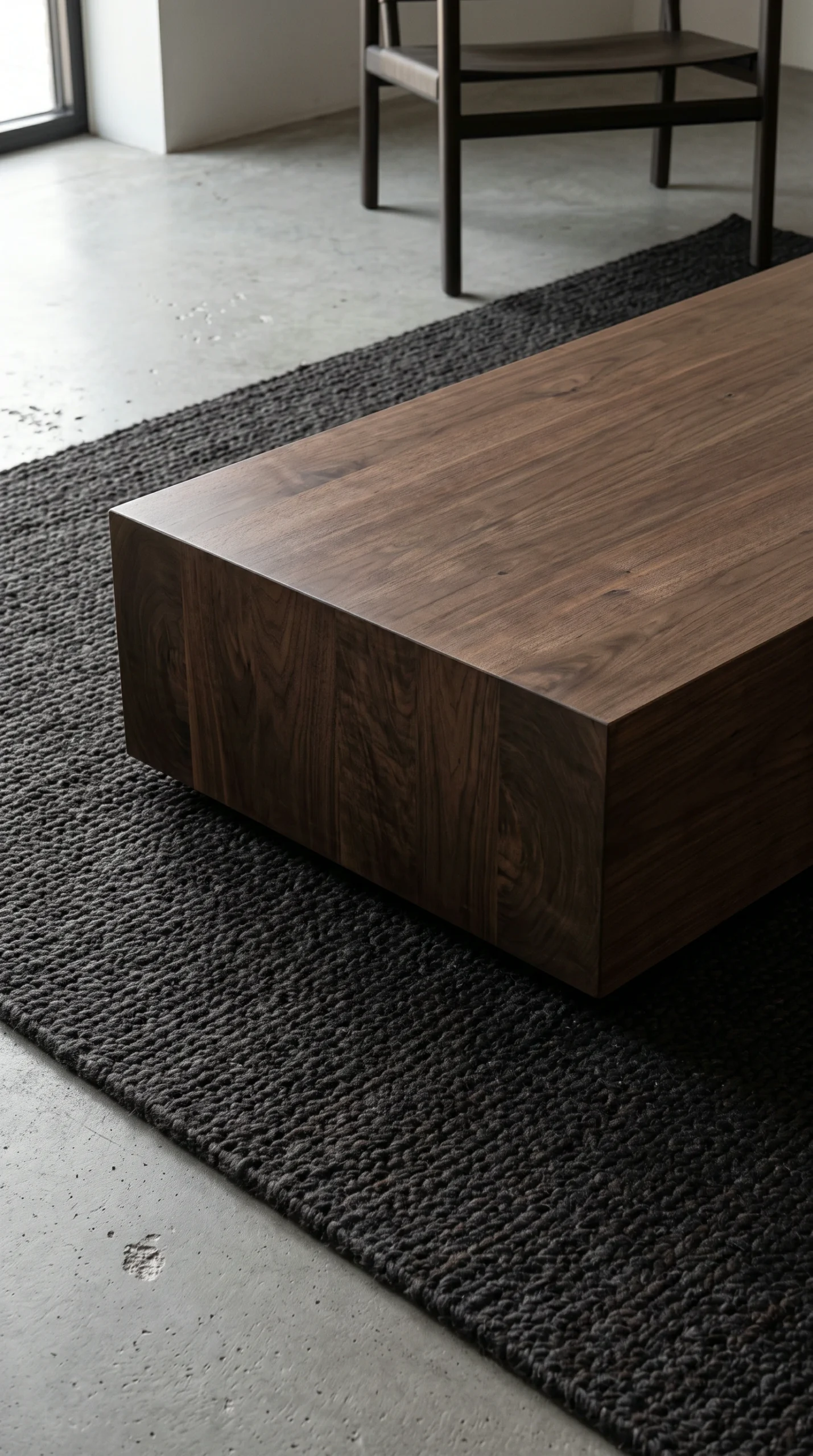
  • Generous Coffee Table Proportions: Anchor the seating circle with a monolithic coffee table crafted from solid smoked walnut, raw volcanic basalt, or cast concrete sitting 14 to 16 inches high (level with or 1 to 2 inches lower than sofa cushions). Maintain a clearance of 14 to 18 inches (36 to 46 cm) between the sofa edge and coffee table to provide comfortable legroom while keeping drinks within reach.

For more advice on proportioned seating and monolithic credenzas, explore our guide to Brutalist furniture ideas.

Generous Transit Corridors

Because stone plinths and masonry coffee tables are unyielding:

  • Primary Walkway Clearances: Maintain at least 36 to 42 inches (91 to 107 cm) of clear circulation space around heavy coffee tables, fireplace hearths, and behind the sofa. This buffer prevents painful bumps against unyielding masonry corners.
  • Conversation-Oriented Layouts: Arrange seating in a face-to-face U-shape or L-shape configuration centered on an architectural fireplace rather than pointing all chairs toward a television screen.

To see how these layout clearances work in compact urban homes, review our dedicated guide to small Brutalist apartment ideas.

The Monolith and Ember Palette: Tactile Color Balancing

Living with concrete does not mean living in a monochrome grey vacuum. Warm, earthy accent colors bring raw masonry to life.

Introducing Warmth Through Earth Tones

The secret to a cozy Brutalist living room is the contrast between cool stone and warm organic hues:

  • Ember and Rust Accents: Layer plush rusted earth velvet throw pillows, burnt sienna ceramic vessels, or cognac leather accent chairs against cool grey concrete columns. The warm reddish-brown undertones immediately make the room feel hospitable.
  • Smoked Timber Joinery: Incorporate rich smoked European oak or walnut for floating wall shelves, media consoles, and coffee tables. Wood grain introduces biological warmth and tactile softness where hands rest.
  • Dark Slate and Charcoal Anchors: Deep charcoal plaster, blackened steel hardware, and obsidian stone balance pale grey concrete, adding crisp visual contrast.

For a detailed breakdown of undertone pairings and swatch formulas, consult our comprehensive guide to Brutalist color palette ideas.

Acoustic Damping and Window Treatments

High ceilings, concrete floors, and expansive glass windows create severe acoustic flutter echo if not properly buffered. Taming sound is essential for a peaceful living room.

Generous Area Rug Sizing

An undersized rug makes a large living room feel cold and disjointed:

  • Expansive Rug Proportions: Choose an area rug that extends at least 8 to 12 inches (20 to 30 cm) beyond either side of the sofa frame. In standard living rooms, a 9×12 foot (270×360 cm) or 10×14 foot rug ensures that front legs of all primary seating sit firmly on the rug surface.
  • Dense Natural Wool Pile: Select a rug with a thick 15 to 20 mm wool pile, or a heavy hand-knotted flatweave installed over a 1/4-inch dense felt pad. Natural wool fibers trap footstep impacts and absorb ambient conversation noise.

Pool-Length Linen Drapery

Window dressings soften the hard industrial geometry of concrete walls and steel-framed windows:

  • Hang floor-to-ceiling unlined heavy linen curtains in warm cream or sandstone, allowing the fabric to pool gently (1 to 2 inches) on polished concrete floors.
  • Deep textile folds absorb exterior traffic noise while diffusing harsh daytime sunlight into soft ambient illumination.

To explore how soft textiles balance concrete throughout the rest of your home, read our guide to soft Brutalism interior design.

Monumental Fireplaces and Sculptural Hearth Design

A grand, raw stone or board-formed concrete fireplace serves as the natural heart of a Brutalist living room:

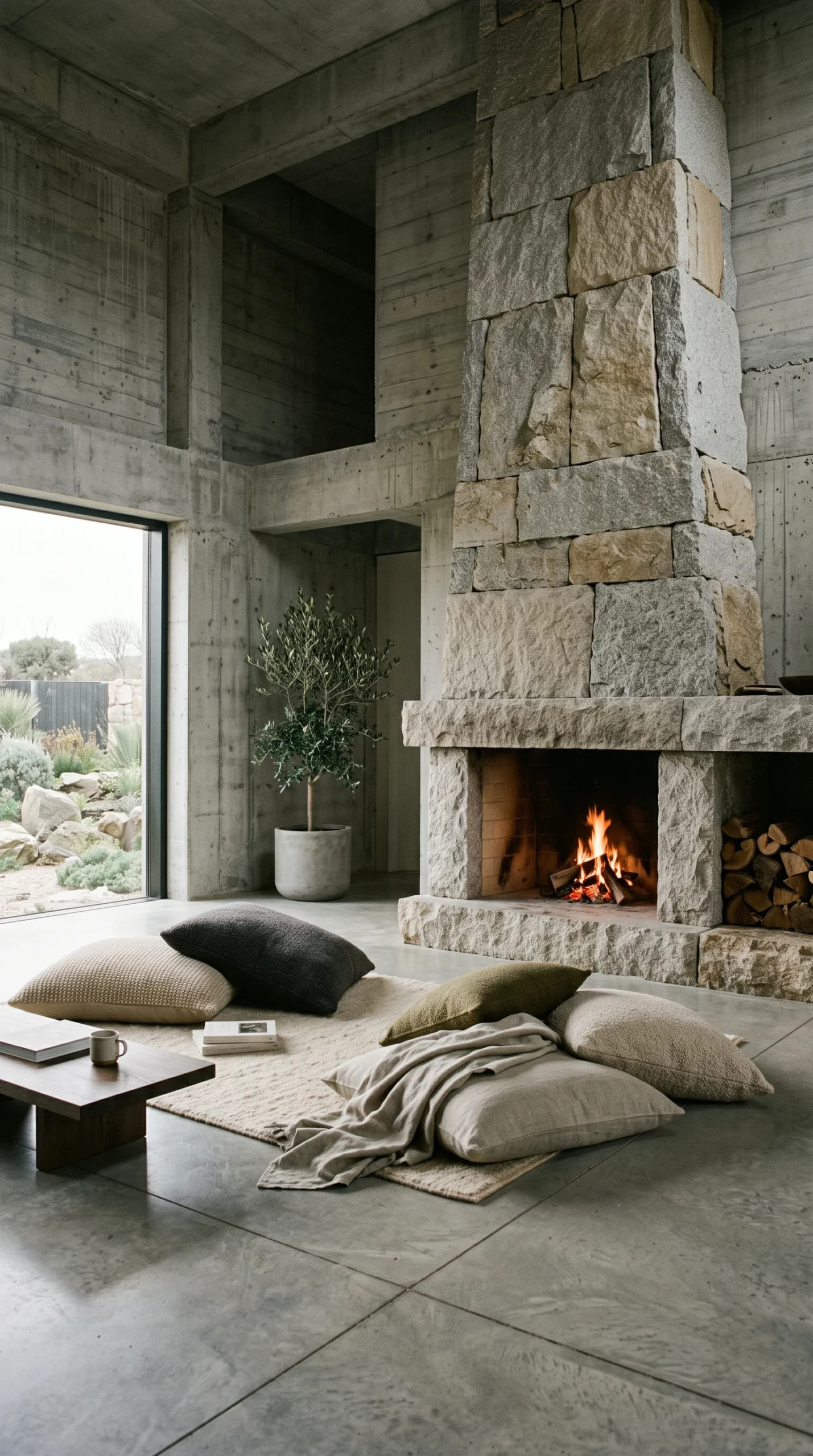
  • Full-Height Chimney Breasts: Extend raw concrete or stacked basalt chimney breasts all the way to the ceiling slab, celebrating vertical architectural mass.
  • Cantilevered Concrete Hearths: Cast a low, floating concrete bench 14 to 16 inches above the floor extending past the firebox. This provides a fireside seat and an unadorned display ledge for large raw stone sculptures or logs.
  • Low Floor Seating: Complement the hearth with oversized, low-profile leather or canvas floor cushions for relaxed fireside gatherings.

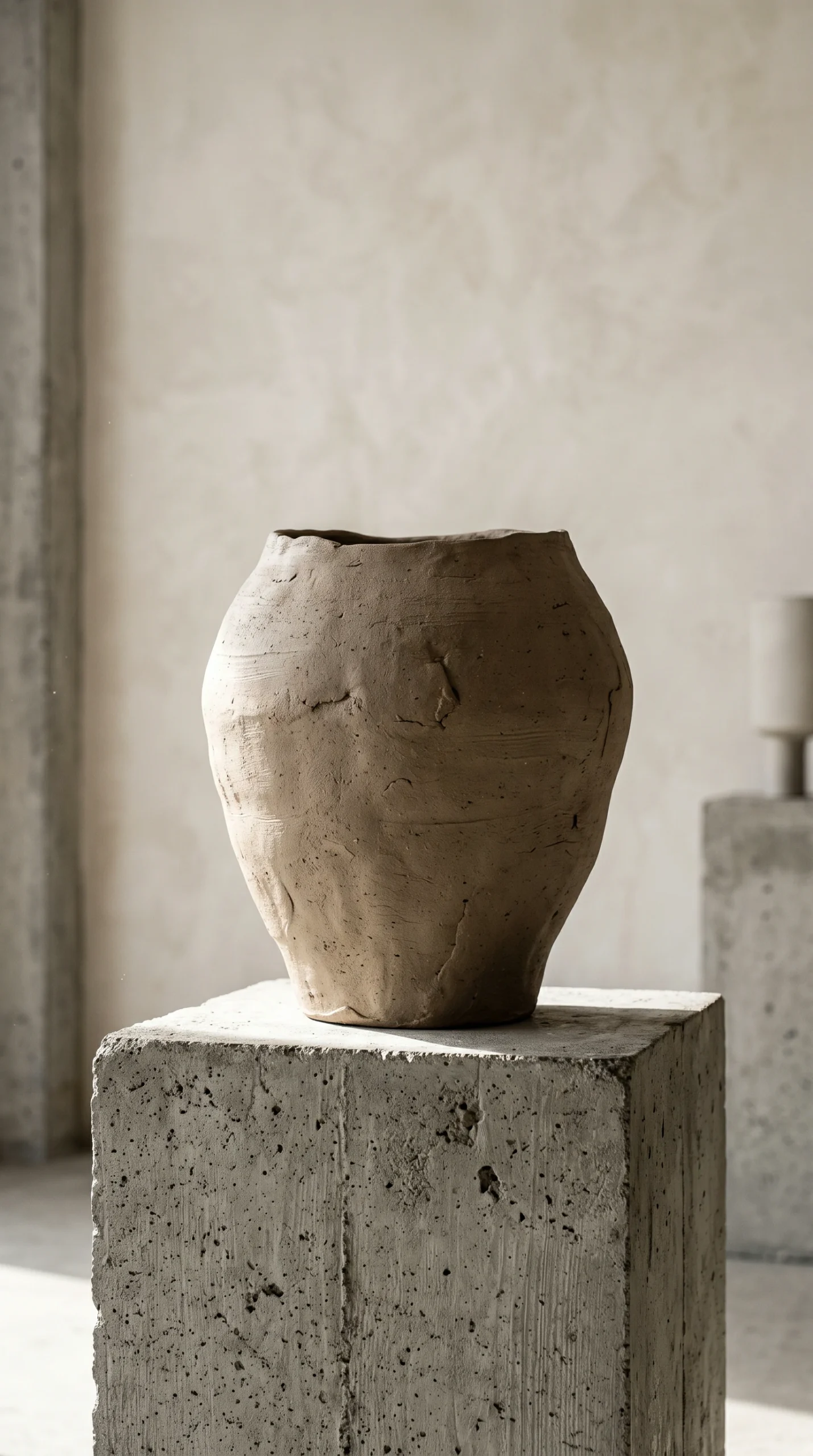
For guidance on styling raw ceramic vessels and monolithic accents, explore our guide to Brutalist decor ideas.

Layered Lighting: Cove Grazing and Diffused Warmth

Harsh overhead recessed spotlights ruin the mood of a Brutalist living room by casting sharp, cold shadows. Warm, layered illumination creates an intimate evening atmosphere.

Indirect Wall Grazing

Highlight the tactile texture of raw masonry without glare:

  • Concealed LED Cove Lighting: Tuck dimmable LED strip channels behind ceiling soffits or low floating credenzas to wash light across blue-stone grey concrete walls. Grazing light highlights timber grain patterns in board-formed concrete and sand aggregate in plaster.
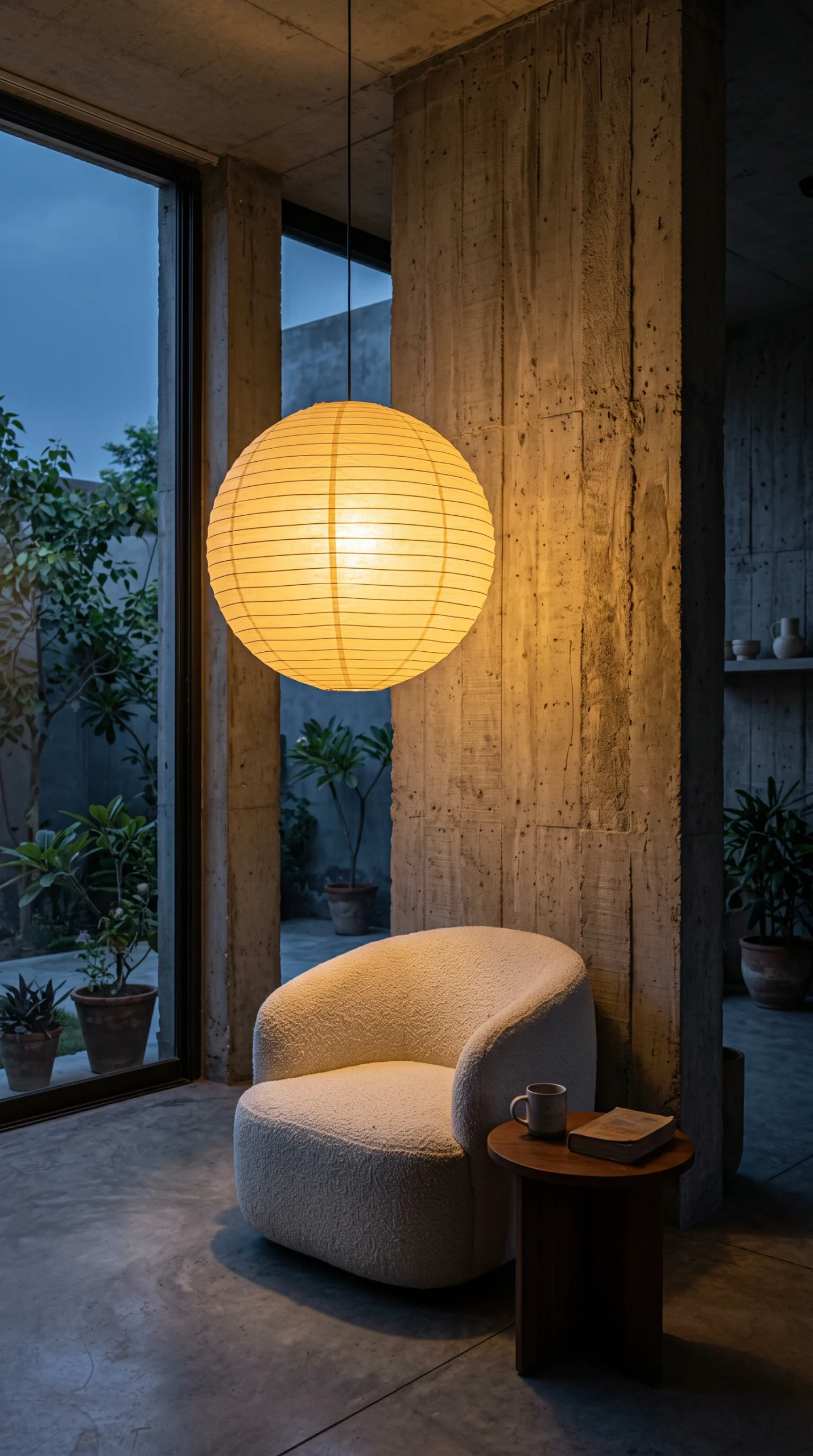
  • 2400K to 2700K Warm Spectrum: Keep all light bulbs strictly within the 2400K to 2700K warm white spectrum (CRI 90+). The warm golden glow counteracts concrete’s industrial chill, transforming the living room into an inviting retreat at dusk.
  • Oversized Paper Lanterns: Suspend a monumental Japanese washi paper pendant light (measuring 60 to 80 cm in diameter) over the coffee table, hung at least 7 feet (2.1 m) above the floor. Paper diffuses light evenly, providing a soft glowing focal point in a cavernous room.

To see how these lighting and texture principles flow into private zones, review our guide to Brutalist bedroom ideas, and discover culinary applications in Brutalist kitchen ideas.

Real-World Drawbacks and Maintenance Realities

Living with a Brutalist lounge involves practical considerations that every homeowner should anticipate:

Bruising Hazards on Masonry Furniture: Solid cast-concrete and thick timber block coffee tables have completely rigid, unyielding corners. In dim evening lighting, bumping a shin or knee against a 300-pound solid block causes painful bruising. Maintain generous 36 to 42 inch circulation pathways, or choose rounded or chamfered stone edges.

Acoustic Flutter in High-Ceiling Rooms: If a living room has tall ceilings, bare concrete walls, and polished floors, playing music or hosting multiple conversations can create a loud, hollow echo. Generous wool area rugs, plush upholstered furniture, and pooling curtains are functional necessities, not just decorative options.

Thermal Coldness Underfoot: Concrete floors have high thermal mass, meaning they absorb and draw heat away from your feet during winter. Installing radiant hydronic floor heating beneath microcement is the ultimate luxury; otherwise, plan for expansive wool rugs and keep heavy felt slippers accessible for family and guests.

Staining on Oiled Timber and Raw Stone: Setting down sweating cold beverage glasses or hot coffee mugs directly on unsealed smoked walnut or raw concrete tables can leave permanent water rings or tannin stains. Always keep a stack of cork, leather, or slate coasters on your coffee table.

By balancing monumental masonry architecture with ergonomic modular seating, sound-damping textiles, rich earth tones, and warm indirect lighting, your Brutalist living room will become the comfortable, enduring centerpiece of your home. To explore our master architectural framework, consult our pillar guide to modern Brutalist interior design ideas.

Frequently Asked Questions About Brutalist Living Rooms

Practical answers on softening concrete living spaces, coffee table clearances, rug sizing, and lighting color temperatures.
Balance cool concrete surfaces with warm, tactile materials: specify low-profile modular sofas upholstered in heavy linen or wool boucle, add rich smoked walnut or oak joinery, layer thick natural wool area rugs, and use warm 2400K to 2700K lighting on dimmer switches.
Target a sofa seat cushion height of 16 to 18 inches (41 to 46 cm) from the floor. A low profile aligns with the horizontal grounding of Brutalist architecture, keeping sightlines open and emphasizing ceiling height.
Maintain a distance of 14 to 18 inches (36 to 46 cm) between the front edge of the sofa and the coffee table. This gap provides ample legroom while keeping drinks, books, and trays within arm’s reach.
The coffee table should sit level with or 1 to 2 inches lower than the sofa seat cushions—typically 14 to 16 inches high. This keeps sightlines clear across the room and preserves a relaxed, grounded posture.
Maintain primary circulation walkways at least 36 to 42 inches (91 to 107 cm) wide. Because solid concrete, stone hearths, and timber block tables have rigid, unyielding corners, generous walkways prevent painful bumps.
Hard concrete and glass bounce sound waves continuously. Lay down an expansive 9×12 or 10×14 foot wool area rug (15 to 20 mm pile) over a 1/4-inch felt pad, hang pool-length heavy linen curtains, and incorporate upholstered seating to eliminate flutter echo.
Select an area rug that extends at least 8 to 12 inches (20 to 30 cm) beyond either side of the sofa. Ensure that at least the front legs of the sofa, accent chairs, and coffee table rest firmly on the rug to visually anchor the conversation grouping.
Use warm white LED bulbs between 2400K and 2700K with a 90+ CRI. The warm golden light neutralizes the cold blue-grey undertones of concrete, casting an intimate, hospitable glow across masonry walls.
Solid block coffee tables can weigh between 150 and 400 pounds, making them almost impossible to move without help. Their rigid corners can cause painful bruised shins, and unsealed wood or stone easily absorbs water rings and oil stains.
Concrete draws heat away from bare skin quickly. Installing hydronic radiant in-floor heating during renovation is ideal. Alternatively, layer plush wool area rugs, keep thick wool throws on seating, and maintain a consistent indoor ambient temperature.