Brutalist Bedroom Ideas for Calm, Grounded Rest

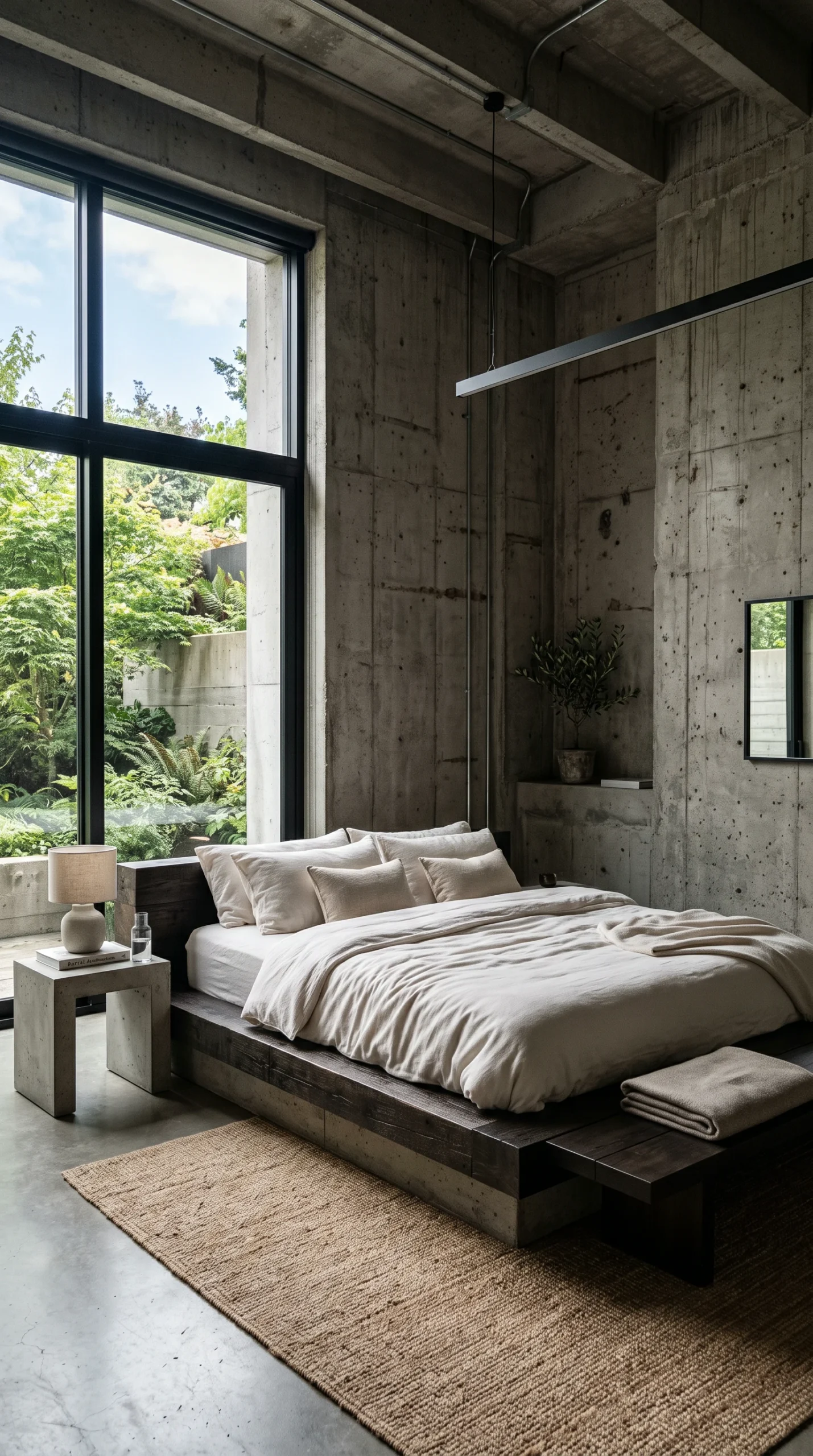
Designing a Brutalist bedroom is about creating a grounding, cave-like sanctuary that eliminates visual noise to foster deep sleep. By pairing raw concrete and textured plaster with ergonomic platform beds, breathable timber slats, and warm 2200K to 2700K circadian lighting, you achieve monumental luxury without sacrificing comfort.

Platform Bed Height

Target an overall bed height of 16 to 20 inches from floor to mattress top, balancing a low grounded silhouette with easy standing mobility.

Ventilated Bed Slats

Use timber slats spaced 2 to 3 inches apart to allow airflow beneath the mattress and prevent moisture and mold buildup on masonry floors.

Walkway Clearances

Maintain at least 32 to 36 inches of unobstructed circulation space around the bed perimeter and in front of wardrobes.

Circadian Warmth

Equip bedroom fixtures with 2200K to 2700K dimmable LED lighting to neutralize cold concrete tones and support natural sleep cycles.

Monolithic Platforms, Raw Concrete, and Layered Bedding

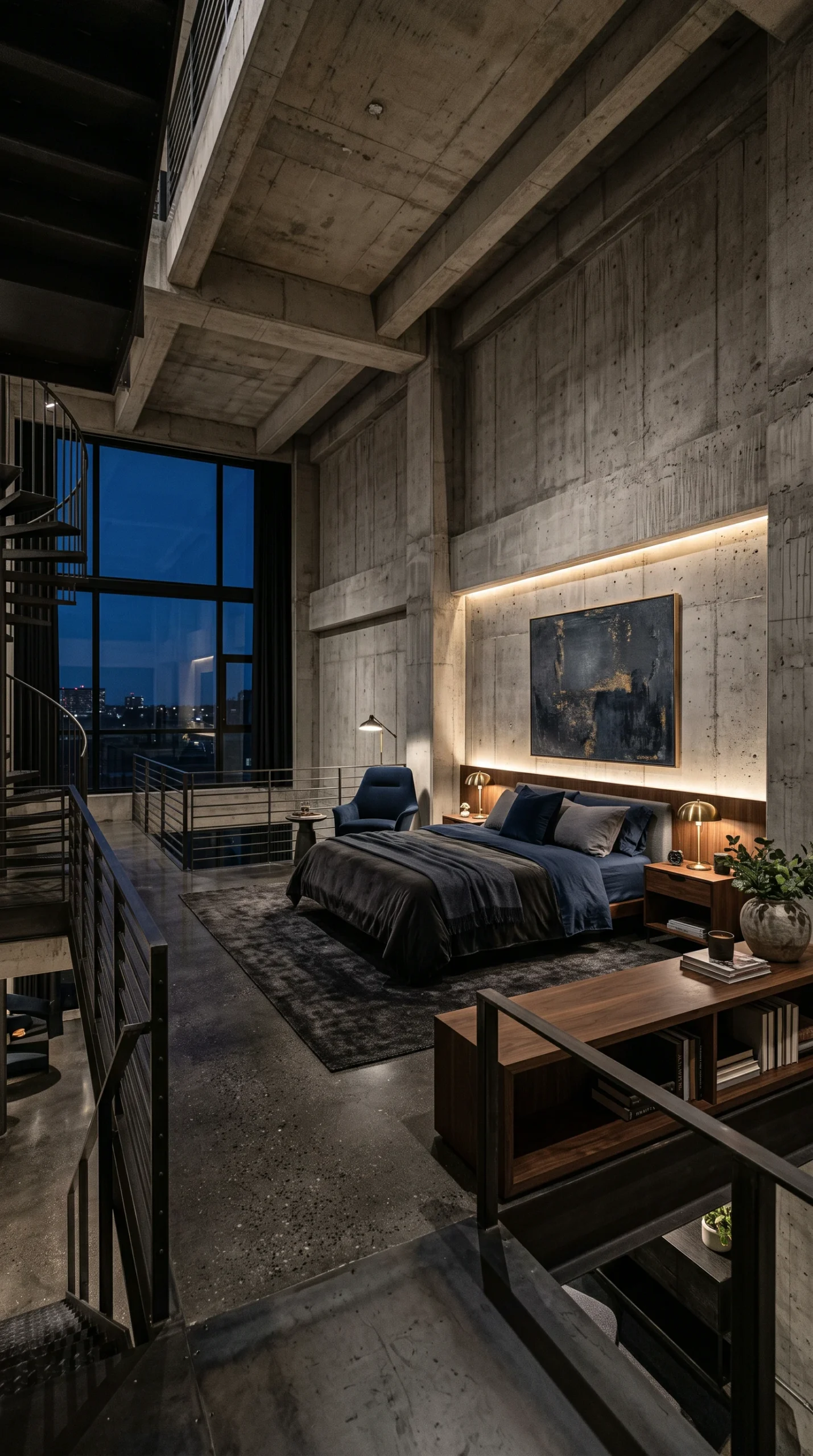
Explore serene Brutalist bedrooms featuring exposed concrete walls, floating cantilevered nightstands, heavy wool blankets, and aged brass sconces.

Essential Planning Checks for Brutalist Bedrooms

Review these critical ergonomic, ventilation, and acoustic considerations before furnishing and styling a concrete bedroom.

Ensure Mattress Slat Airflow

Never place mattresses directly on concrete slabs; use timber slats spaced 2 to 3 inches apart to prevent condensation and mold.

Seal Raw Concrete Walls

Apply a breathable matte acrylic sealer to exposed concrete and board-formed walls to prevent fine stone dust from shedding onto bedding.

Map Perimeter Clearances

Maintain 32 to 36 inches of clear floor space around bed edges and wardrobes for comfortable, safe nighttime movement.

Layer Sound-Damping Rugs

Place a dense wool area rug extending 24 to 30 inches past the bed over a 1/4-inch felt pad to eliminate room echo.

Install Concealed LED Grazing

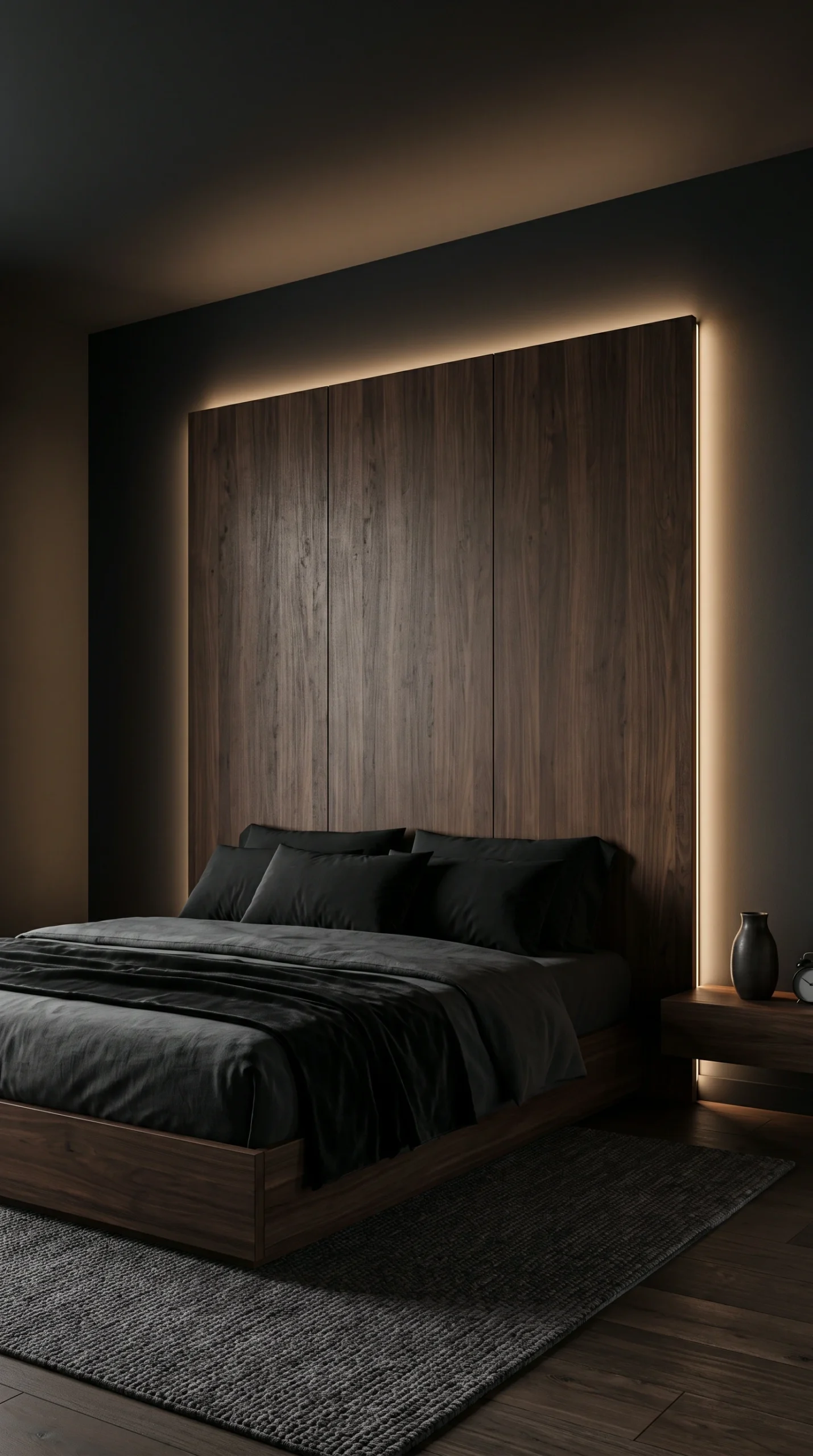
Hide 2200K to 2700K warm LED strips behind headboard reveals to highlight raw concrete textures with soft indirect illumination.

Designing a Grounded Brutalist Bedroom for Restorative Sleep

Most bedroom design advice pushes homeowners toward soft pastels, frilly layers, and busy wall decor that can feel cluttered and restless. A Brutalist bedroom offers a dramatic, grounding alternative. By embracing the monolithic power of raw concrete, textured stone, dark charcoal plaster, and unadorned structural mass, you can create a quiet, cave-like sleeping chamber that shields you from external sensory noise and encourages deep, uninterrupted sleep.

However, translating Brutalism into a bedroom requires careful calibration. Raw concrete and exposed masonry can quickly feel like an uninviting industrial basement if you omit ergonomic bed heights, acoustic buffers, and warm circadian lighting. This guide outlines how to balance monumental architecture with tactile bedding, proper clearances, and daily comfort.

Monolithic Bed Architecture and Platform Joinery

The bed is the visual and functional anchor of any bedroom. In a Brutalist interior, the frame should feel sculpted from the room itself rather than assembled from flimsy flat-pack parts.

Low-Profile Platform Proportions

A low center of gravity accentuates ceiling height and establishes a grounded, meditative presence:

  • Ergonomic Platform Height: Target an overall bed height between 16 and 20 inches (41 to 51 cm) from the finished floor to the top of the mattress. This preserves a low, monolithic silhouette while ensuring that sitting down and standing up does not strain knee or hip joints.
  • Chunky Upholstered Plinths vs. Cast Concrete: While solid poured-concrete bed frames look striking in architectural portfolios, they are completely immovable and cold to the touch. A practical solution is a chunky, low-profile wooden plinth upholstered in heavy slate wool or dark textured linen set flush against a raw stone or board-formed concrete accent wall.
  • Ventilated Slat Spacing: Never place a standard mattress directly onto a non-porous concrete or microcement slab. Overnight body heat against cold concrete creates condensation underneath the mattress, causing moisture buildup and mold. Always integrate a supportive timber sub-frame with slats spaced 2 to 3 inches apart to guarantee continuous air circulation.

For more insights on selecting proportioned furniture and architectural pieces, explore our guide to Brutalist furniture ideas.

Perimeter Clearances and Bedroom Circulation

Because monolithic furniture lacks visual transparency, maintaining generous walkways prevents the room from feeling cramped:

  • Walkway Clearances: Maintain at least 32 to 36 inches (81 to 91 cm) of open passage on both sides of the bed and along the foot. This clearance provides comfortable movement and allows wardrobe doors or drawers to open fully.
  • Cantilevered Floating Nightstands: Instead of heavy boxy bedside tables that crowd the floor, install floating concrete or dark oak shelves cantilevered 14 to 16 inches (36 to 41 cm) from the wall, secured into structural wall studs. Mount them level with or within 2 inches of the top of your mattress (16 to 18 inches high) for effortless access.

For compact spaces where room dimensions are restricted, review our specialized space-planning strategies in small Brutalist apartment ideas.

Tactile Bedding, Dark Textures, and Acoustic Balance

In a room surrounded by hard masonry, textiles carry the heavy burden of providing tactile comfort and acoustic quiet.

Layered Natural Bedding

Brutalist bedding favors raw, honest fibers that contrast with concrete planes:

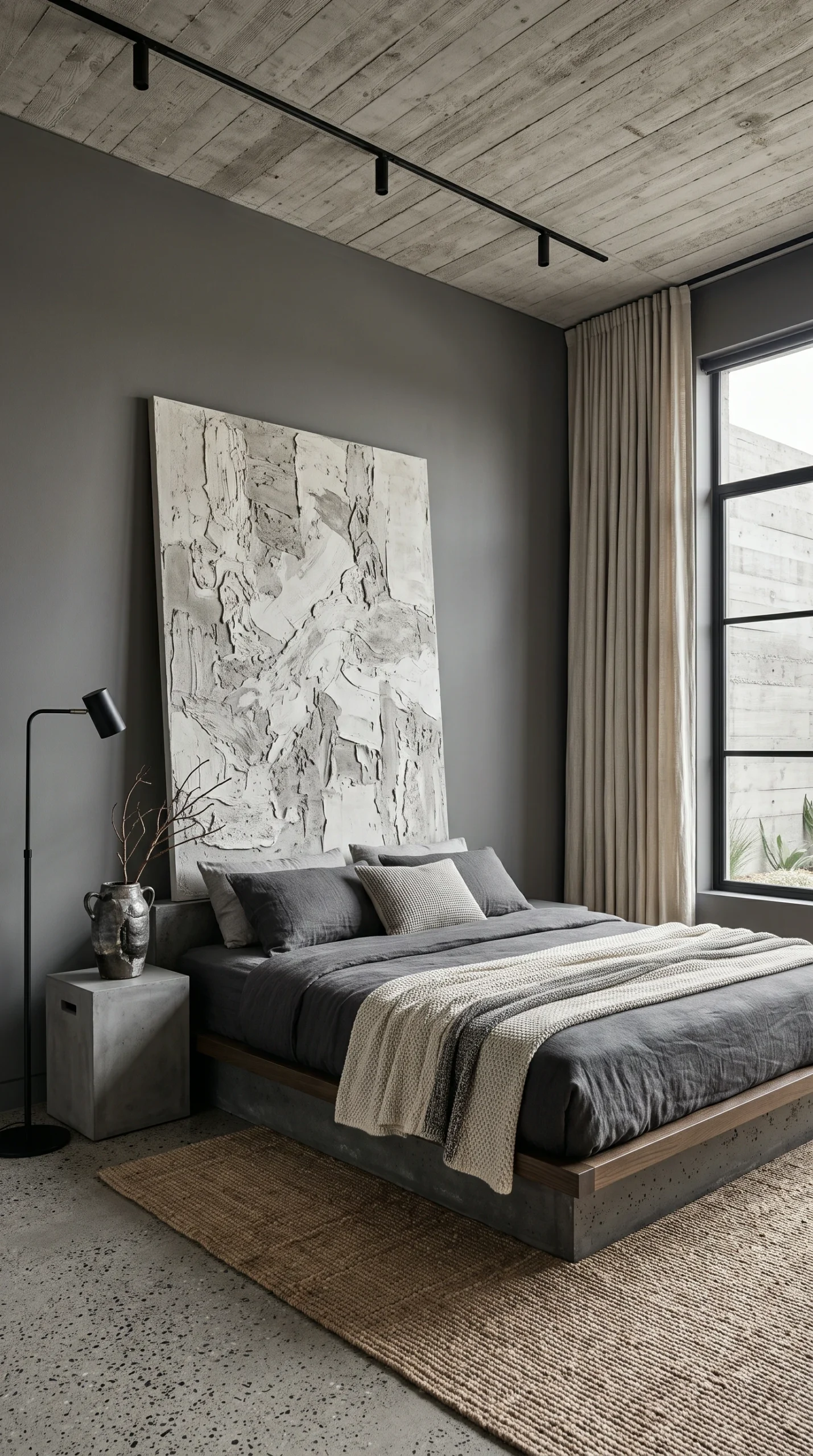
  • Heavy Washed Linen: Dress the bed in crisp, unironed white or oat linen sheets paired with a deep charcoal or slate duvet cover. The organic slub and subtle creasing of linen soften the rigid geometry of the room.
  • Chunky Wool Throws: Drape a thick, heavy-gauge charcoal or raw wool blanket across the foot of the bed. Wool provides tactile weight and thermal warmth, keeping the bed cozy when surrounding walls are cool.
  • Upholstered Headboard Cushions: Leaning directly against cold concrete to read in bed is uncomfortable. Fit a removable leather bolster or fixed slate fabric backrest behind your pillows to protect your head and shoulders from cold masonry surfaces.

To see how these dark charcoal and stone tones coordinate across the home, explore our guide to Brutalist color palette ideas.

Taming Bedroom Flutter Echo

Sound waves bounce off bare concrete, stone, and metal, making alarm clocks, footsteps, and conversation sound harsh. Acoustic softening is essential for restful sleep:

  • Generous Wool Area Rugs: Lay down an oversized natural wool rug that extends at least 24 to 30 inches beyond the sides and foot of the bed. A rug with a 15 to 20 mm pile height, paired with a 1/4-inch dense felt pad, absorbs footstep impacts and deadens room reverberation.
  • Textured Plaster Wall Reliefs: Instead of hanging glossy framed posters that reflect sound, lean a large, unframed monochromatic textured plaster artwork against a dark wall. Rough plaster scatters sound waves and adds tactile depth.
  • Floor-to-Ceiling Drapery: Install heavy unlined wool or double-layered linen drapery across windows on concealed ceiling tracks to absorb exterior noise.

To explore how these acoustic principles soften living spaces, visit our guide to Brutalist living room ideas.

Circadian Lighting Design and Wall-Grazing Accents

Overhead recessed downlights wash out concrete textures and cast unflattering shadows. A Brutalist bedroom requires low-level, warm illumination that transforms raw masonry into a comforting, architectural sanctuary.

The 2200K to 2700K Warm Spectrum

Light color temperature controls evening melatonin release:

  • Ultra-Warm Spectrum: Use dimmable 2200K to 2700K warm white LED sources with a high Color Rendering Index (CRI 90+). The warm golden spectrum neutralizes the cold blue-grey tint of concrete, casting an intimate amber glow across the bedroom.
  • Concealed Headboard Backlighting: Hide a continuous LED strip behind the top edge of a timber headboard or floating wall reveal. Grazing light upward across rough plaster or concrete highlights structural variations without shining directly into your eyes.
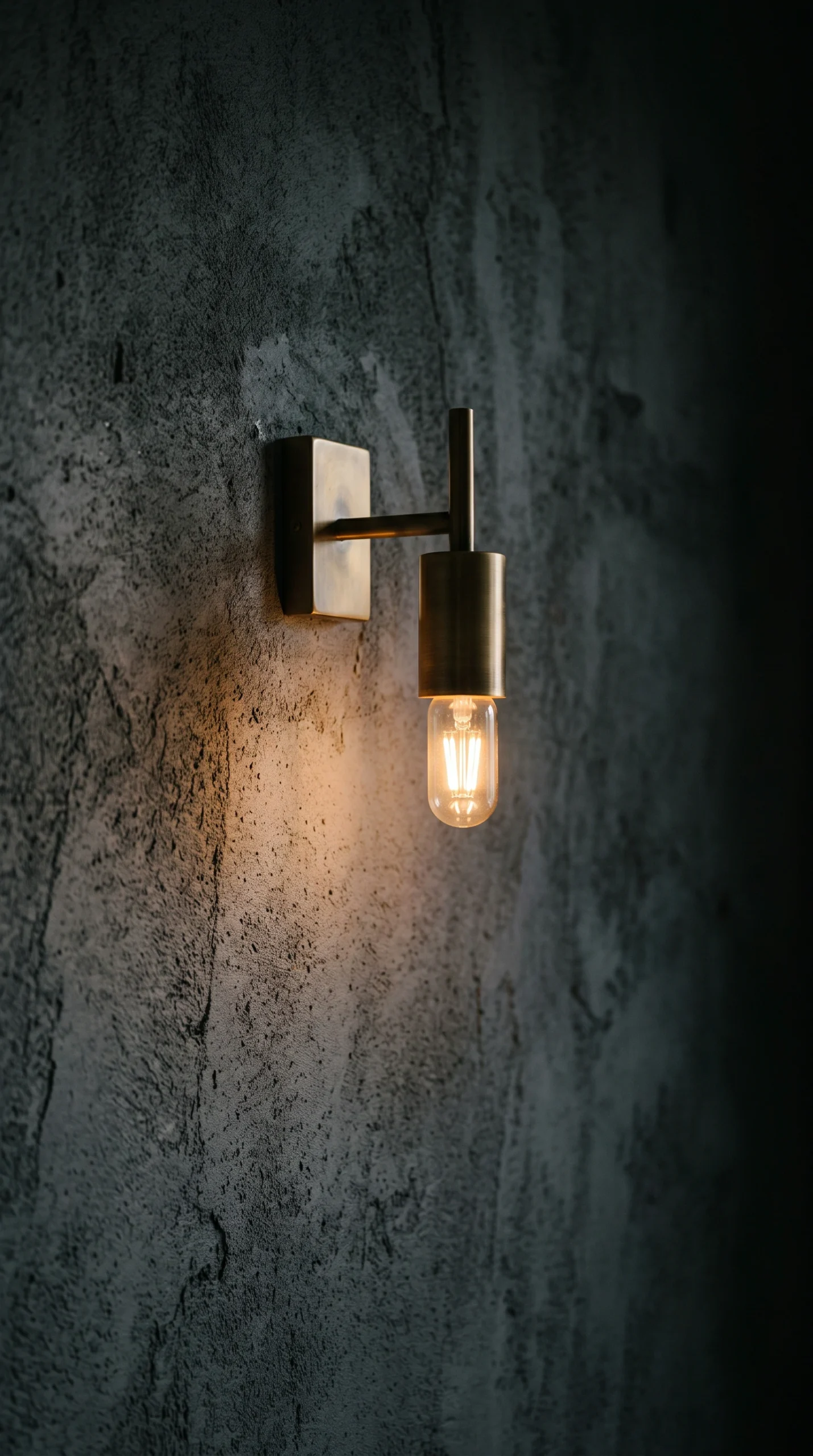
  • Aged Brass and Patinated Bronze Sconces: Mount directional reading sconces finished in aged brass or blackened bronze beside the bed. Warm metals introduce artisanal craftsmanship that contrasts against cool masonry.

For more sculptural accessories and vessels to pair with bedside lighting, review our guide to Brutalist decor ideas.

Connecting the Suite: Bathrooms and Wet Rooms

In modern master suites, the Brutalist bedroom often flows directly into an open-plan bath or ensuite wet room. Creating a continuous material dialogue between both spaces enhances visual scale:

  • Continue polished microcement or dark bluestone tile flooring from the bedroom directly into the bathroom without abrupt transition strips.
  • Pair the bedroom’s raw concrete walls with a carved stone basin, freestanding travertine soaking tub, and matte black fixtures in the bath.

To plan an interconnected spa ensuite, consult our dedicated guide to Brutalist bathroom ideas, and explore tactile material blending in our guide to soft Brutalism interior design.

Real-World Drawbacks and Maintenance Realities

Living with a Brutalist bedroom requires an honest understanding of daily maintenance trade-offs:

Concrete Dusting and Sealing: Raw concrete walls and rough board-formed surfaces naturally shed microscopic aggregate dust over time. If left untreated, fine stone dust will settle on your white pillows and sheets. All interior concrete walls must be sealed with a breathable, non-yellowing acrylic matte penetrating sealer to lock in dust without creating an artificial shine.

Thermal Inefficiency in Winter: Exposed concrete possesses high thermal mass but low insulating value. In uninsulated buildings, exterior-facing concrete walls can feel freezing to the touch during winter months, radiating cold air directly toward the bed. Ensure exterior walls are properly insulated behind board-formed panels, or keep the bed frame at least 4 to 6 inches away from uninsulated exterior walls.

Immovability of Heavy Furniture: Solid cast concrete nightstands, plinths, and stone benches can weigh well over 150 to 300 pounds. They cannot be easily shifted to vacuum underneath, and dragging them can gouge wooden or microcement floors. Fit heavy pieces with heavy-duty felt glides during initial installation.

Acoustic Clatter: Setting hard objects—such as glass carafes, wristwatches, or metal alarm clocks—down onto bare concrete nightstands produces a sharp clatter that can jar a sleeping partner. Keep leather desk pads, slate trays, or wool coasters on bedside surfaces to dampen noise.

By balancing monumental platform architecture with breathable slatted timber, sound-damping textiles, and warm circadian lighting, a Brutalist bedroom becomes an enduring, deeply restorative sanctuary. For an overarching look at designing an entire Brutalist home, explore our pillar guide to modern Brutalist interior design ideas.

Frequently Asked Questions About Brutalist Bedrooms

Practical answers on platform bed heights, concrete dust prevention, thermal comfort, and bedroom lighting in Brutalist interiors.
No. Placing a mattress directly on a non-porous concrete or microcement surface traps body moisture released during sleep, leading to condensation, mildew, and mattress rot. Always install a supportive sub-frame with wooden slats spaced 2 to 3 inches (5 to 7.5 cm) apart to guarantee continuous air circulation.
Target an overall bed height of 16 to 20 inches (41 to 51 cm) from the floor to the top of the mattress. This preserves a low-slung, grounded monolithic aesthetic while ensuring comfortable ergonomics when sitting down or getting out of bed.
Raw concrete and rough board-formed feature walls naturally shed microscopic aggregate dust. Apply two coats of a breathable, non-yellowing acrylic matte penetrating sealer. This locks in dust particles without creating a synthetic, glossy finish.
Maintain at least 32 to 36 inches (81 to 91 cm) of open walking space along both sides and the foot of the bed. This clearance allows comfortable movement and ensures wardrobe doors and drawers can open freely without hitting the bed frame.
Bare concrete walls can radiate cold if not backed with proper exterior insulation. To maintain warmth, install radiant underfloor heating or layer dense wool area rugs, keep the bed frame 4 to 6 inches away from exterior walls, and fit an upholstered headboard bolster so skin never touches cold masonry.
Use ultra-warm dimmable LED fixtures between 2200K and 2700K with a 90+ Color Rendering Index (CRI). The golden amber light counteracts the cold blue-grey undertones of concrete, casting an intimate, cave-like glow that supports evening melatonin production.
Heavy washed linen and dense organic wool provide the best tactile contrast. Layer crisp white or oat linen sheets with deep charcoal or slate duvets, topped with a thick textured wool throw to soften the rigid geometry of the room.
Lay down an expansive wool area rug extending at least 24 to 30 inches beyond the bed frame over a 1/4-inch dense felt pad, hang heavy ceiling-to-floor linen or wool drapes across windows, and lean textured monochromatic plaster art against walls to scatter sound waves.
Cantilevered floating shelves should be 14 to 16 inches (36 to 41 cm) deep, anchored securely into wall studs. Mount them level with or within 2 inches of the top of your mattress—roughly 16 to 18 inches high—for effortless reach from bed.
Setting down glasses, watches, or metal lamps on hard concrete creates sharp clattering noises and can chip edges. Keep leather desk pads, slate coasters, or felt trays on top of the nightstand to absorb sound and prevent scratches.