Walk-In Closet Lighting Ideas to Make Your Closet Shine

Architectural closet lighting transcends mere visibility, transforming an enclosed wardrobe into a sophisticated private salon where fabric textures, subtle color nuances, and personal style come to life. By orchestrating a layered lighting scheme—combining high-CRI integrated LED channels, glare-free shelf diffusers, eye-level vanity sconces, and sculptural ambient chandeliers—homeowners eliminate harsh shadows and achieve accurate, daylight-grade fabric color rendering.

Curated Visual Gallery: High-Performance Architectural Closet Lighting

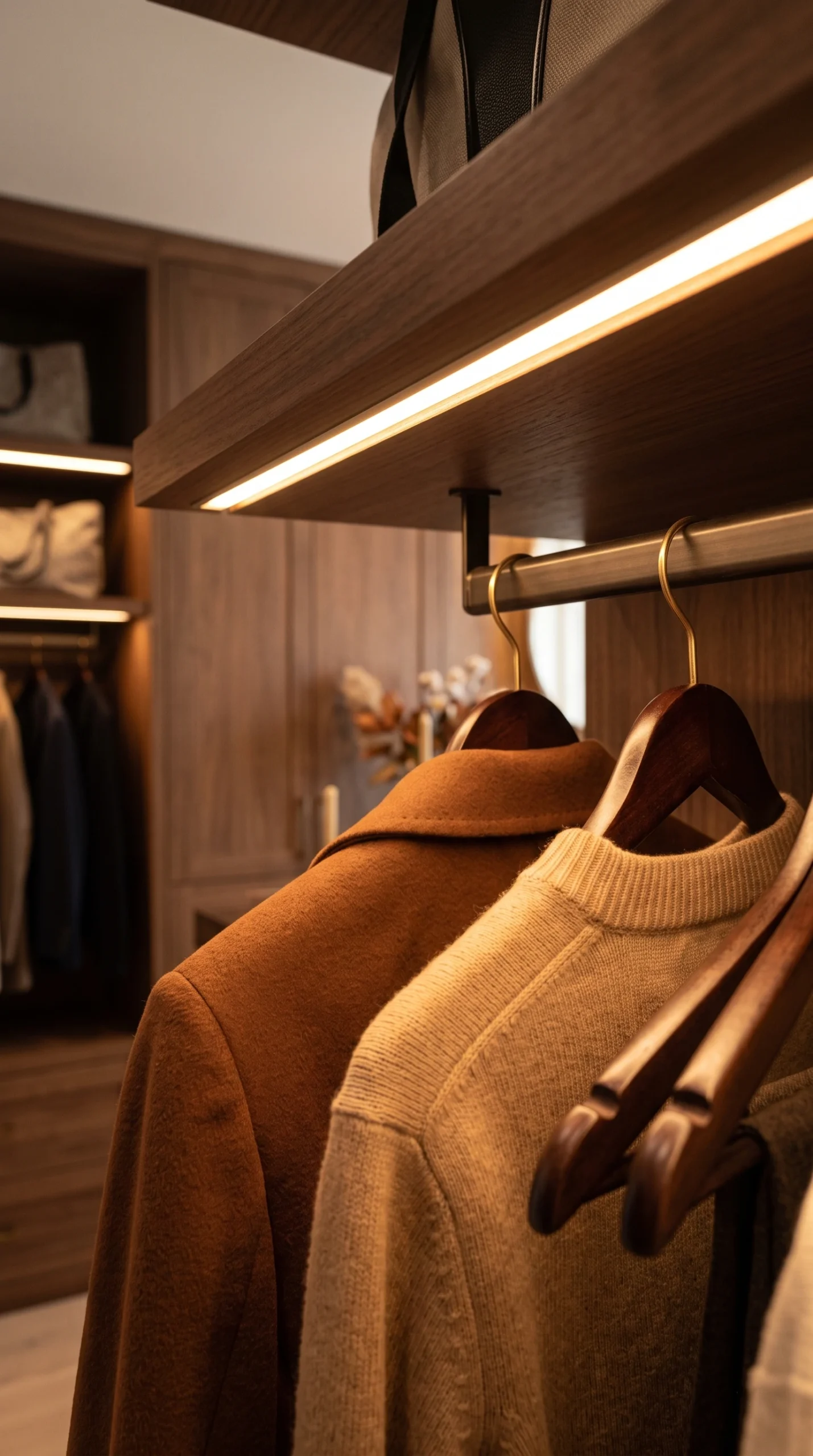
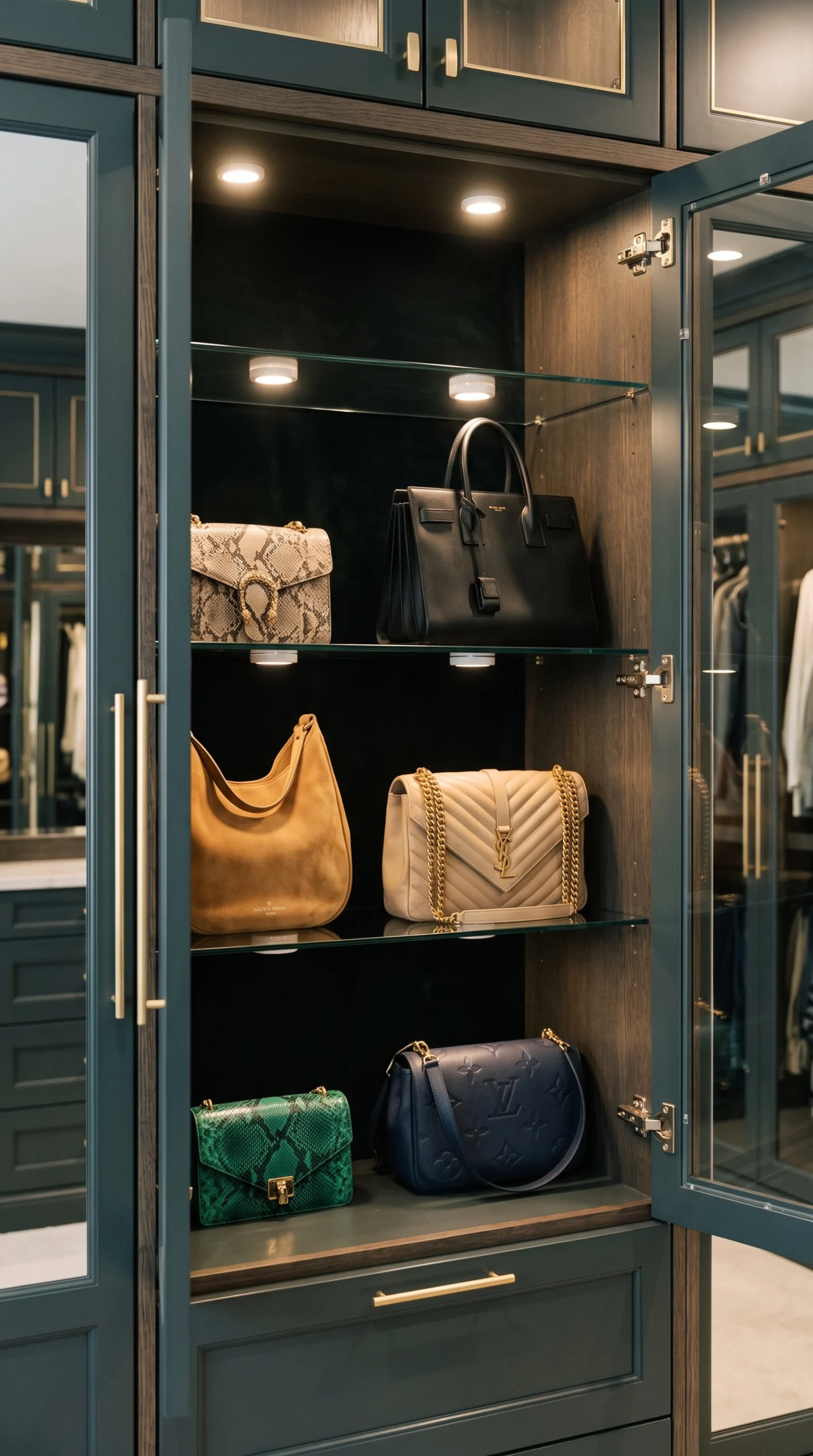
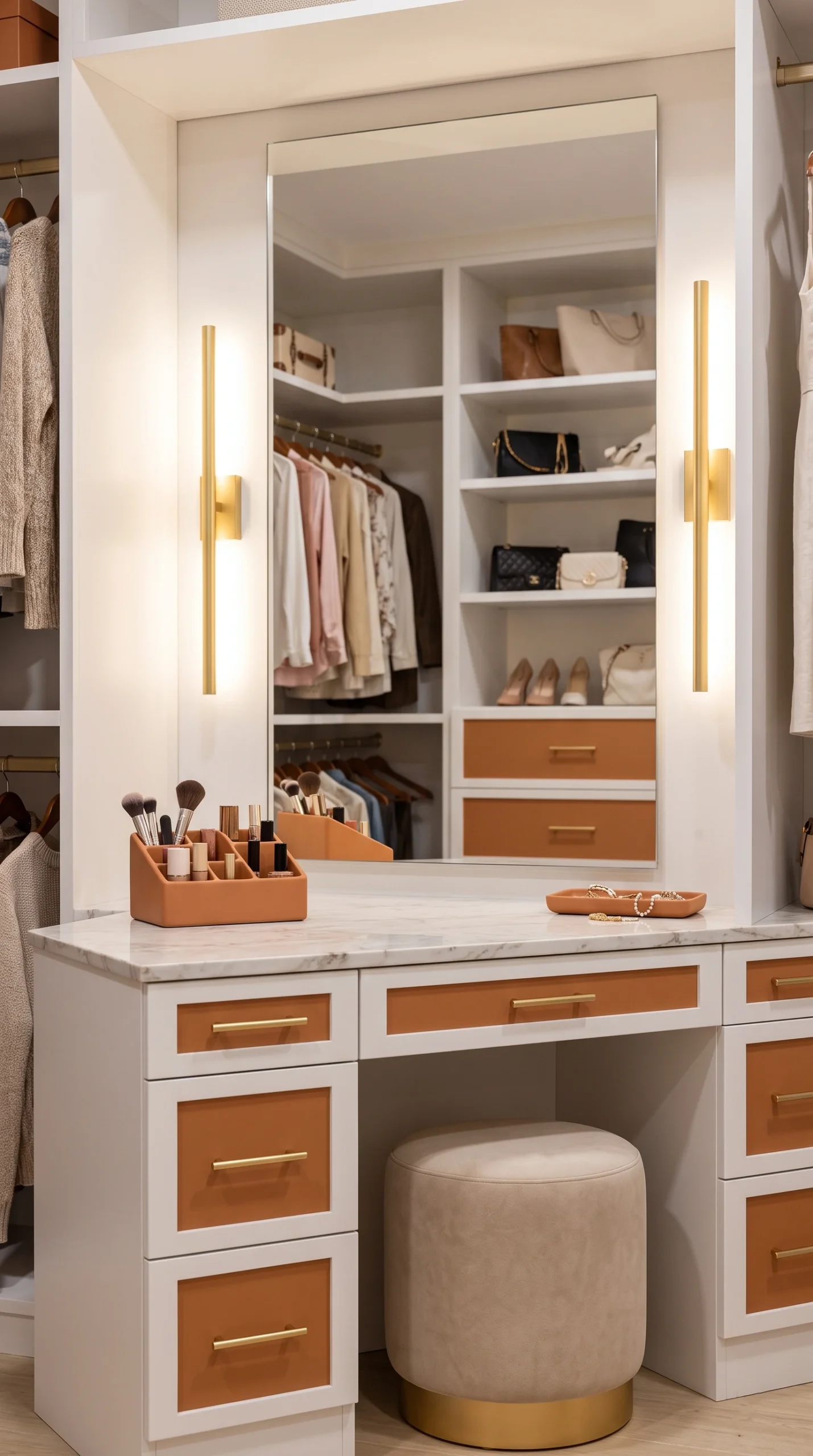
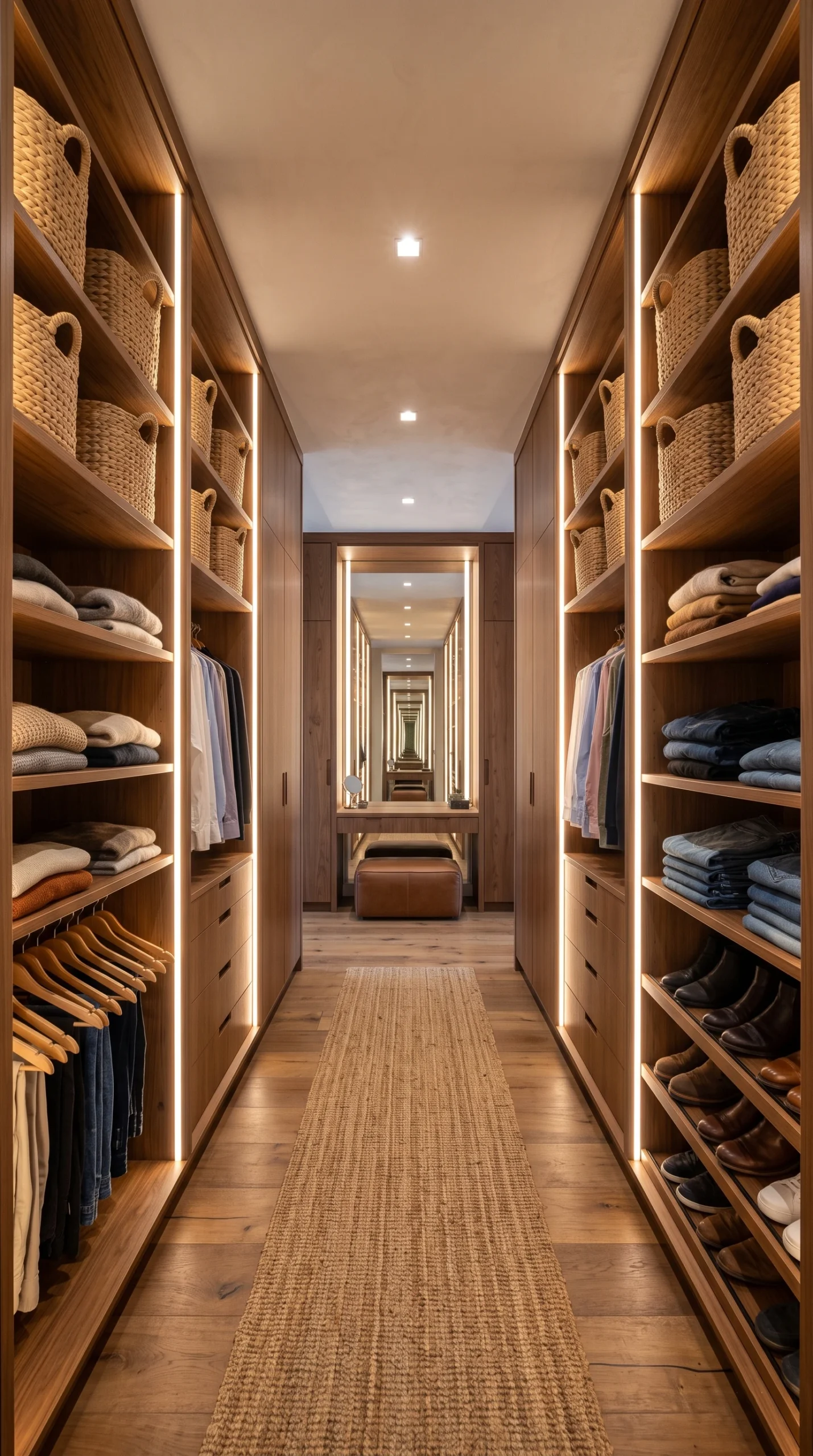
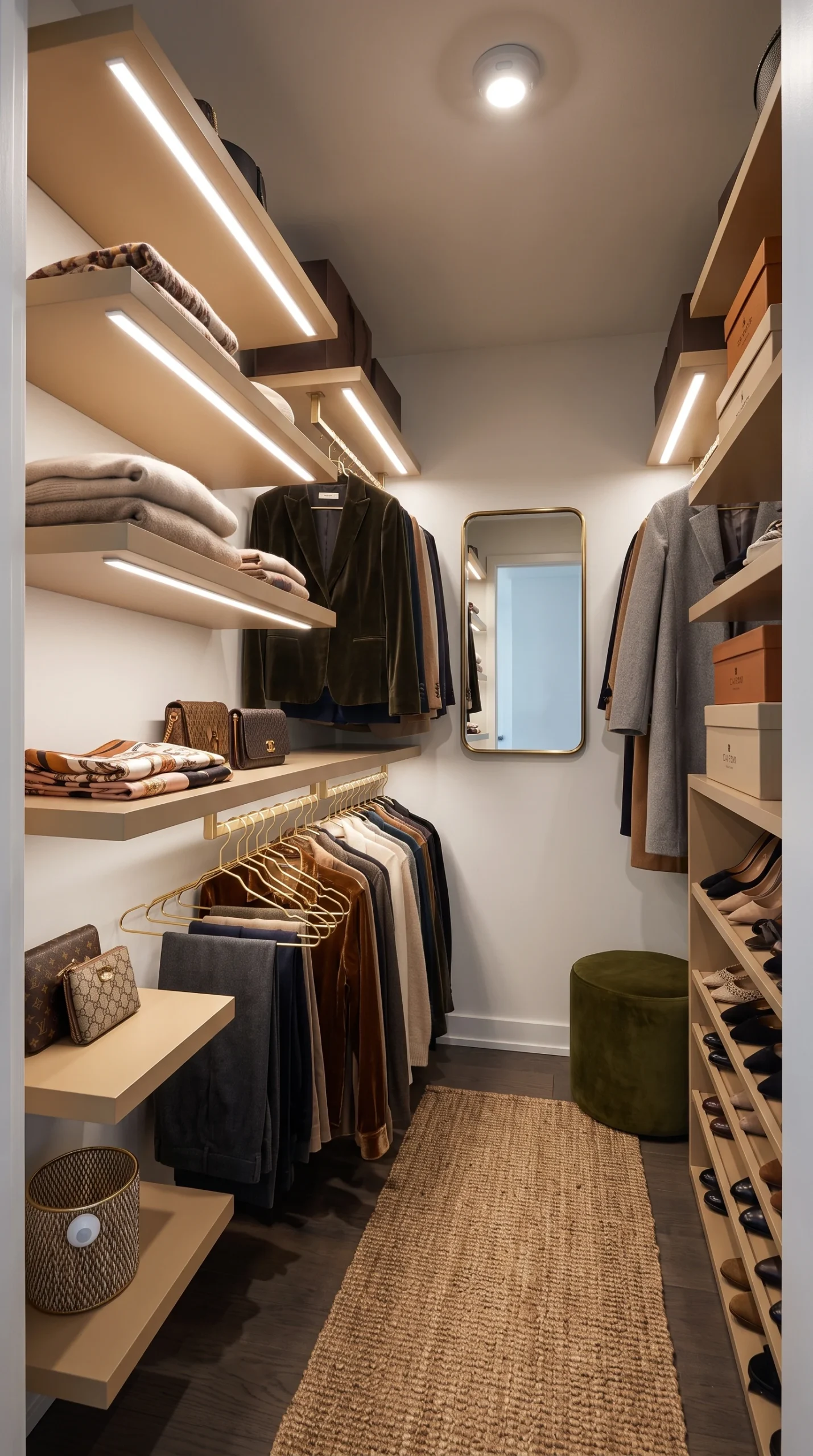
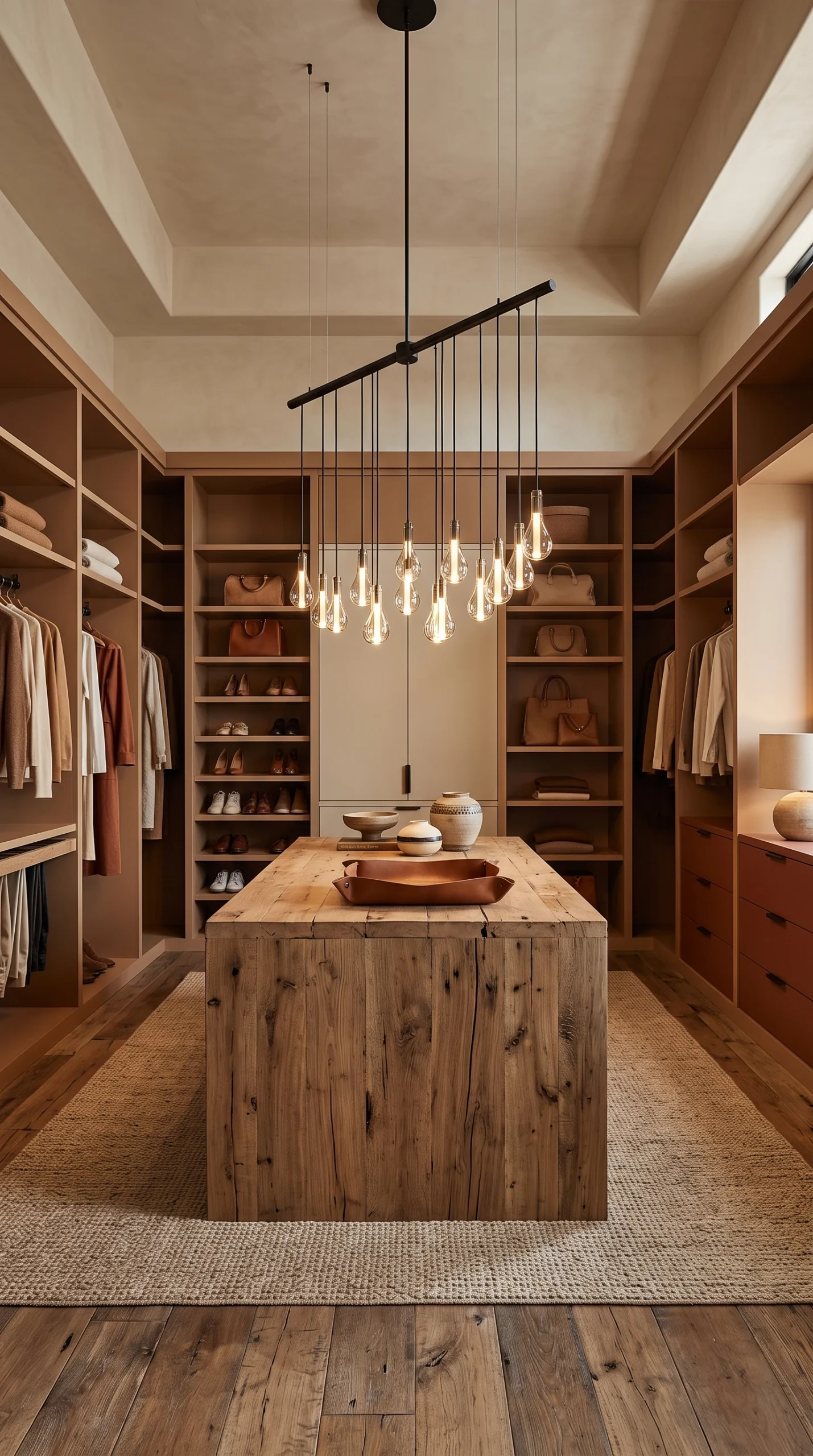
Explore ten masterfully illuminated walk-in closets, showcasing organic woven fiber chandeliers suspended over center islands, recessed under-shelf LED channel lighting grazing fine tailoring, illuminated glass handbag vitrines with soft puck lights, and vanity mirror stations flanked by gold wall sconces. Each design illustrates the seamless union of electrical engineering and couture aesthetics.

Core Architectural Principles for Walk-In Closet Lighting

Six specialized lighting strategies for calibrating CRI color accuracy, integrating hidden joinery channels, complying with electrical fire codes, and automating wardrobe illumination.

Organic Woven Fiber Chandeliers over Dressing Islands

Anchor a grand master walk-in closet with an organic woven abaca, rattan, or jute pendant suspended directly over the center island. Hang the fixture so its bottom rim hovers 34 to 36 inches above the countertop, providing warm, diffused ambient illumination without obstructing sightlines across the room. The natural woven texture softens hard cabinetry millwork and establishes an artisanal, earthy modern aesthetic.

Concealed Shelf-Lip LED Channels for Tailored Garments

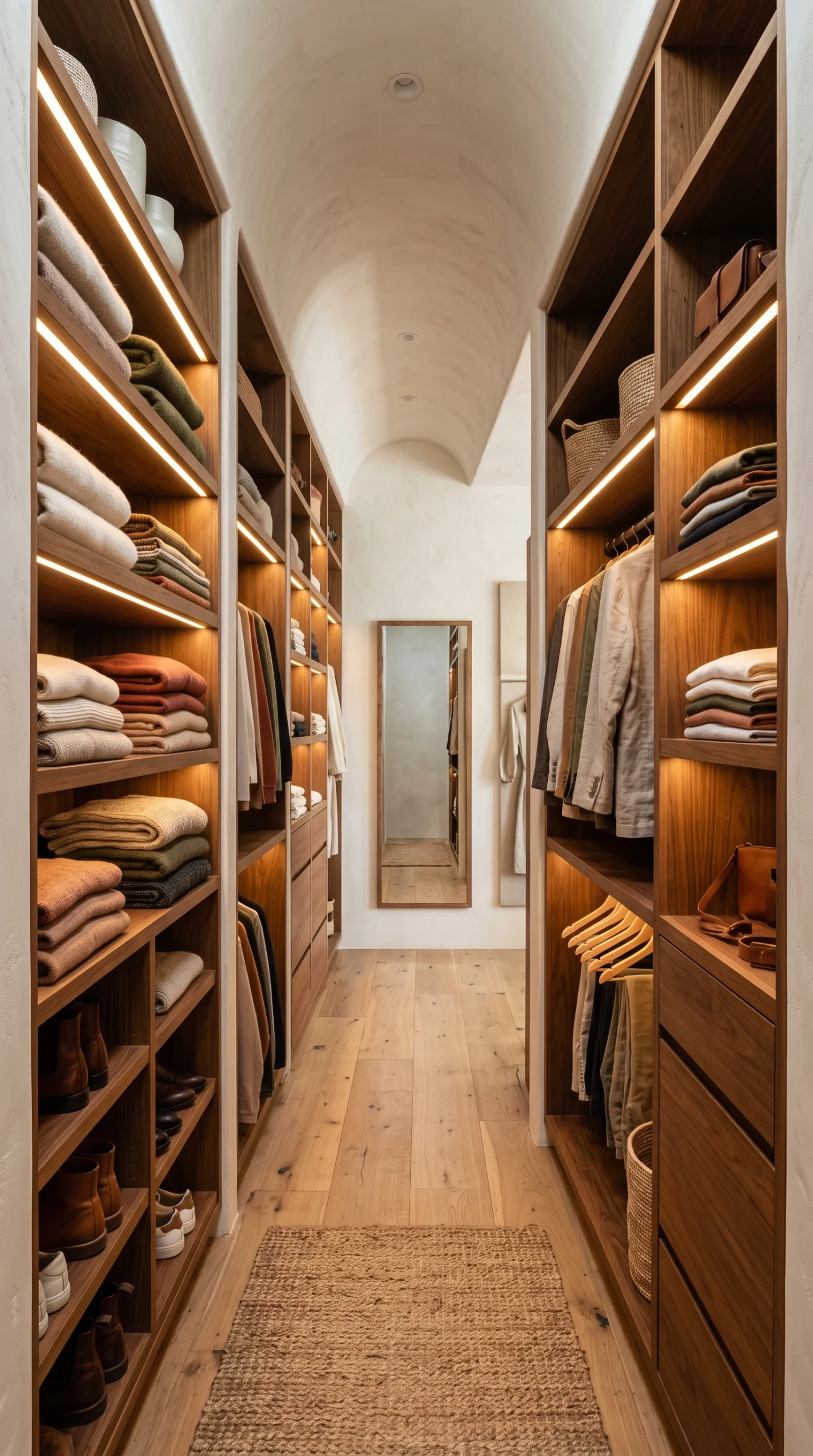
Eliminate dark hanging shadows by routing low-profile aluminum extrusion channels directly into the front bottom lip of wardrobe shelves. Fitted with frosted milky polycarbonate diffusers and high-density 24V LED tape (minimum 120 diodes per meter), these concealed linear lights graze downward across jackets and shirts with zero hot spots. Hardwire to an automatic magnetic door jamb switch for instantaneous hands-free illumination.

Illuminated Glass-Front Vitrines with Recessed Accent Pucks

Showcase prized designer handbags, fine fragrances, and luxury footwear behind tempered glass doors accented with miniature recessed puck lights. Specify low-voltage 3W LED pucks with a tight 30-degree beam angle in a matching dark slate or matte black finish. Because LEDs generate virtually no infrared heat or UV radiation, delicate luxury leathers and delicate perfume formulations remain perfectly preserved.

Cozy Dressing Niches with Architectural Iron Floor Lamps

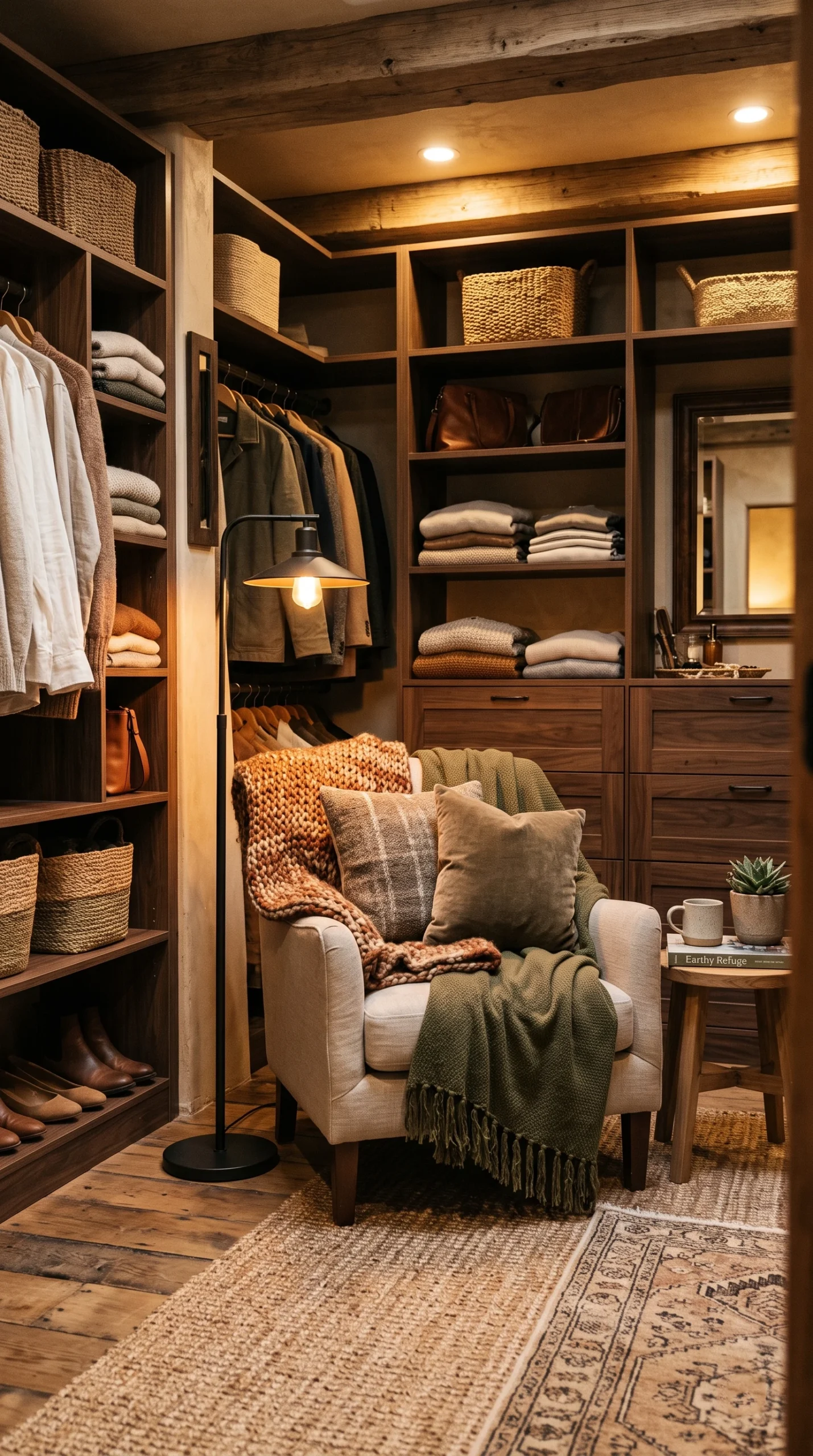
In spacious walk-in dressing suites, carve out an intimate resting nook featuring a plush upholstered armchair and a slender matte iron floor lamp. Providing warm localized task light for reviewing style lookbooks or putting on shoes, the floor lamp adds domestic residential comfort. Pair with layered wool textiles and a vintage runner rug to absorb room acoustics and create a luxurious, serene sanctuary.

Dressing Vanity Stations with Balanced Gold Wall Sconces

A dedicated styling station demands shadow-free facial illumination for accurate makeup application and accessory styling. Flank an arched or rectangular vanity mirror with dual frosted-glass gold sconces mounted at eye level (60 to 64 inches from finished floor). This cross-illumination strategy eliminates the harsh downward shadows cast by overhead ceiling lights, ensuring flawless reflection clarity.

High-CRI Linear Master Fixtures and Directional Downlights

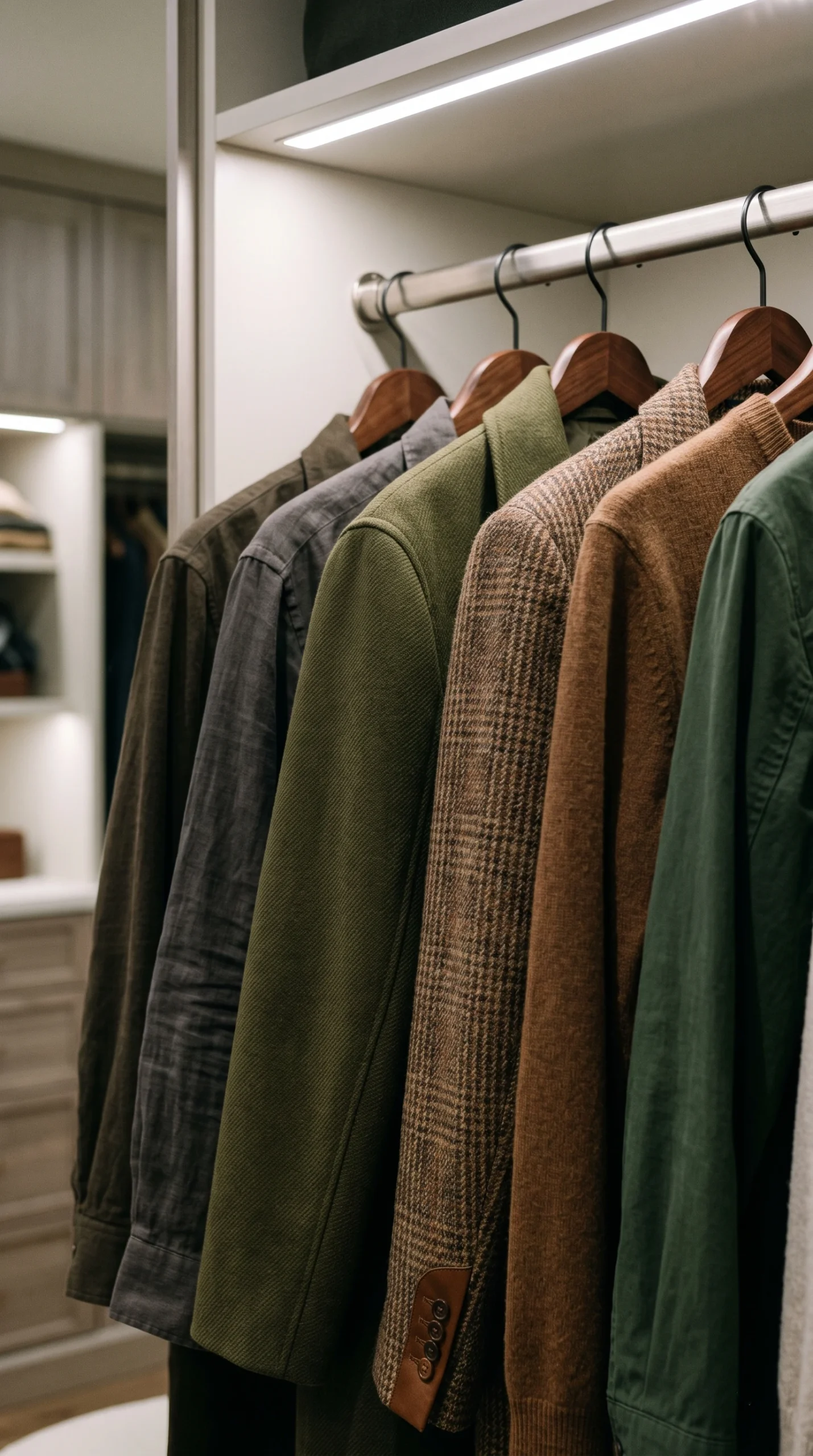
Illuminate expansive wardrobe perimeters using architectural linear pendant fixtures or 2-inch gimbaled recessed ceiling downlights. Aim adjustable downlight trims at a 30-degree angle toward vertical wardrobe displays, flooding dark olive, navy, and brown fabrics with high-CRI light. Zone ceiling fixtures and joinery LEDs on separate dimming circuits to effortlessly transition from bright morning dressing to moody evening ambiance.

The Architectural Blueprint for High-Performance Walk-In Closet Lighting

In high-end residential architecture, lighting is widely regarded as the most transformative design element. Yet in walk-in closets, it is routinely treated as an afterthought—reduced to a single builder-grade glass flush mount centered on the ceiling. This flawed approach produces deep shadows across hanging garments, leaves lower shoe shelves in darkness, and distorts subtle fabric colors. A truly exceptional wardrobe demands an engineered, multi-layered lighting strategy that marries aesthetic drama with optical precision.

When planning your dressing room illumination, architectural layout and joinery design must be conceived together. As established in our foundational guide on walk-in closet ideas, intelligent lighting elevates everyday clothing into a curated gallery display, transforming the mundane task of getting dressed into an inspiring, luxurious experience.

The Three Pillars of Layered Closet Illumination

A professional lighting layout consists of three interdependent layers that eliminate dark corners and provide balanced visual comfort:

  • 1. Ambient General Lighting: Provides general orientation light throughout the room. In smaller closets, this is achieved through 2-inch or 3-inch recessed architectural LED downlights spaced 3 to 4 feet on center along the center walkway. In grand dressing rooms with central islands, a sculptural woven fiber chandelier, crystal lantern, or linear matte iron fixture serves as both primary ambient illumination and the room’s decorative centerpiece.
  • 2. Integrated Joinery Task Lighting: The most crucial functional layer in any wardrobe. Recessed aluminum LED channels mounted along the underside of shelves or vertically along cabinet stiles illuminate garments directly. Positioning the light source 2 inches in front of hanging clothes ensures light washes down the face of shirts, dresses, and trousers rather than shining down your back.
  • 3. Accent and Showcase Lighting: Highlights featured collections, such as glass-encased handbag vitrines, angled shoe shelves, and jewelry drawers. Miniature 3W LED puck lights, backlit frosted mirror halos, and toe-kick floating lighting add three-dimensional depth and boutique glamour.

The Science of Color Fidelity: CRI and Color Temperature

Have you ever stepped out of your house believing you were wearing a navy blue blazer, only to realize under natural sunlight that you were wearing mismatched black trousers? This common frustration is caused by low Color Rendering Index (CRI) lighting.

CRI measures how accurately an artificial light source reveals the true colors of objects compared to natural daylight (rated at 100 CRI). Standard residential LED bulbs typically have a CRI between 80 and 85, lacking critical red spectrum frequencies (measured as the R9 value). For a wardrobe, always specify LEDs with a minimum CRI of 95 and an R9 value of 80 or higher. High-CRI lighting reveals the subtle chromatic differences between charcoal and navy, camel and tan, and emerald and forest green.

Correlated Color Temperature (CCT) is equally vital. Avoid cold 4000K to 5000K commercial LEDs, which feel clinical and uninviting. Standardize on 2700K (warm white) for rich wood-toned closets to bring out the warmth of oak, walnut, and brass, or 3000K (neutral warm white) for contemporary white or dark espresso wardrobes where crisp color separation is paramount.

National Electrical Code (NEC 410.16) Fire Clearances

Closets are classified as hazardous storage locations under building codes due to the concentration of flammable fabrics. NEC Article 410.16 mandates strict clearances between light fixtures and clothing storage boundaries:

  • Open Incandescent Bulbs: Strictly forbidden in all clothing closets due to extreme surface heat.
  • Surface-Mounted Luminaires: Surface-mounted fully enclosed incandescent or LED luminaires must be installed on the ceiling or wall with a minimum 12-inch clearance from the nearest storage space (defined as the area within 24 inches of walls where clothes hang).
  • Recessed Luminaires: Recessed enclosed LED or fluorescent fixtures require a minimum 6-inch clearance from storage spaces.
  • Low-Voltage Millwork LEDs: Class 2 low-voltage (12V or 24V) LED tape installed inside aluminum extrusions with polycarbonate diffusers are recognized as intrinsically safe, allowing them to be integrated directly into shelving and hanging bays.

Automated Controls and Dimming Protocols

Modern luxury closets operate seamlessly without fumbling for wall switches. Implement hands-free automation using low-voltage magnetic reed switches routed into the door jamb; swinging or sliding open the closet door instantly triggers the integrated lighting, which turns off automatically upon closing. Alternatively, install ceiling-mounted Passive Infrared (PIR) motion sensors with 3- to 5-minute timeout delays.

To control light intensity, always pair LED drivers with Electronic Low Voltage (ELV) reverse-phase dimmers. Cheap standard forward-phase incandescent dimmers cause LEDs to buzz, flicker, and fail prematurely. ELV dimming allows smooth, silent transitions from 1% to 100% brightness.

Cross-Cluster Synergy and Wardrobe Integration

Proper electrical rough-in must be synchronized with your structural woodwork during the framing stage. Coordinate wire chases and transformer locations with the layout dimensions in walk-in closet layout ideas.

For specialized boutique applications—such as illuminated handbag cubbies and angled shoe shelves with built-in heel stops—consult our design manual on walk-in closet ideas for women. If you are executing a cost-effective renovation using battery-operated motion bars or plug-in drivers, review the practical wiring hacks in our guide to DIY walk-in closet ideas.

Ensure your shelving partitions incorporate routed 5/8-inch wiring channels by following walk-in closet shelving ideas, and discover how top celebrity dressing suites deploy dramatic backlit onyx and showcase displays in celebrity luxury walk-in closet ideas.

Frequently Asked Questions About Walk-In Closet Lighting

Technical architectural answers regarding CRI ratings, NEC code clearances, color temperature choices, hidden joinery LED channels, and motion sensor automation for walk-in closet lighting.
Always specify light sources with a CRI of 95 or higher, accompanied by an R9 (saturated red) score of at least 80. Standard builder-grade LEDs with 80 CRI wash out subtle fabric undertones, making it nearly impossible to distinguish between black and dark navy garments or assess subtle beige and cream palettes accurately.
For residential walk-in closets, 2700K (warm white) or 3000K (crisp warm white) are the gold standards. 2700K complements rich natural timber, brass hardware, and creates a cozy, relaxing boutique ambiance. 3000K is ideal for modern closets with white or dark espresso cabinetry where crisp contrast is desired. Avoid 4000K or 5000K daylight bulbs, which feel harsh, cold, and unflattering.
Under NEC 410.16, exposed incandescent bulbs are strictly banned due to fire risk. Surface-mounted enclosed LED fixtures must maintain at least a 12-inch clearance from clothing storage space boundaries. Recessed enclosed LED fixtures require a 6-inch clearance. Low-voltage Class 2 LED strips installed inside aluminum extrusions are exempt from standard clearance rules when properly integrated into millwork.
Use three techniques: 1) Select high-density LED tape with at least 120 LEDs per meter or modern Chip-on-Board (COB) LED strips, which provide a continuous phosphor glow; 2) House the strip inside an anodized aluminum extrusion channel fitted with a deep milky frosted polycarbonate diffuser lens; and 3) Conceal the channel behind a 1-1/2-inch front shelf fascia lip angled at 45 degrees.
Yes, using one of two proven methods: install a low-voltage magnetic reed switch routed into the door jamb that automatically activates the circuit when the door opens, or install a ceiling-mounted 360-degree Passive Infrared (PIR) motion sensor programmed with a 3- to 5-minute shutoff delay after occupancy ceases.
Target a minimum of 30 to 50 foot-candles (lumens per square foot) of general ambient light, augmented by 60 to 80 foot-candles of direct task lighting on hanging rods and vanity stations. For example, a 10×10-foot closet (100 sq. ft.) requires approximately 3,000 to 5,000 total ambient lumens distributed across ceiling and joinery fixtures.
Quality LEDs generate virtually zero forward heat and emit no ultraviolet (UV) radiation, making them completely safe for delicate silks, cashmere, and leather handbags. However, the back of the LED strip generates heat, which must be dissipated by mounting the tape inside an aluminum channel heat sink to prevent premature LED failure.
Never bury LED drivers behind closed drywall where they cannot be serviced. Install 12V or 24V Class 2 dimmable drivers in an accessible location: on top of the uppermost closet cabinet carcass, inside a dedicated false drawer compartment, or inside the primary electrical mechanical closet with low-voltage wiring routed to the joinery.
Never rely solely on downlights placed directly above a mirror, which cast unflattering dark shadows under eyes, nose, and chin. Instead, mount vertical wall sconces on both sides of the mirror at eye level (60 to 64 inches from finished floor), or install an architectural LED mirror with integrated perimeter frosted edge-lighting for balanced, cross-directional facial illumination.
For rental apartments or quick budget refreshes, rechargeable lithium-ion puck or strip lights with magnetic mounting plates and USB-C charging are a viable alternative. However, for permanent home value and true luxury convenience, hardwired low-voltage Class 2 LED systems tied to wall dimmers and door switches remain the superior architectural solution.