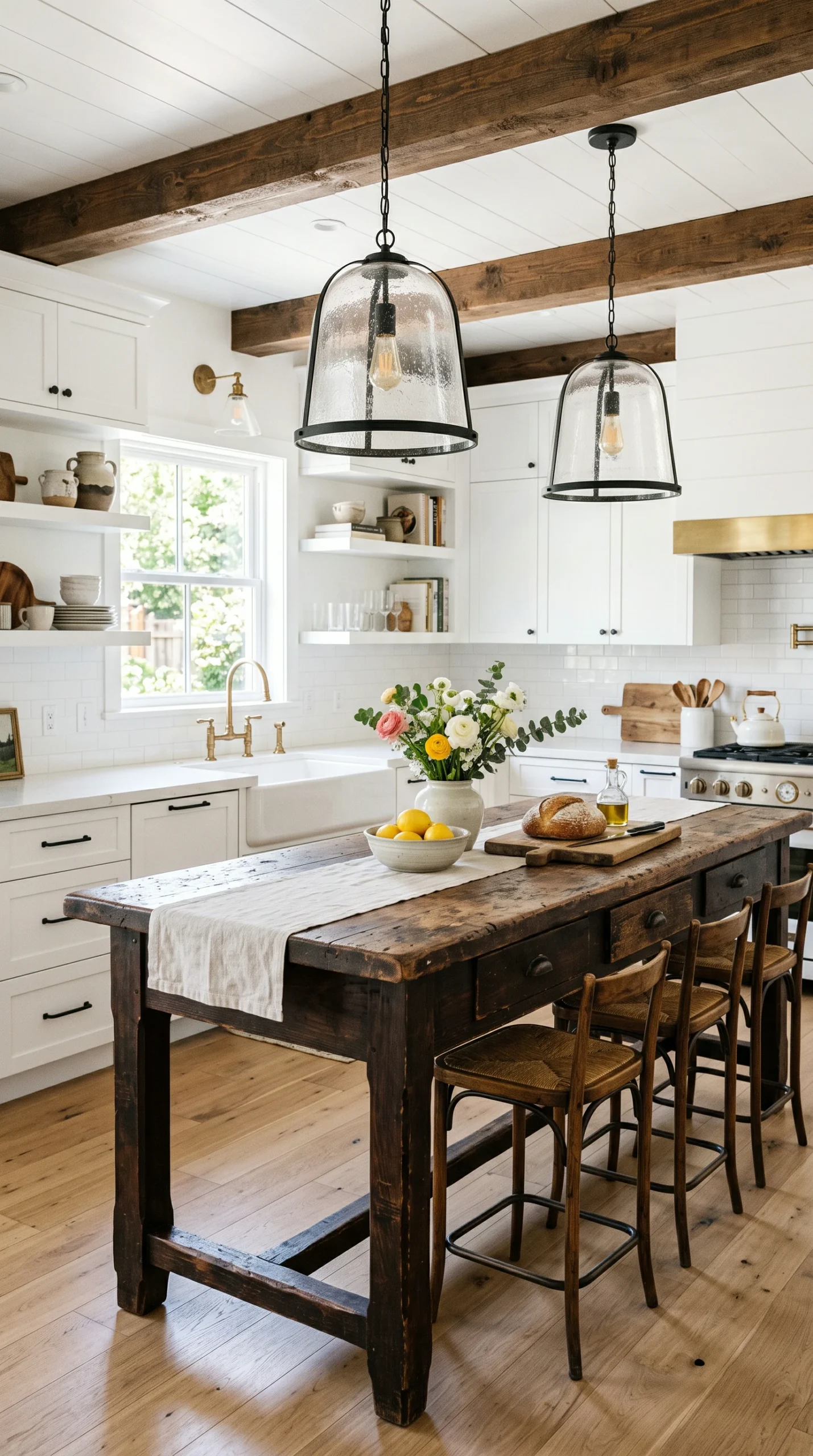
Do not use a modern, flat toe-kick. Elevate the corners of the island on massive, heavily turned wooden 'spool' or farmhouse legs.
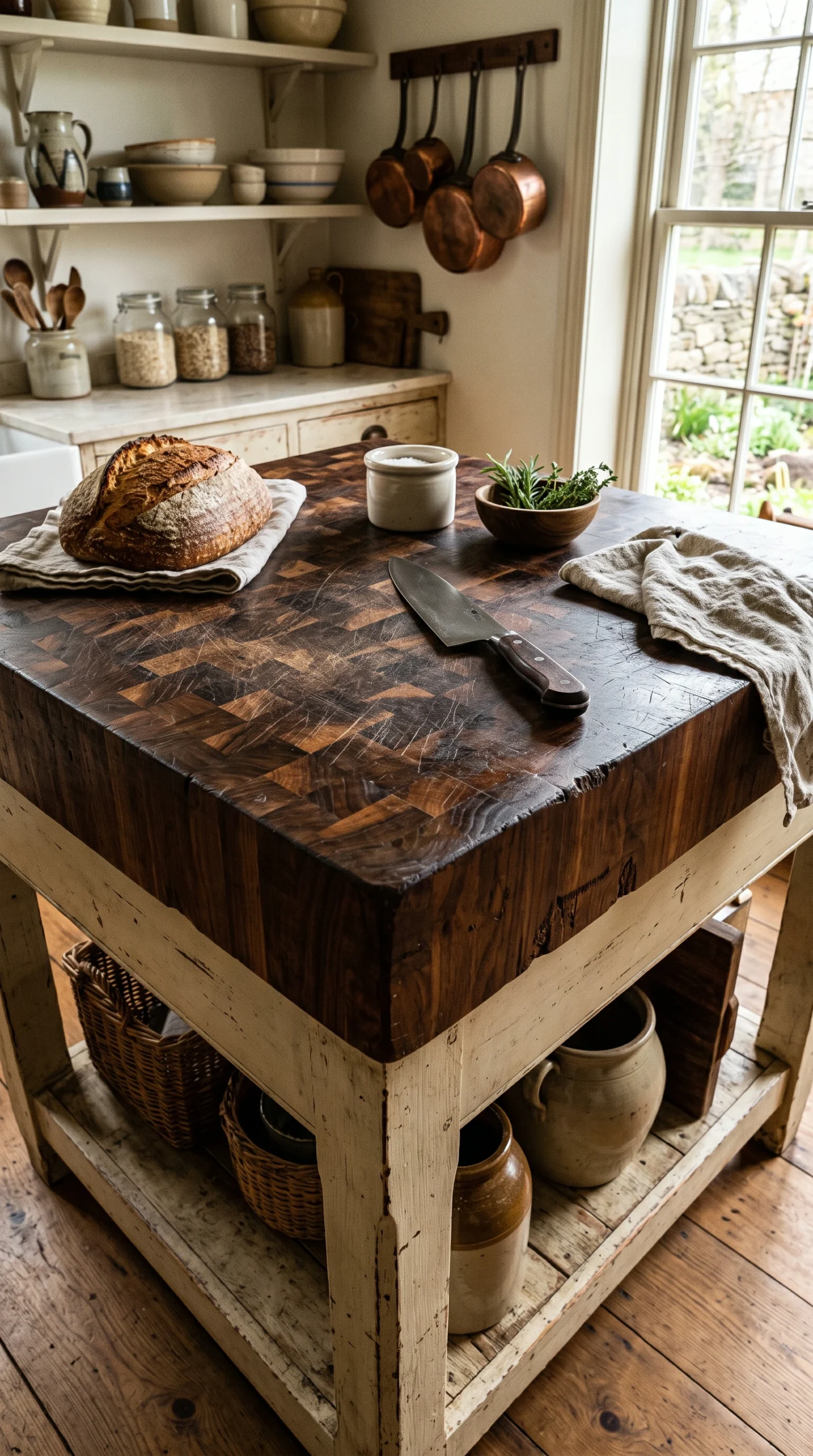
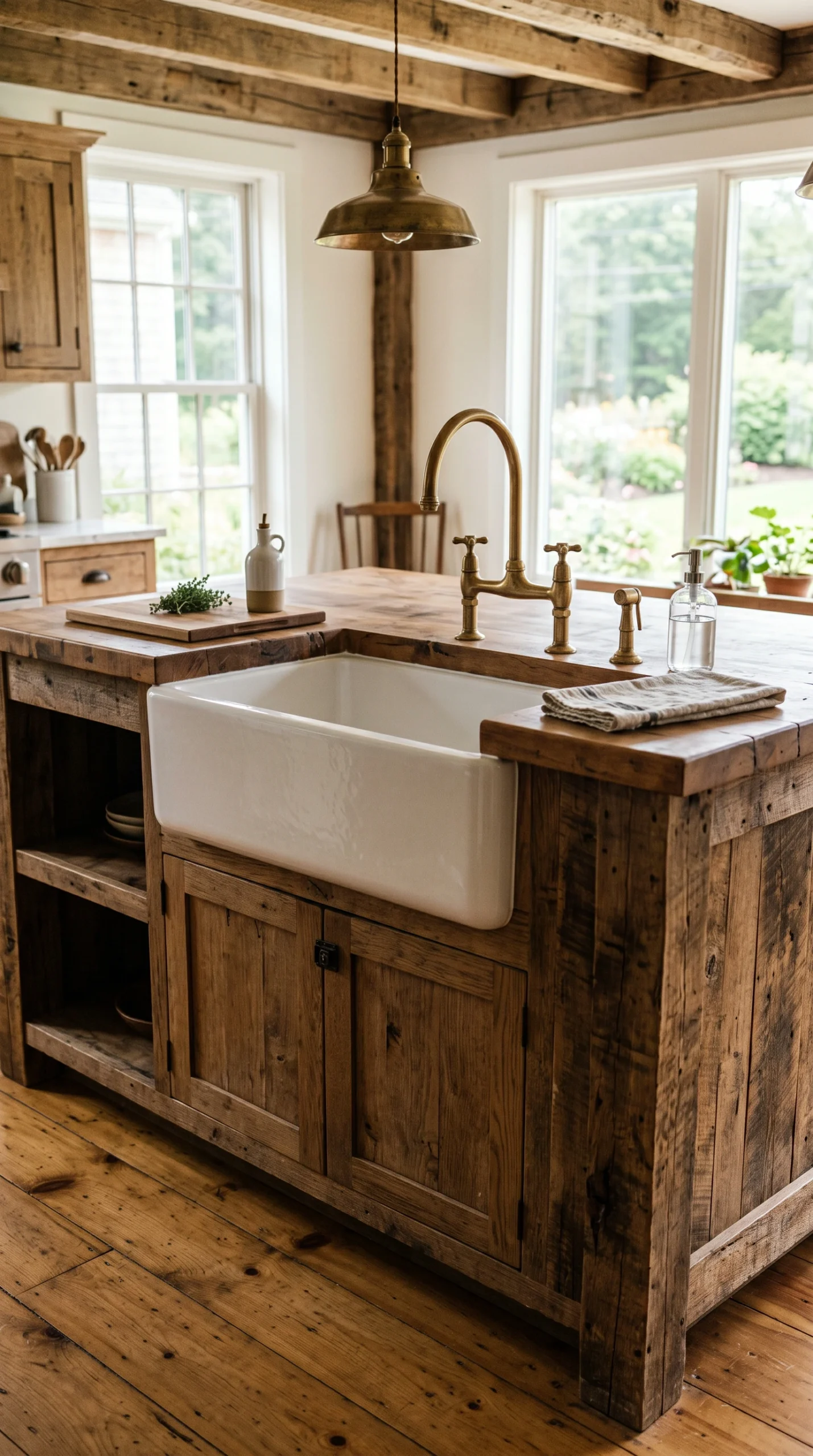
Marble is beautiful, but a massive, incredibly thick (3-inch) end-grain wood butcher block is the ultimate farmhouse prep surface.
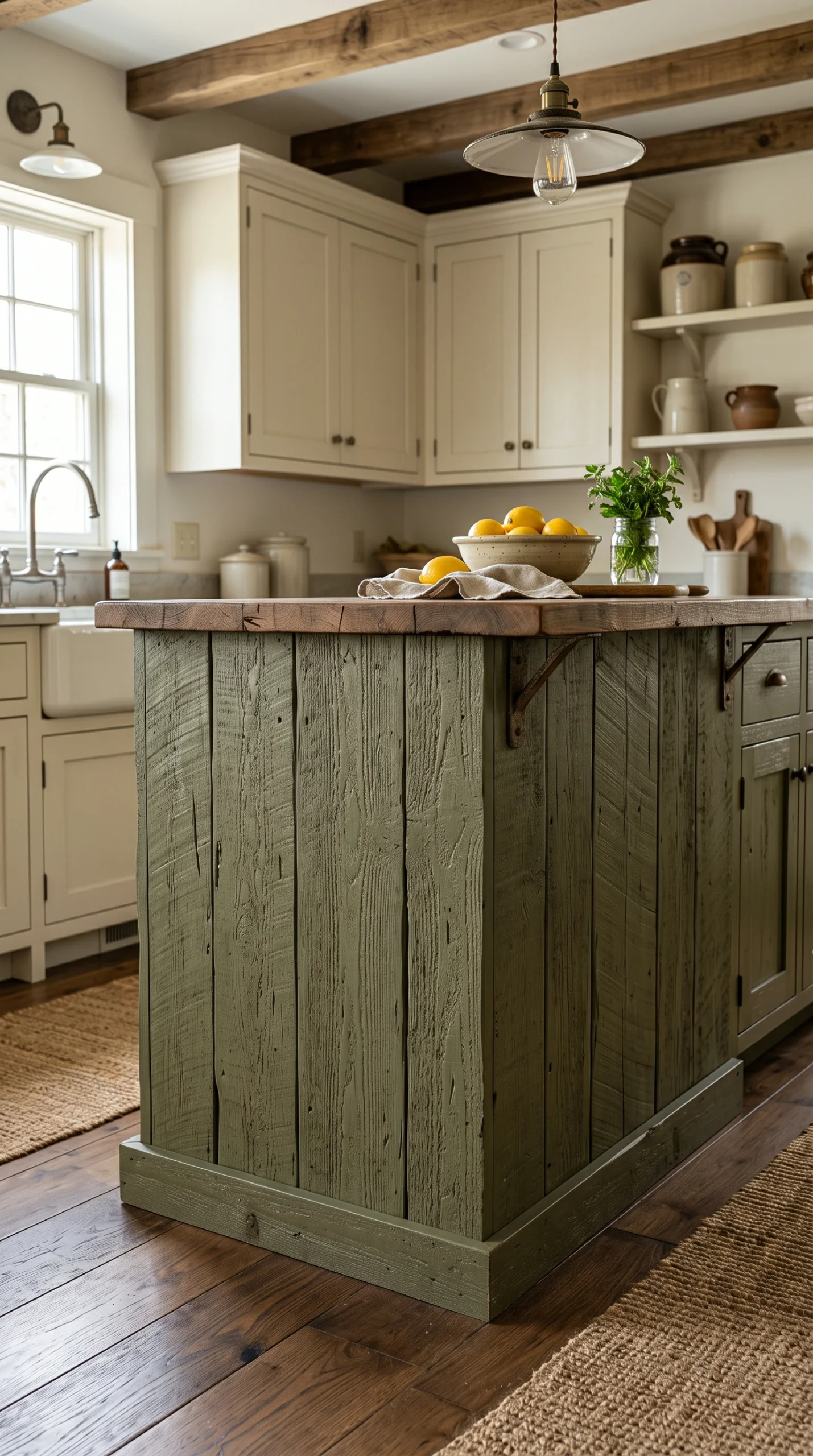
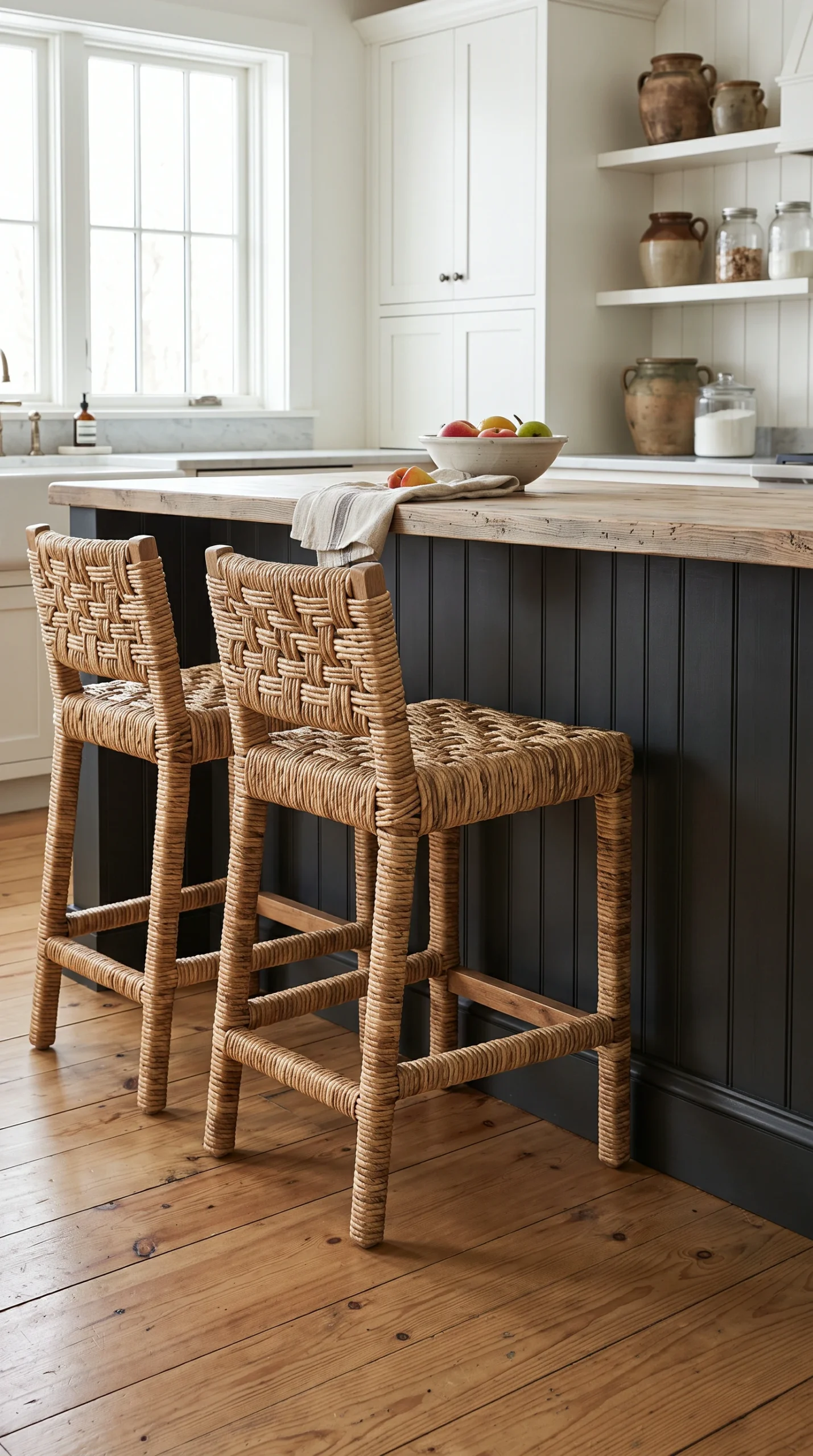
Wrap the back and sides of the island base in heavy, vertical wood beadboard or wide-plank shiplap to add immediate historical texture.
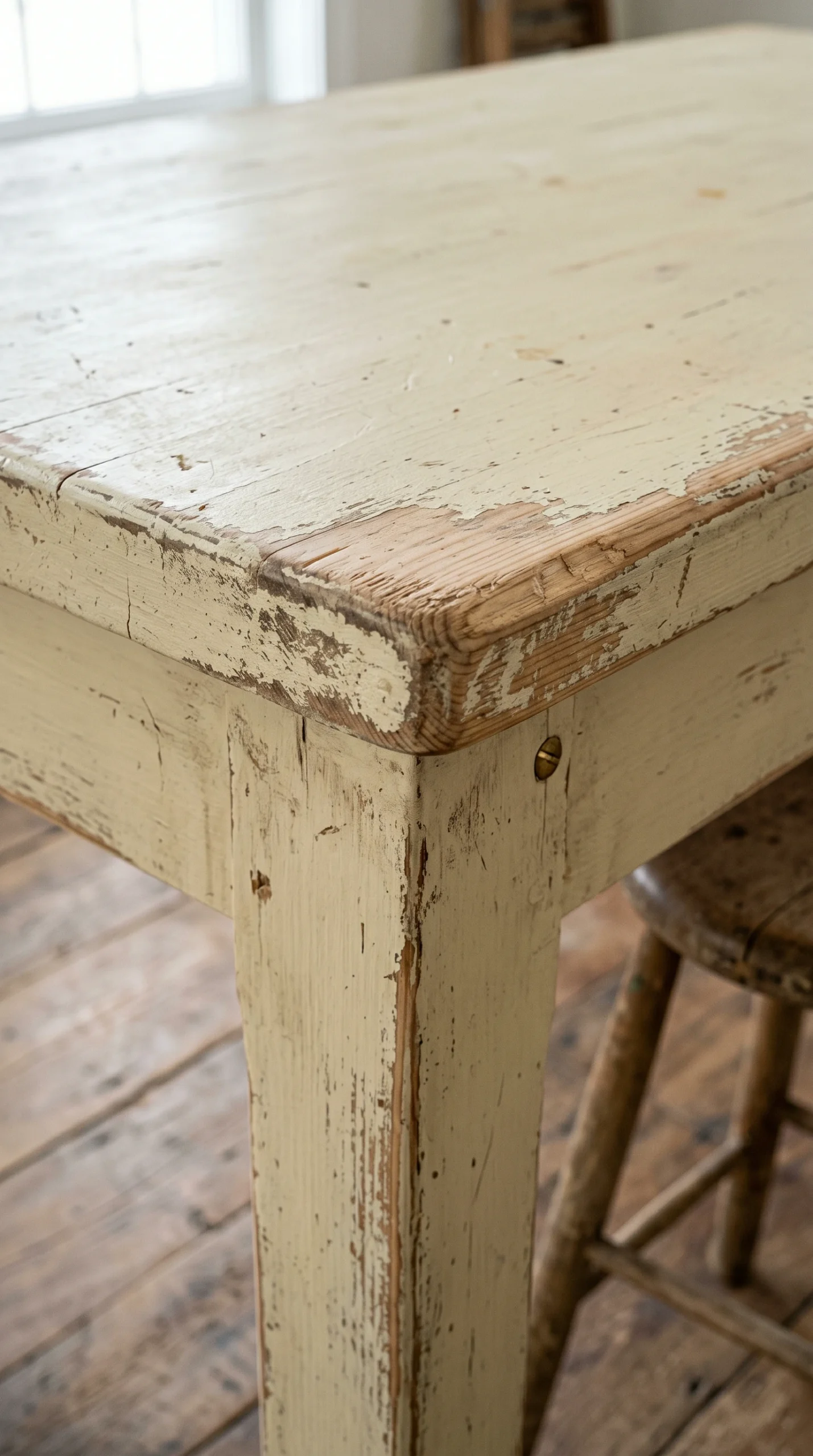
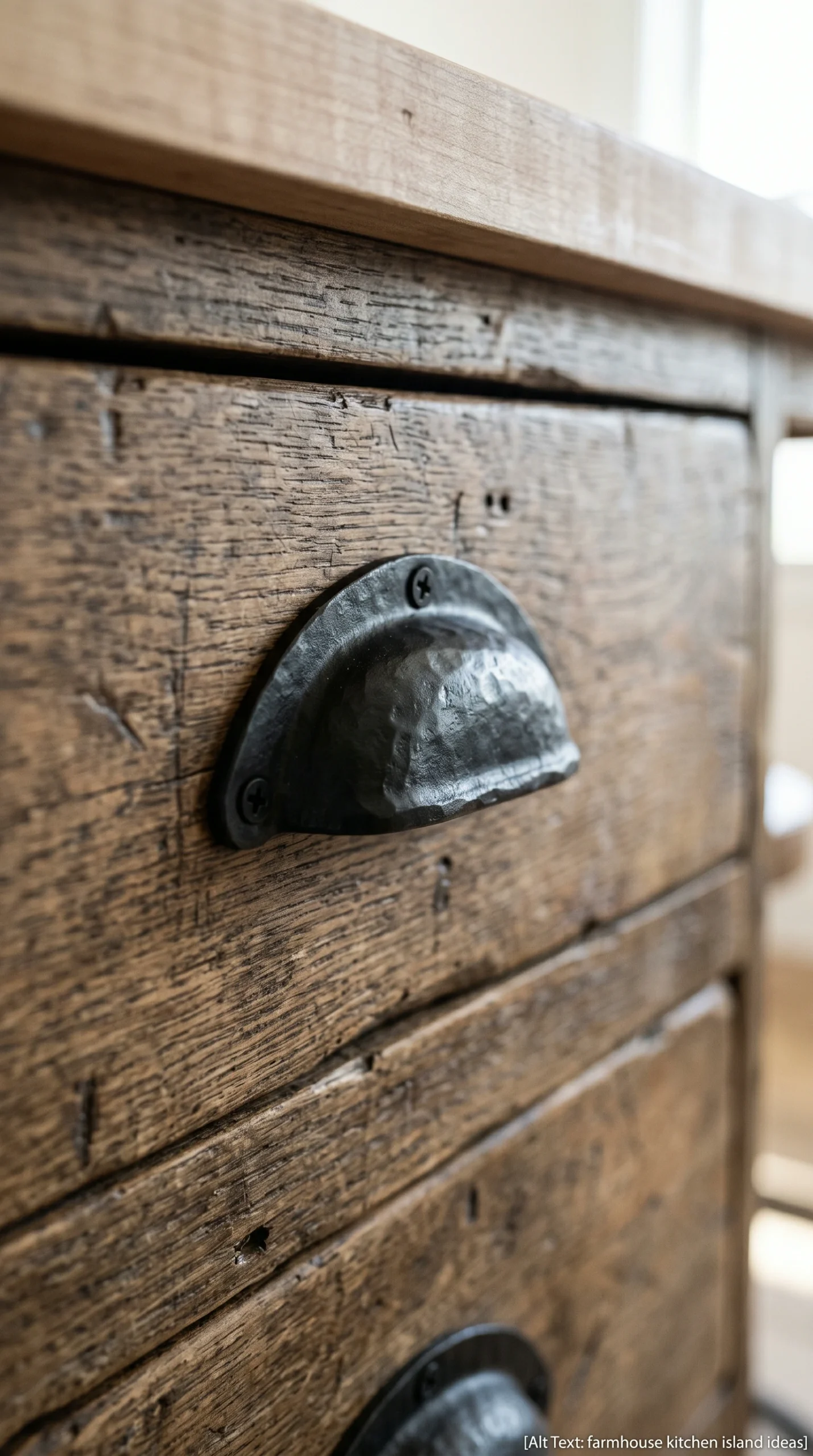
A brand-new paint job looks fake. Use milk paint and aggressively distress the edges, corners, and handles to reveal raw wood underneath.
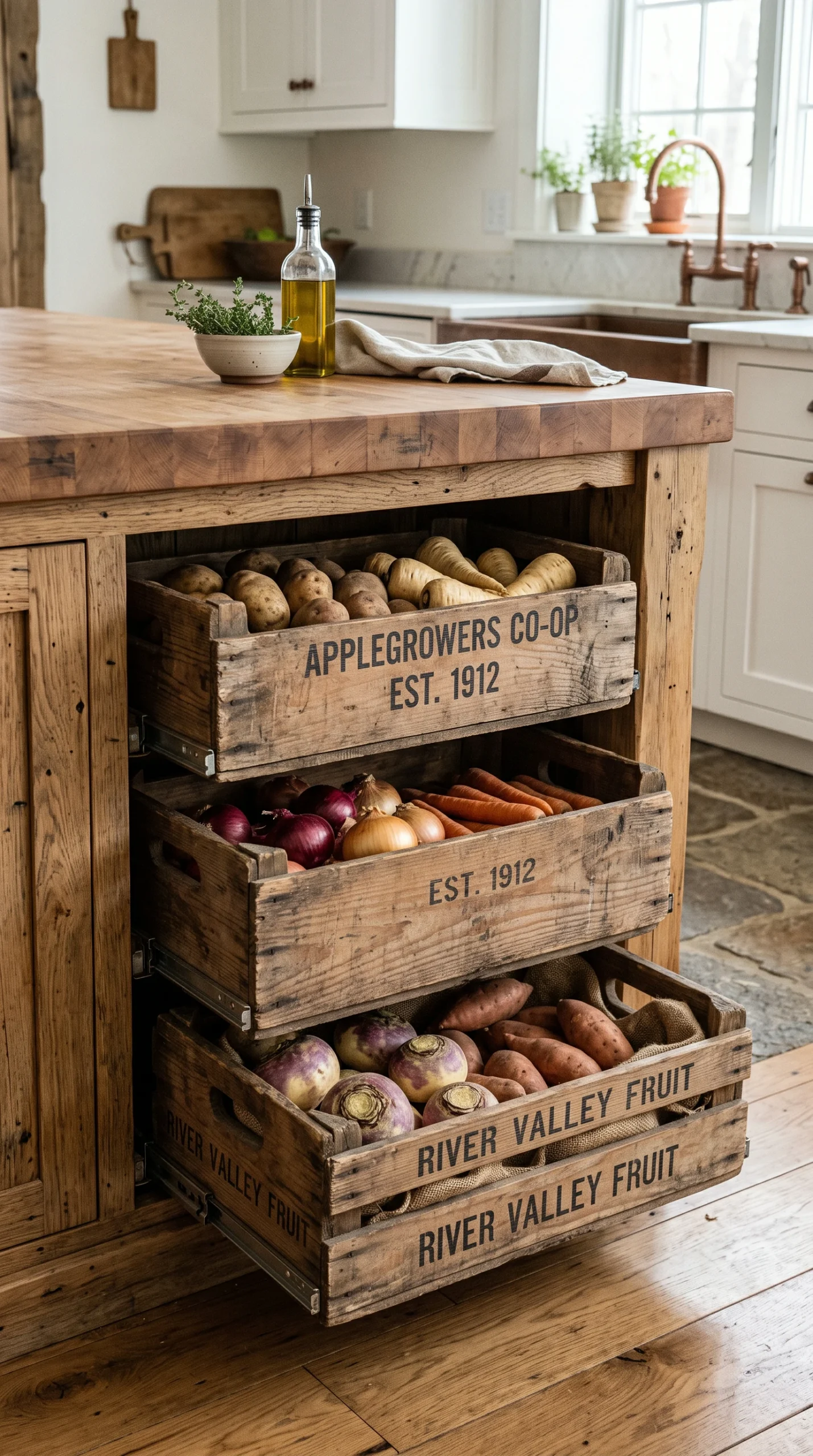
Build open shelving into the base and slide heavy, slatted wooden produce crates inside to act as massive, rustic drawers for root vegetables.
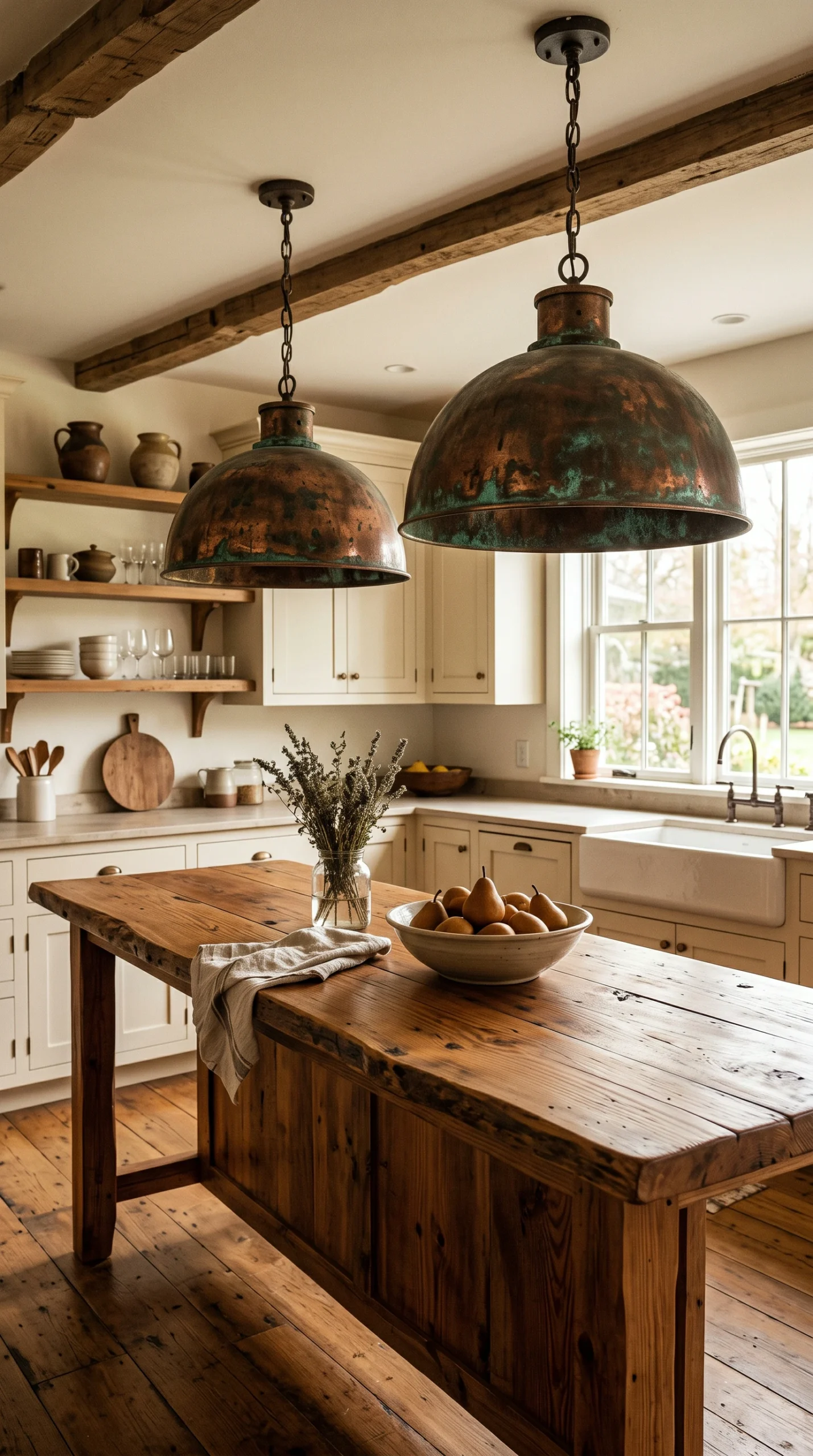
The lighting must carry historical weight. Use massive, heavily oxidized copper domes or dark, rusted iron lanterns above the island.
The absolute most critical structural shift when executing farmhouse kitchen island ideas is treating the island as a freestanding piece of antique furniture, not as a built-in kitchen cabinet. Standard modern cabinets sit flush on the floor with a hidden ‘toe-kick.’ A farmhouse island must have feet. You must construct the base so that the four corners rest on massive, heavily turned wooden legs (often called spool legs or farm legs). This simple architectural detail visually lifts the heavy block of cabinetry off the floor, allowing light to pass underneath, and instantly tricks the eye into believing the island is an incredibly heavy, 100-year-old heirloom dining table that was repurposed for prep work.
While heavily veined marble or honed soapstone are stunning, the undisputed king of authentic farmhouse kitchen island ideas is the massive wooden butcher block. However, you cannot use a thin, cheap 1-inch slab from a hardware store. For true luxury farmhouse appeal, you must source a massive, 3-inch to 4-inch thick ‘end-grain’ walnut or maple butcher block. The end-grain construction is incredibly durable, and the massive thickness provides the heavy visual weight necessary to anchor the room. Crucially, do not baby it. Allow it to get scratched, dented, and stained with use. The deep scars and heavy patina are exactly what give the farmhouse island its undeniable, rustic soul.
If you paint your new farmhouse island with a flawless coat of high-gloss modern enamel, it will look like a cheap reproduction. Authentic farmhouse kitchen island ideas demand patina. You must use specific techniques to age the piece. The best approach is using traditional ‘milk paint,’ which naturally chips and flakes beautifully. After painting the island (perhaps a warm buttermilk or a muted, faded olive green), take heavy sandpaper and aggressively rub down the edges, corners, and the areas around the drawer pulls—exactly where 100 years of human hands would have naturally worn the paint away to reveal the raw wood underneath. This faux-aging is the secret to genuine rustic warmth.
A completely smooth, flat-panel cabinet side has absolutely no place in a farmhouse design. You must aggressively introduce architectural texture to the base of the island. When executing your farmhouse kitchen island ideas, mandate that the cabinetmaker wrap the entire back panel (the seating side) and the two short ends of the island in thick, vertical V-groove beadboard or wide-plank, rough-sawn shiplap. This heavy, linear wood paneling provides immediate historical context, tying the island directly to the traditional vernacular of rural barns and historic farmhouses, while also effectively hiding the inevitable scuff marks from barstool use.
Farmhouse kitchens were historically highly functional, working spaces where produce was stored in the open. You can replicate this vibe perfectly in your farmhouse kitchen island ideas by incorporating specialized open storage. Instead of a solid bank of drawers, leave one 24-inch section of the island base completely open with wooden shelves. Then, source massive, heavy-duty slatted wooden produce crates (or antique wooden soda crates) and slide them onto the shelves to act as deeply rustic, pull-out drawers. Filling these open crates with onions, potatoes, and winter squash provides an incredible burst of organic color and undeniable rural authenticity.
Finally, the ‘jewelry’ of the island must carry massive historical weight. Do not use sleek, modern brushed nickel pulls. Your farmhouse kitchen island ideas must incorporate heavy, unlacquered brass cup pulls, deeply oxidized copper knobs, or forged, matte black iron latches. The lighting above the island must be equally heavy. Avoid delicate glass pendants. Hang massive, heavily tarnished copper dome lights, or large, rusted iron lanterns. This heavy, aged metal provides the necessary industrial, working-farm contrast to the soft, warm woods and chipped paint of the island below.