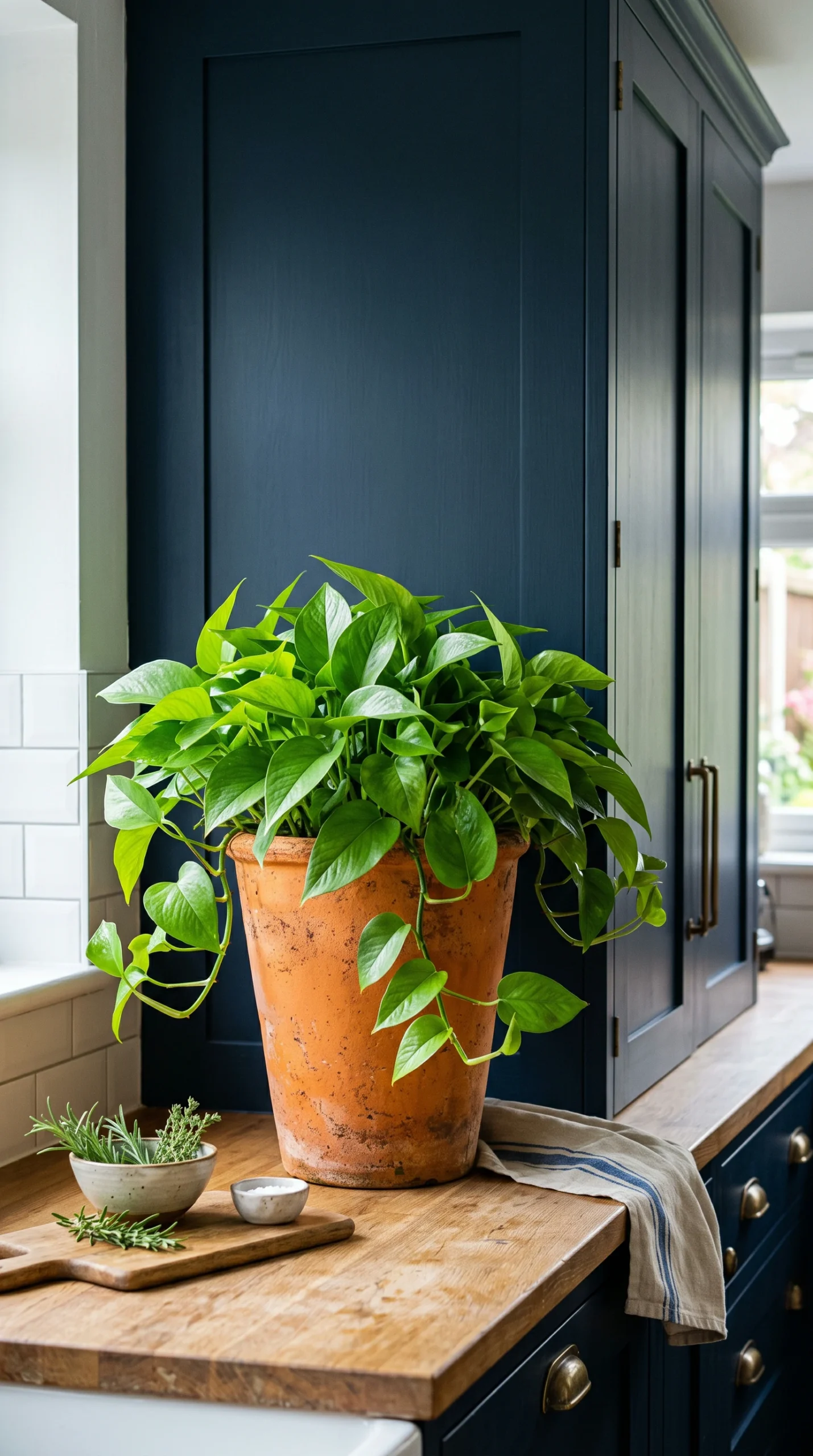
Never buy a plant without knowing your kitchen's light. South-facing windows support sun-loving herbs. North-facing or windowless kitchens require low-light survivors like Pothos or Snake Plants.
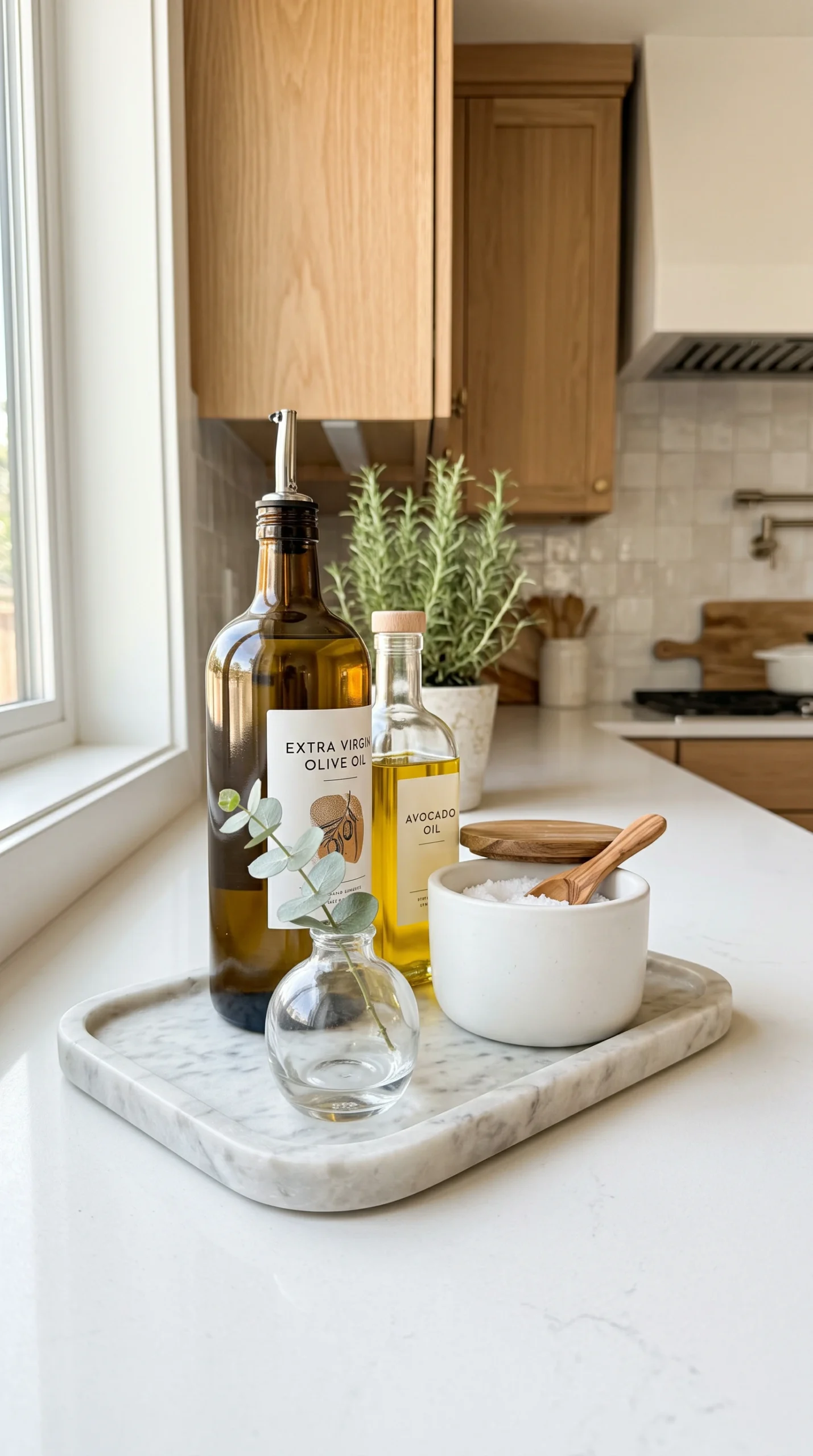
The ultimate functional decor. A small trio of basil, rosemary, and thyme in matching pots near a sunny window looks incredibly charming and provides fresh ingredients for cooking.
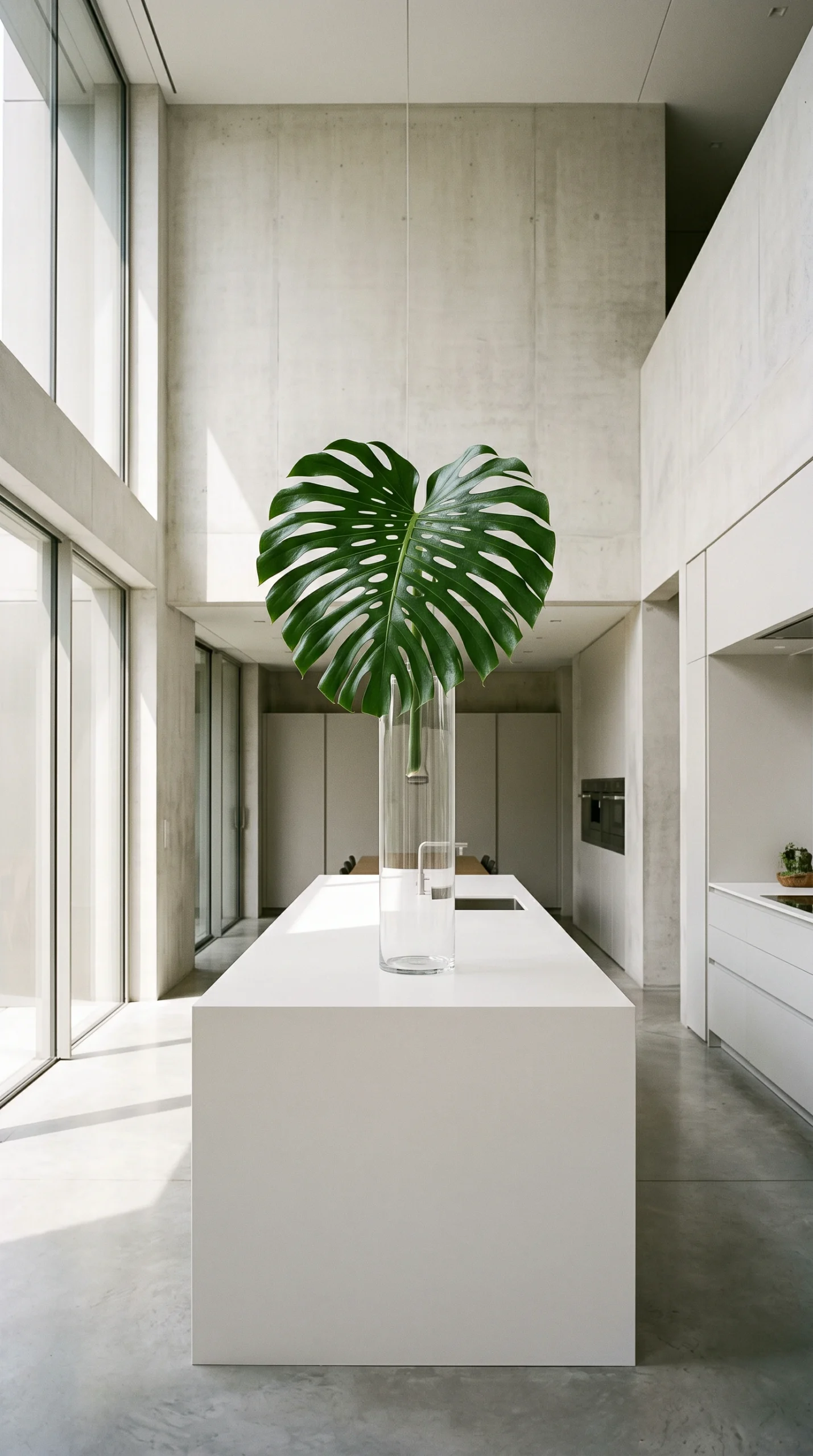
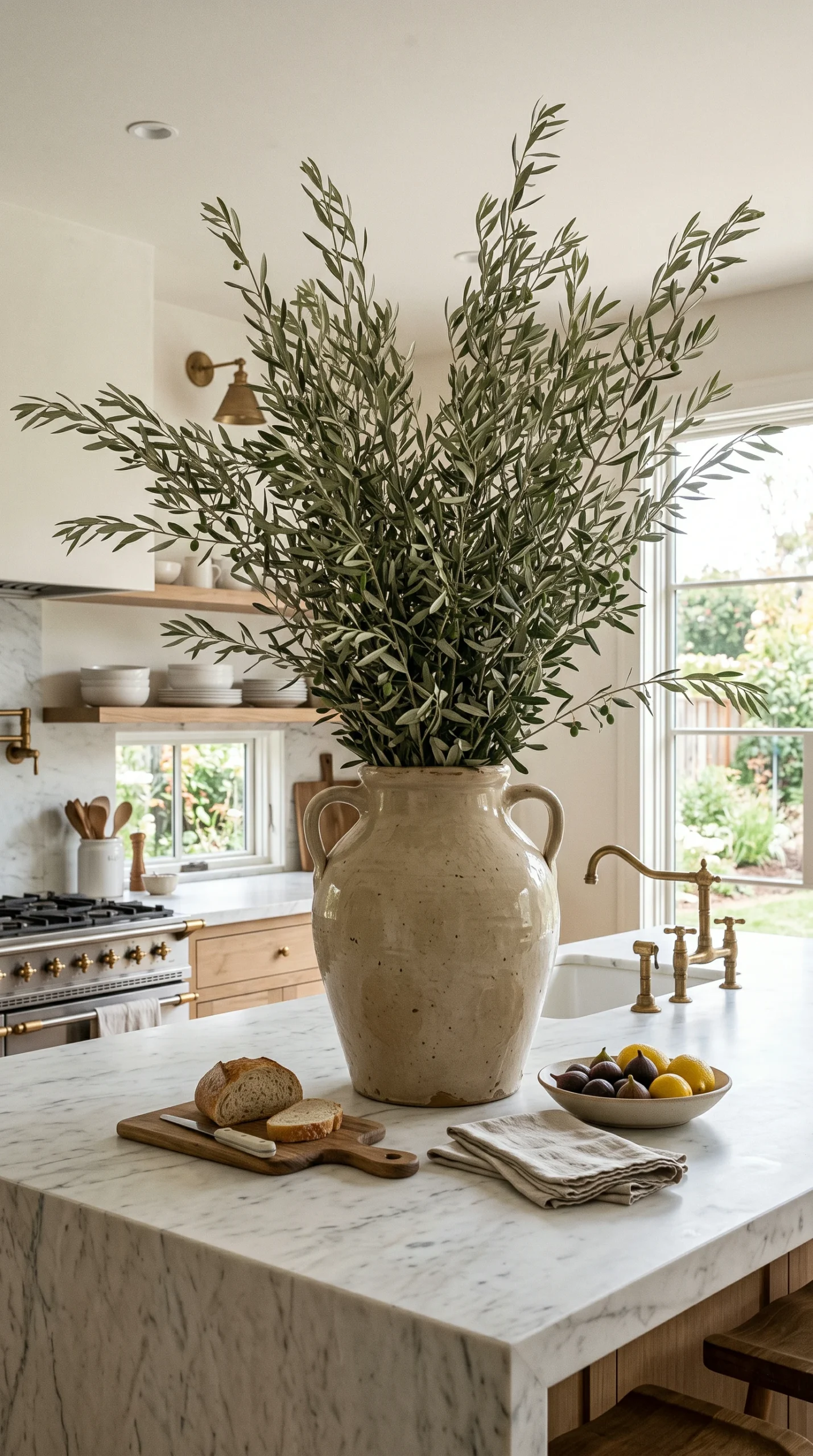
For modern kitchens or large islands, avoid tiny, fussy plants. Use scale. A single, massive, glossy green Monstera leaf or a tall, twisting olive branch in a clear vase makes a bold, sophisticated statement.
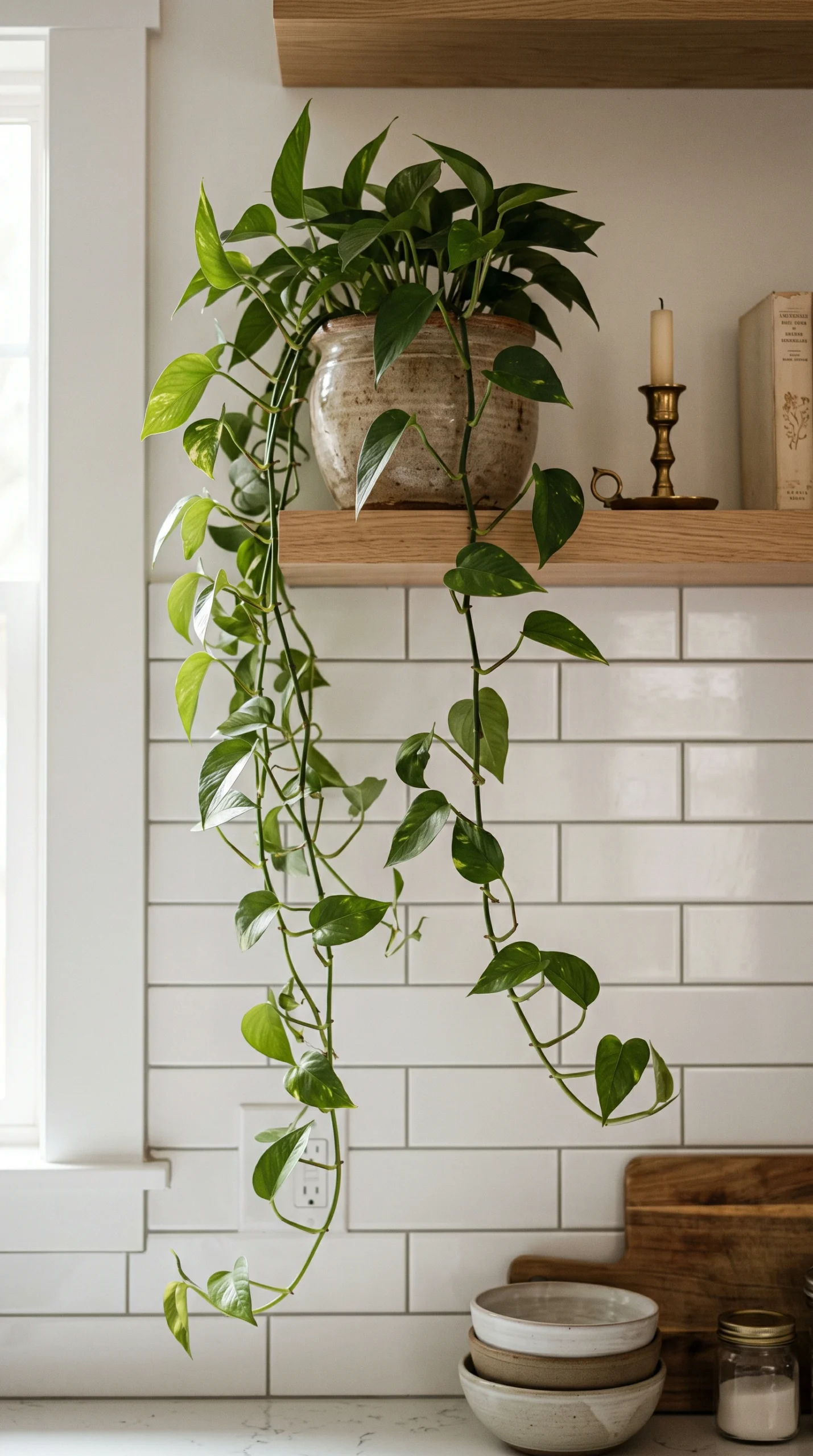
The sharp, 90-degree angles of upper cabinets can feel harsh. Place a trailing plant (like a Pothos or String of Pearls) on the highest shelf and let the vines cascade down to soften the architectural lines.
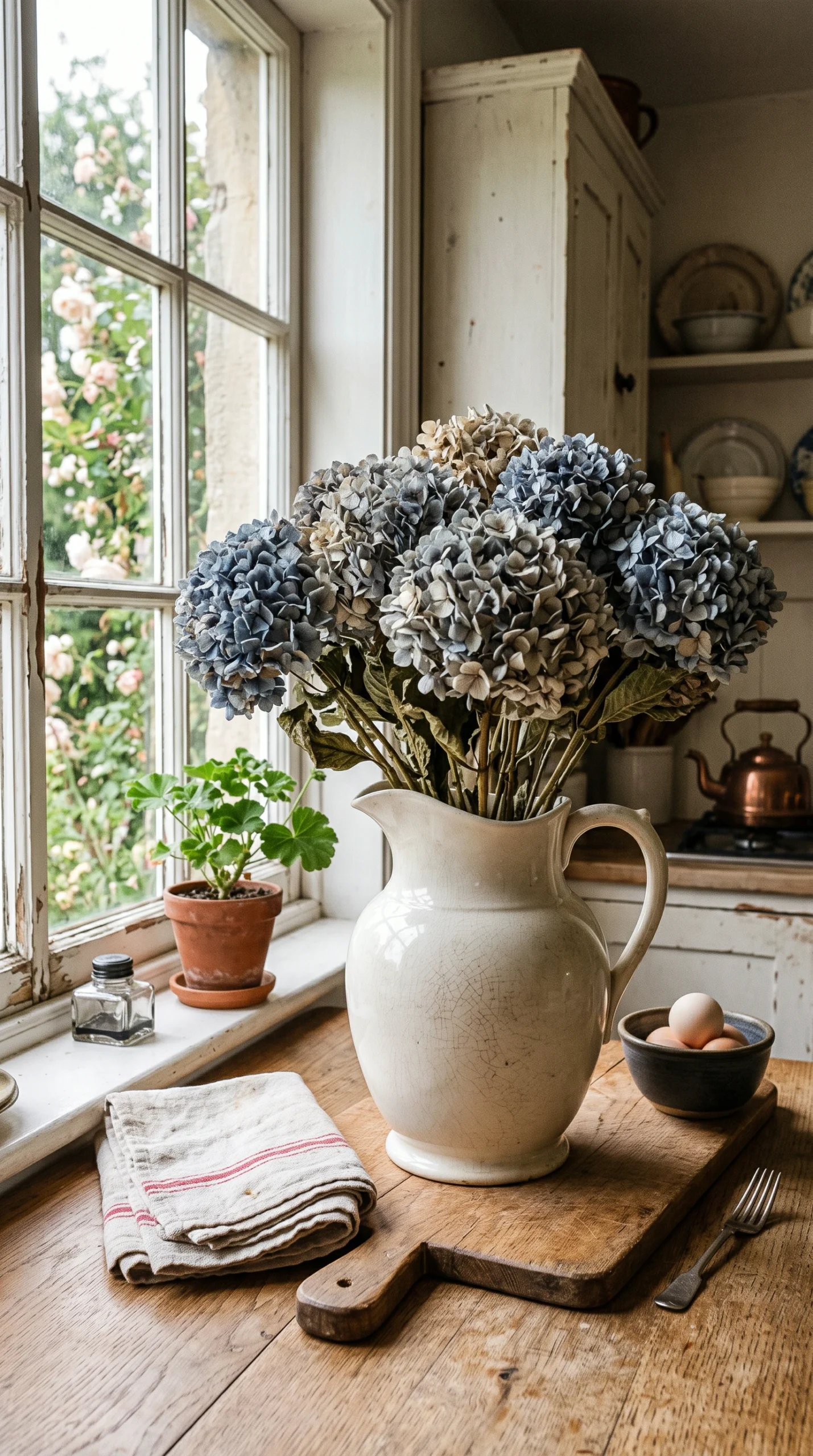
A beautiful plant in an ugly plastic nursery pot ruins the aesthetic. Invest in the vessel. Use heavy, weathered terracotta, a sleek ceramic basin, or a woven basket to hold the plant.
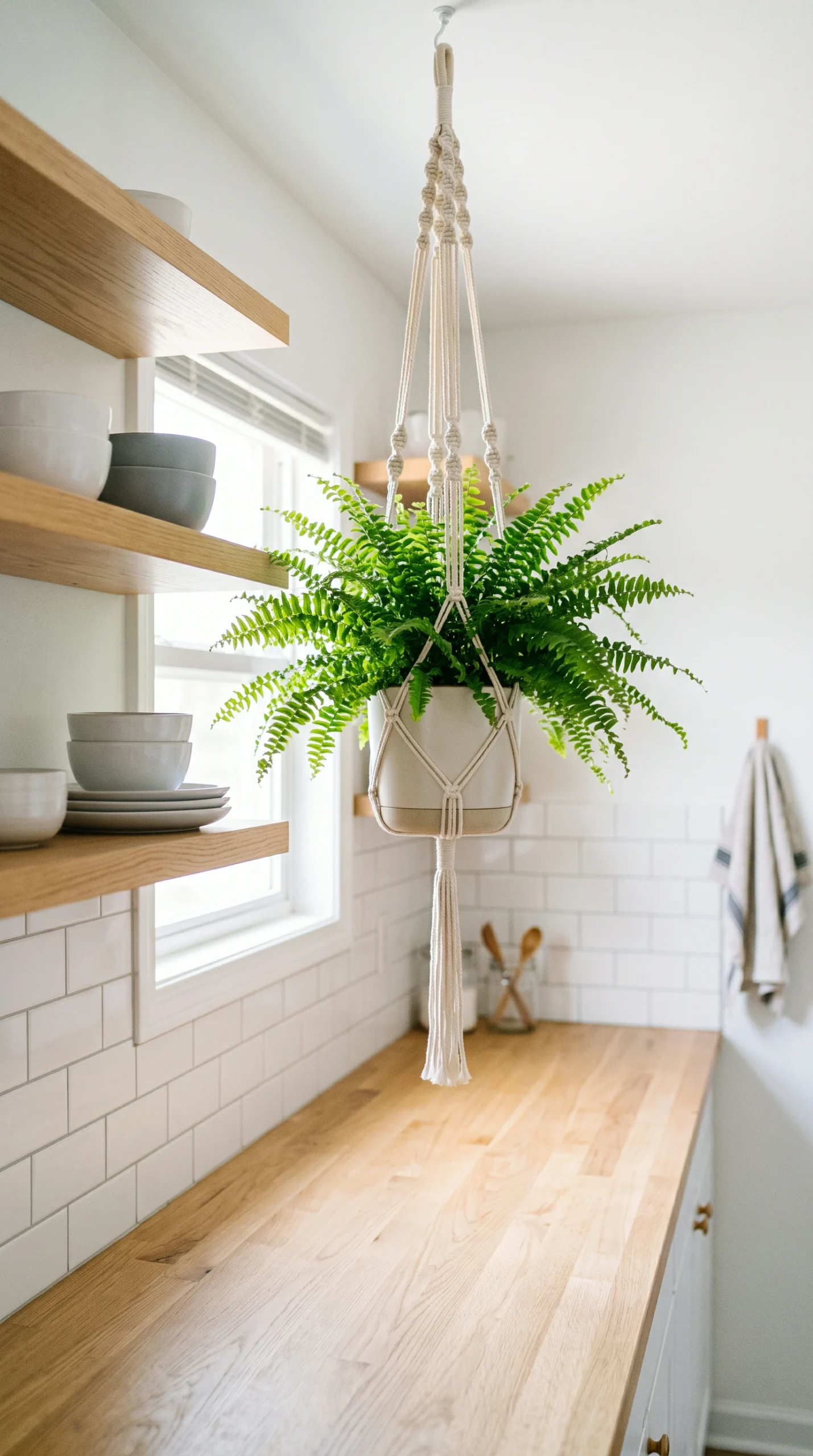
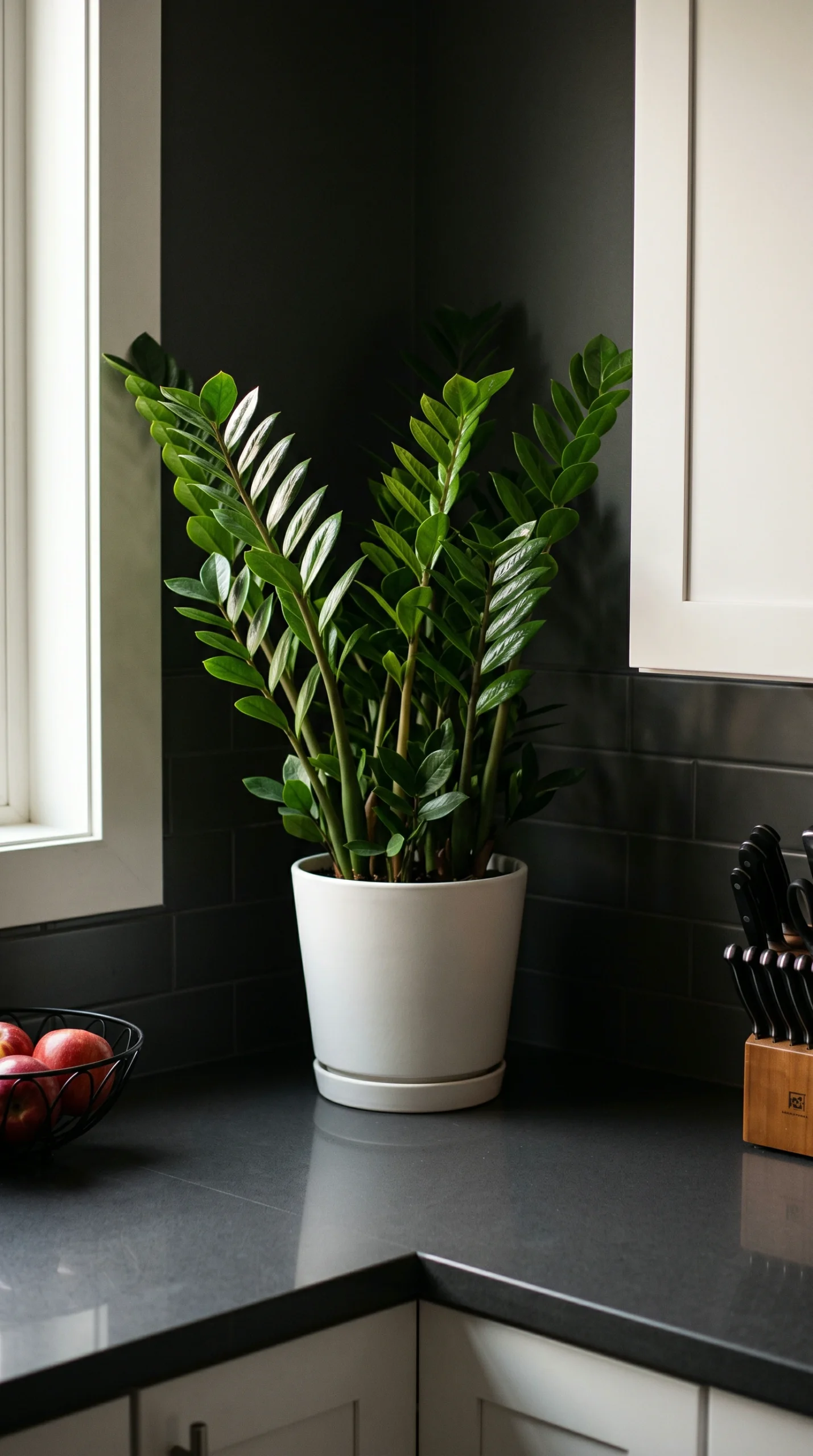
Do not clutter your primary chopping zone with massive pots. Keep plants pushed to the corners, elevated on shelves, or hanging from the ceiling to protect your functional workspace.
The inclusion of nature within interior design, known as biophilic design, has profound psychological benefits. In a room defined by the hard, unforgiving surfaces of stone, tile, and stainless steel, kitchen counter decor with plants is essential for creating a space that feels comfortable and human. The human eye is naturally drawn to the complex textures and vibrant colors of living things. Introducing a lush, trailing vine or a bright green herb instantly softens the severe architectural lines of the cabinetry, making the kitchen feel less like a clinical laboratory and more like a warm, welcoming, and vibrant heart of the home.
When styling a kitchen, the most successful elements are those that are both beautiful and useful. For a sunny kitchen, a countertop herb garden represents the pinnacle of kitchen counter decor with plants. Rather than purchasing herbs in plastic supermarket clam-shells, interior designers advocate for potting live plants. Placing a trio of basil, rosemary, and mint in matching, weathered terracotta pots or a sleek, unified metal trough near a south-facing window is exceptionally charming. It instantly communicates a culinary, ‘working kitchen’ atmosphere, providing both a vibrant visual focal point and immediate, fresh ingredients for the home chef.
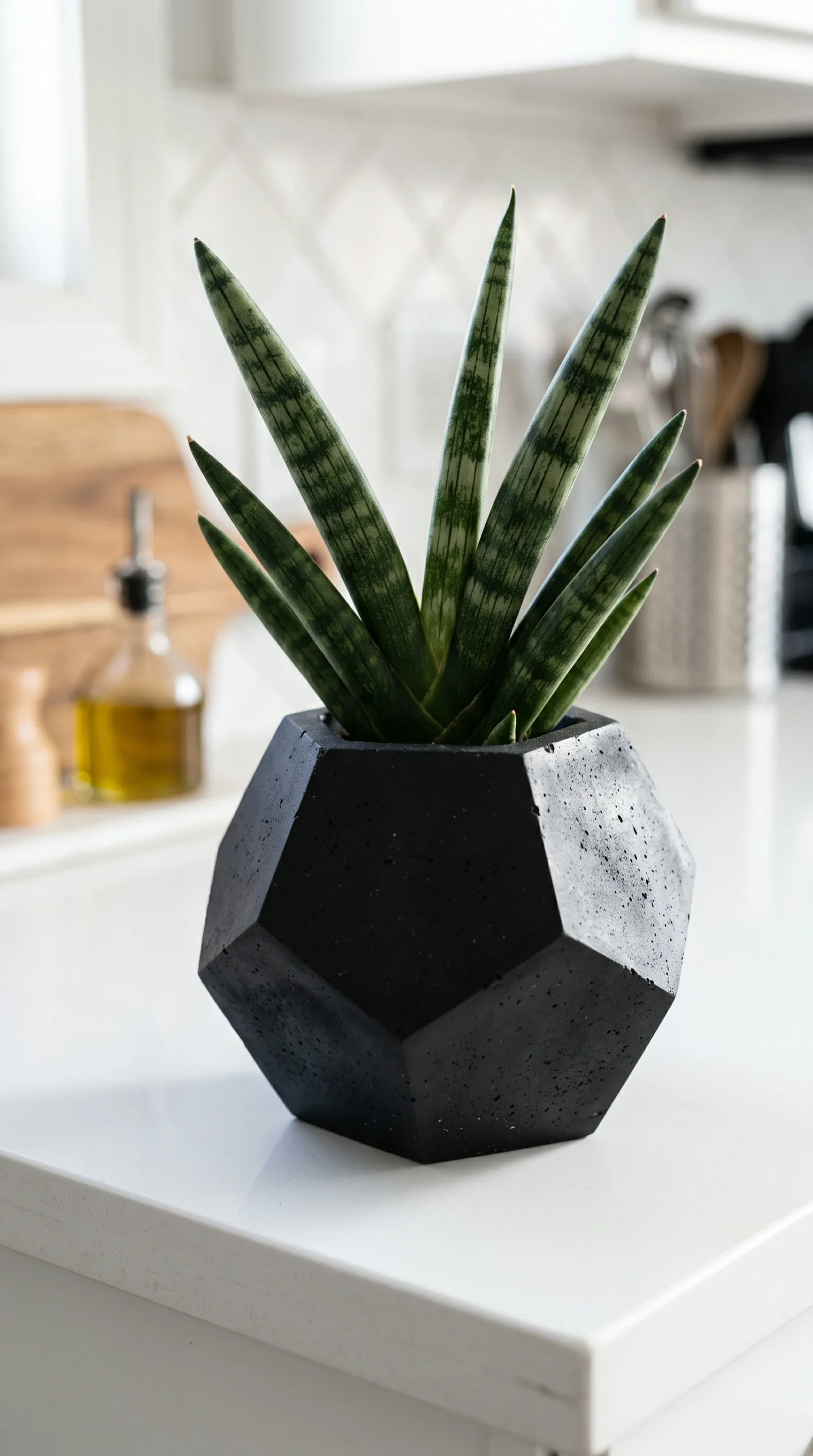
While clustered pots of herbs are perfect for a farmhouse or traditional aesthetic, a sleek, modern kitchen requires a different botanical approach. Fluffy, bushy plants can look chaotic against minimalist, flat-panel cabinetry. Modern kitchen counter decor with plants relies on ‘architectural’ foliage. This involves selecting plants that possess strong, rigid, or highly geometric structures. A single, massive, glossy Monstera leaf placed in a tall, stark glass cylinder, a rigid Snake Plant (Sansevieria) in a matte black concrete planter, or a single, twisting Manzanita branch provides the necessary organic life while perfectly echoing the sharp, disciplined lines of the modern architecture.
Kitchens are dominated by rigid, horizontal lines (the countertops) and harsh, vertical lines (the edges of the cabinets). To introduce a sense of relaxed fluidity, interior designers frequently employ trailing plants. Implementing kitchen counter decor with plants that cascade downward is a highly effective optical softening technique. Placing a lush, leafy Pothos or a delicate String of Hearts on the very top of the upper cabinets, on an open floating shelf, or even atop the refrigerator, allows the vines to drape down naturally. This cascading greenery breaks up the rigid geometry of the room, adding a layer of romantic, relaxed texture without consuming any valuable horizontal prep space.
In interior design, the container is just as important as the plant it holds. A stunning, healthy fern will look cheap and neglected if left in the thin, plastic nursery pot it was purchased in. Elevating kitchen counter decor with plants requires investing in high-quality vessels. The vessel must coordinate with the kitchen’s overall aesthetic. Heavy, aged terracotta pots provide immense warmth and rustic charm for traditional or Mediterranean kitchens. Sleek, seamless, matte-white ceramic basins or stark, geometric concrete planters are essential for contemporary spaces. Ensuring the pot is as beautiful as the plant elevates the arrangement from a ‘houseplant’ to a curated piece of decor.
The failure of botanical styling usually stems from ignoring the practical realities of the kitchen environment. First, light is non-negotiable. Placing a sun-loving succulent in a dark, windowless corner will result in a sad, dying plant that detracts from the decor. You must select species that match your light levels. Secondly, plants must never impede the primary function of the kitchen: cooking. Large, bushy plants should never be placed in the center of the main prep zone. Successful kitchen counter decor with plants dictates that greenery be pushed to the deep, unusable corners of the counter, elevated onto pedestals, or placed on separate islands, ensuring the critical workspace remains entirely unobstructed.