Walk-In Closet Organization Ideas That Actually Work

Taming a messy wardrobe requires more than just a quick tidy-up; it demands strategic systems that are easy to maintain. This guide explores foolproof walk-in closet organization ideas designed to permanently streamline your morning routine. From smart closet storage solutions and clever decluttering techniques to incorporating beautiful woven textures and organic materials, you will learn how to maximize every inch of space. Discover how to create a perfectly organized walk-in closet that not only holds all your belongings efficiently but also feels like a curated, calming retreat within your home.
Organic Modern /
Variable Cost Range
Beginner Friendly Setup
Walk Closet Organization

Masterful Closet Organization

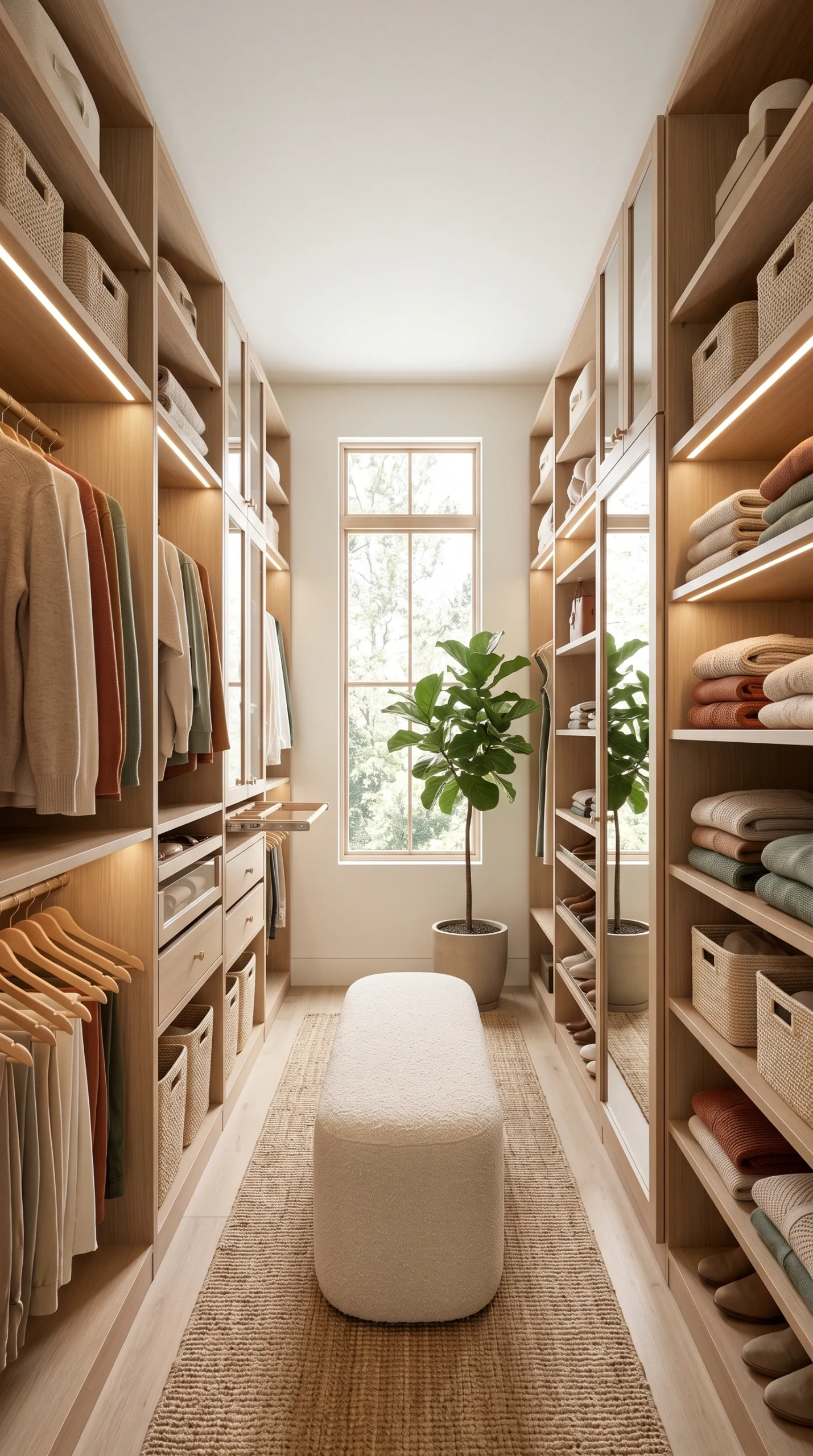
A curated gallery of highly functional and beautifully styled closets, highlighting the use of natural materials, categorized zones, and smart decluttering techniques.

Building an Organized System

Implement these foundational organization strategies to transform a chaotic wardrobe into a perfectly structured and easy-to-maintain space.

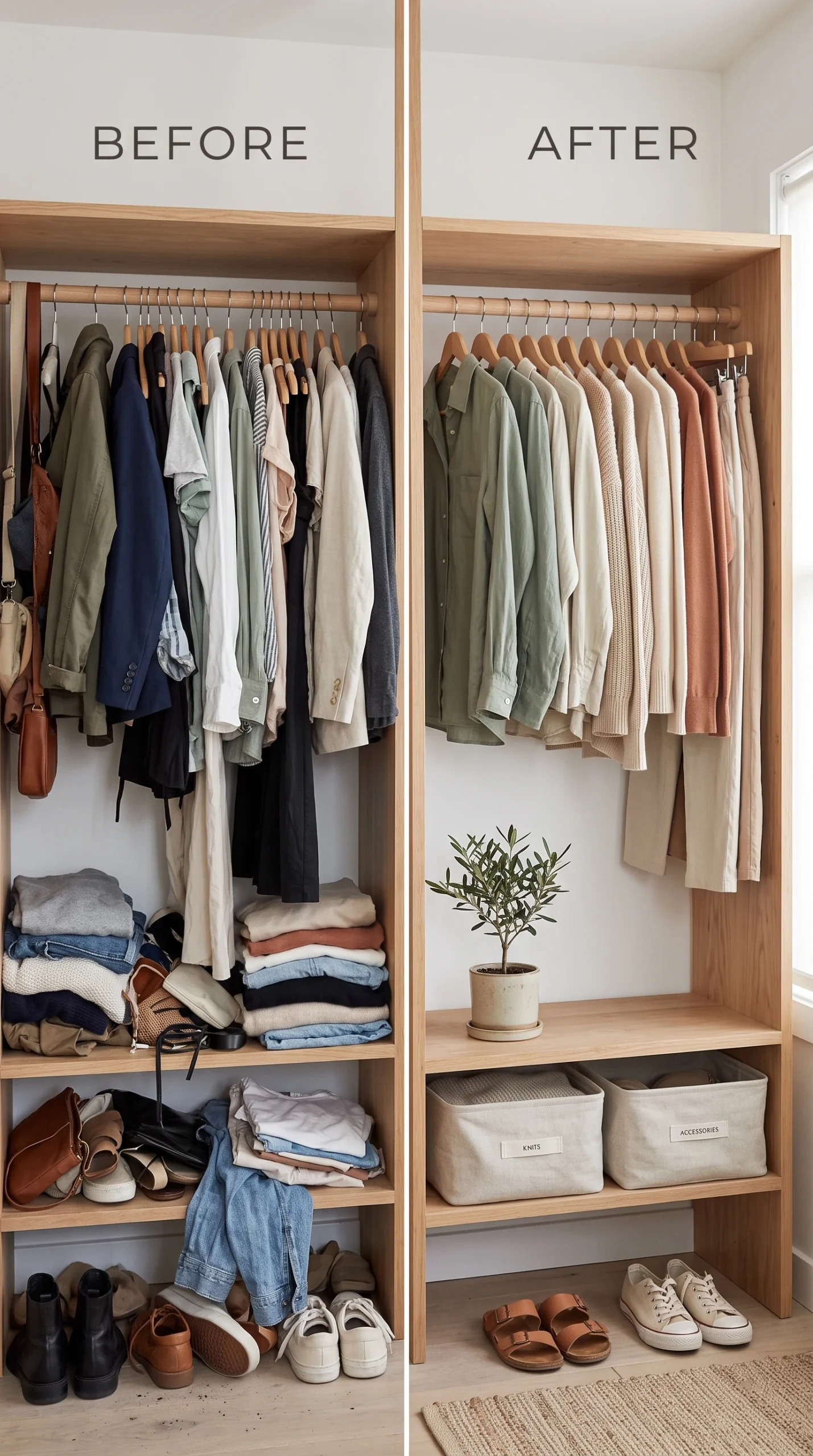
Ruthless Decluttering

Empty the space entirely and donate anything unworn in the last year.

Strategic Zoning

Group clothing by category, season, and color for rapid morning retrieval.

Textured Bins

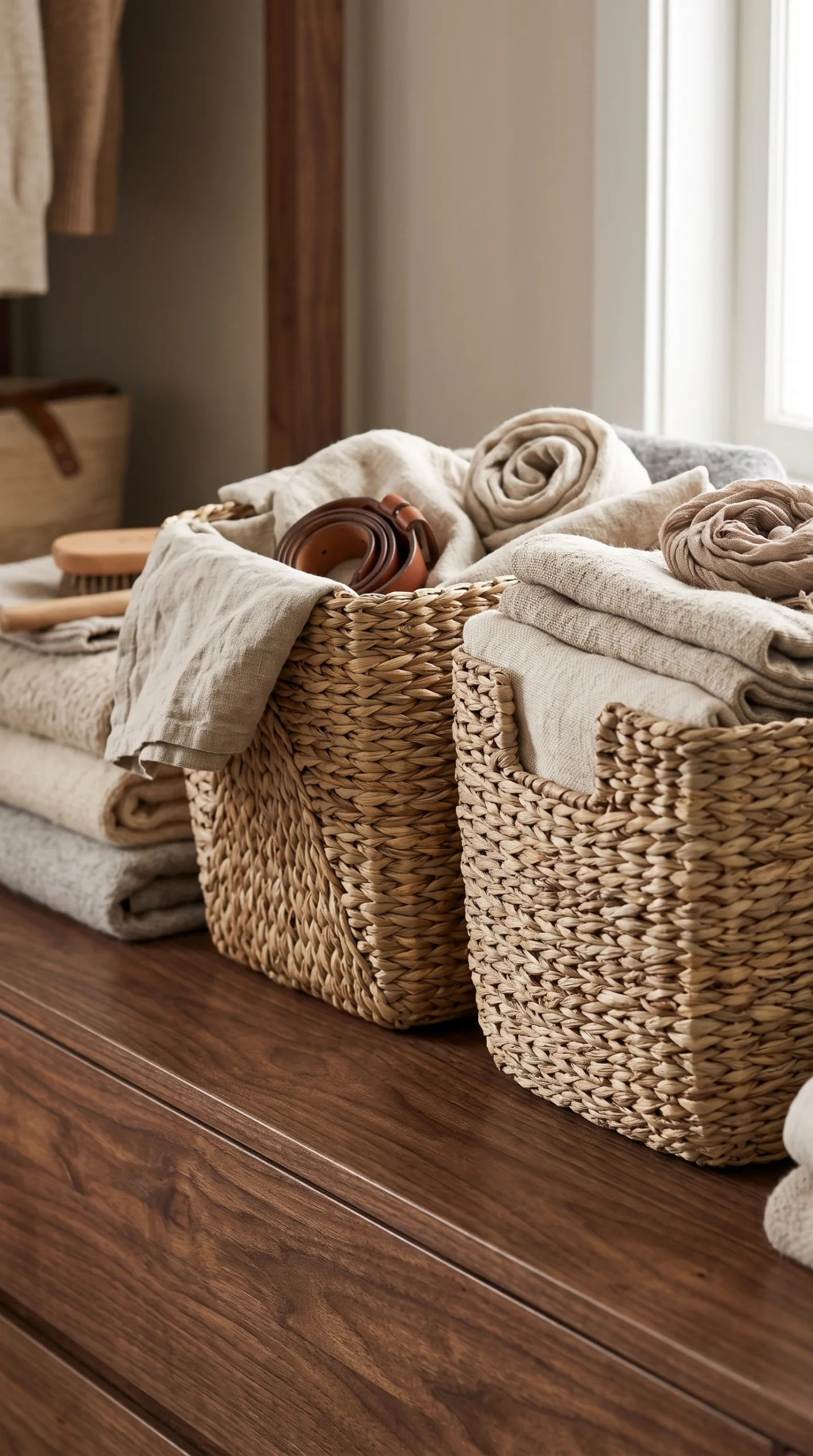
Use layered linen or woven seagrass baskets to conceal loose accessories.

Uniform Hangers

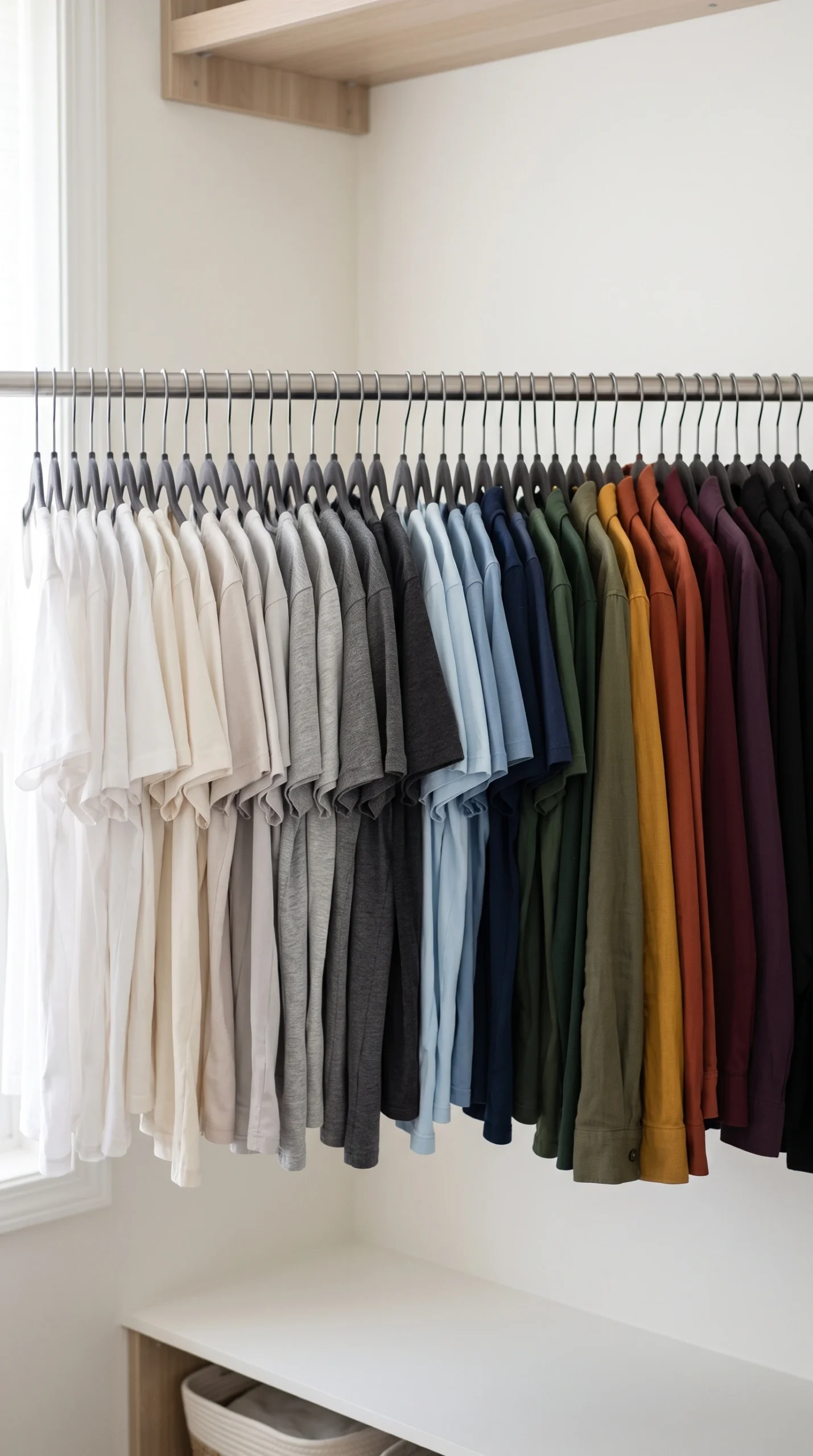
Switch entirely to slim, matching hangers to instantly eliminate visual chaos.

Vertical Utilization

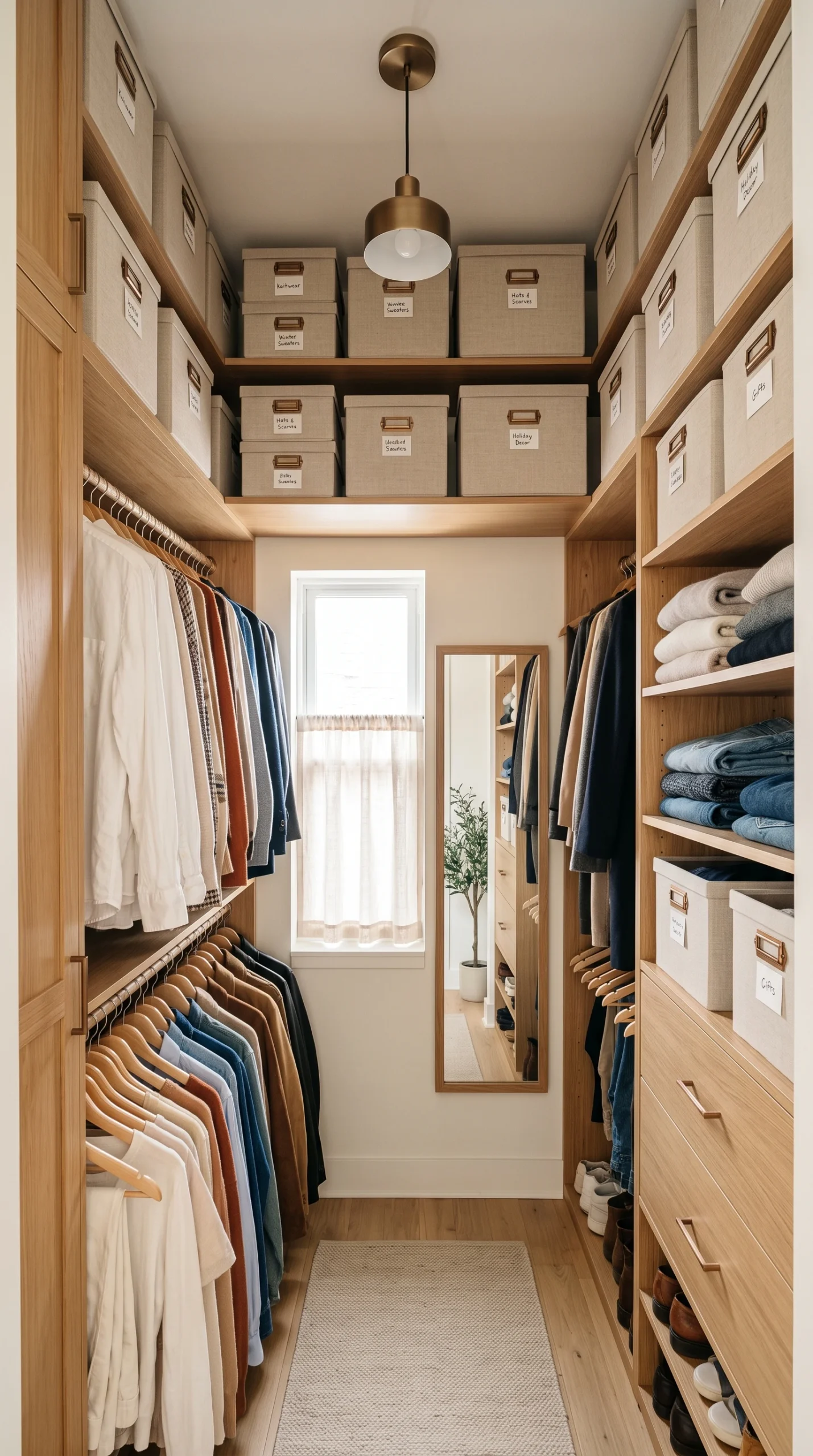
Install extra shelves near the ceiling for out-of-season and bulky items.

Drawer Dividers

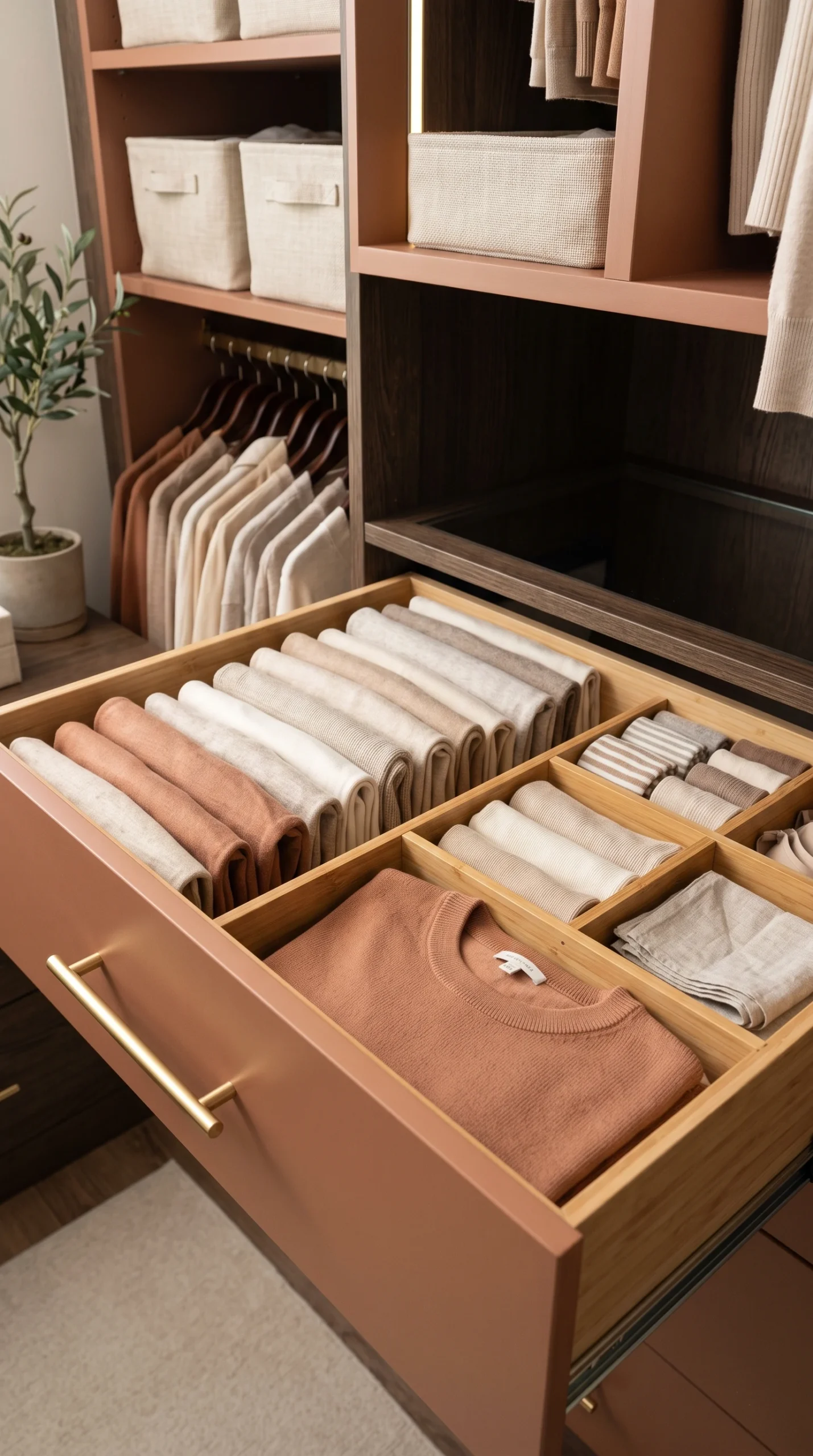
Insert bamboo or acrylic grids into drawers to keep undergarments categorized.

The Complete Guide to Closet Storage Solutions

Achieving a beautifully organized walk-in closet is entirely possible, even in smaller urban homes. The key to lasting organization is moving away from quick fixes and instead establishing intuitive closet storage solutions that make putting things away easier than leaving them out. By combining rigorous decluttering with aesthetic, organic modern storage elements, your closet can become a peaceful, functional haven.

The Foundation: Closet Decluttering Ideas

Before buying a single bin or basket, you must declutter. An organized walk-in closet is impossible to achieve if it is bursting with items you no longer wear. Take everything out—yes, everything. Sort your clothing into “keep,” “donate,” and “discard” piles. Be honest about your current lifestyle and body. If a piece doesn’t fit, is damaged, or hasn’t been worn in over twelve months, it is time to let it go. This vital step clears the physical and visual space necessary to build a new system.

Establishing Zones and Categories

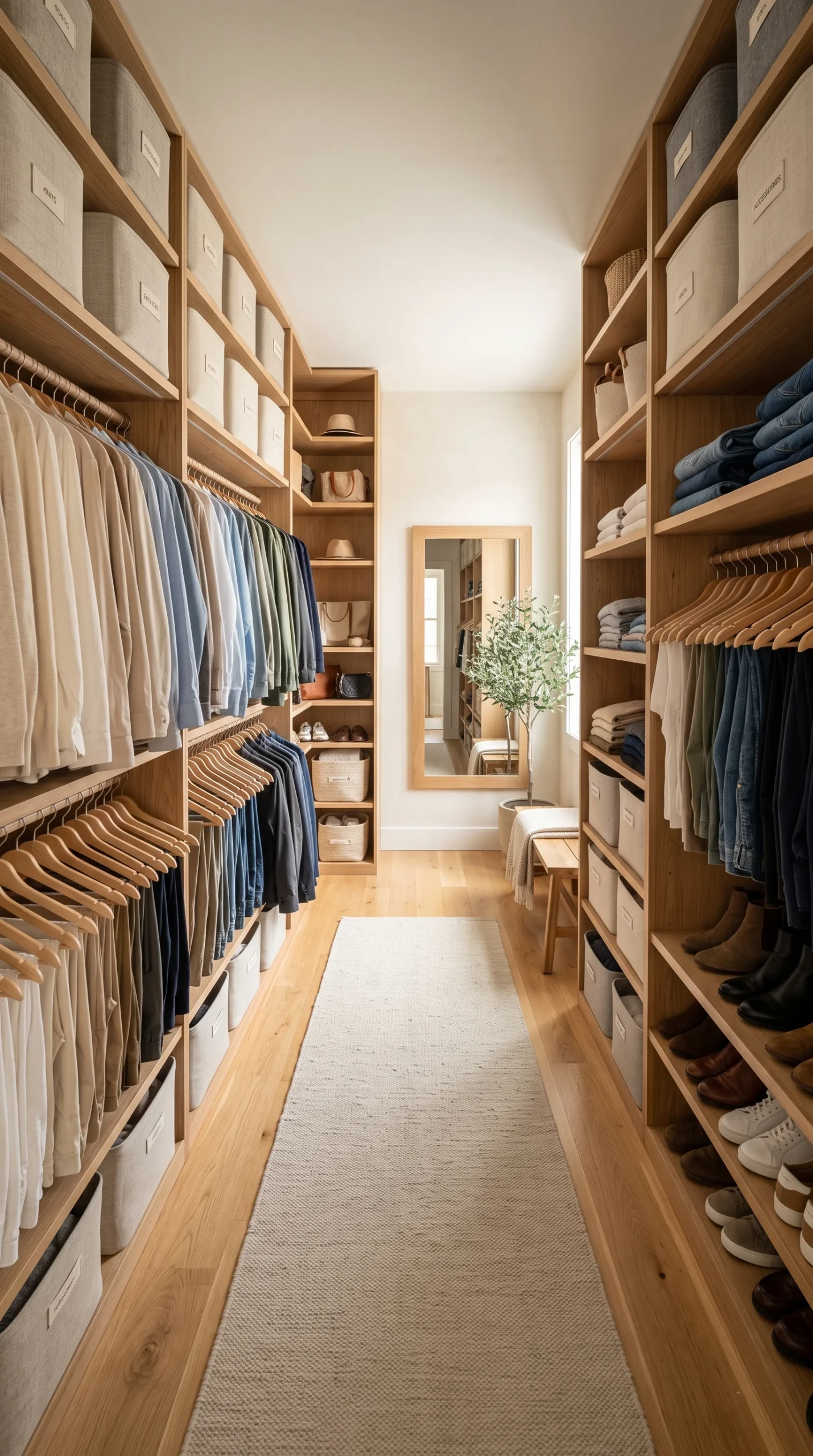
Once you have pared down your belongings, it is time to zone your closet. Treat your wardrobe like a boutique. Dedicate specific sections of your raw timber shelving for folded sweaters, jeans, and activewear. On the hanging rods, group items first by type (jackets, long-sleeve shirts, dresses) and then seamlessly color-coordinate them from light to dark. This level of micro-organization drastically cuts down the time you spend searching for specific items and creates a highly pleasing visual gradient.

Maximizing Shelves with Layered Storage

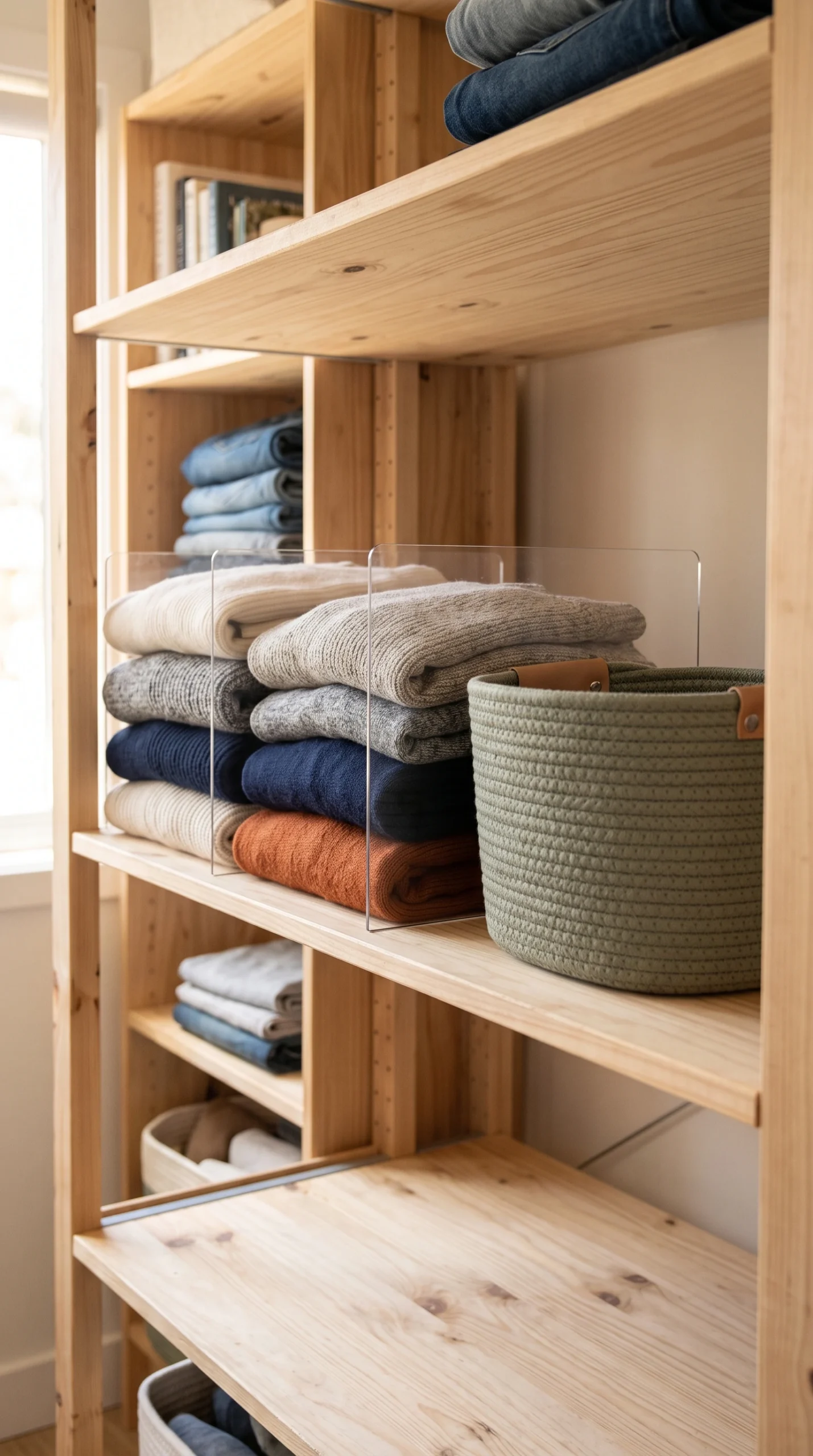
Open shelving can quickly become a dumping ground. To prevent this, utilize layered textile bins and woven baskets to corral smaller items like belts, scarves, and off-season clothing. Natural Linen and woven seagrass boxes not only conceal clutter but also introduce an element of organic modernism that softens the hard lines of the cabinetry. Add elegant label clips to the front of each bin so you never have to guess what is inside.

Mastering Drawer and Shoe Organization

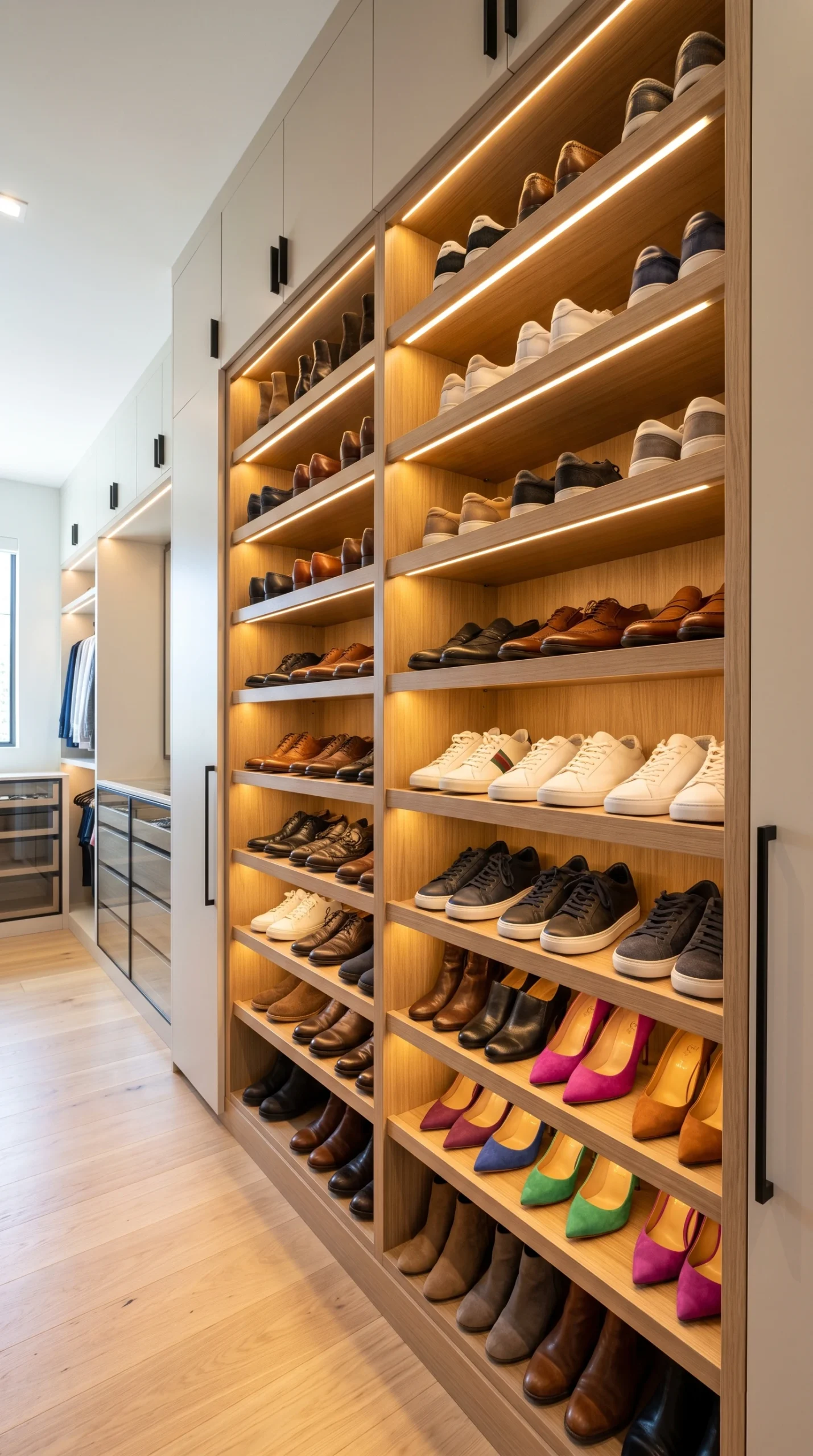
Drawers are notorious for becoming messy tangles of clothing. Implement bamboo or adjustable acrylic drawer dividers to give every pair of socks, ties, and undergarments a designated home. For shoes, maximize your vertical space by using stackable clear drop-front shoe boxes, or line them up on lower shelves using tension rods as heel catches. Storing shoes head-to-toe saves horizontal space, allowing you to fit more pairs on a single shelf.

Frequently Asked Questions

Practical answers and expert tips to help you conquer clutter and maintain a beautifully organized walk-in closet.
The best starting point is a complete purge. Take every single item out, clean the shelves and rods, and strictly declutter before putting anything back in.
Group them first by category (e.g., all long-sleeve shirts together, all pants together), then by length, and finally color-code them from light to dark to create a cohesive look.
For belts, scarves, and hats, use woven baskets, layered textile bins on open shelves, or insert adjustable bamboo dividers directly into your drawers.
Yes. Swapping mismatched plastic and wire hangers for uniform, slim velvet or wooden hangers is the fastest way to instantly make a closet look organized and free up to 30% more rod space.
Adopt the “one in, one out” rule. For every new item of clothing you buy, donate or discard an old one. Additionally, spend 5 minutes every Sunday doing a quick reset of your zones.
Wash or dry clean out-of-season items, then store them in airtight, fabric-covered bins on the very top shelves of your closet, or in under-bed storage boxes to free up prime real estate.
Use the “file folding” method (like Marie Kondo) for drawers, but for open shelves, use shelf dividers to keep stacks of sweaters and jeans crisp and prevent them from toppling over.
Keep items off the floor entirely. Move shoes to vertical shelving or stackable boxes, and use a hanging laundry hamper instead of a freestanding basket.
Store your most frequently worn, in-season everyday clothing at eye level. Occasional wear should be placed higher up, and heavy or bulky items should go near the bottom.
Use adjustable shelving, store them heel-to-toe to save width, or use clear, stackable drop-front shoe boxes so you can easily see your collection while keeping them dust-free.