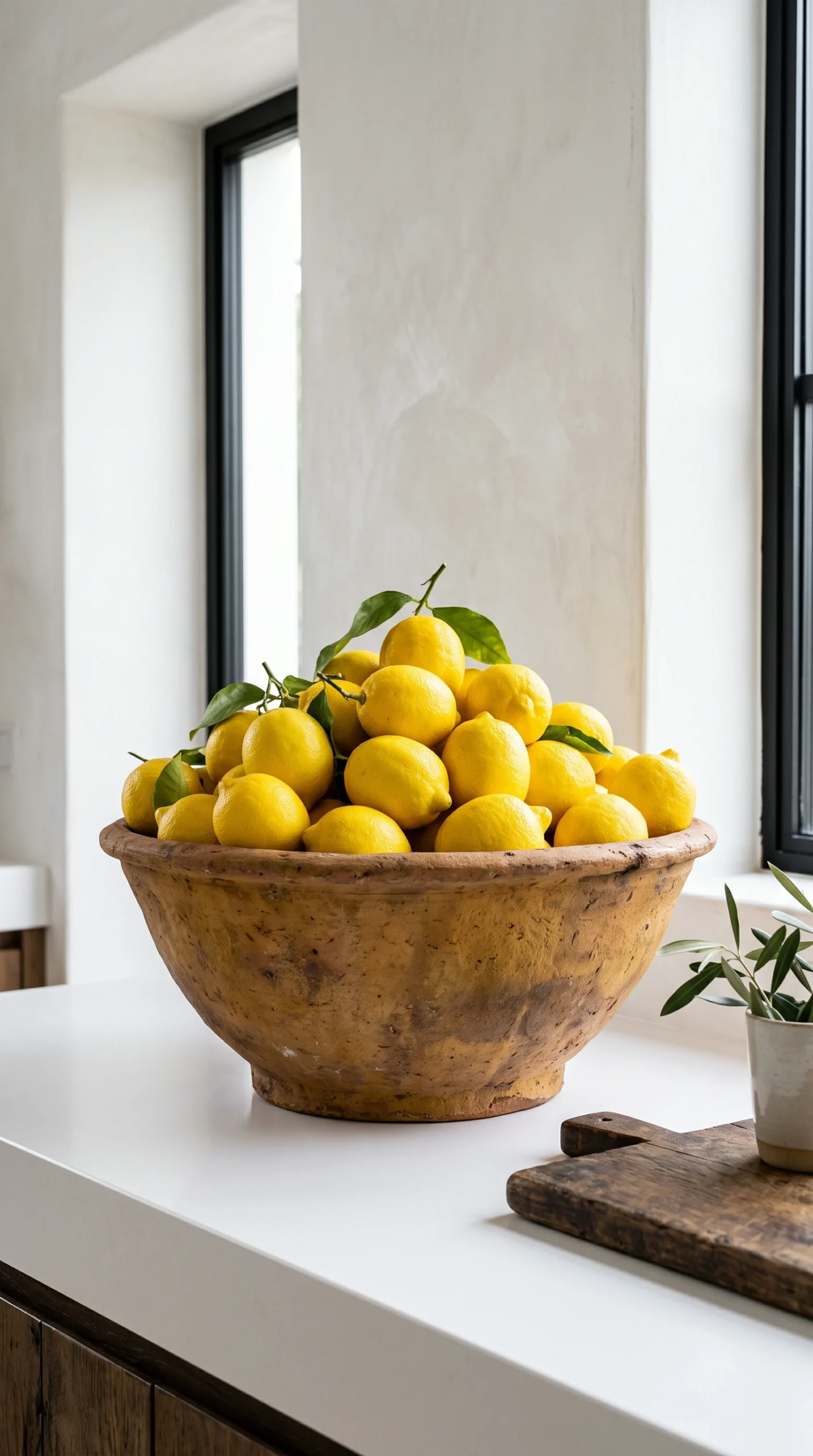
Never use bright red, bright blue, or bright yellow. They are too aggressive. You must use heavily muted, 'muddy' versions of these colors.
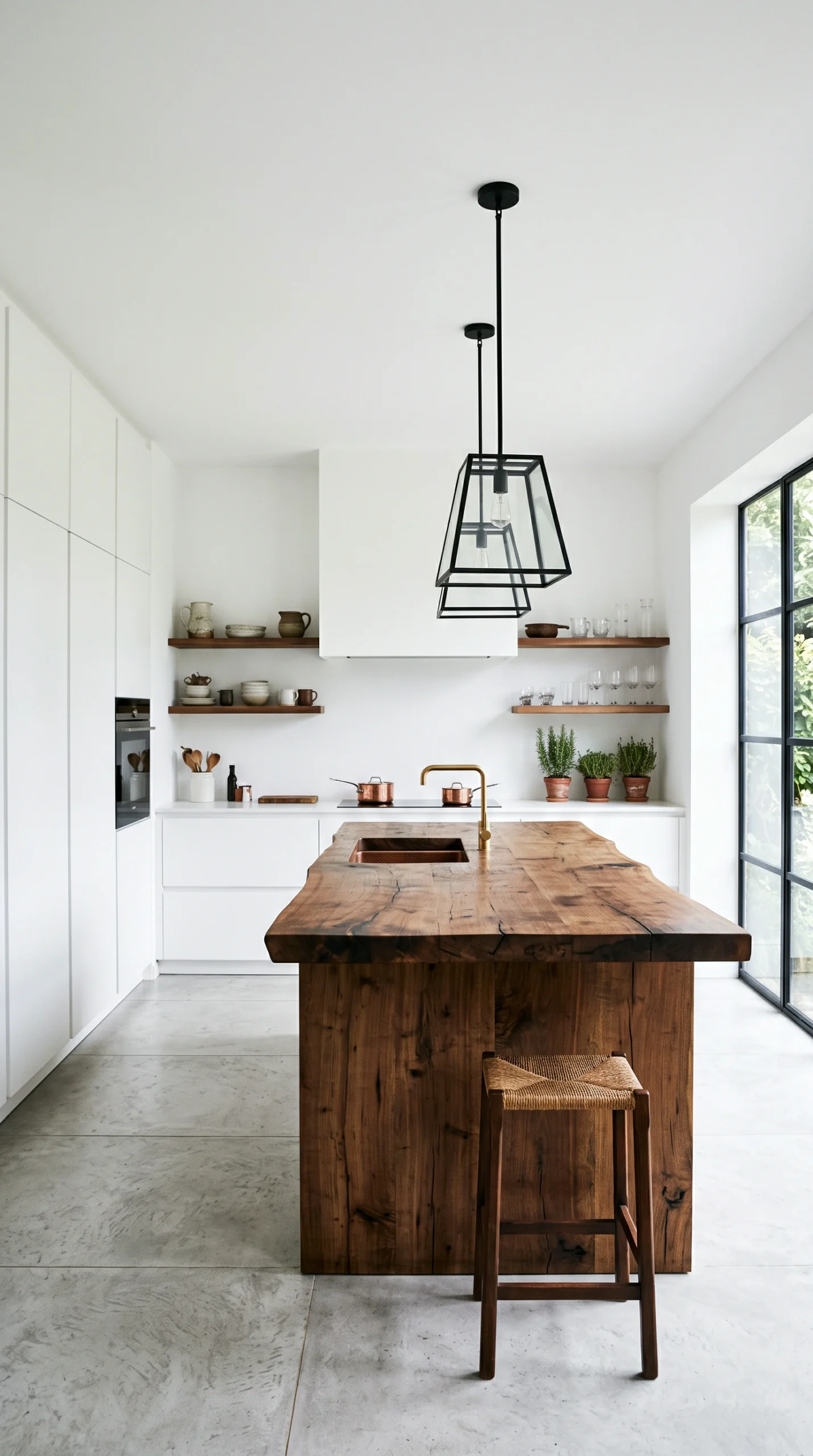
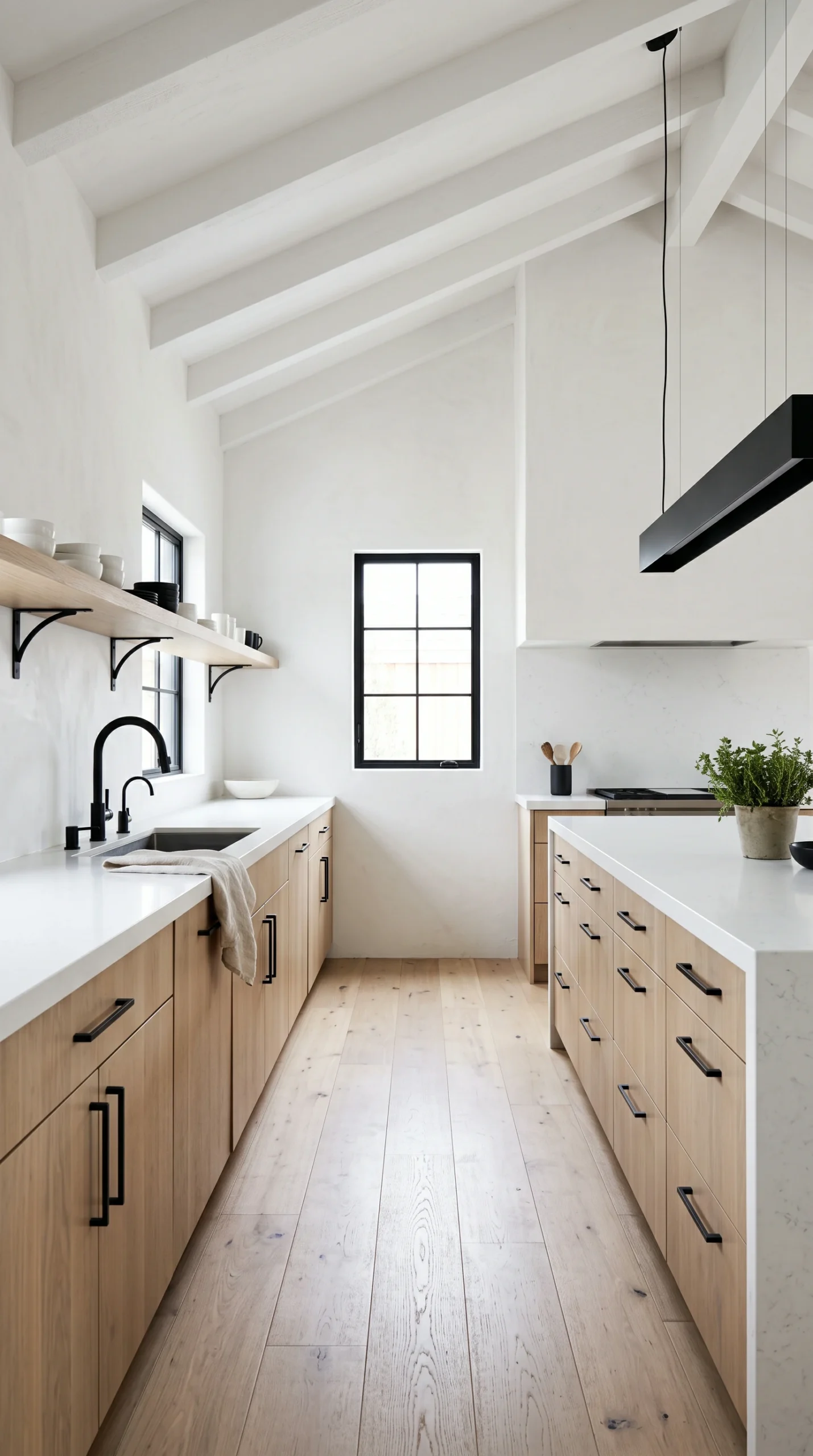
Modern design requires negative space. Use a brilliant, stark white (not a yellow cream) on the walls to aggressively reflect light and modernize the room.
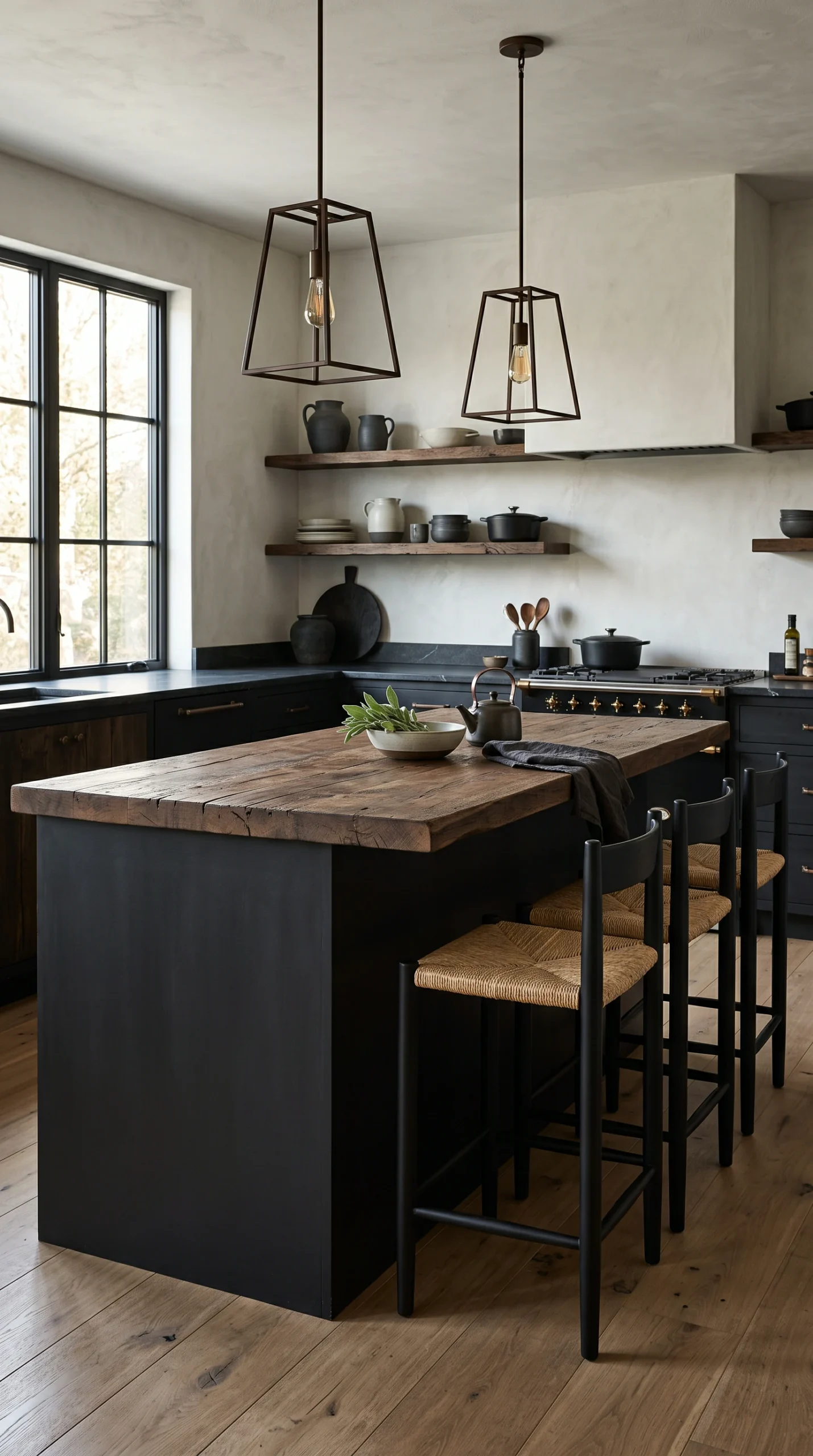
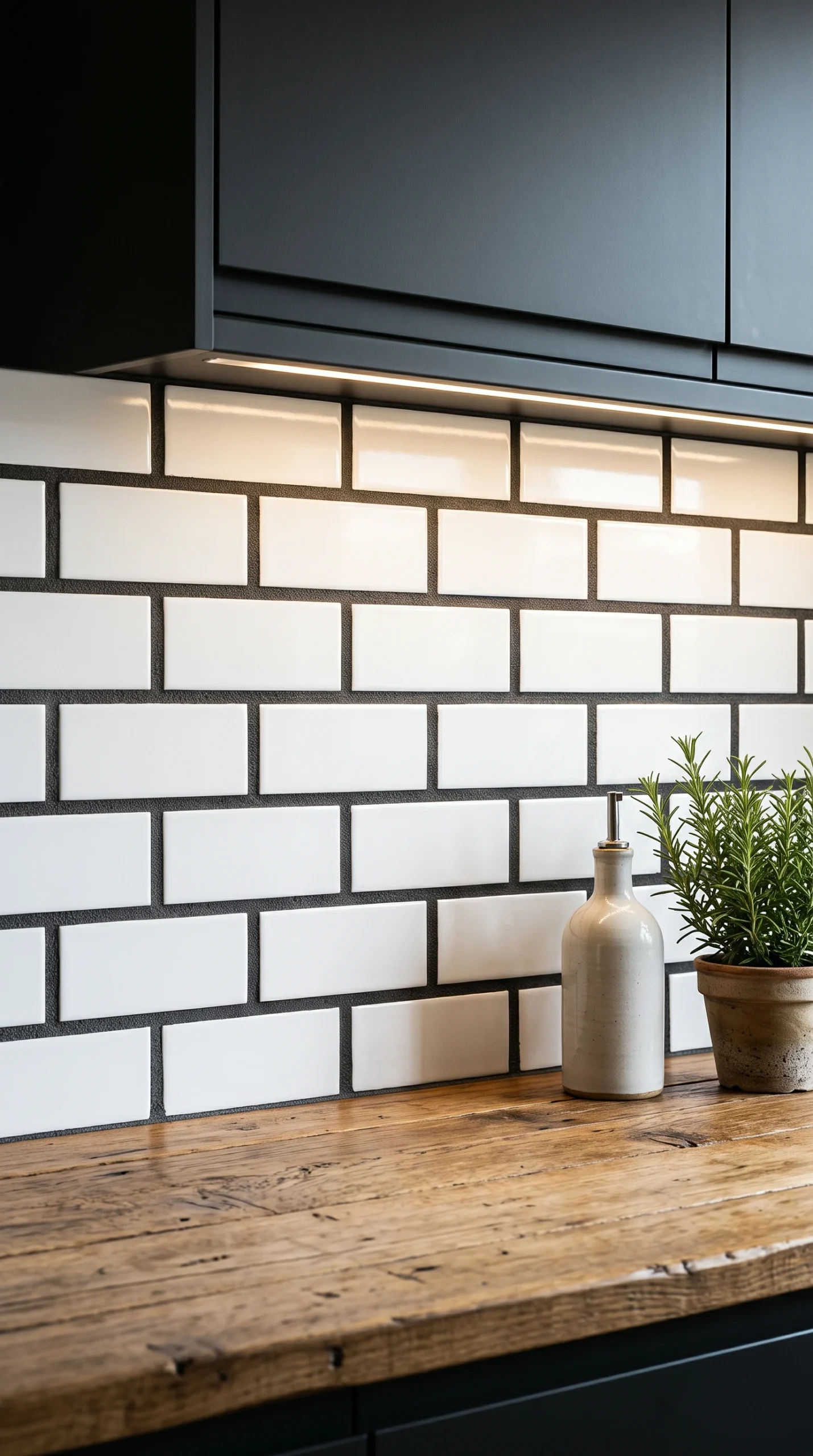
Matte black is the ultimate rustic modern color. It is severe and modern, but acts as an incredible, grounding backdrop for warm rustic woods.
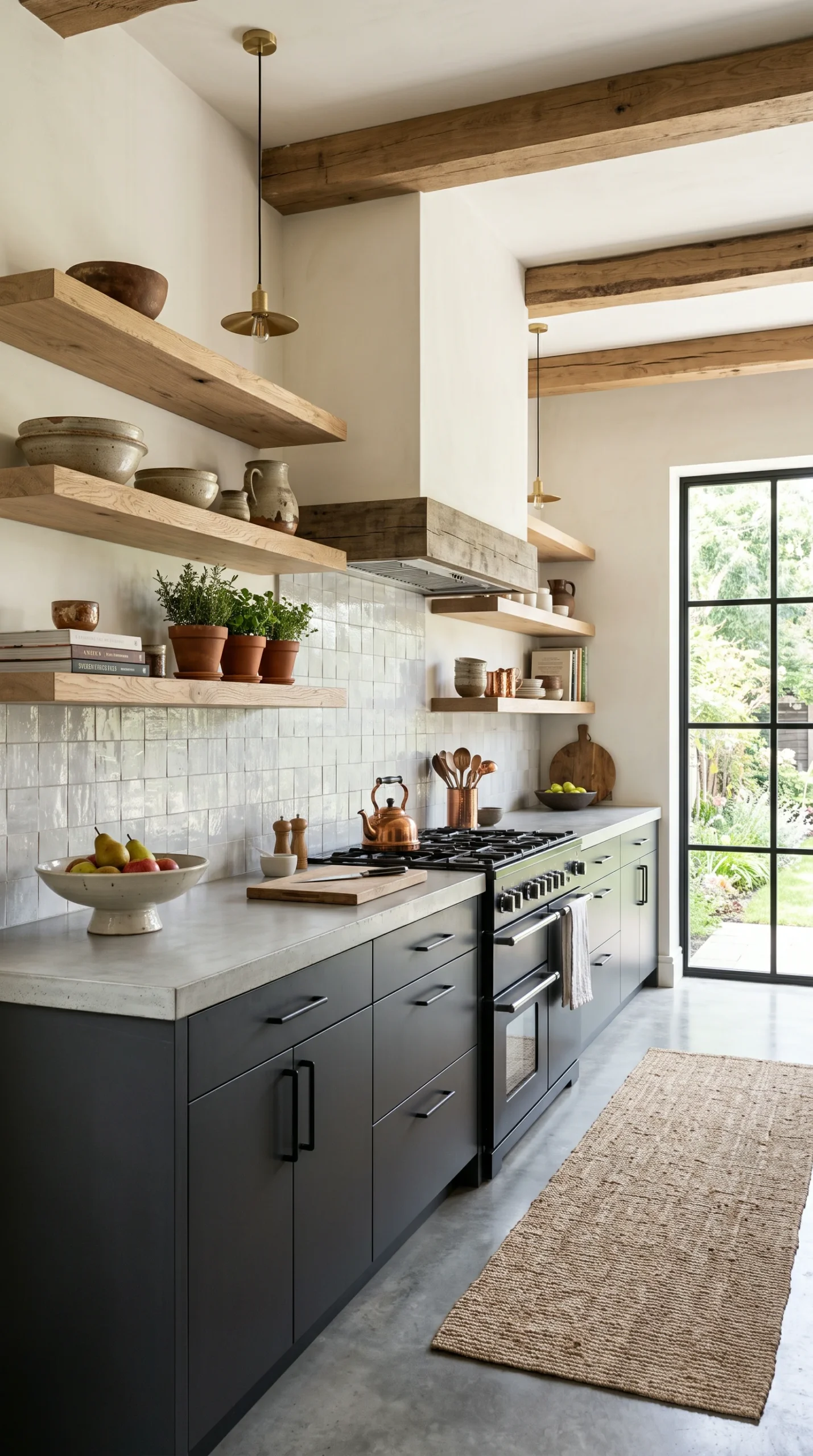
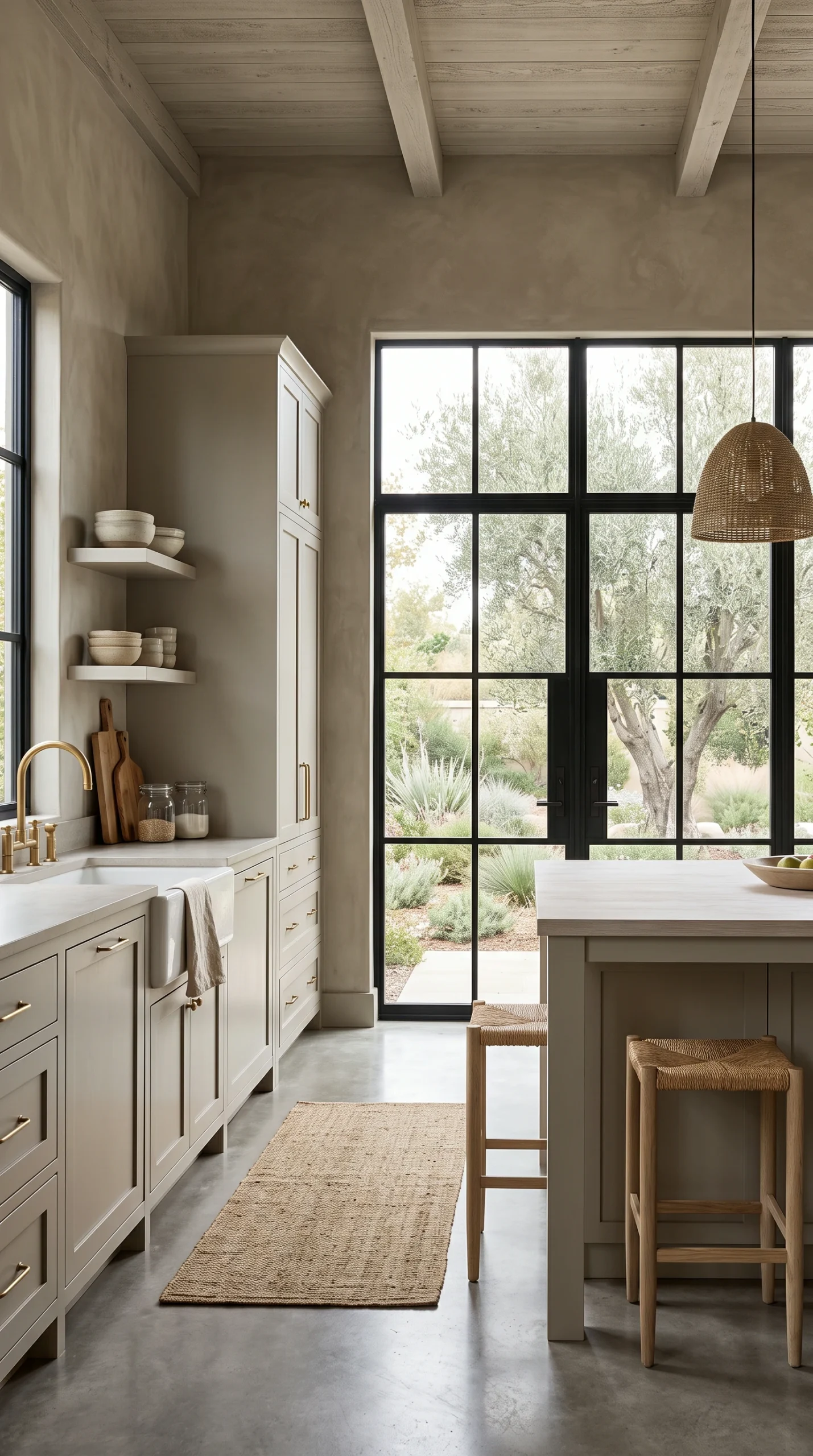
In this aesthetic, natural wood grain is considered a primary color. If you have heavy wood beams, tone down the paint colors to let the wood shine.
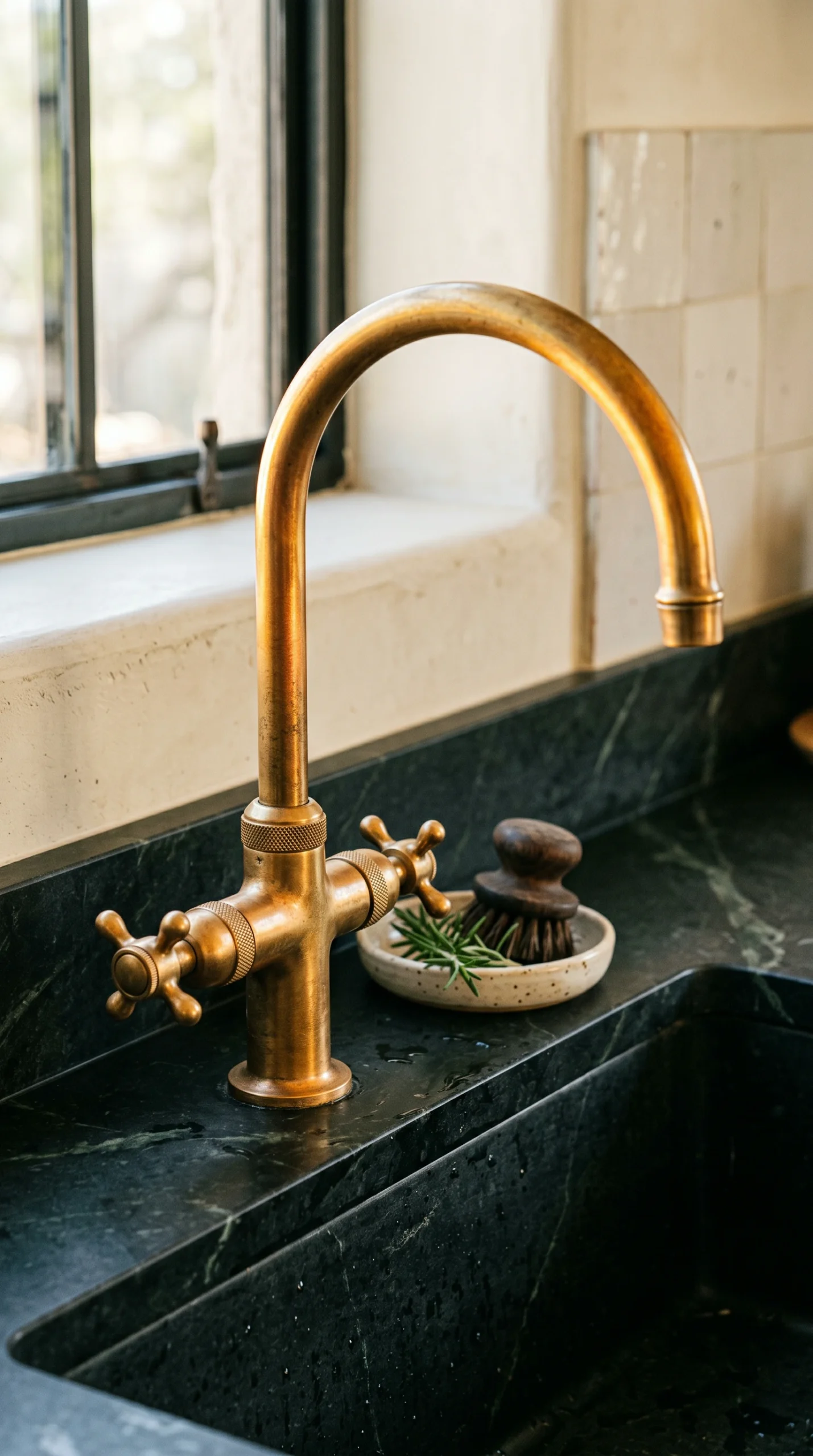
High-gloss paint ruins the rustic vibe. Every single painted surface (walls and cabinets) must be finished in a dead-flat matte or low-sheen satin.
60% of the room should be stark white (walls), 30% should be raw wood (floors/beams), and 10% should be a severe accent color (matte black cabinets).
The absolute non-negotiable foundation of all successful rustic modern kitchen colors is a stark, brilliant white. Because rustic elements (like heavy barn beams and dark stone floors) inherently absorb light and make a room feel smaller and darker, you must aggressively fight back with the wall color. Do not use a traditional, warm, yellow-based cream; it will make the room look old and dirty. You must select a crisp, architectural white with a very slight grey or neutral undertone (like Benjamin Moore’s Simply White). This massive expanse of bright, modern white drywall acts as a brilliant canvas, allowing the heavy, dark rustic elements to ‘pop’ visually without suffocating the space.
If white is the canvas, matte black is the ink. Black is the ultimate bridge color in this hybrid aesthetic. A glossy black is strictly modern, but a dead-flat, chalky matte black possesses a heavy, industrial, almost historical quality (reminiscent of wrought iron or old woodstoves). When selecting rustic modern kitchen colors, use matte black aggressively for grounding. Paint the entire base of the kitchen island matte black, or use it for all the window frames, the lighting fixtures, and the cabinet hardware. This severe, dark color provides the necessary sharp, modern geometry that prevents the rustic woods from feeling too ‘country.’
If you wish to introduce actual color beyond black, white, and wood, you must apply the ‘mud’ rule. Bright, vibrant colors look cheap and jarring against raw, historical textures. The most sophisticated rustic modern kitchen colors are deeply desaturated jewel tones. Instead of a bright emerald green, select a ‘muddy’ olive or a dark, moody forest green. Instead of a bright navy, choose a deep, heavily greyed-out slate blue. These muted, earthy colors look as though they were derived directly from nature. When applied to lower cabinets in a matte finish, they provide incredible warmth and personality while maintaining a strictly high-end, sophisticated edge.
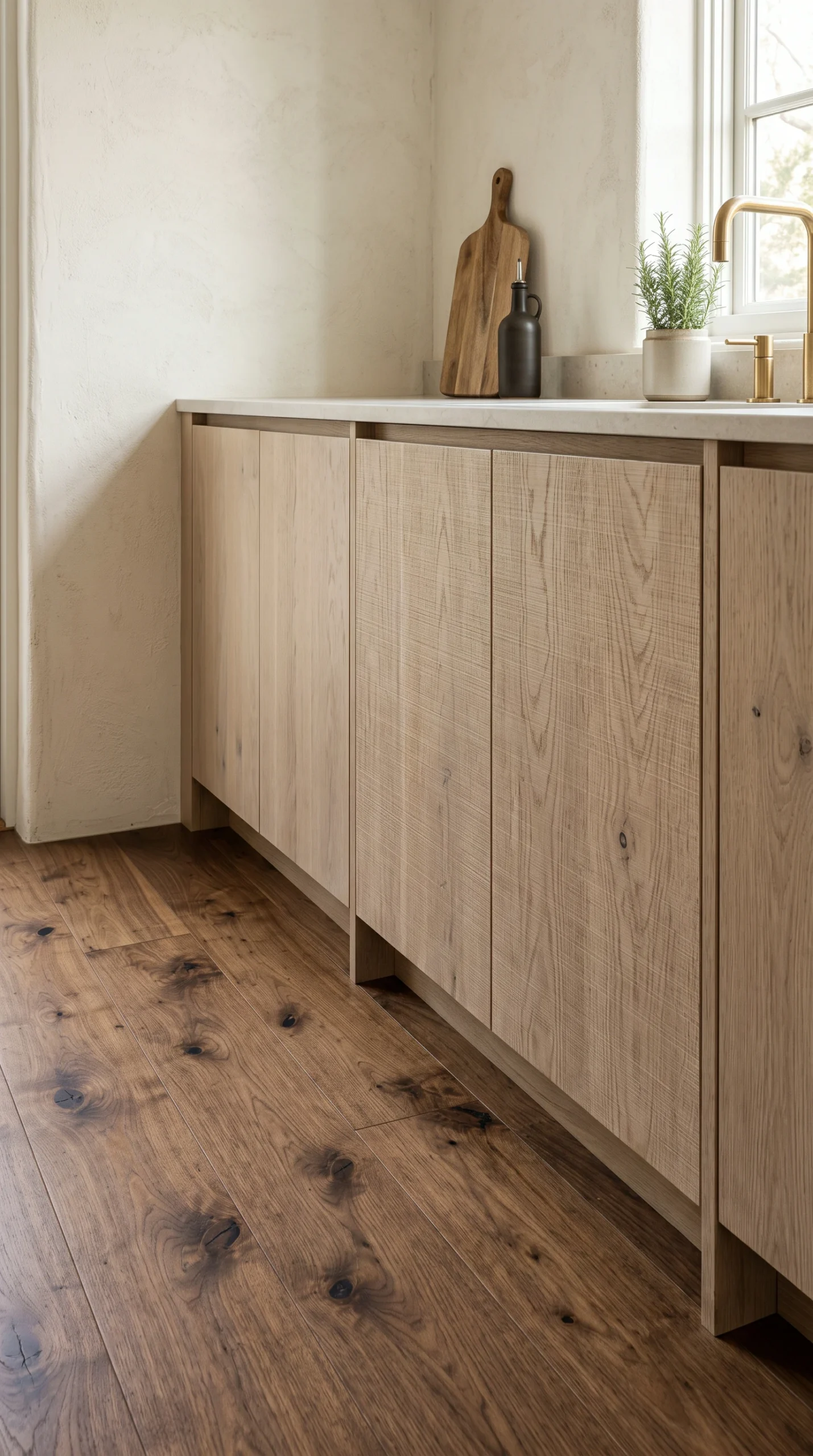
In this specific architectural style, you must stop viewing wood as simply a building material and start treating it as a dominant color in your palette. The natural orange, yellow, and brown tones of the wood are what provide 100% of the warmth in the room. If you are executing rustic modern kitchen colors, do not paint over beautiful wood. Let the pale, sandy tones of a white oak floor, or the deep, rich chocolate tones of a walnut island, act as your primary warm colors. Because the wood provides so much visual activity and warmth, the surrounding paint colors must remain incredibly quiet, neutral, and stark to maintain balance.
Grey is often maligned as a boring or ‘flipped house’ color, but in rustic modern design, it is an essential architectural neutral. However, you must use the right grey. A cool, blue-based grey will clash horribly with warm rustic woods. The best rustic modern kitchen colors utilize ‘greige’ (grey-beige) or deep, heavy charcoal. A dark charcoal grey acts similarly to matte black, providing a severe, grounding modern anchor, but it is slightly softer and less aggressive. Using a heavy charcoal for the lower cabinets, paired with stark white walls and raw wood floating shelves, is a foolproof recipe for hybrid design success.
Finally, the sheen of the paint is just as important as the hue. A perfectly selected muddy olive green will look absolutely terrible if it is painted in a high-gloss finish. The glare from the windows will make it look like plastic, completely fighting the organic, raw nature of the rustic elements. Every single color in your rustic modern kitchen colors palette must be executed in a dead-flat matte, or at most, a low-sheen satin or eggshell. This chalky, light-absorbing finish makes the colors look incredibly deep, velvety, and historically grounded, perfectly matching the texture of raw wood and unpolished stone.