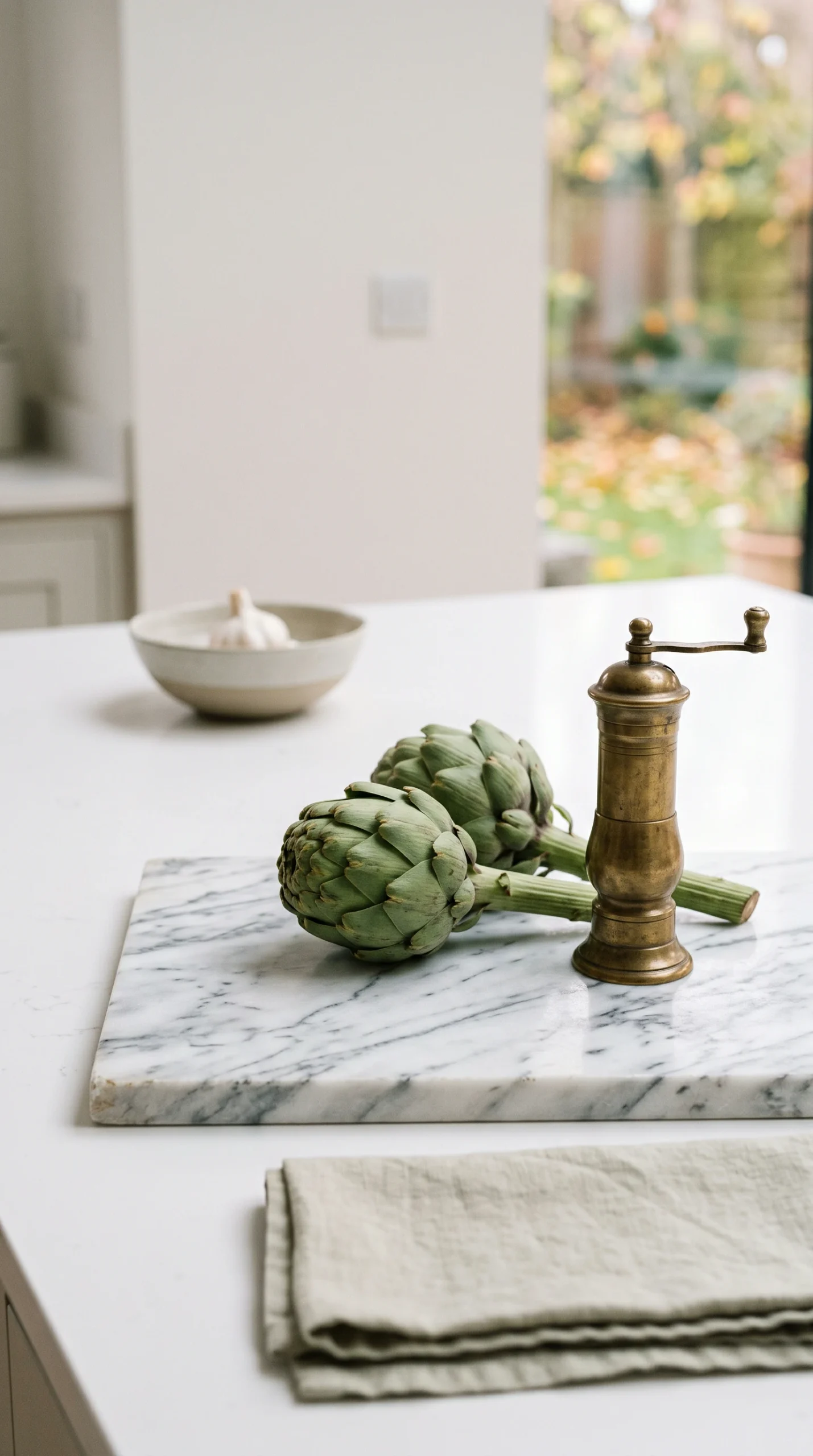
High-end design rejects plastic pumpkins, ceramic snowmen, and words on signs (like 'Give Thanks'). Rely entirely on natural, organic elements that imply the season subtly and elegantly.
To prevent seasonal decor from looking like scattered clutter, confine it. Use one massive, beautiful vessel (like a wooden dough bowl or a large marble platter) on the island and swap only its contents as the seasons change.
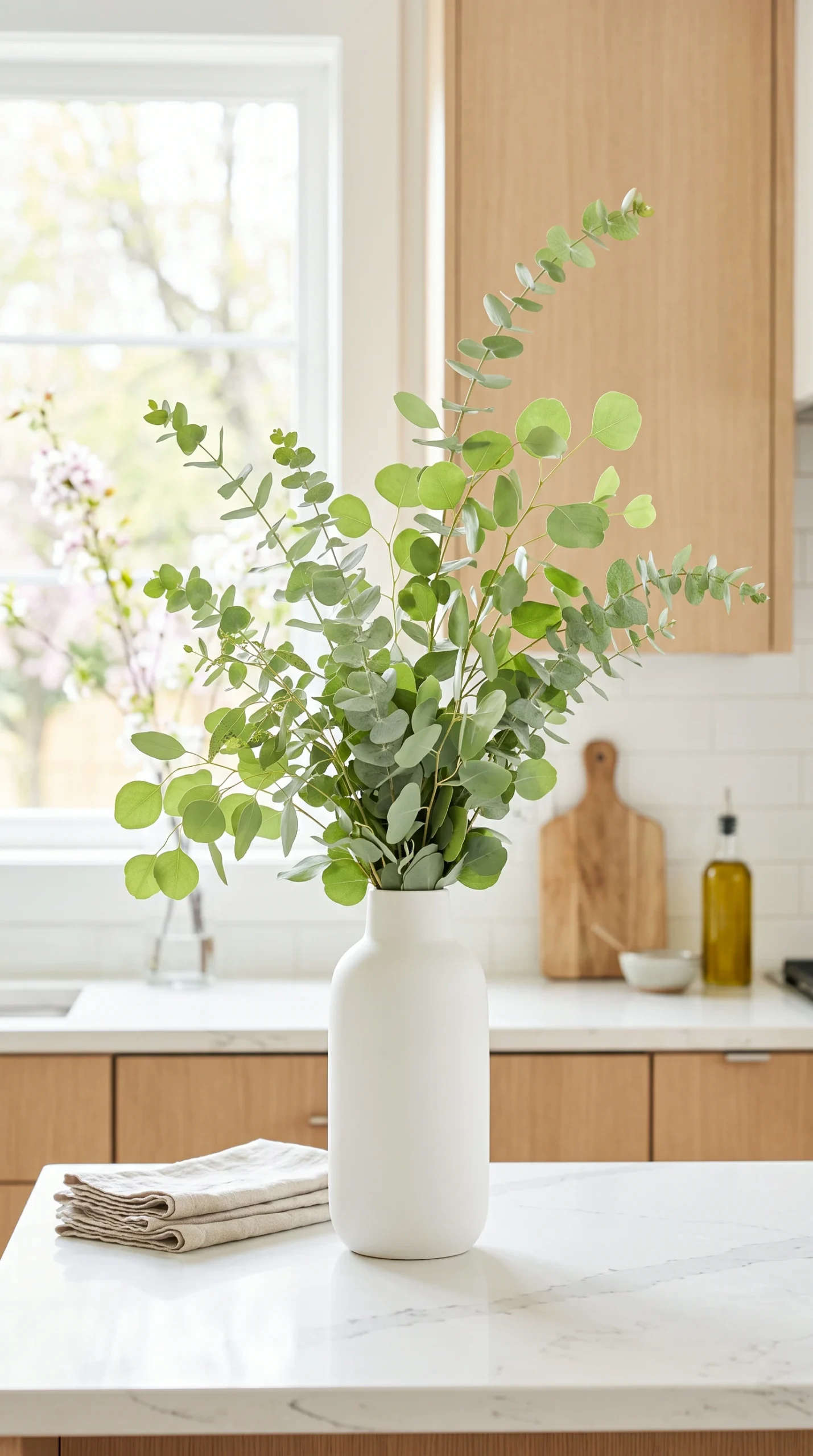
Fill your central bowl with a massive mound of bright yellow lemons or vibrant green limes. Place a tall vase with fresh, leafy green branches (like olive or eucalyptus) on the counter.
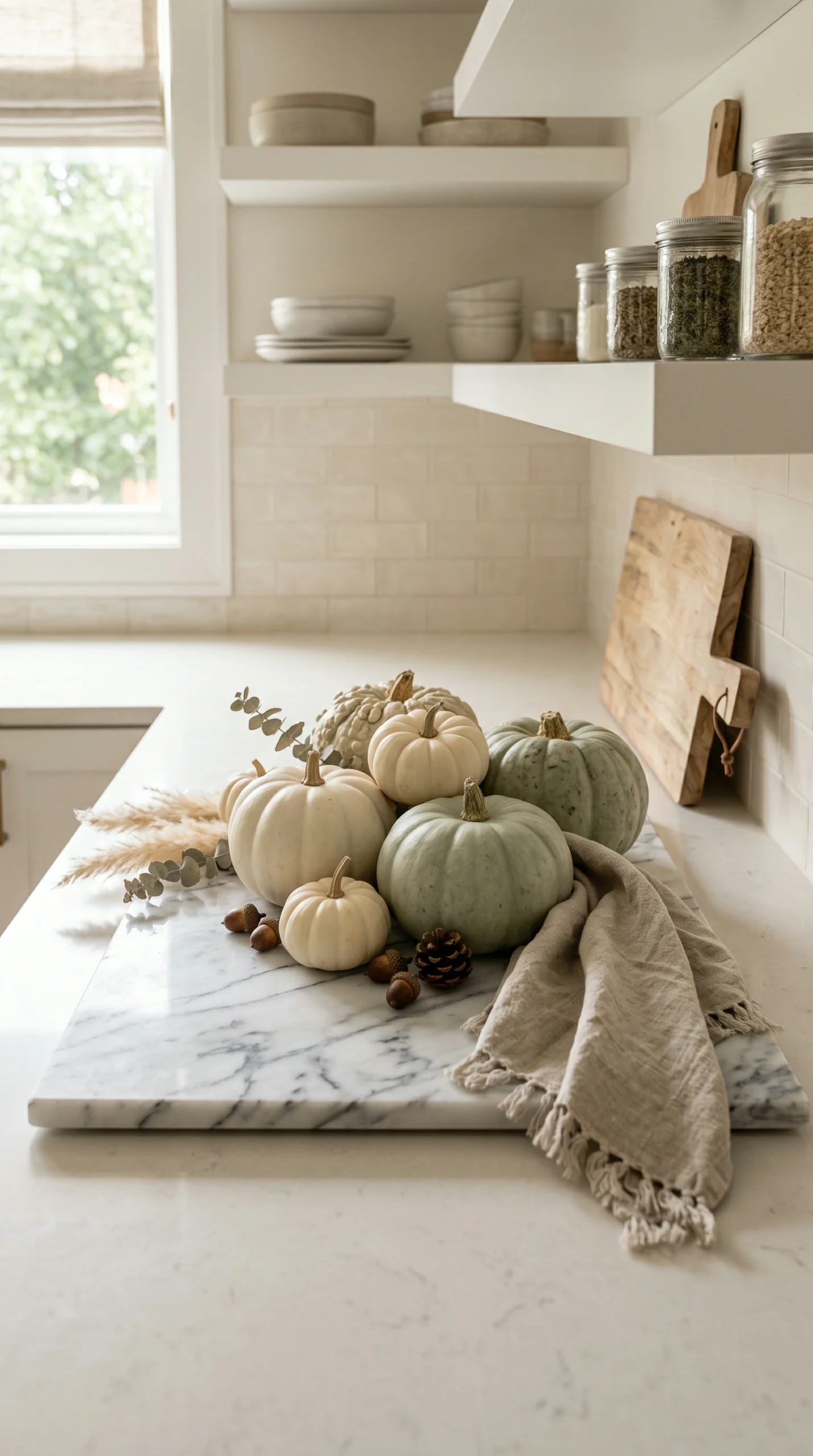
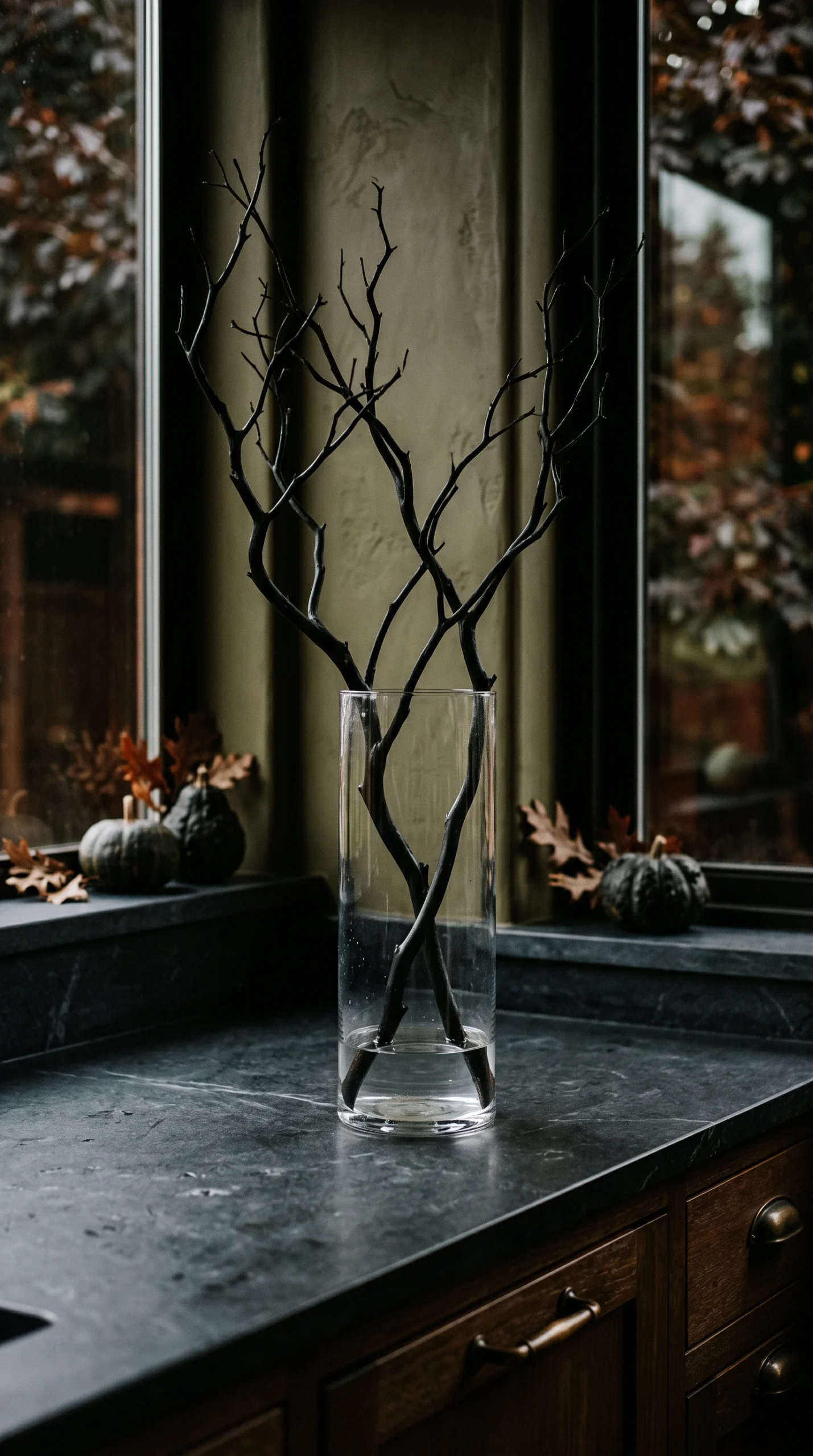
Swap the bright fruit for deep textures. Fill the dough bowl with real, muted heirloom pumpkins (white, pale green, Cinderella). Replace fresh green branches with dried, twisting, bare branches or dried hydrangeas.
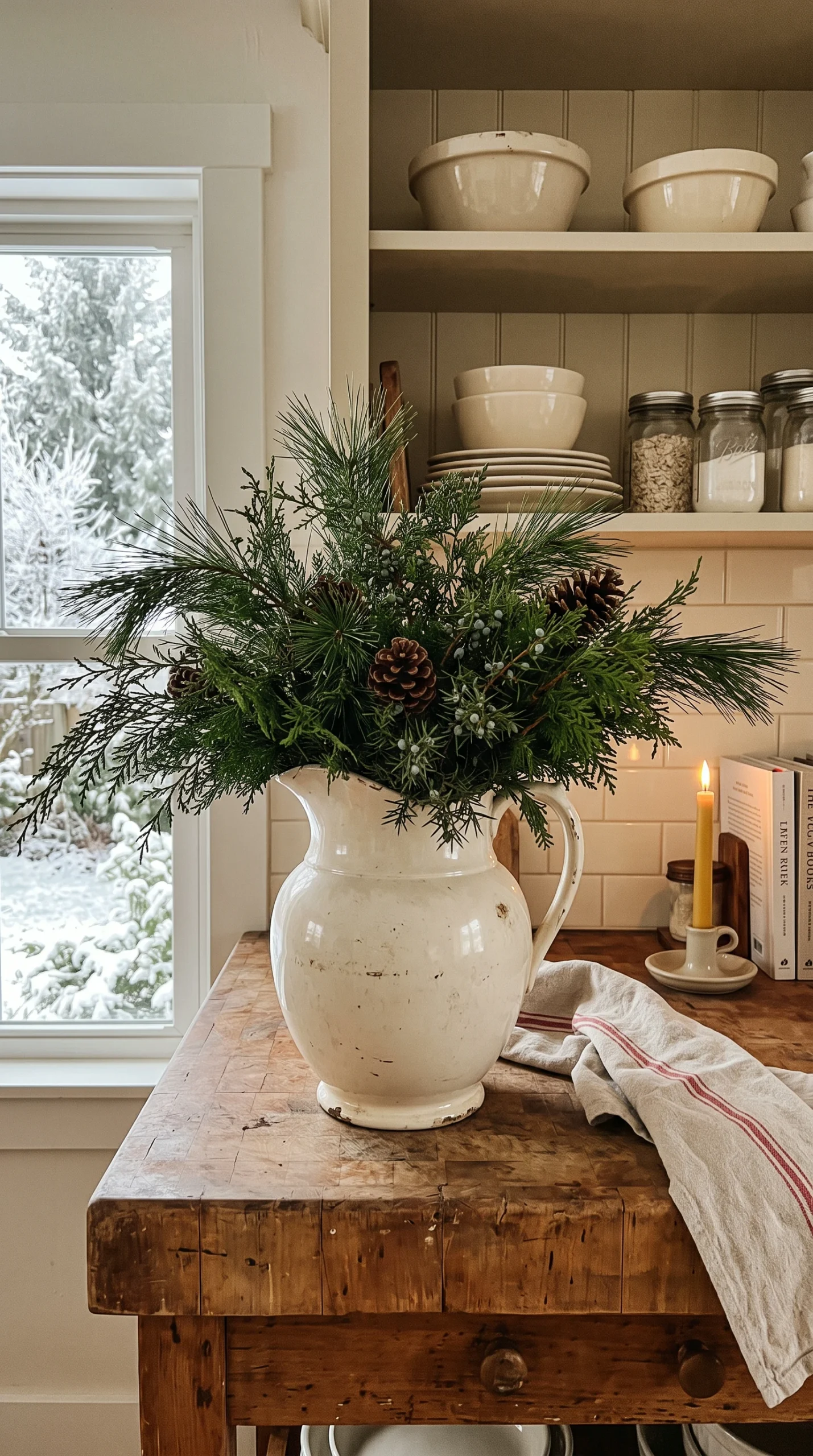
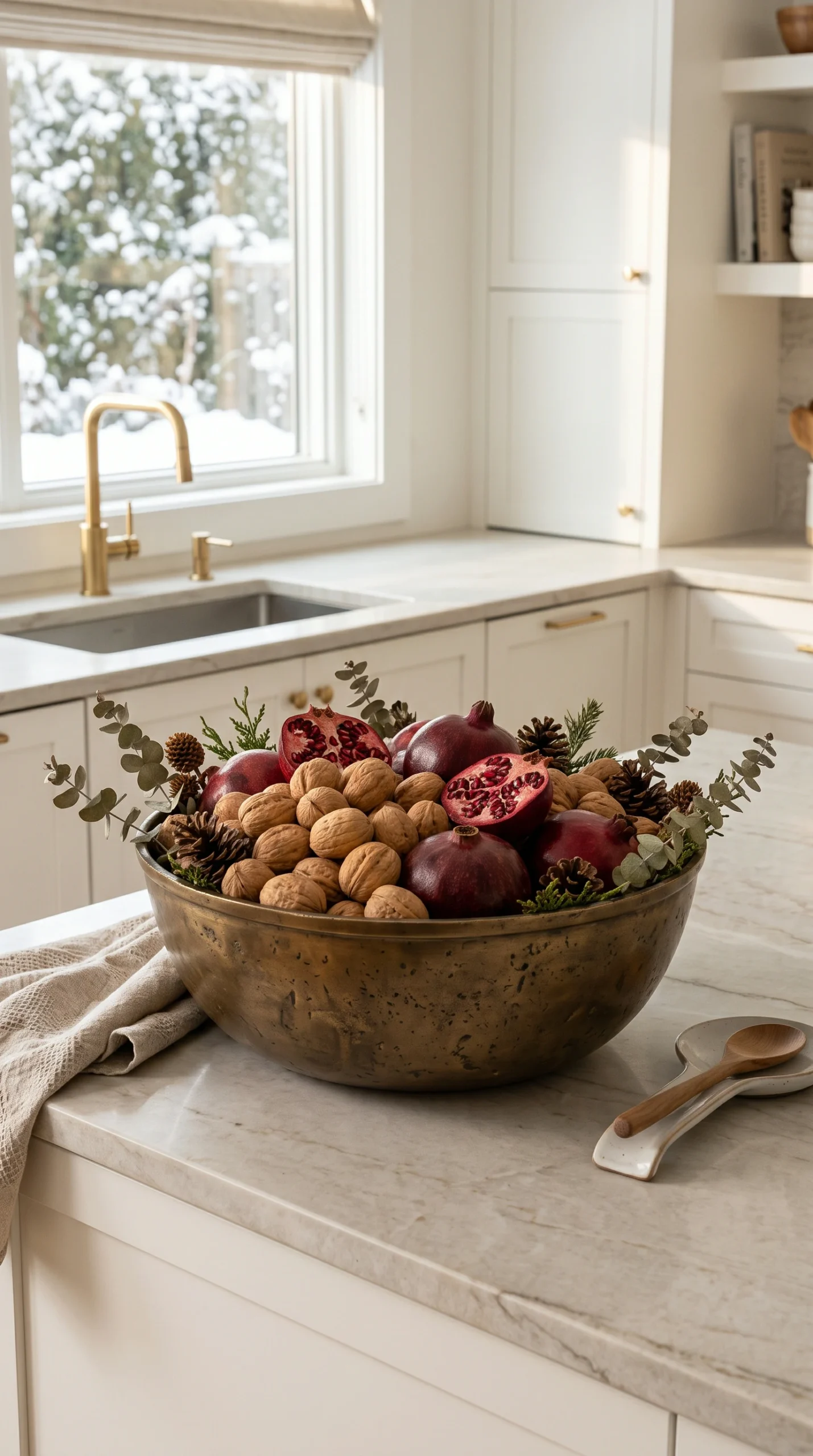
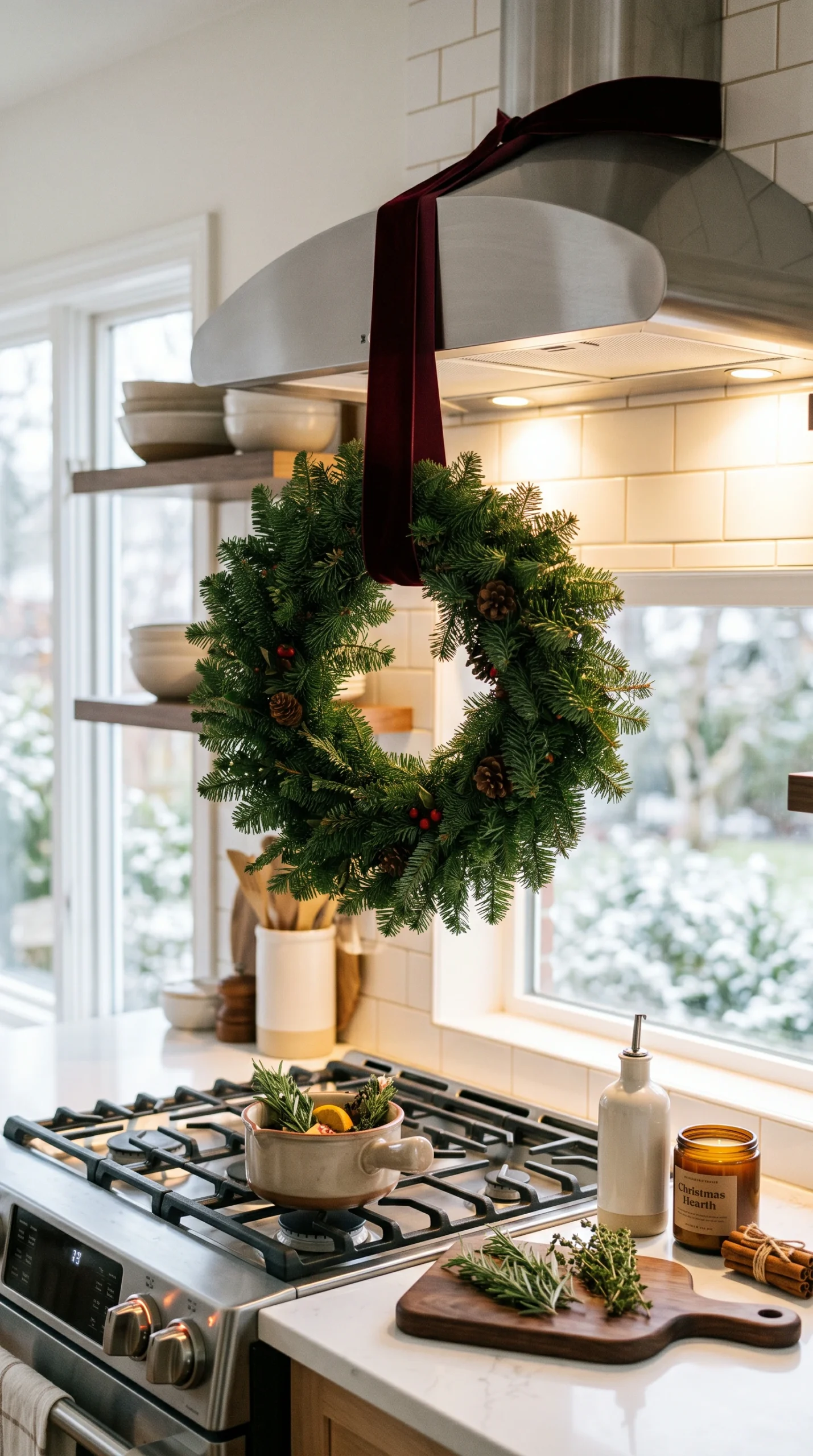
Fill the kitchen with the scent of the season. Place a loose, wild arrangement of fresh pine, cedar, and juniper branches in a heavy ironstone pitcher. Add a bowl of unshelled walnuts or pomegranates.
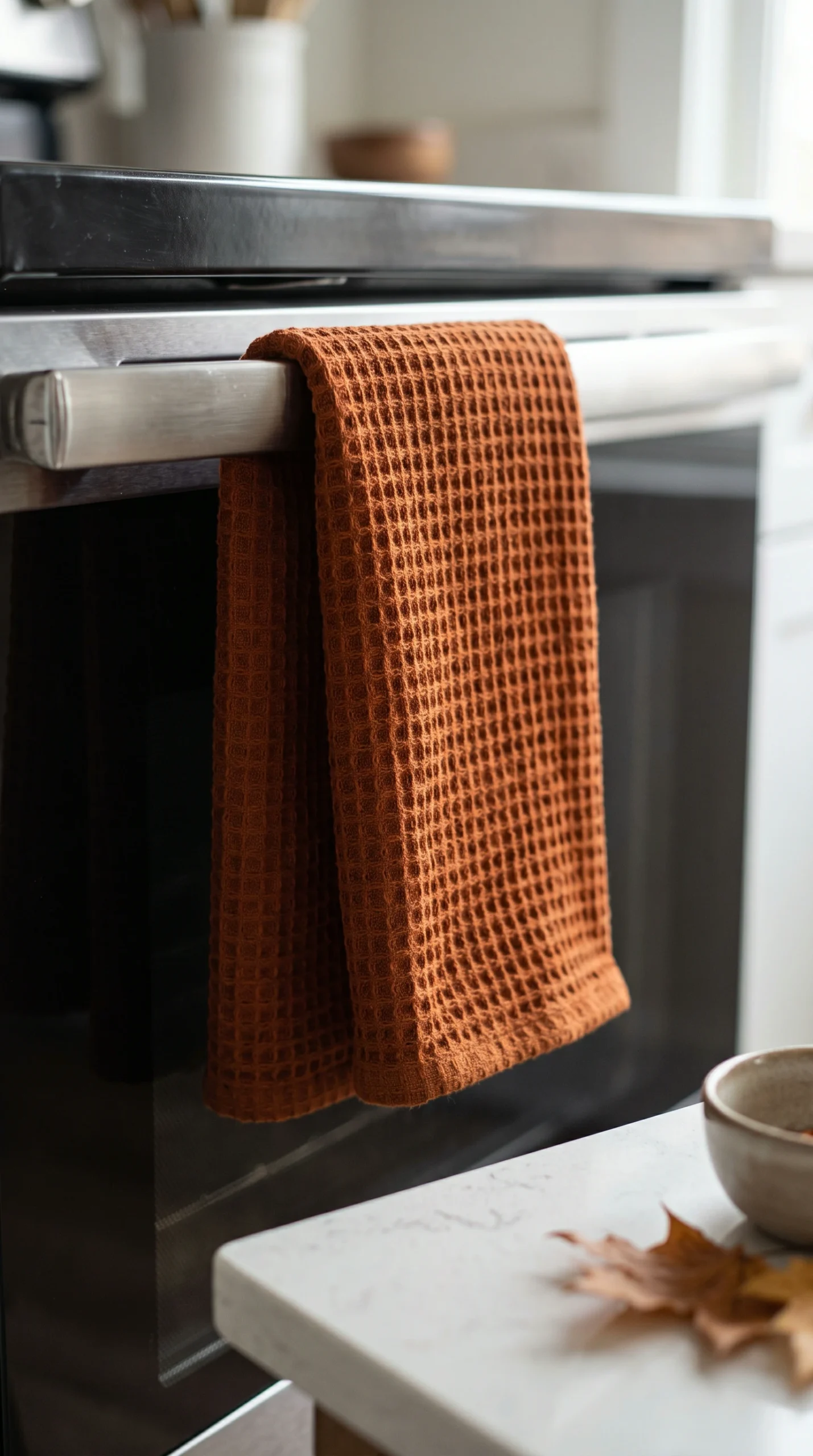
The easiest, cheapest seasonal shift is textiles. Swap light, white linen dish towels in the summer for deep, moody, rust or mustard-colored waffle-knit towels in the autumn.
The most critical distinction between sophisticated seasonal kitchen counter decor ideas and cluttered ‘holiday’ decorating is the strict avoidance of literal theme items. Interior designers view plastic jack-o’-lanterns, ceramic turkeys, and signs declaring ‘Fall is Here’ as visual noise that instantly cheapens a high-end kitchen. A truly elegant seasonal transition relies entirely on implication rather than exclamation. The goal is to evoke the *feeling* of the season—the crispness of autumn, the brightness of spring—using solely natural, organic, and highly textural elements. This disciplined approach ensures that the kitchen remains a chic, beautifully styled architectural space, rather than devolving into a temporary holiday gift shop.
When incorporating seasonal kitchen counter decor ideas, the greatest risk is creating countertop clutter by scattering small items everywhere. To prevent this, designers utilize the ‘central vessel’ strategy. This involves selecting one massive, permanent, high-quality container—such as an enormous, hand-carved wooden dough bowl, a heavy brass platter, or a monumental marble basin—and placing it in the center of the kitchen island. Throughout the year, the vessel remains stationary, acting as a structural anchor. Only the *contents* of the vessel are swapped out to reflect the changing seasons. This brilliantly simple tactic provides a massive seasonal impact while keeping 99% of the kitchen counters flawlessly clean and usable.
As the weather warms, seasonal kitchen counter decor ideas should focus on injecting vibrant energy, light, and crispness into the room. The heavy, cozy textures of winter must be stripped away. The most iconic and sophisticated summer display is the massing of citrus. Filling the central wooden dough bowl to the brim with bright yellow lemons, vibrant green limes, or brilliant orange clementines provides a massive, inexpensive pop of organic color that feels incredibly fresh and culinary. Botanically, heavy evergreens should be replaced with tall, airy, light-green foliage. A simple, tall glass cylinder holding sweeping olive branches or fresh, fragrant eucalyptus instantly makes the kitchen feel breezy and renewed.
The transition into fall is arguably the most beautiful season for interior styling. Autumnal seasonal kitchen counter decor ideas require a shift toward warmth, complex textures, and muted, earthy color palettes. The bright citrus is removed. In its place, the central vessel can be filled with a curated collection of real, heirloom pumpkins—specifically seeking out sophisticated, muted colors like ghost white, pale sage green, or dusty ‘Cinderella’ blue, completely avoiding bright, plastic-looking orange. Botanically, fresh green leaves are replaced with structural, dried elements. A heavy vintage pitcher holding a wild arrangement of dried, brown hydrangeas, tall pampas grass, or dramatic, bare, twisting Manzanita branches provides breathtaking, moody texture.
Winter styling should evoke a profound sense of coziness and life amidst the cold. Winter seasonal kitchen counter decor ideas rely heavily on deep greens and rich, warm reds. The absolute best decor for a winter kitchen is fresh, foraged evergreen branches. A massive, loose arrangement of pine, cedar, and juniper branches stuffed into a heavy ironstone crock not only looks spectacularly authentic and historic but also fills the kitchen with an incredible, natural fragrance. The central dough bowl can be transitioned to hold organic winter elements: a mound of unshelled walnuts, dark red pomegranates, or even a collection of large, rustic pinecones. This approach is festive, organic, and deeply elegant.
Beyond plants and fruit, the easiest and most budget-friendly way to execute seasonal kitchen counter decor ideas is by altering the small, functional accents on the counter, primarily textiles. The dish towels draped over the oven handle or folded on the counter have a surprising visual impact. In spring and summer, utilize crisp, white, lightweight linen or classic blue-and-white striped towels. As autumn approaches, swap them for heavier, waffle-knit towels in deep, moody tones like rust, mustard, or olive green. Furthermore, introducing warm, reflective metals—like swapping a ceramic bowl for a brilliant brass or hammered copper bowl in the winter—adds necessary sparkle and warmth to counteract the dark, cold days.