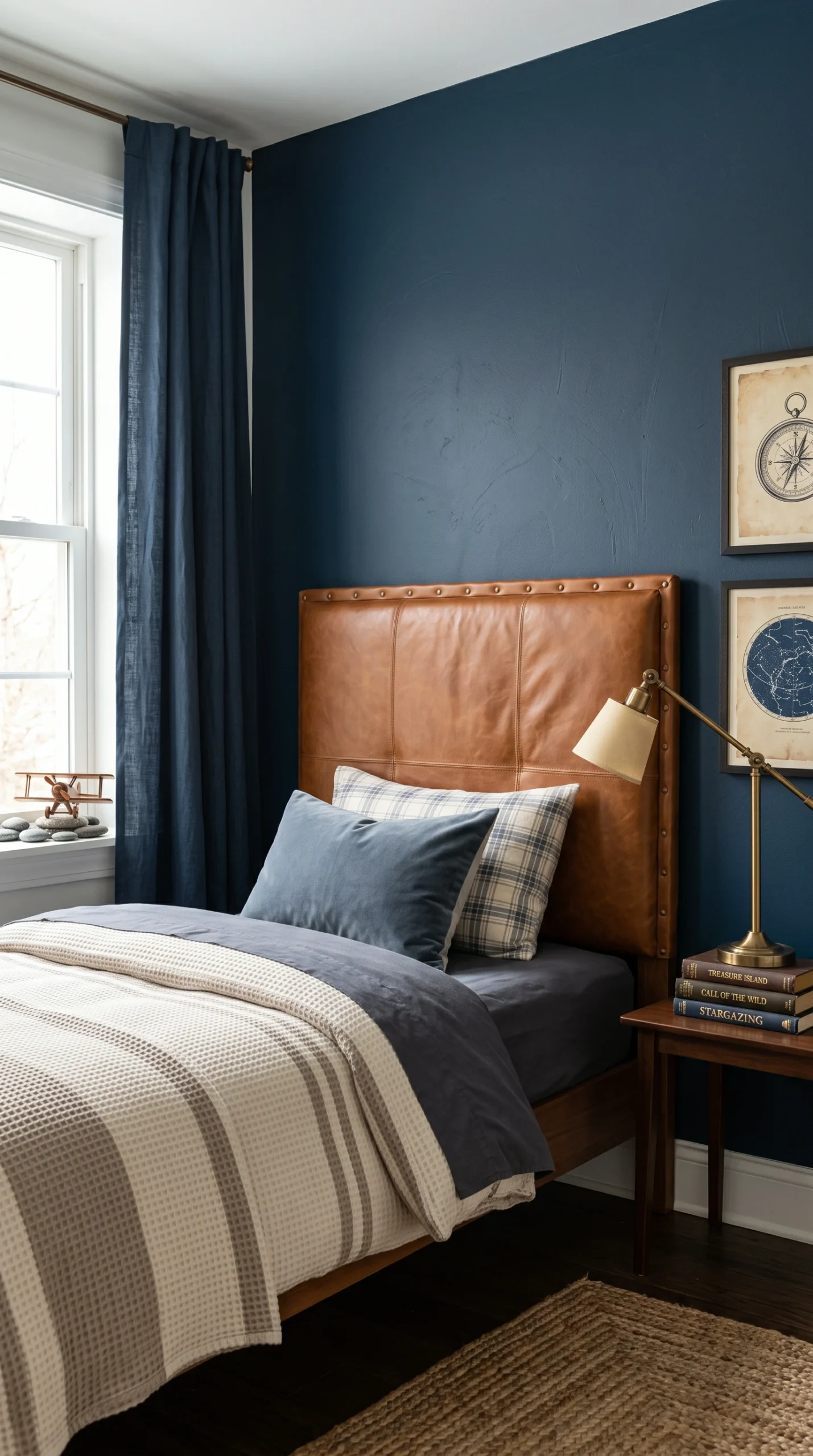
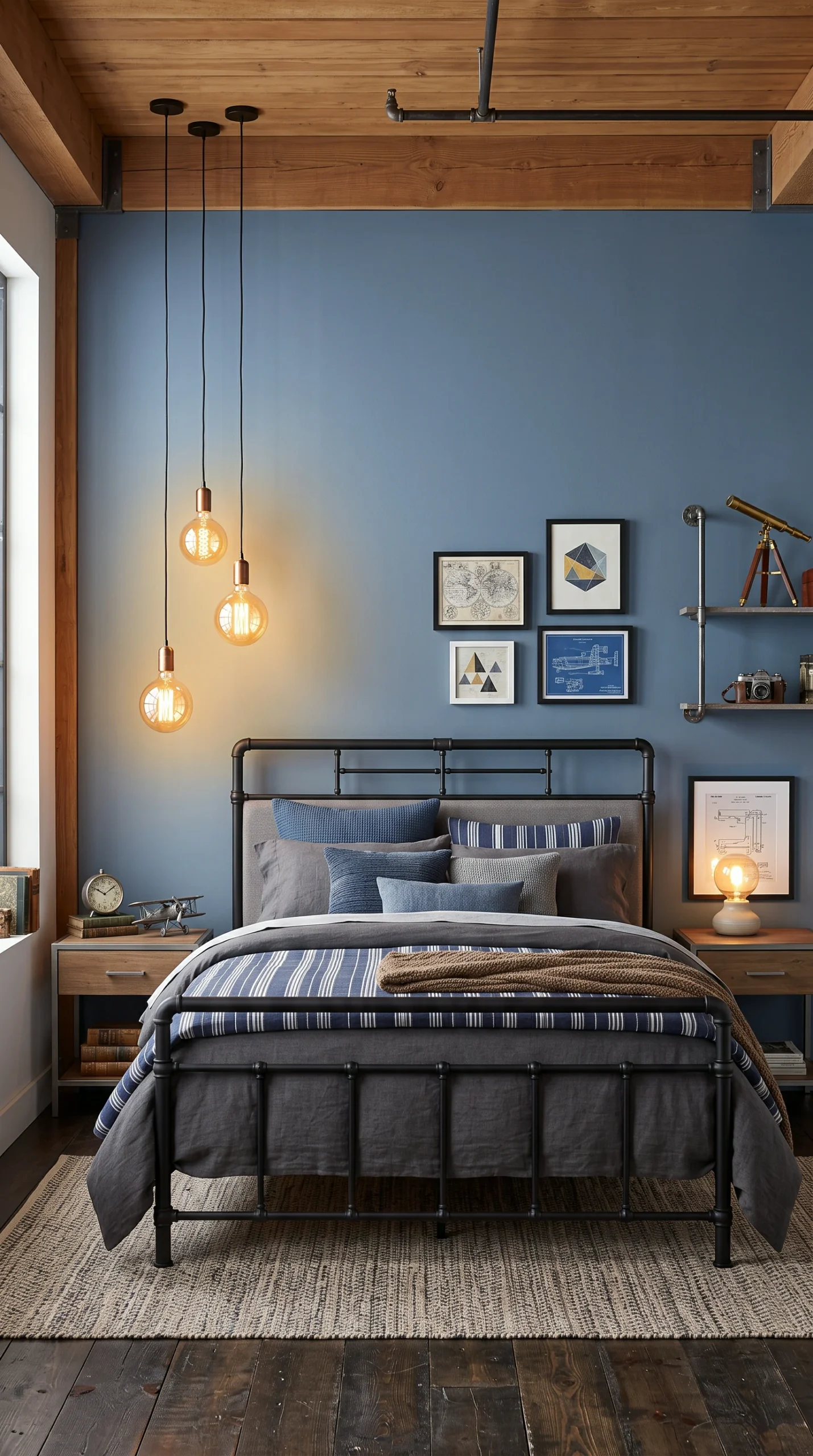
Dark, moody blues (like navy) are stunning, but they absorb light. If the room lacks natural sunlight, you may prefer a lighter, more reflective shade, or limit the dark blue to a single accent wall.
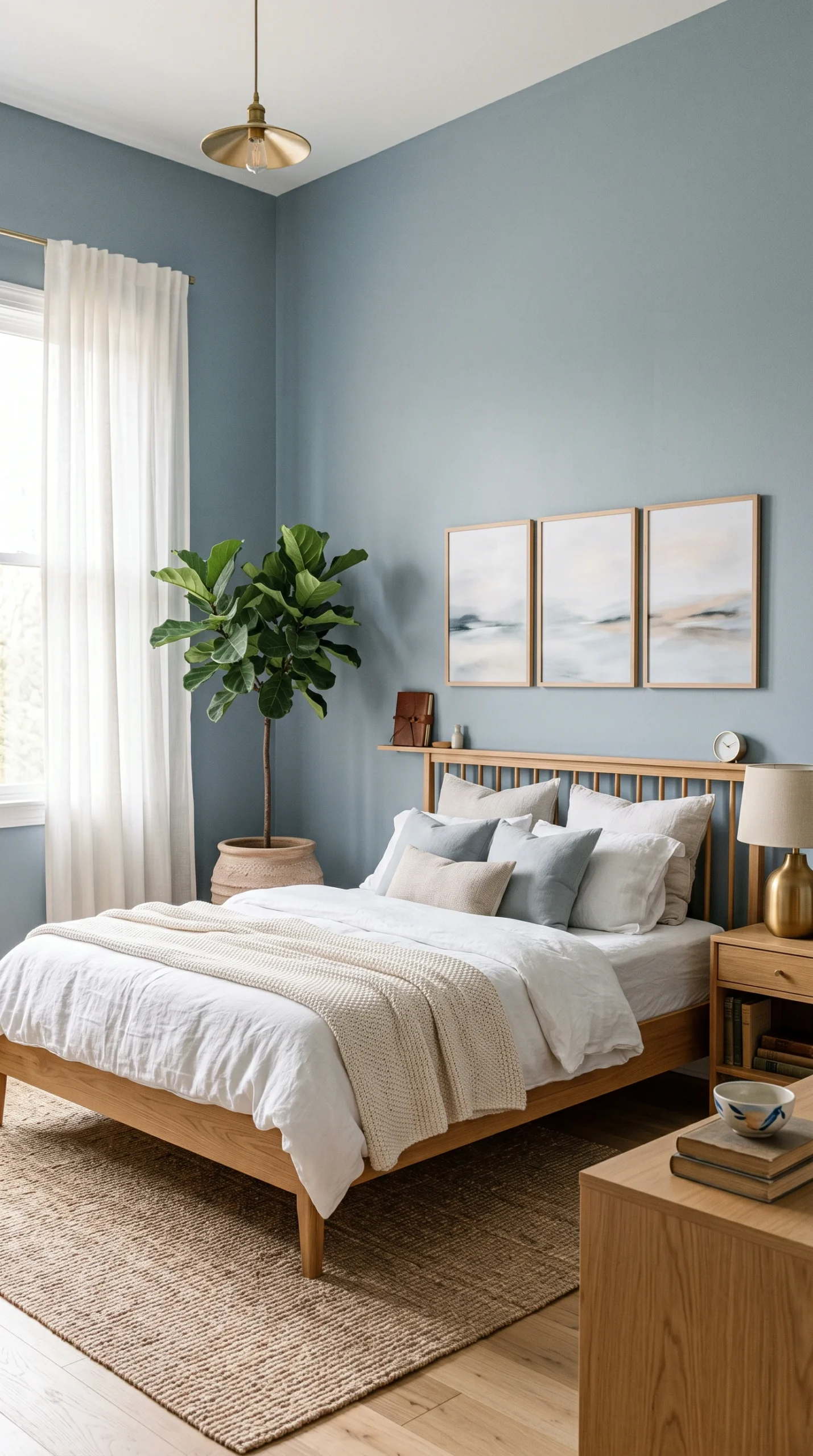
Blue is inherently a 'cool' color. To prevent the room from feeling chilly or sterile, it is highly beneficial to introduce warm tones through natural wood furniture, such as oak or walnut.
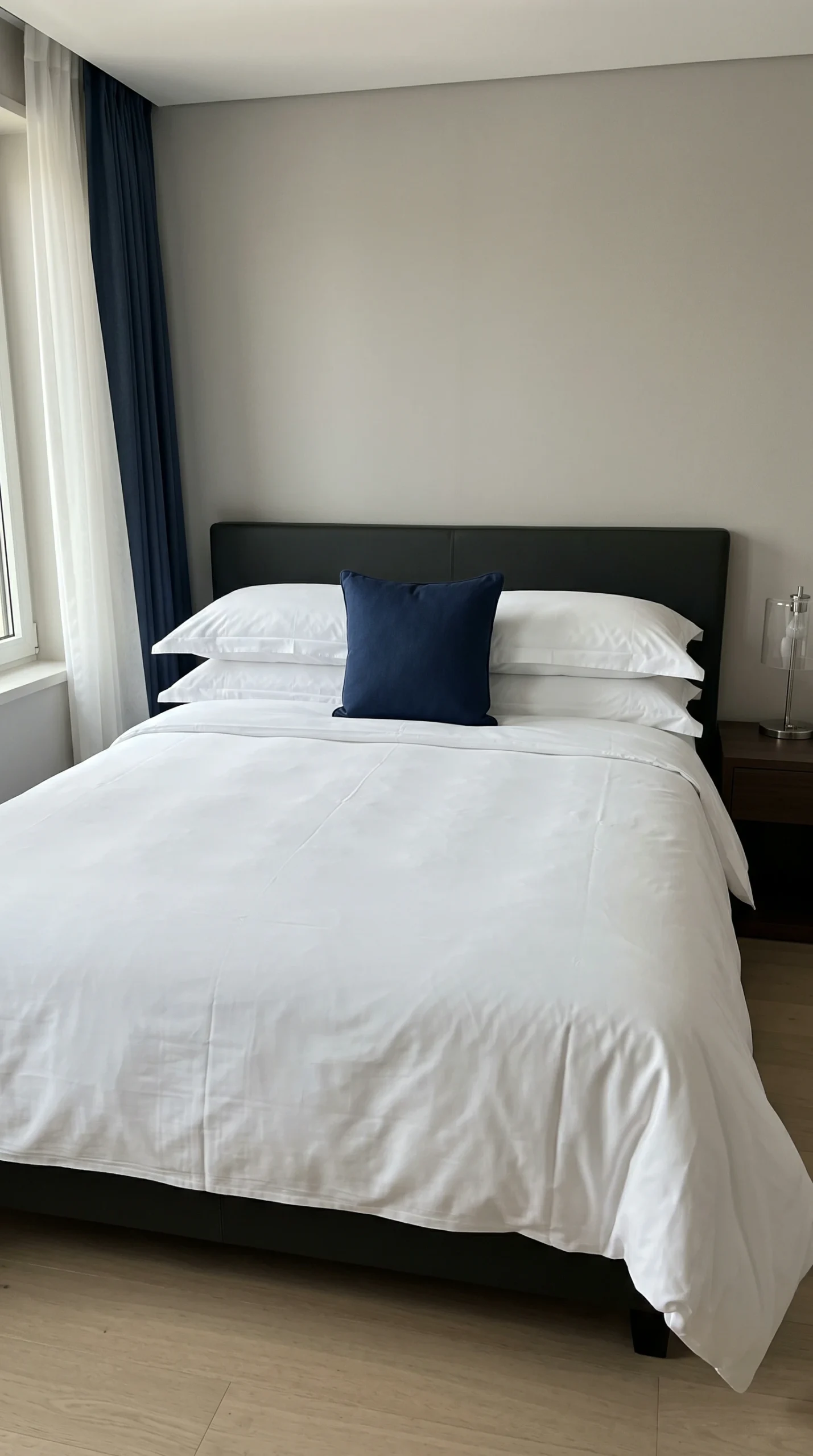
Pairing any shade of blue with bright, crisp white trim, ceilings, and bedding provides sharp architectural contrast, making the blue look cleaner and more intentional.
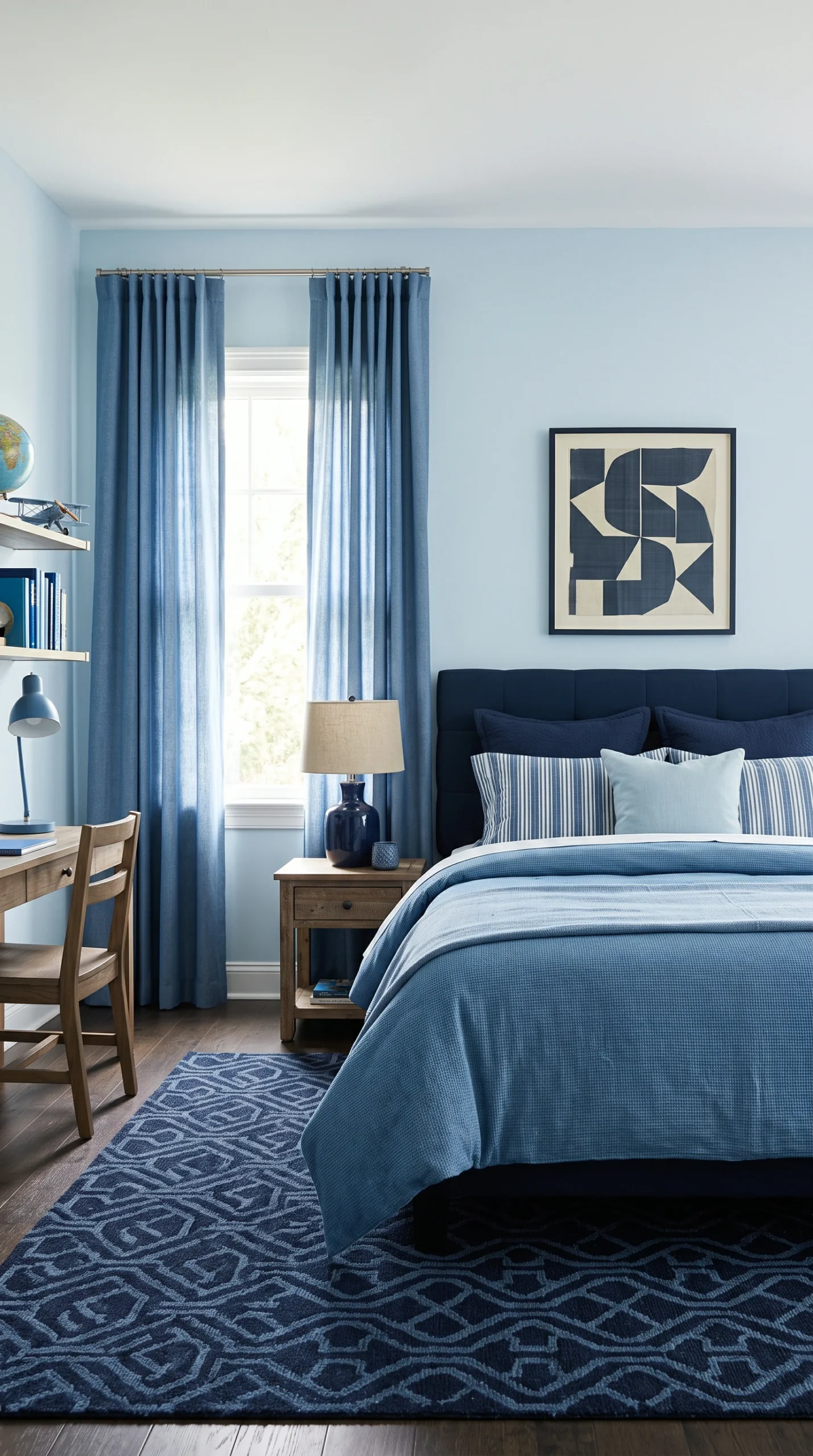
A monochromatic approach can be very sophisticated. Try painting the walls a light slate, using a navy blue rug, and adding cobalt blue throw pillows for a rich, layered effect.
Rich, caramel-colored leather (on a chair, a headboard, or drawer pulls) is the perfect complementary texture to dark blue, adding a handsome, classic warmth to the room.
Highly saturated, bright primary blues can feel juvenile. Choosing blues with gray or green undertones (often called 'muddy' or 'dusty' blues) offers a more mature, timeless aesthetic.
The success of blue boy room ideas hinges on selecting the appropriate shade for the space and the desired mood. While bright, primary blue is cheerful, it can sometimes feel overly stimulating and may be outgrown quickly. Interior designers often favor more complex shades. A deep, saturated navy blue offers a classic, tailored look that feels incredibly sophisticated and anchors the room. For a softer, more ethereal feel, a pale, dusty slate blue (blue mixed with gray) provides a highly calming, neutral backdrop that feels airy and expansive. When choosing a paint color, it is always recommended to test large swatches on the wall, as the undertones of blue can shift dramatically depending on the natural lighting throughout the day.
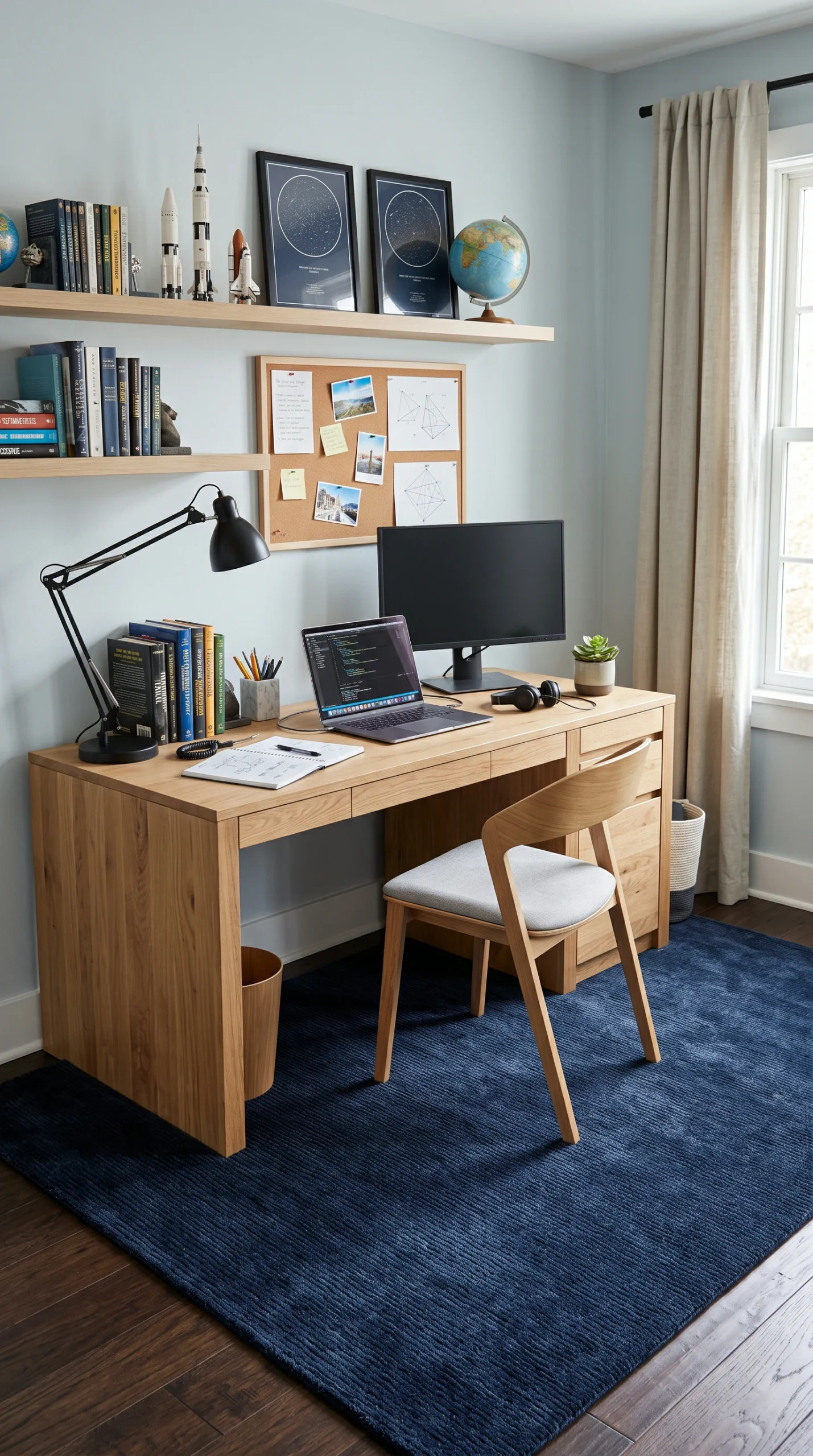
Because blue sits on the cool side of the color spectrum, an all-blue room can occasionally feel cold or austere. A fundamental principle of blue boy room ideas is the introduction of warmth through natural materials. Pairing blue walls with warm wood furniture is a classic, foolproof design strategy. Rich walnut, honey-toned oak, or even warm rattan elements provide essential visual friction and organic warmth that beautifully counteracts the coolness of the blue. Whether it is a wooden bed frame, floating oak shelves, or simply a woven wood window shade, these natural textures are vital for creating a balanced, inviting, and comfortable bedroom environment.
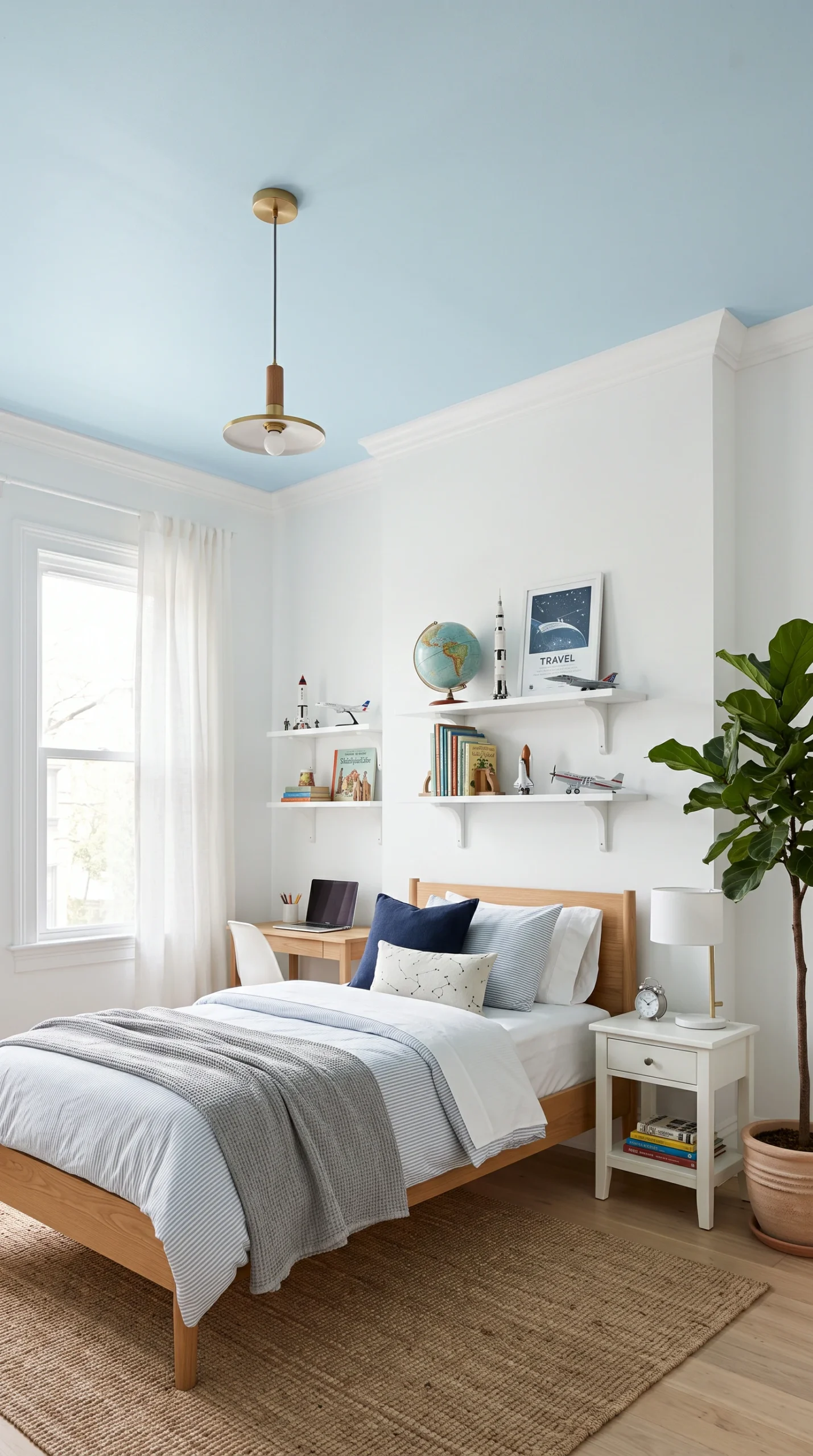
To make the color blue truly sing, it requires contrast. The most effective companion in blue boy room ideas is stark, crisp architectural white. When a deep navy or a vibrant blue wall is framed by bright white baseboards, crown molding, and window casings, the architecture of the room is immediately elevated. This high contrast prevents the blue from feeling heavy or overwhelming. Furthermore, utilizing crisp white bed linens against a blue headboard or wall provides a fresh, clean, ‘hotel-like’ crispness that looks incredibly tailored and timeless. The interplay between deep color and bright white is a cornerstone of classic interior design.
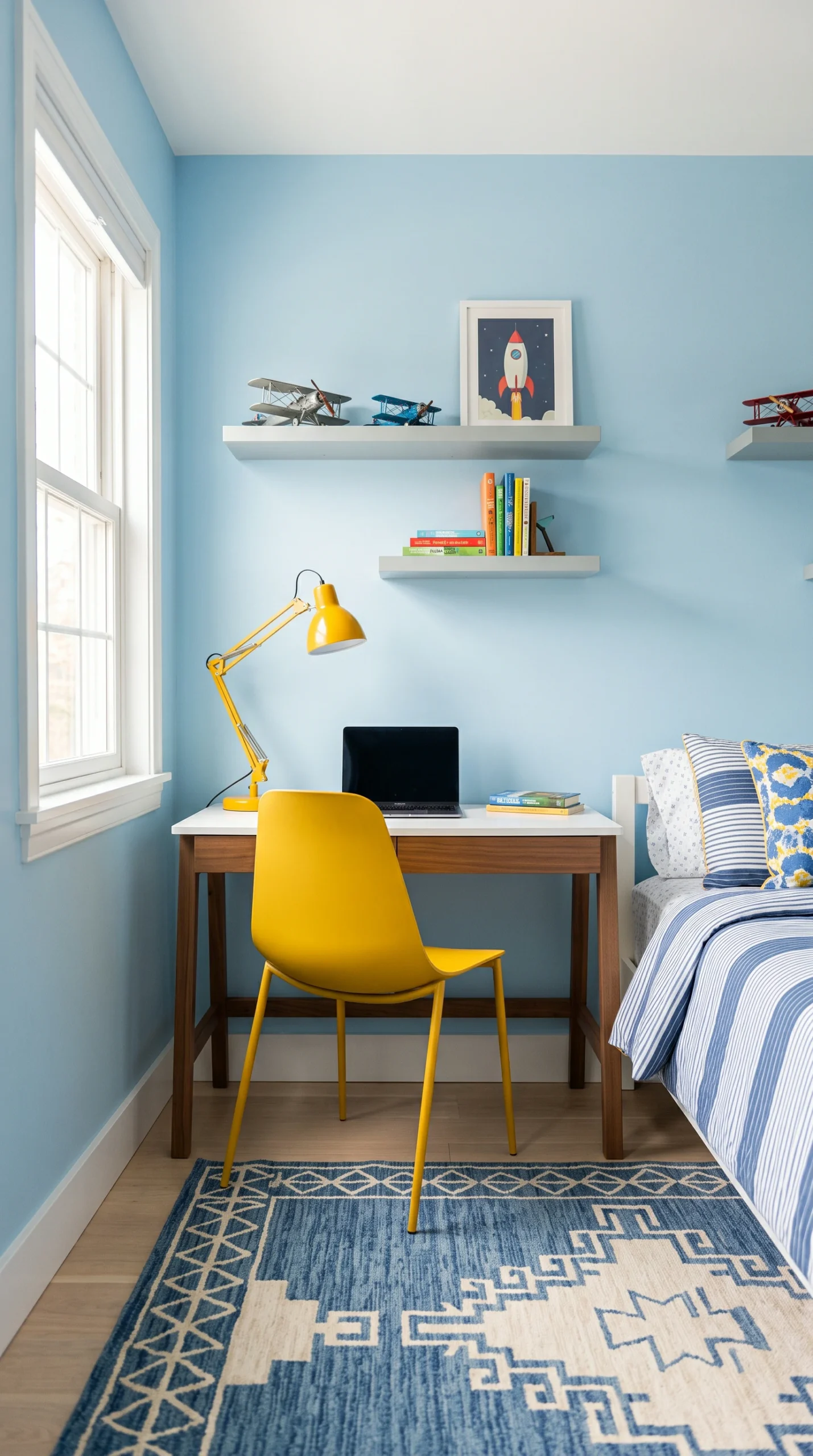
Navy blue is uniquely versatile; it is a color that can effectively act as a neutral. In many blue boy room ideas, navy is used as a softer, more forgiving alternative to stark black. A navy blue upholstered bed frame or a large navy area rug can firmly ground the room’s design, providing visual weight and stability. Because navy is so dark, it pairs effortlessly with almost any other accent color. You can pair it with bright orange or yellow for a vibrant, energetic room, or with soft grays and creams for a highly serene, sophisticated space. This adaptability makes navy an excellent long-term investment for major furniture pieces.
For a deeply immersive and calming environment, designers sometimes employ a monochromatic approach. Blue boy room ideas can successfully layer various shades of the same color family to create richness without chaos. This might involve painting the walls a soft, light powder blue, utilizing a medium-toned denim blue for the window curtains, and anchoring the floor with a dark navy geometric rug. By varying the intensity (lightness and darkness) of the blue, the room gains visual depth and complexity while remaining highly cohesive and profoundly restful. This tonal layering is a very sophisticated technique that works well for both young children and teenagers.
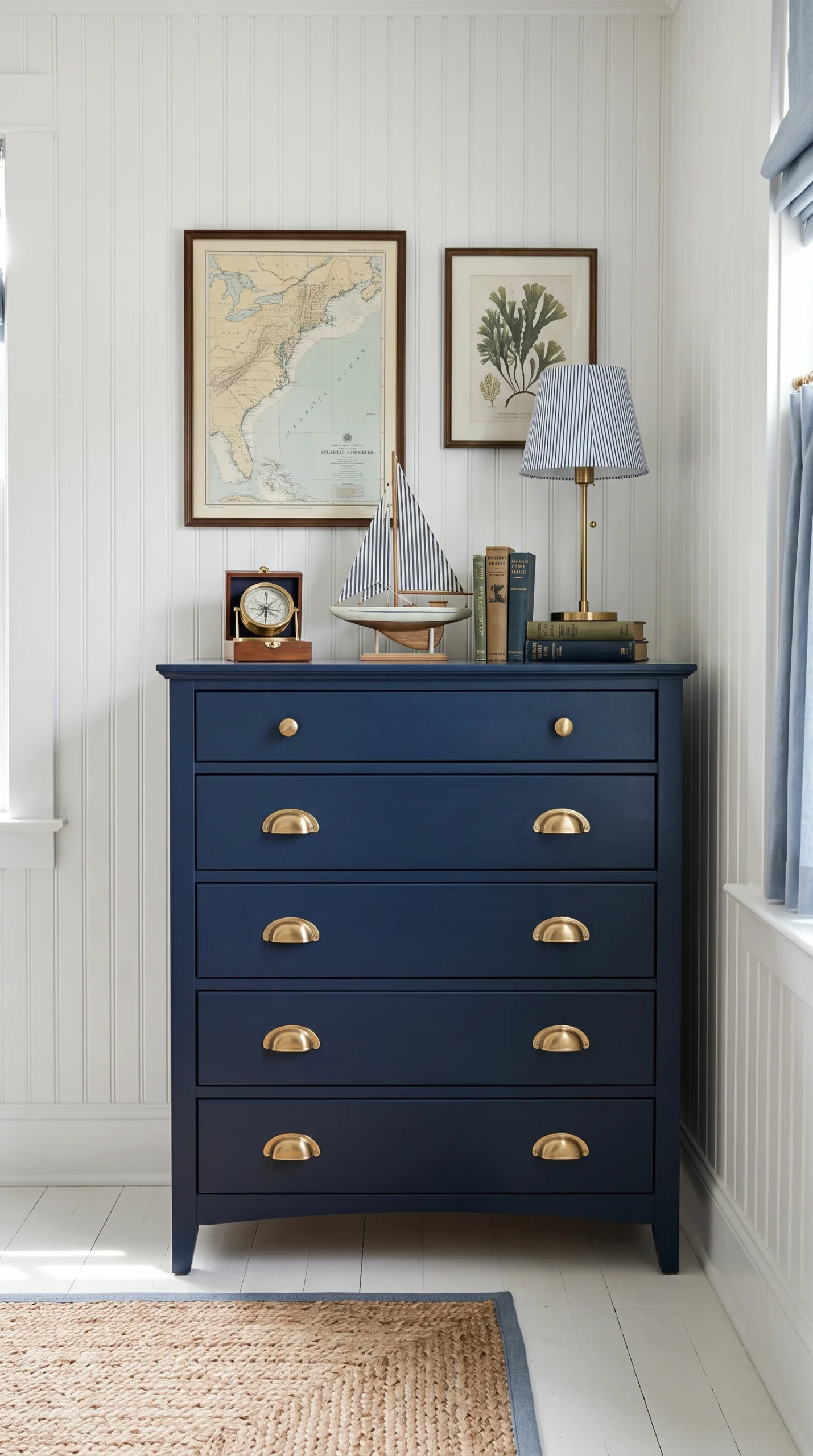
To elevate a blue bedroom beyond a simple paint job, the integration of complementary textures is highly beneficial. In the context of blue boy room ideas, materials like leather and brass offer perfect, warm contrasts to the cool tones of the walls. A caramel-colored faux-leather bean bag chair or leather drawer pulls on a dresser pop beautifully against a navy background. Similarly, swapping out standard silver or black light fixtures for warm, brushed brass or antique gold sconces adds a layer of subtle luxury and historical warmth. These thoughtful, textural details enrich the design, ensuring the blue room feels curated, expensive, and timelessly stylish.