#FDFDFD
#D2B48C
#2B2B2B
#1A1A1A
#D3D3D3
#A9A9A9
#8B7355
#F5F5DC
#556B2F
#EAE0C8
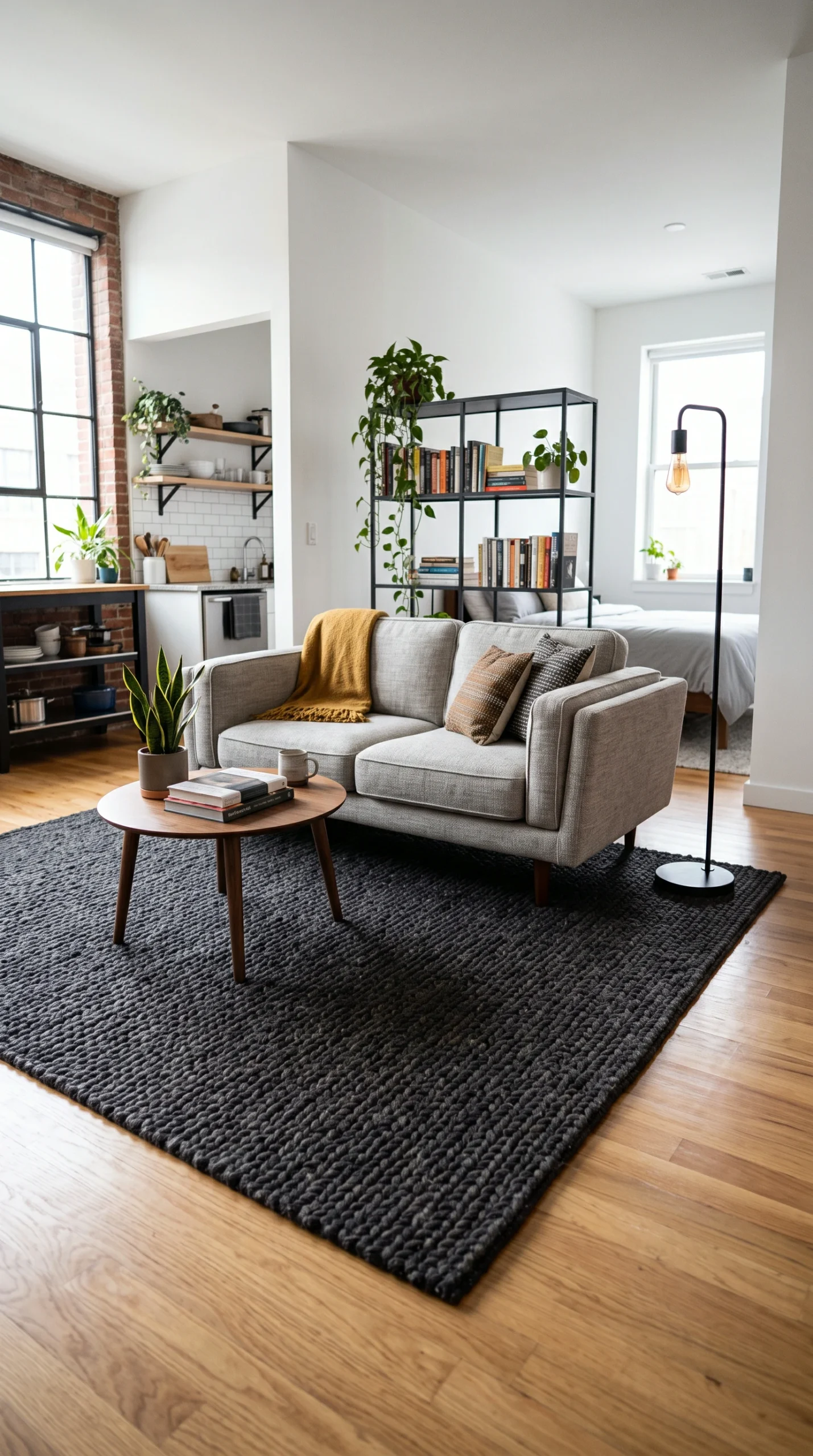
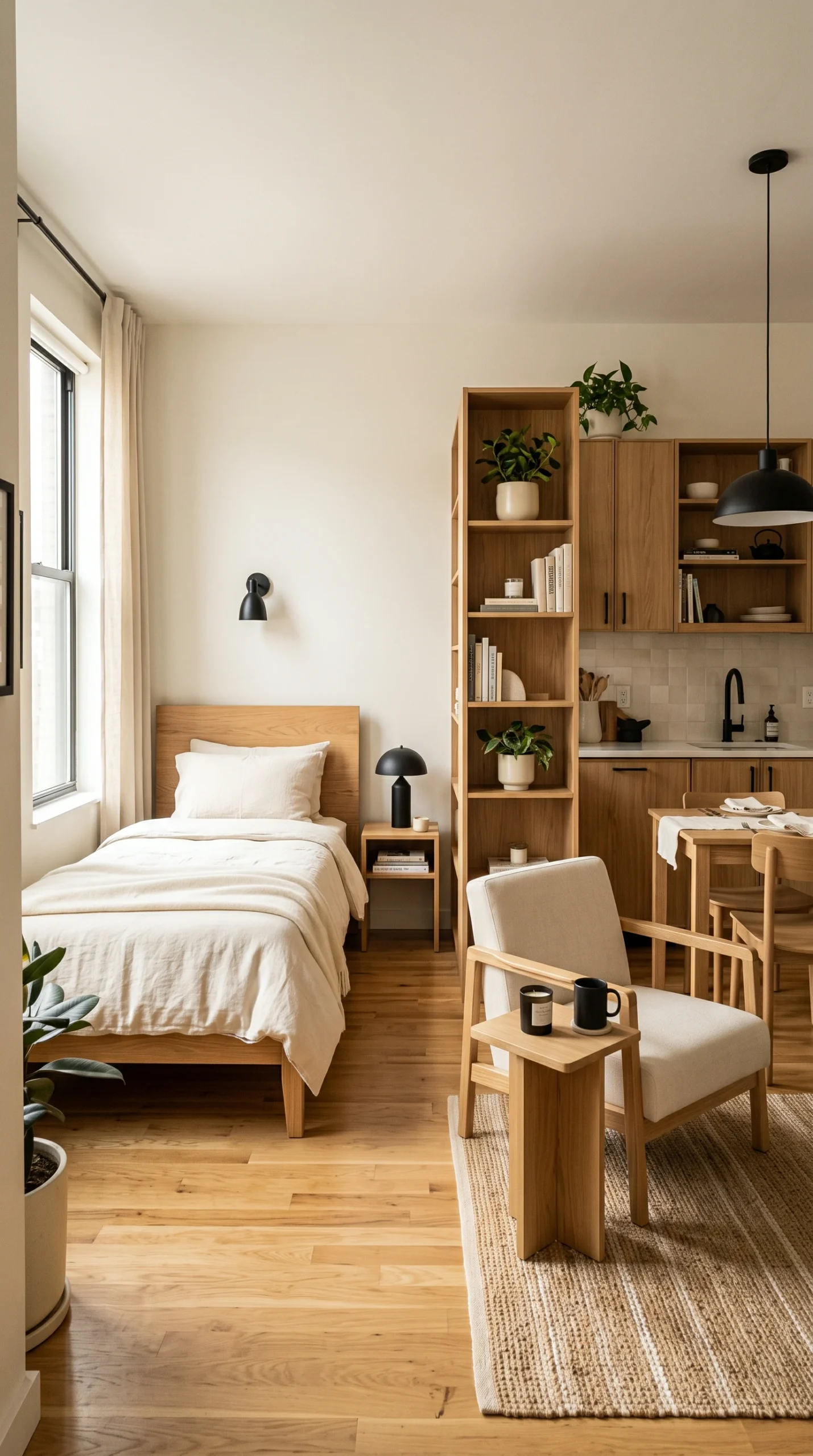
Use a backless, open-frame bookcase as a physical divider between the bed and the living room. It blocks the direct line of sight to the mattress but allows natural light to filter through.
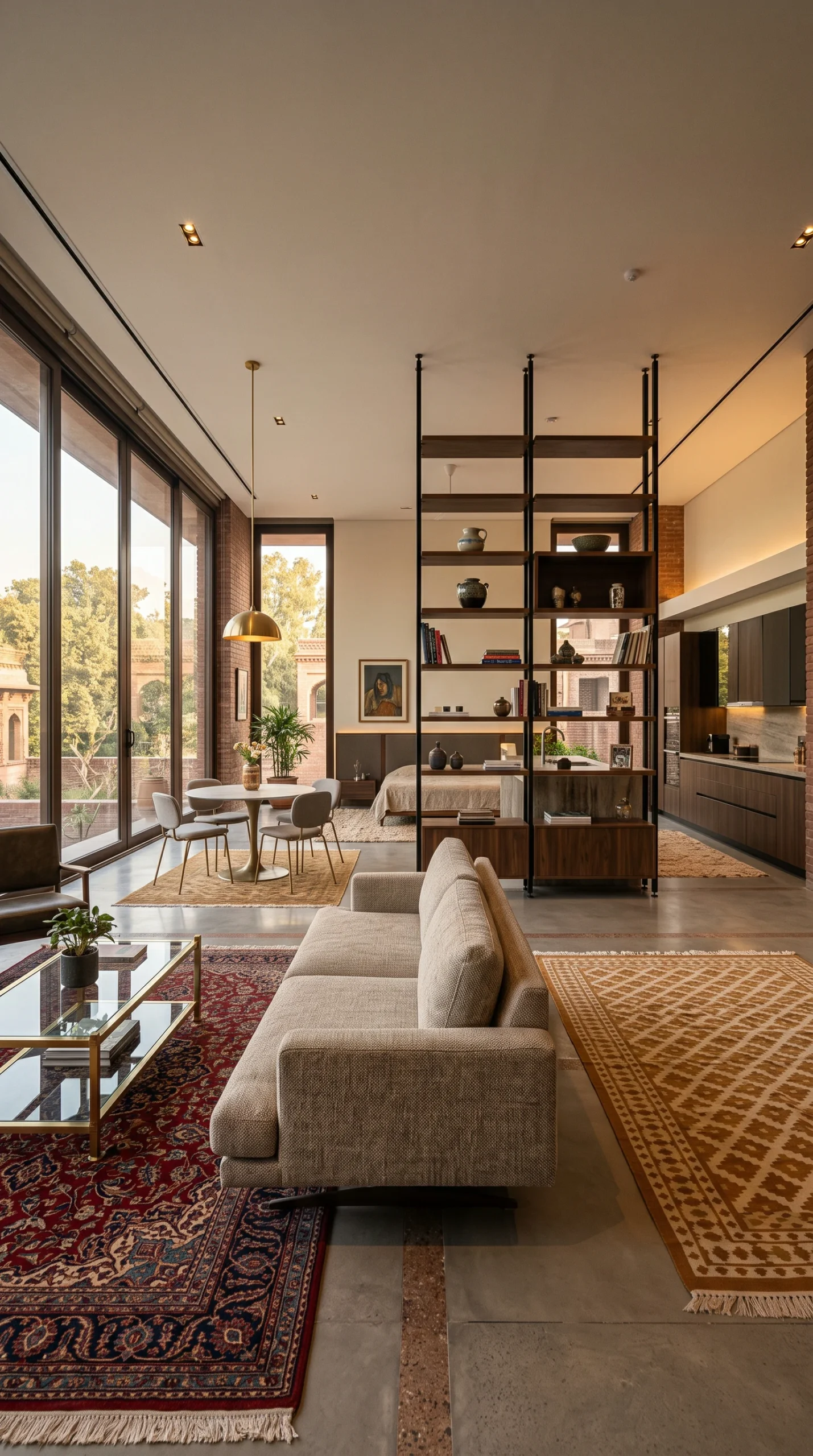
Lay a large Charcoal Slate rug under the living area and a contrasting Warm Ash Grey rug under the bed. The harsh line where the rugs meet acts as an invisible wall.
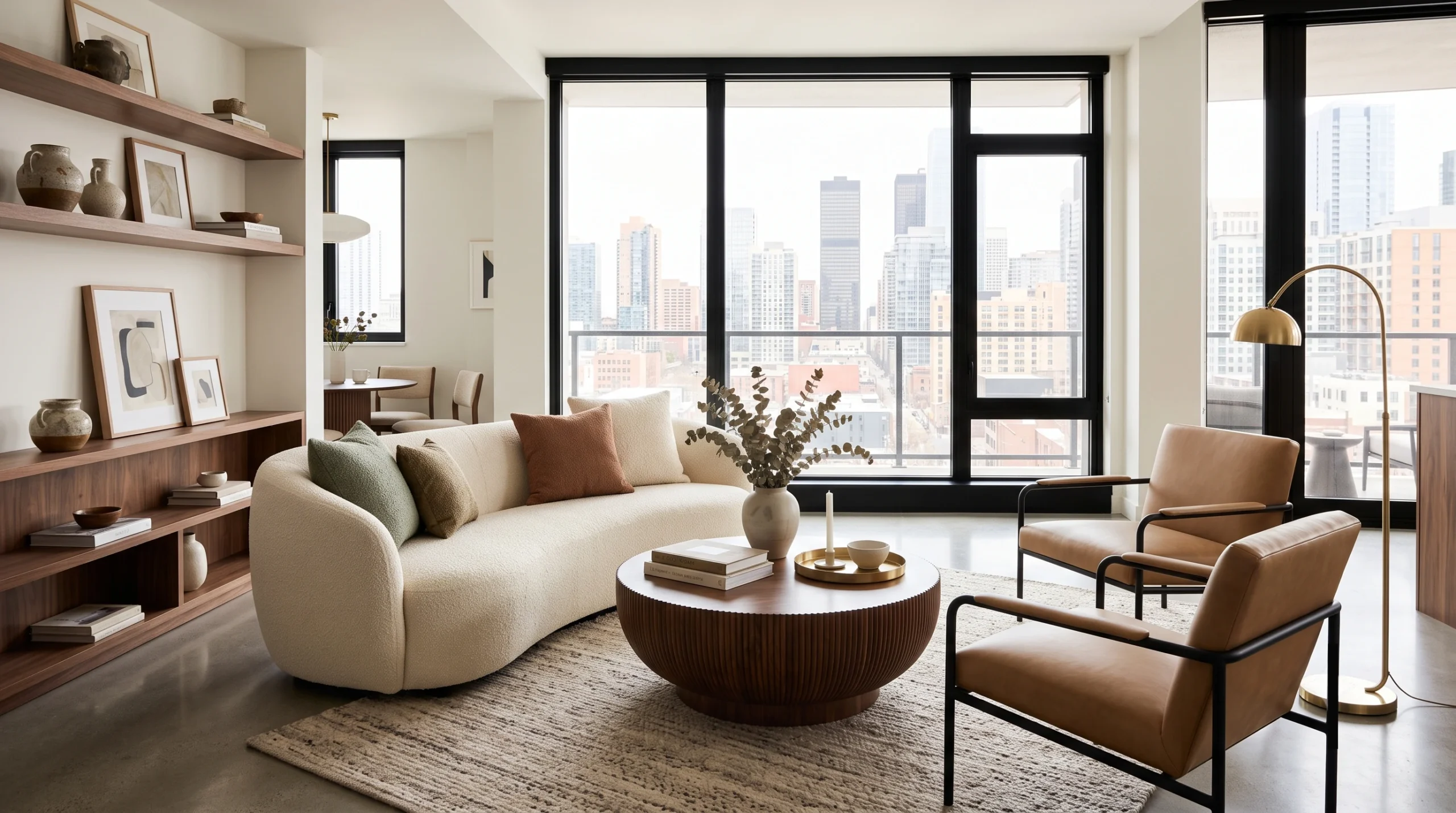
Never push the sofa against a wall. Float it in the center of the room with its back facing the kitchen or bed, immediately establishing a hard line where the living room begins.
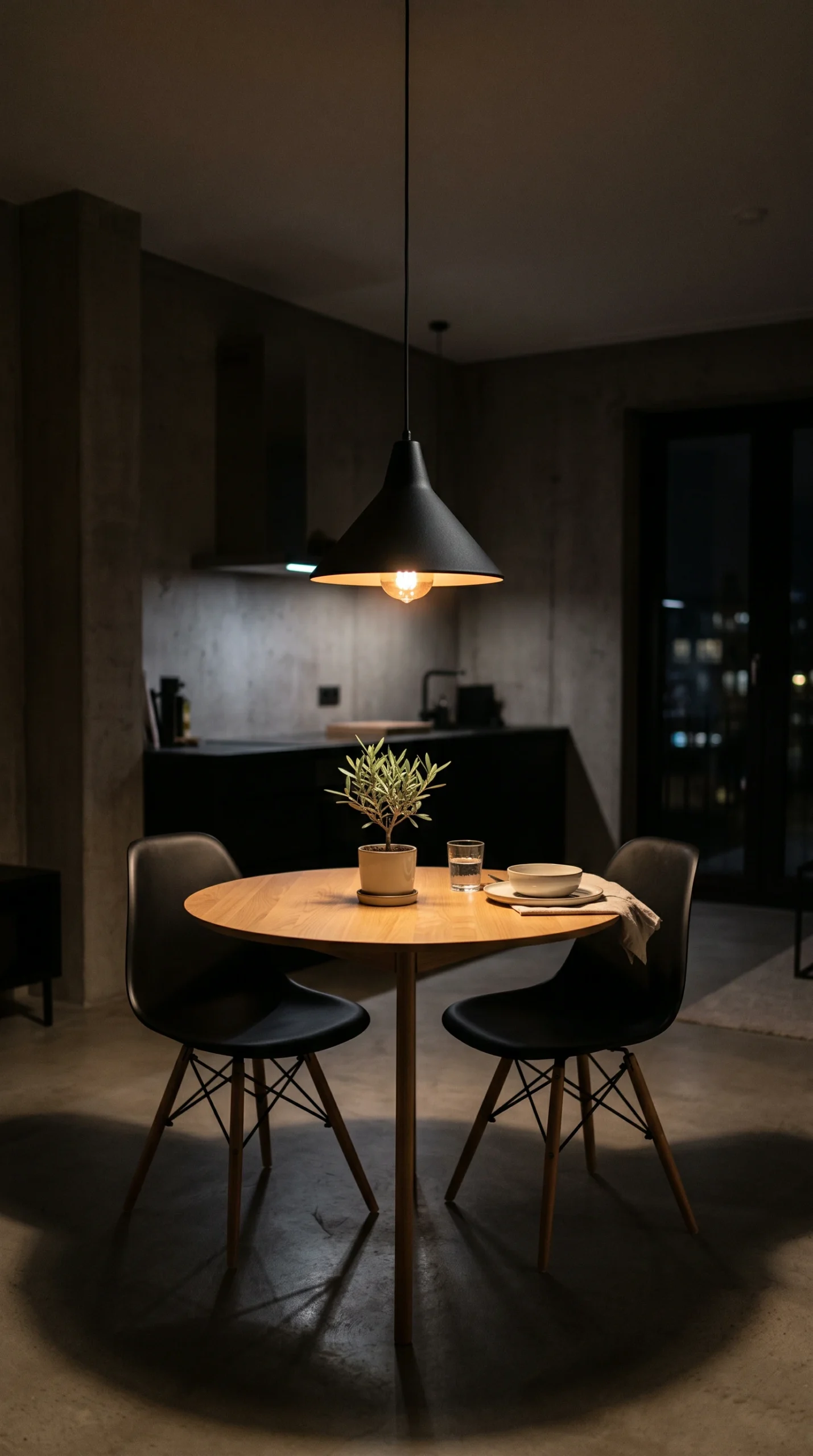
Drop a low-hanging pendant light directly over the dining table, and use a floor lamp by the sofa. Different light sources create distinct "rooms" within the darkness of a studio.
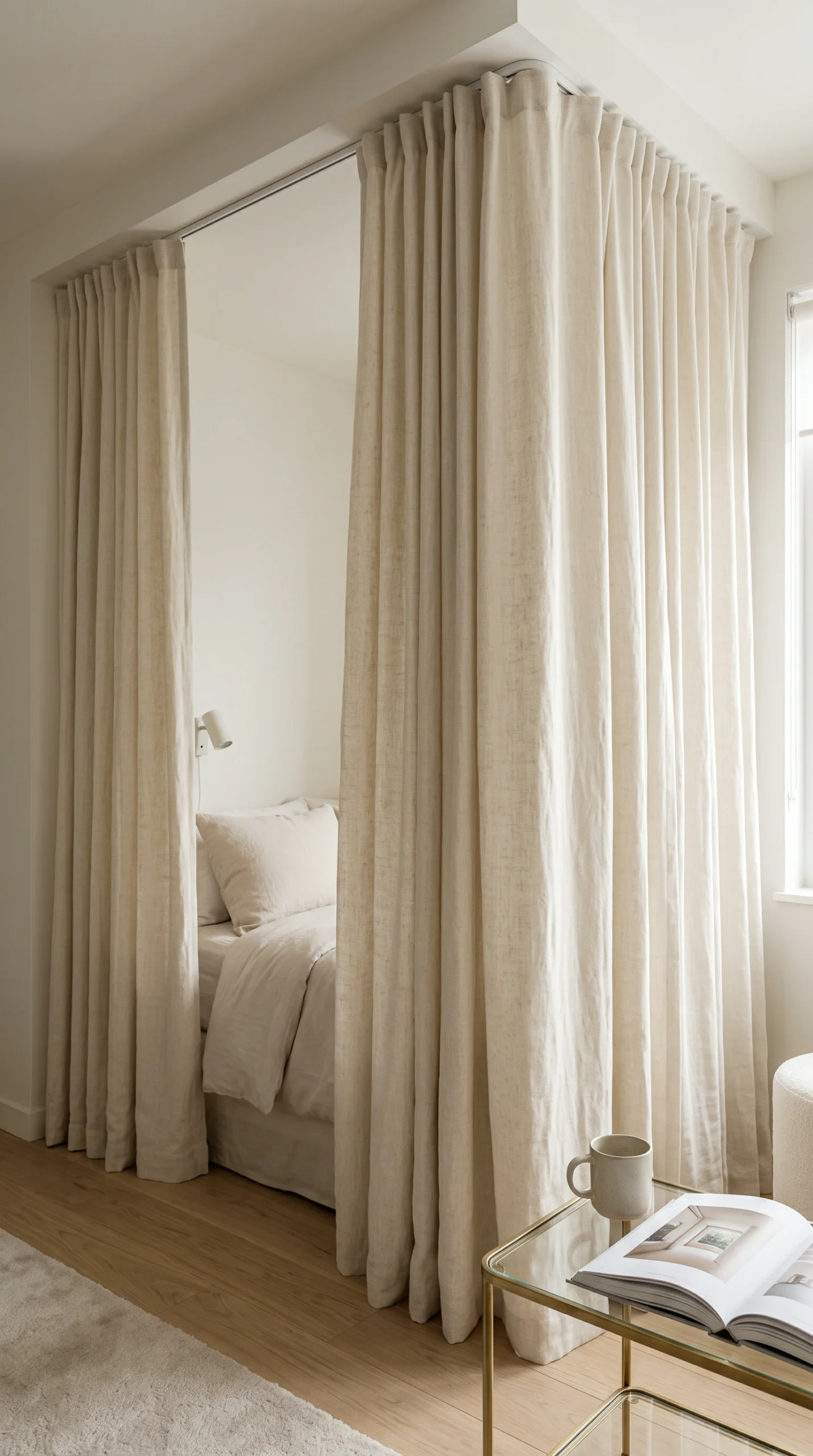
Install a ceiling-mounted curtain track around the bed. Pulling a heavy Creamy Alabaster linen curtain closed provides instant architectural separation and softness.
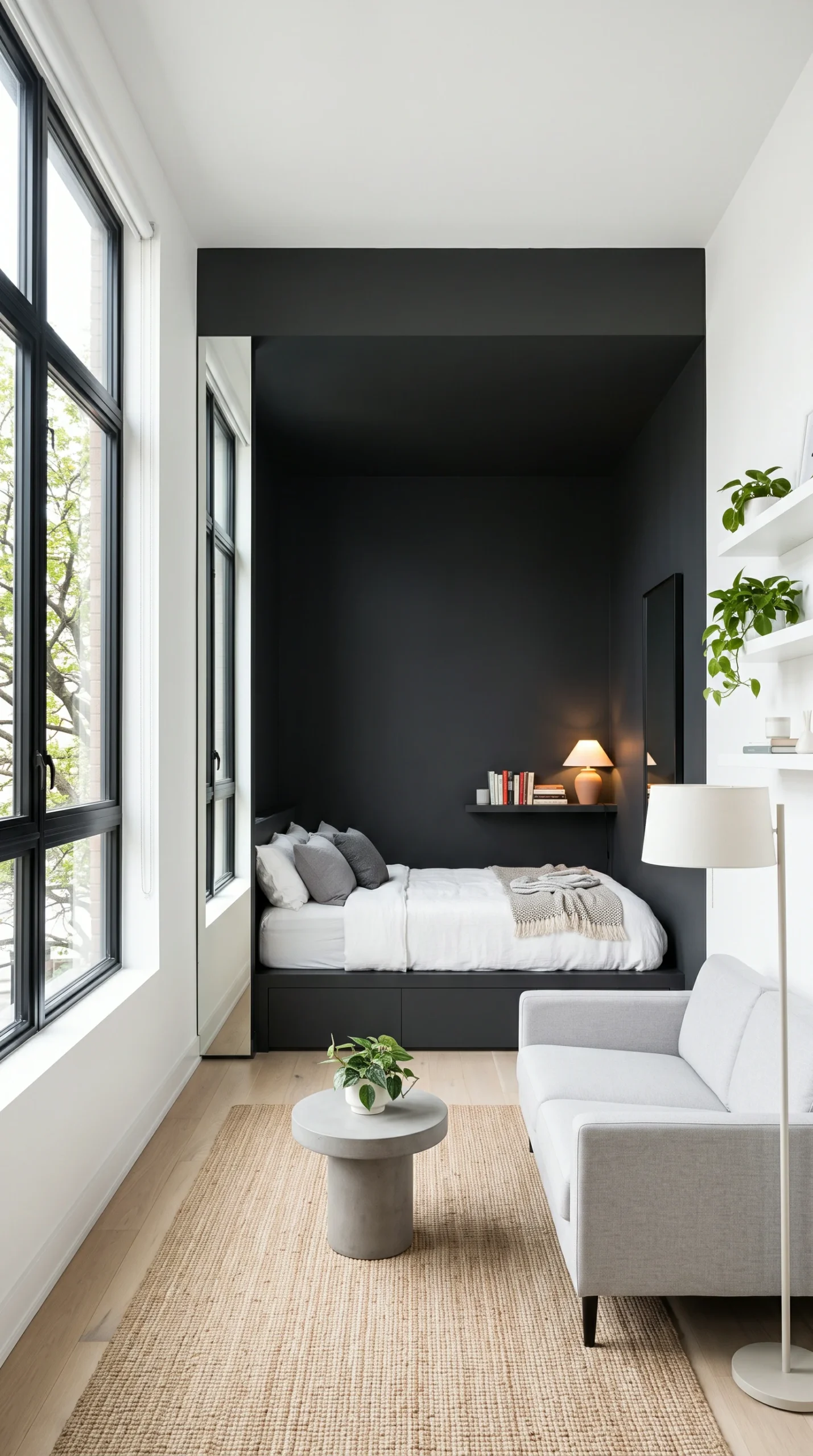
Paint the sleeping alcove a deep Midnight Indigo while keeping the living area Optical White. The stark contrast tricks the eye into seeing two completely different rooms.
Living in a single room requires extreme spatial discipline. Without the luxury of closing a door, your furniture must do the heavy lifting of dividing the space. A successful studio apartment zoning plan is an exercise in creating visual hierarchy and physical boundaries; one incorrectly placed piece of small apartment furniture can blur the lines, making the entire apartment feel like a messy, disorganized hotel room. The most brilliant open concept apartment design relies on rigorous layout planning, distinct micro-zones, and a philosophy of structured luxury.
When drafting your studio apartment layout ideas, start by mapping out your “invisible walls.” These are the lines in the room where one activity ends and another begins. The easiest way to build an invisible wall is through floor transition. Anchor your living room with a large, heavily textured Charcoal Slate rug. Every piece of living room furniture must touch this rug. Keep the floor space around your bed entirely bare, or use a contrasting rug. This immediate shift in floor texture signals to the brain that it has crossed a threshold into a new “room.”
If visual boundaries are not enough, introduce physical room divider ideas that do not block natural light. Avoid heavy, opaque folding screens that shrink the room. Instead, utilize a floor-to-ceiling open-backed Natural Oak shelving unit positioned between the sleeping and living zones. Style the shelves sparsely with books and trailing plants to allow light to pass through. Alternatively, a low, long media console placed at the foot of the bed can act as a half-wall, blocking the view of the mattress from the sofa while maintaining an open, airy sightline across the ceiling.
Lighting is the final architectural tool for creating separate living spaces. In a studio, overhead flush-mount lighting washes out the space and destroys zoning. Instead, drop a sculptural pendant light precisely over your small dining table, and place a dramatic Matte Black floor lamp next to the sofa. At night, these isolated pools of light create distinct, cozy rooms within the larger dark box. Pair this with back-to-back furniture placement—floating your sofa with its back facing your desk or bed—to physically enforce the flow of traffic around the newly created zones.
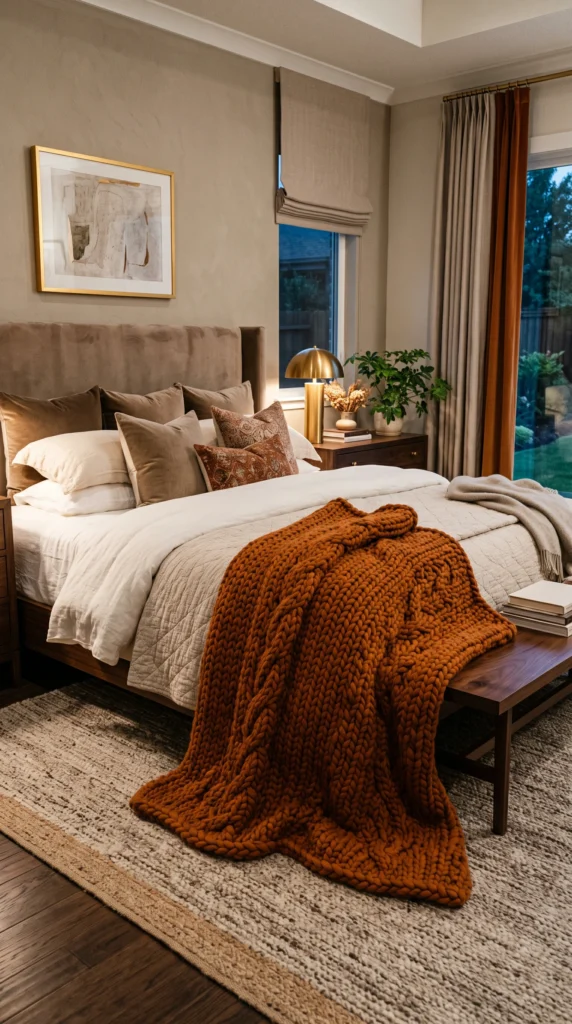
Transform your sleeping space into a warm sanctuary with the best fall bedroom decor ideas.…
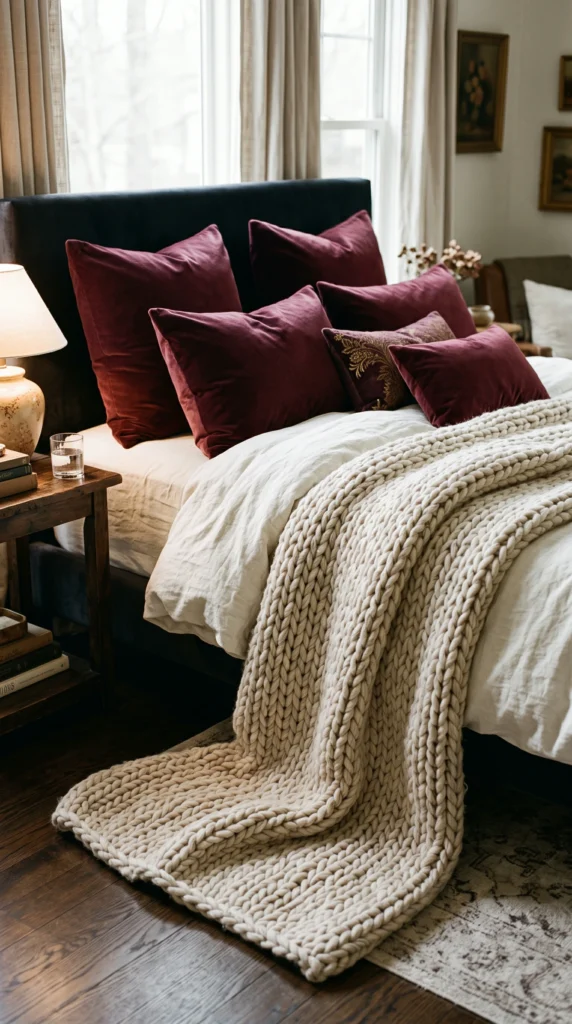
Create the ultimate autumn retreat with cozy fall bedroom ideas. Discover how to effortlessly blend…
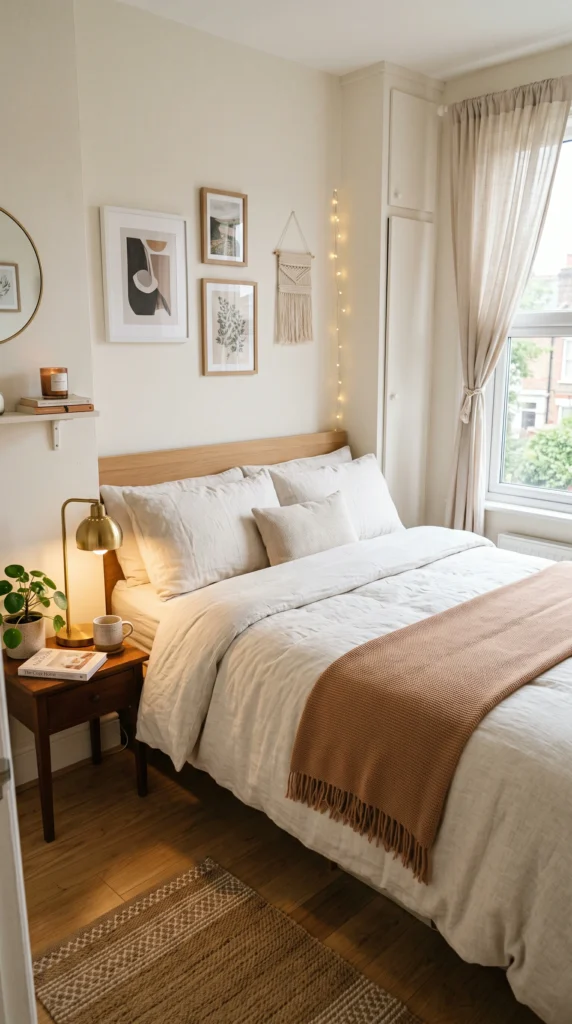
Maximize comfort in tight spaces with the best small fall bedroom ideas. Discover space-saving tips,…
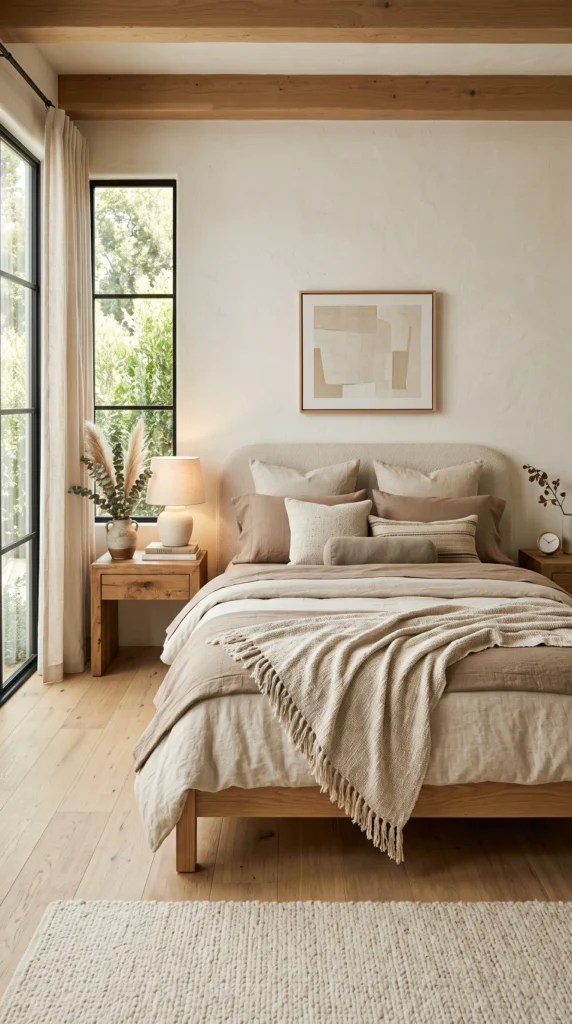
Achieve a sophisticated aesthetic with neutral fall bedroom decor ideas. Explore how to use warm…
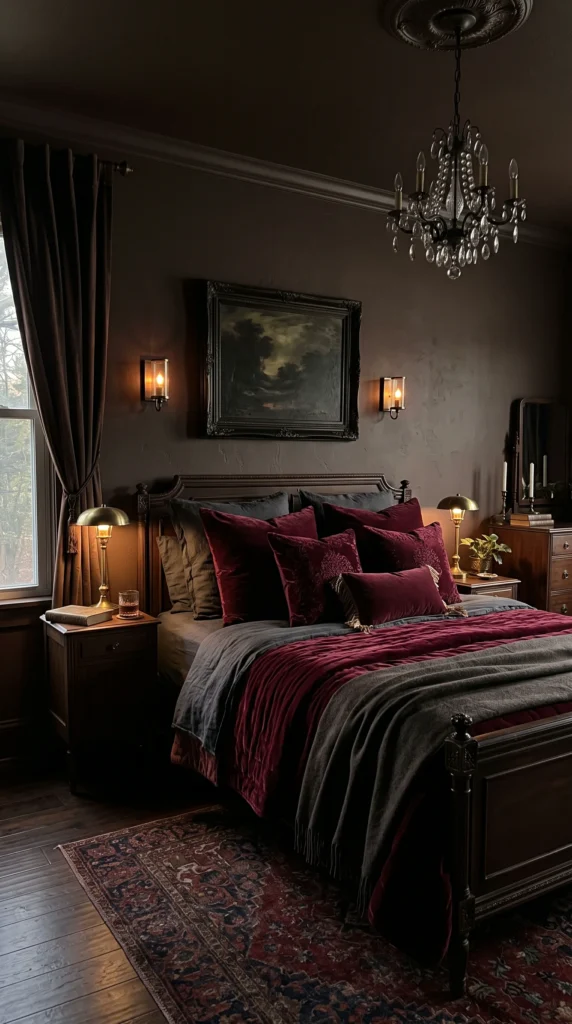
Transform your room with expert fall bedroom color ideas. Discover the best autumn bedroom colors,…
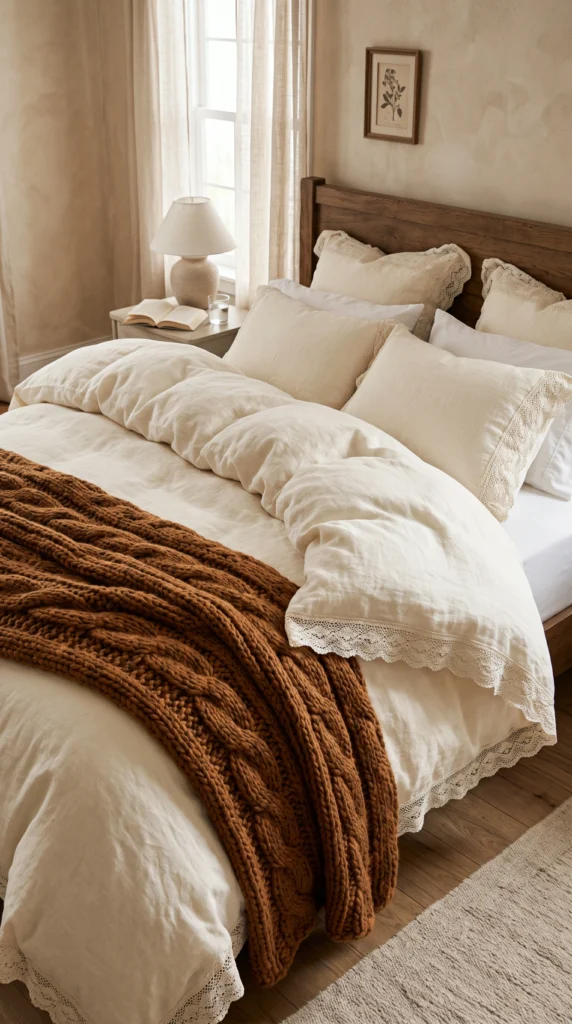
Master the art of bed layering with the best fall bedroom bedding ideas. Discover cozy…
Welcome! Please enter your details to chat with our interior designer.