Studio Apartment Bedroom Layout Ideas for Better Privacy

Carving out a private sanctuary in a single open room is one of the greatest challenges of small space living. When your sleeping area shares the exact same floor plan as your kitchen and living room, achieving meaningful separation requires brilliant spatial engineering. This guide explores highly effective studio apartment bedroom layout strategies designed to maximize privacy and comfort. Discover how to create dedicated sleeping zones using acoustic curtains, strategic wardrobe placement, and clever room divider ideas. Whether you are battling a cramped footprint or seeking deeper rest, these architectural solutions will help you design an incredibly peaceful, secluded bedroom nook.

Style Type

Warm Scandinavian / Cocooning Modern

Budget

Moderate (Focuses on structural dividers and high quality textiles)

Difficulty

Intermediate (Requires ceiling mounting and careful spatial planning)

Best For

Open Concept Studios, Micro Apartments, Shared Lofts
Visual Inspiration

Concealed Sleeping Zones

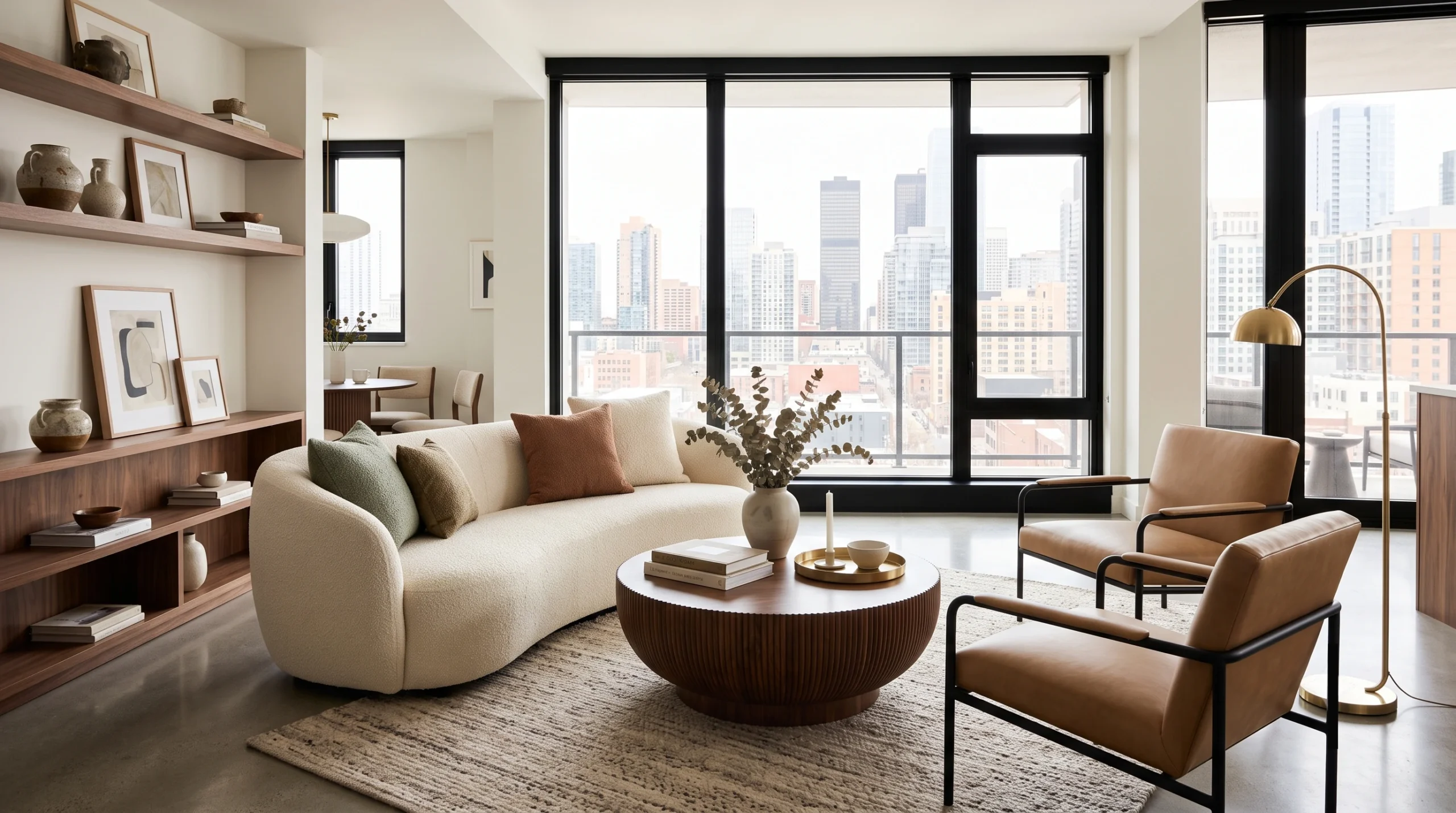
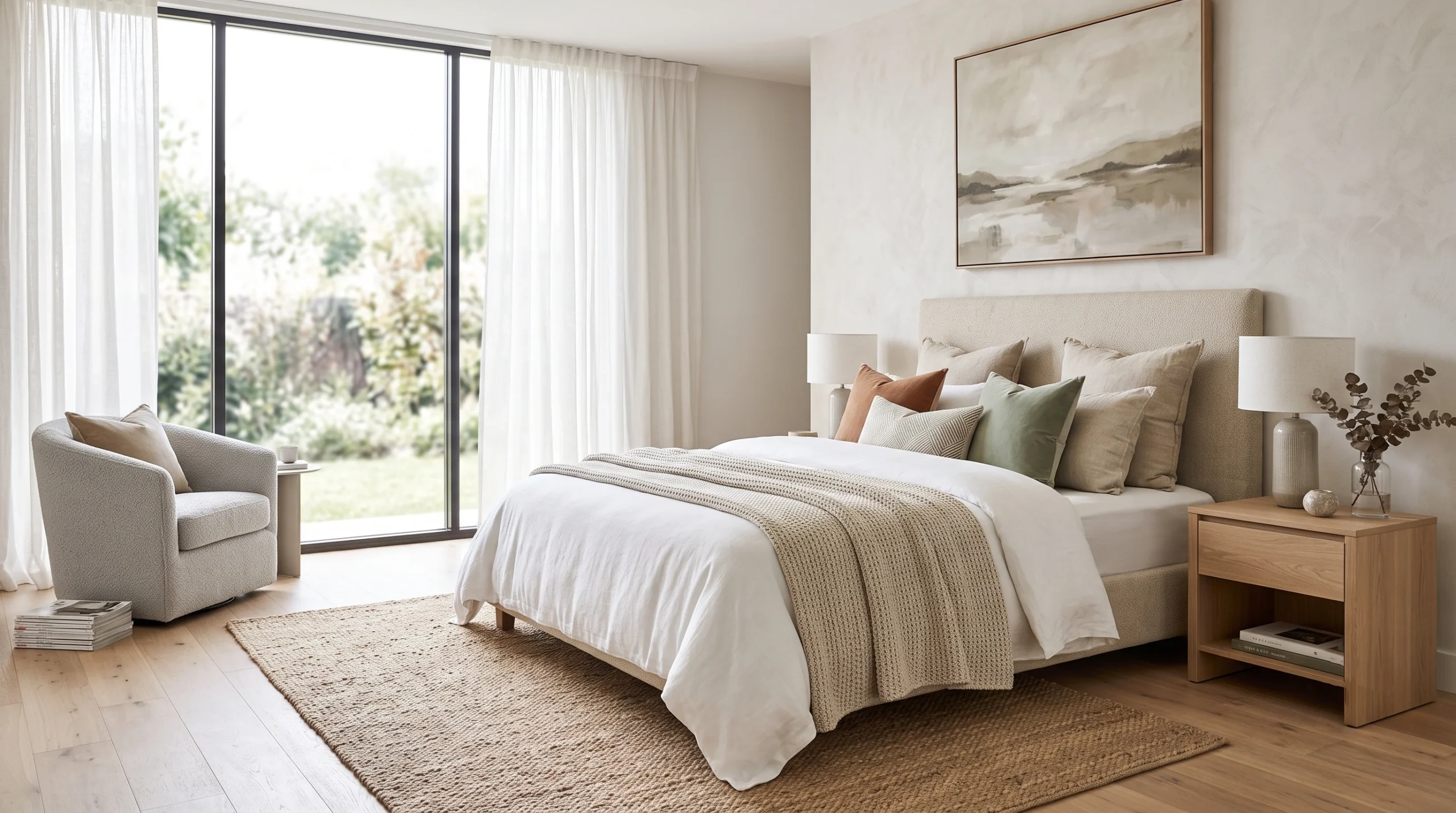
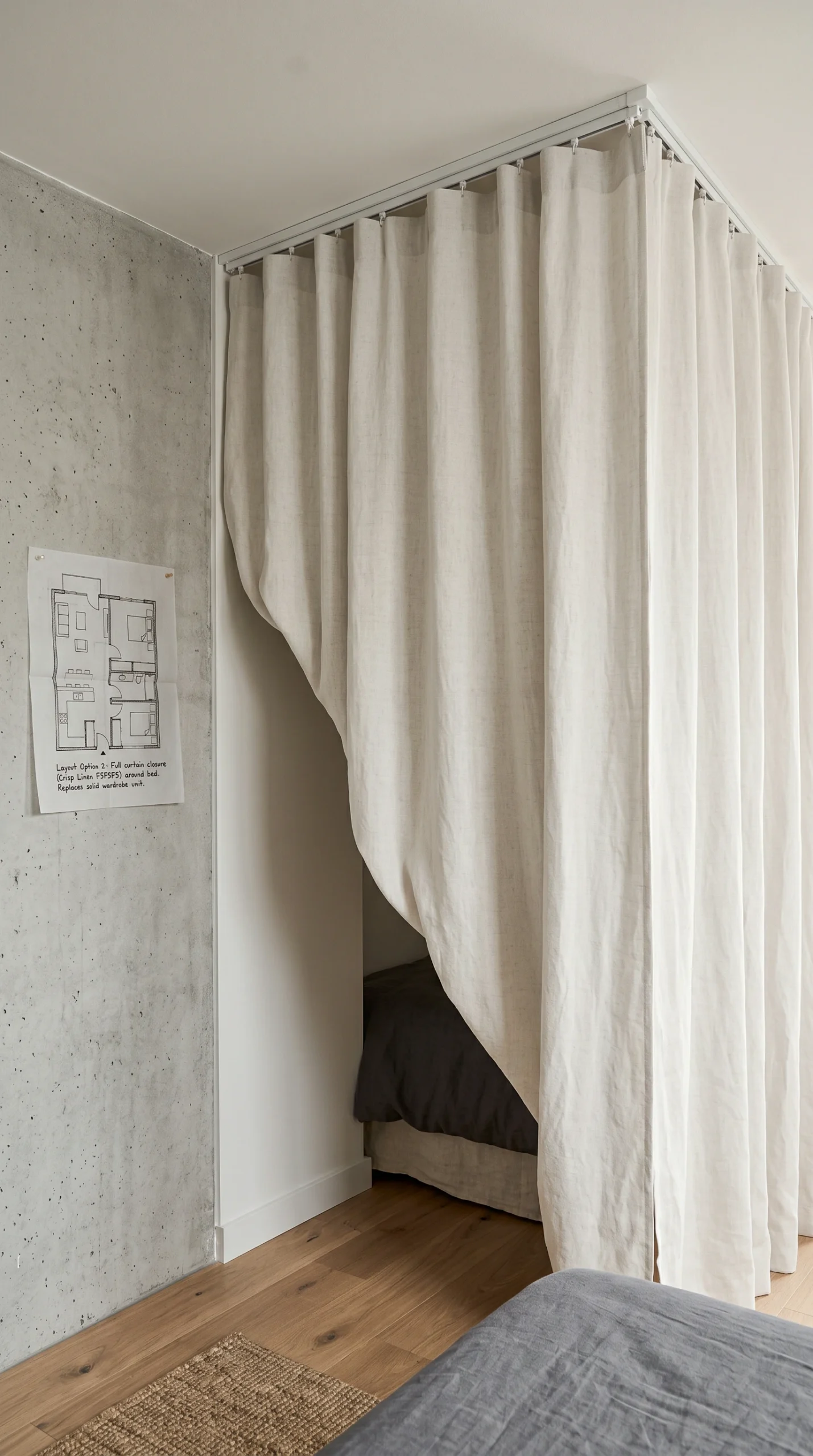
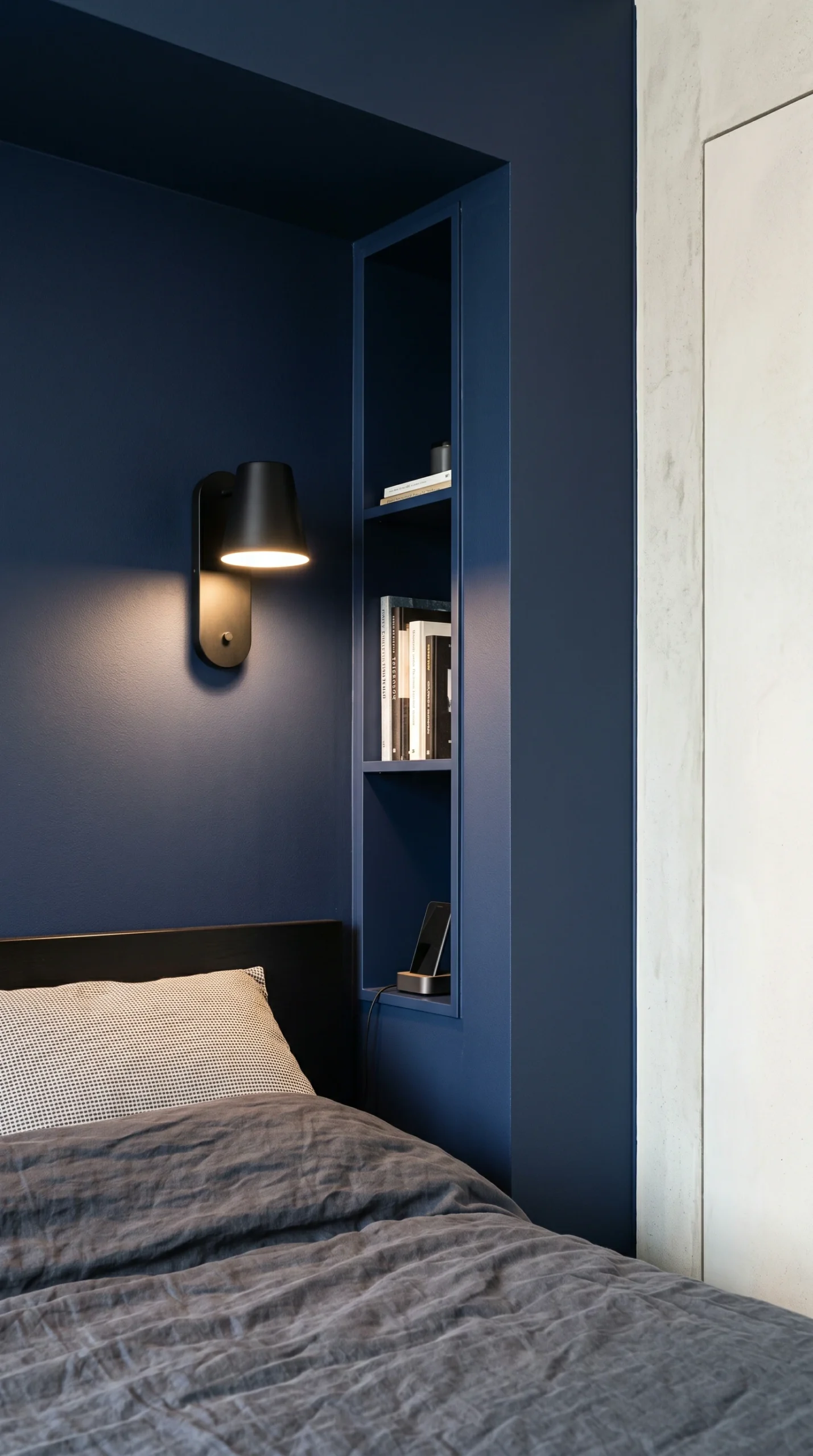
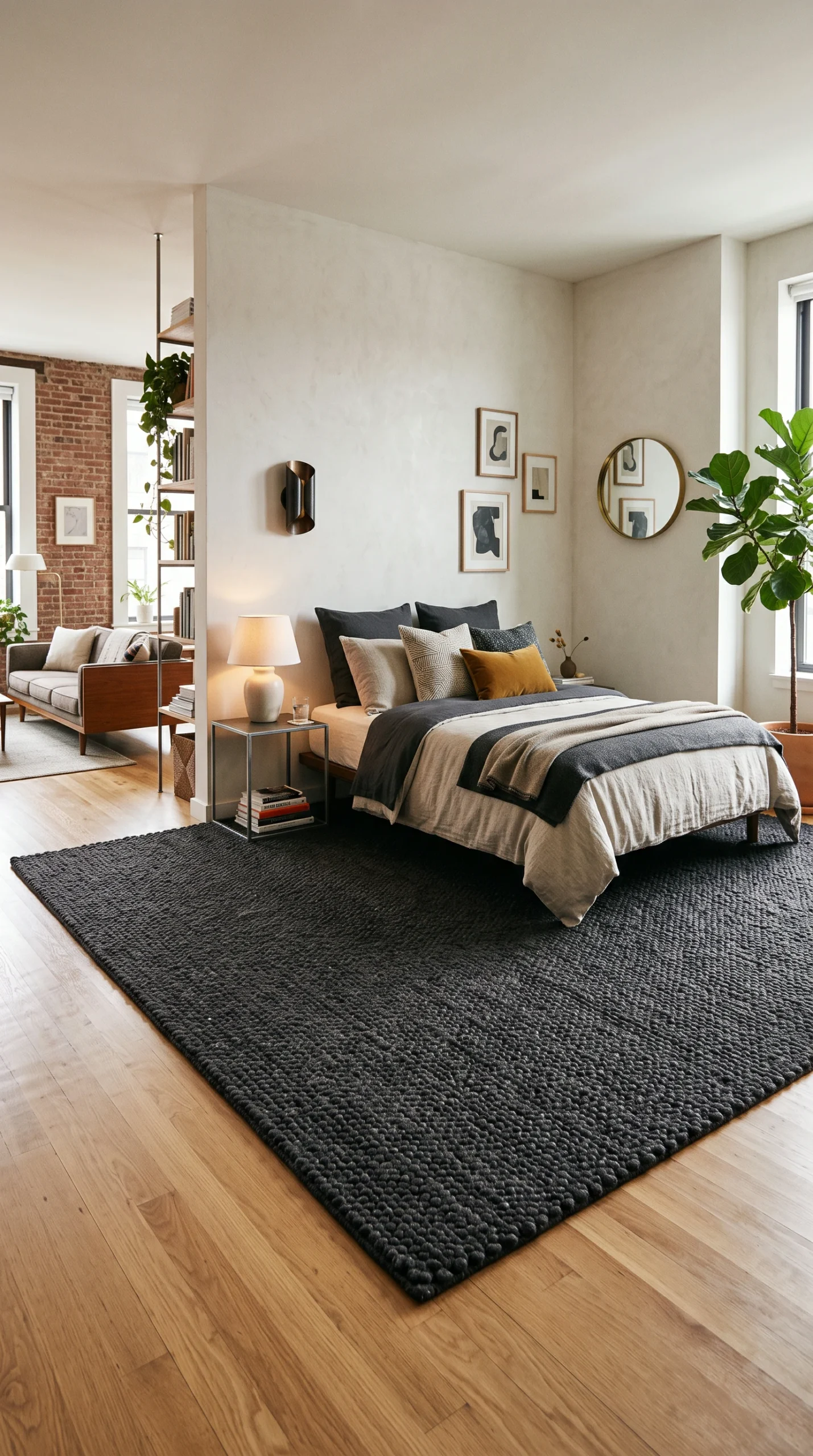
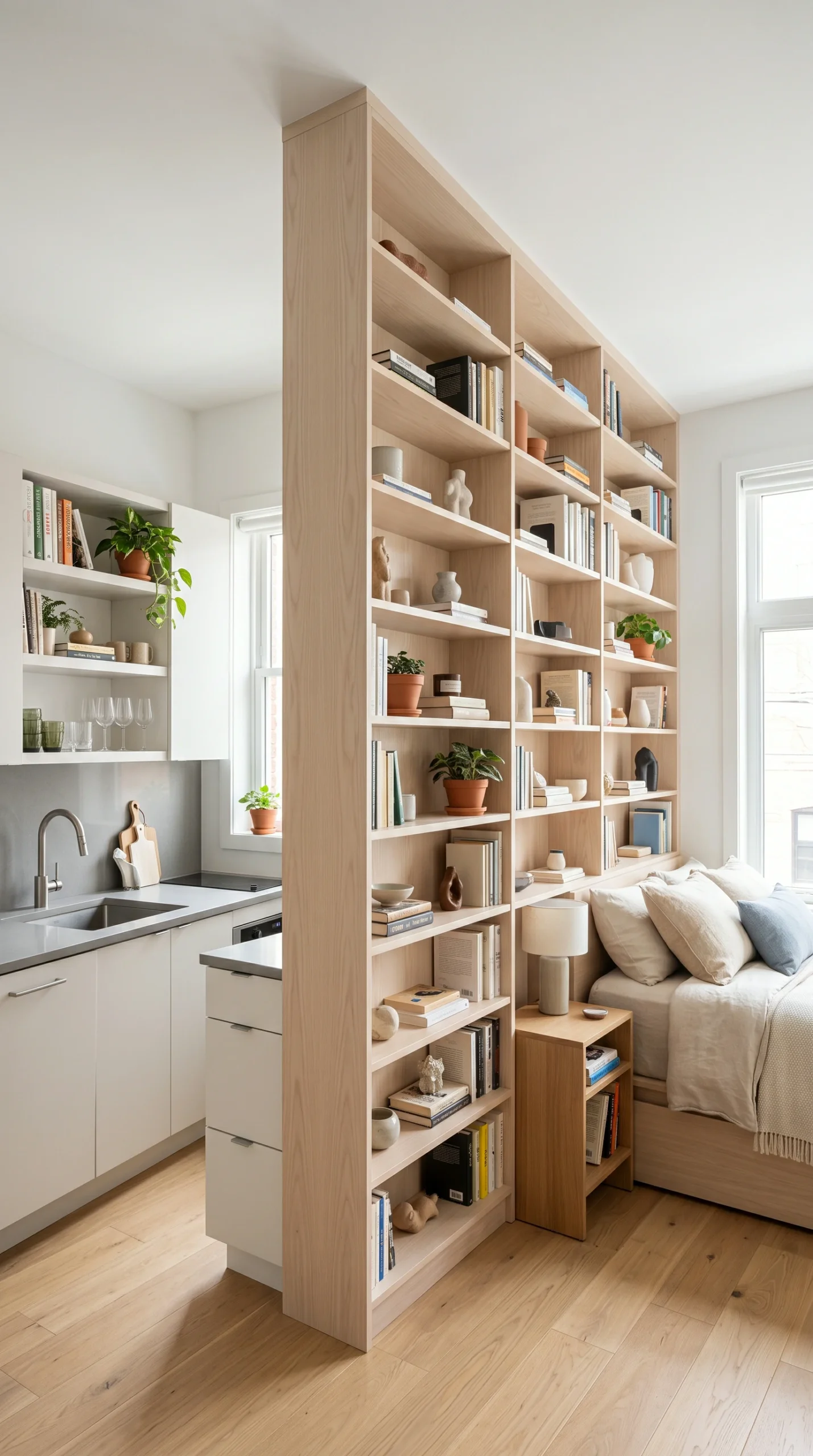
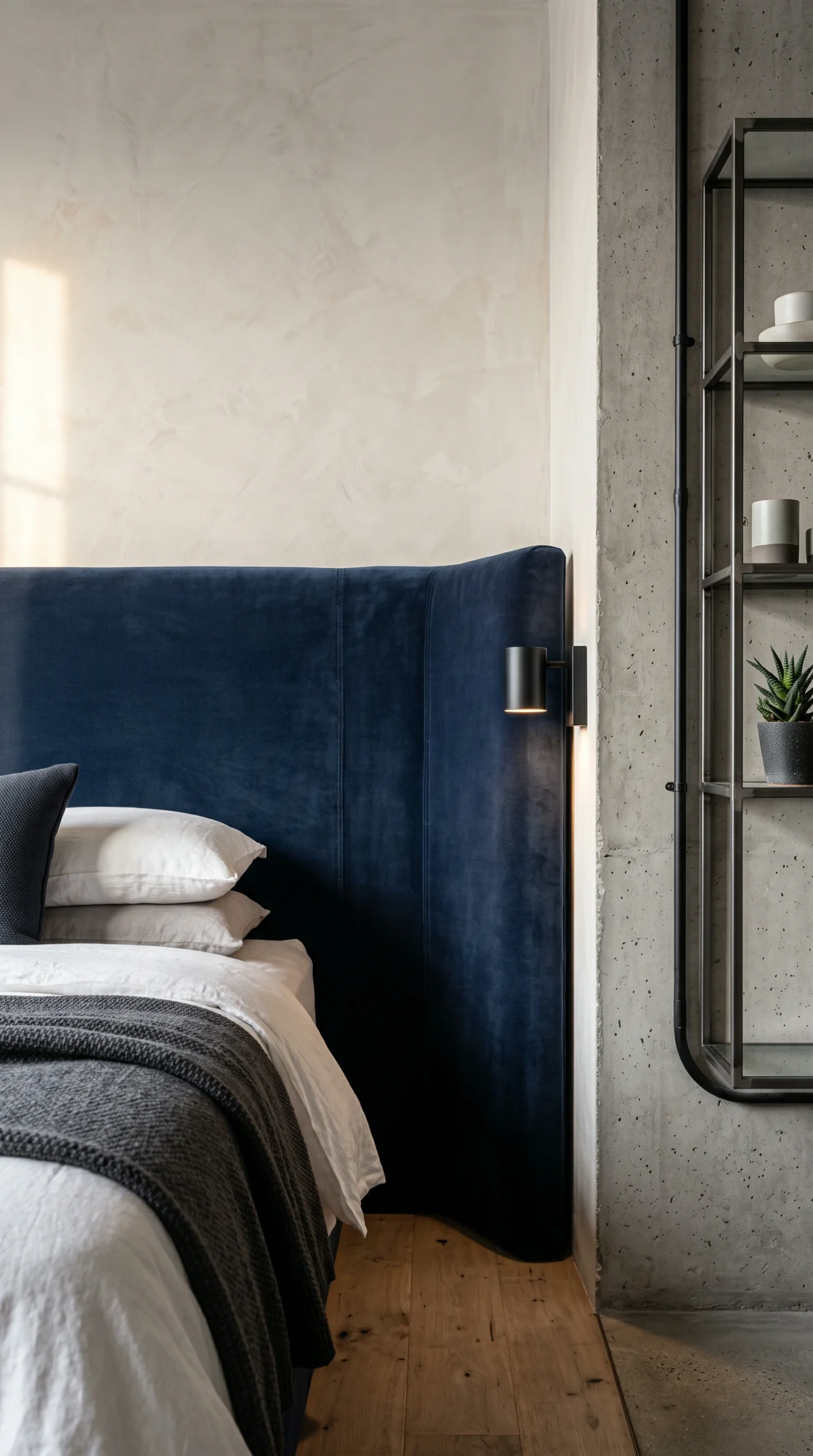
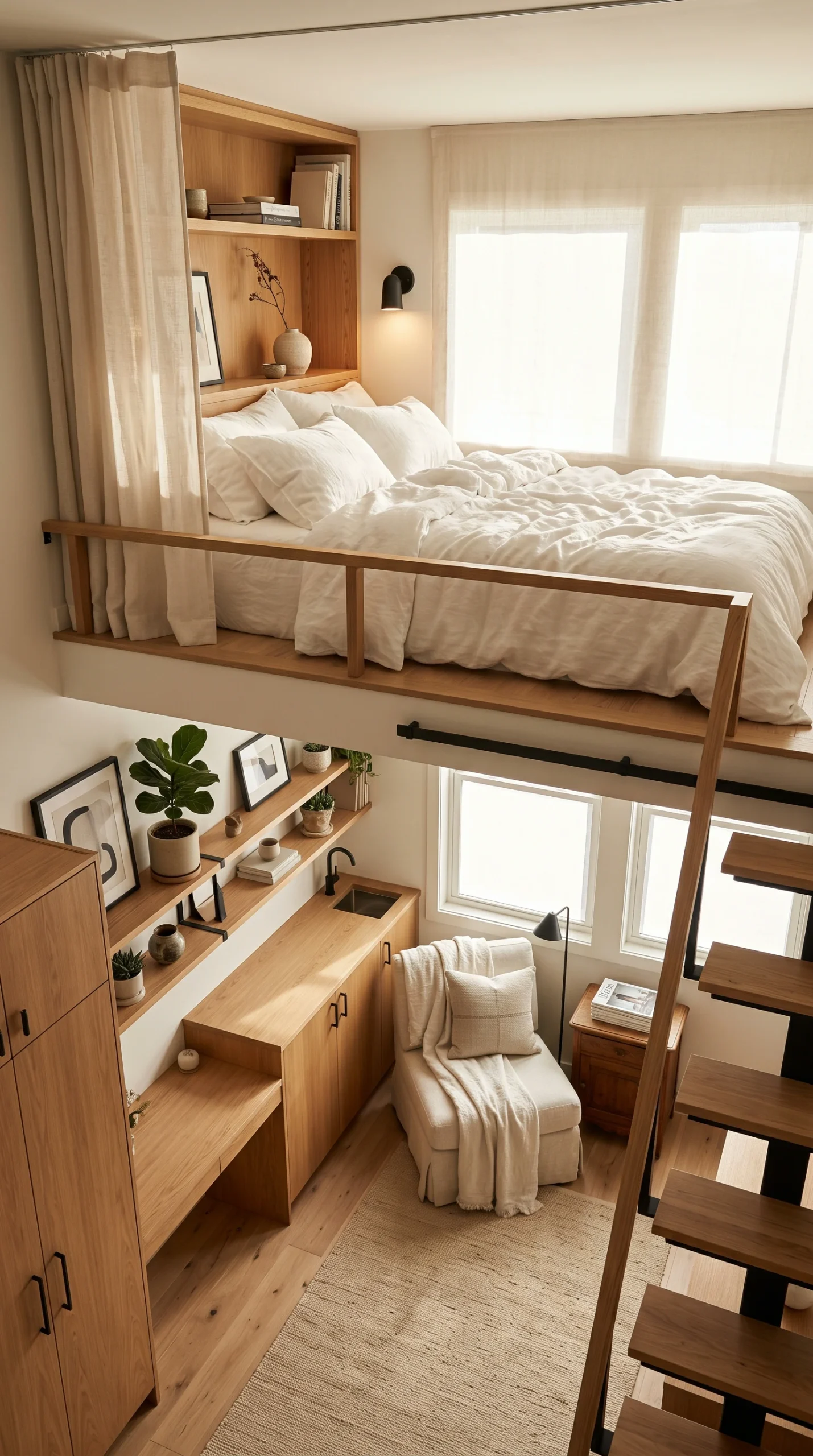
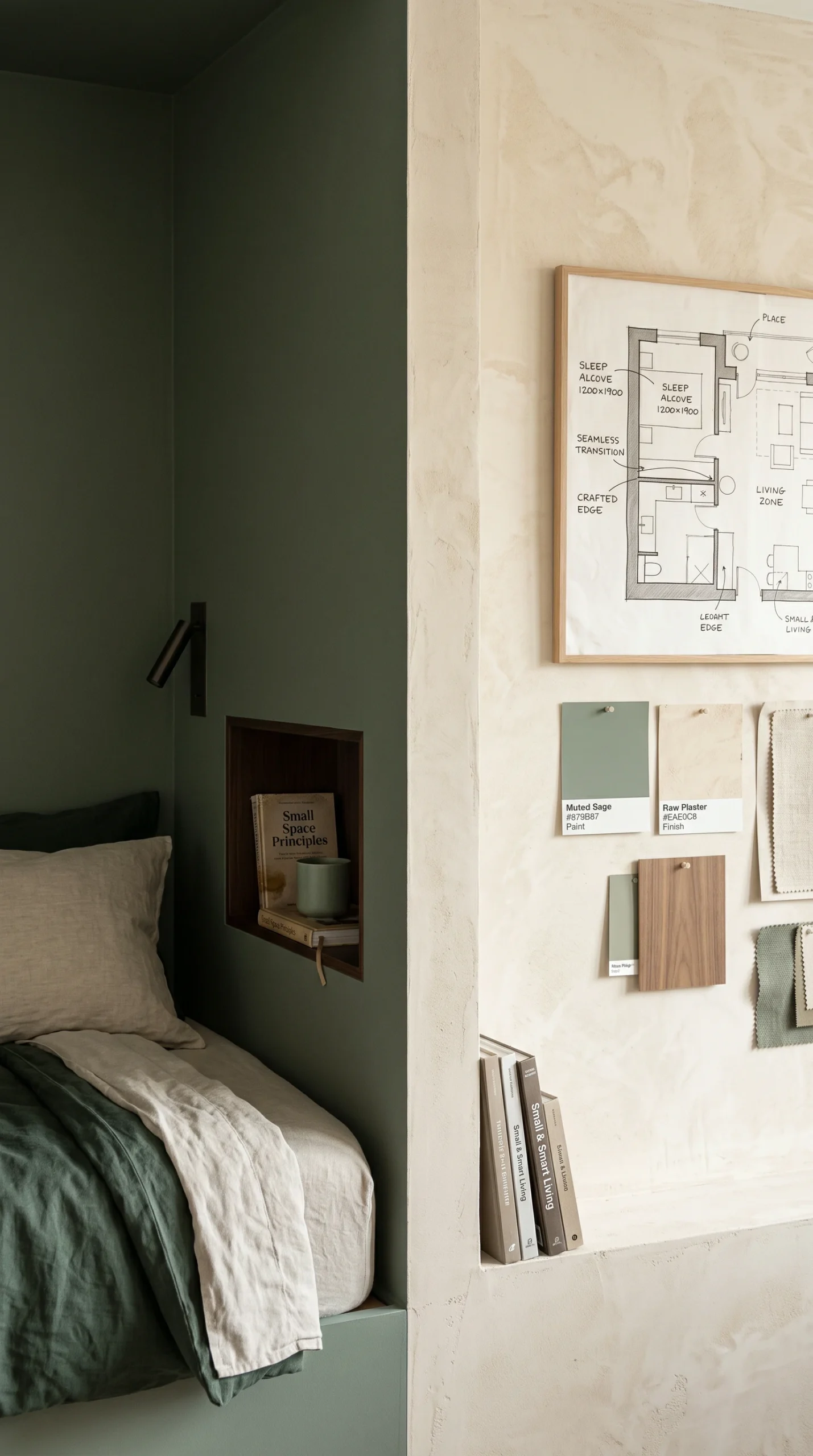
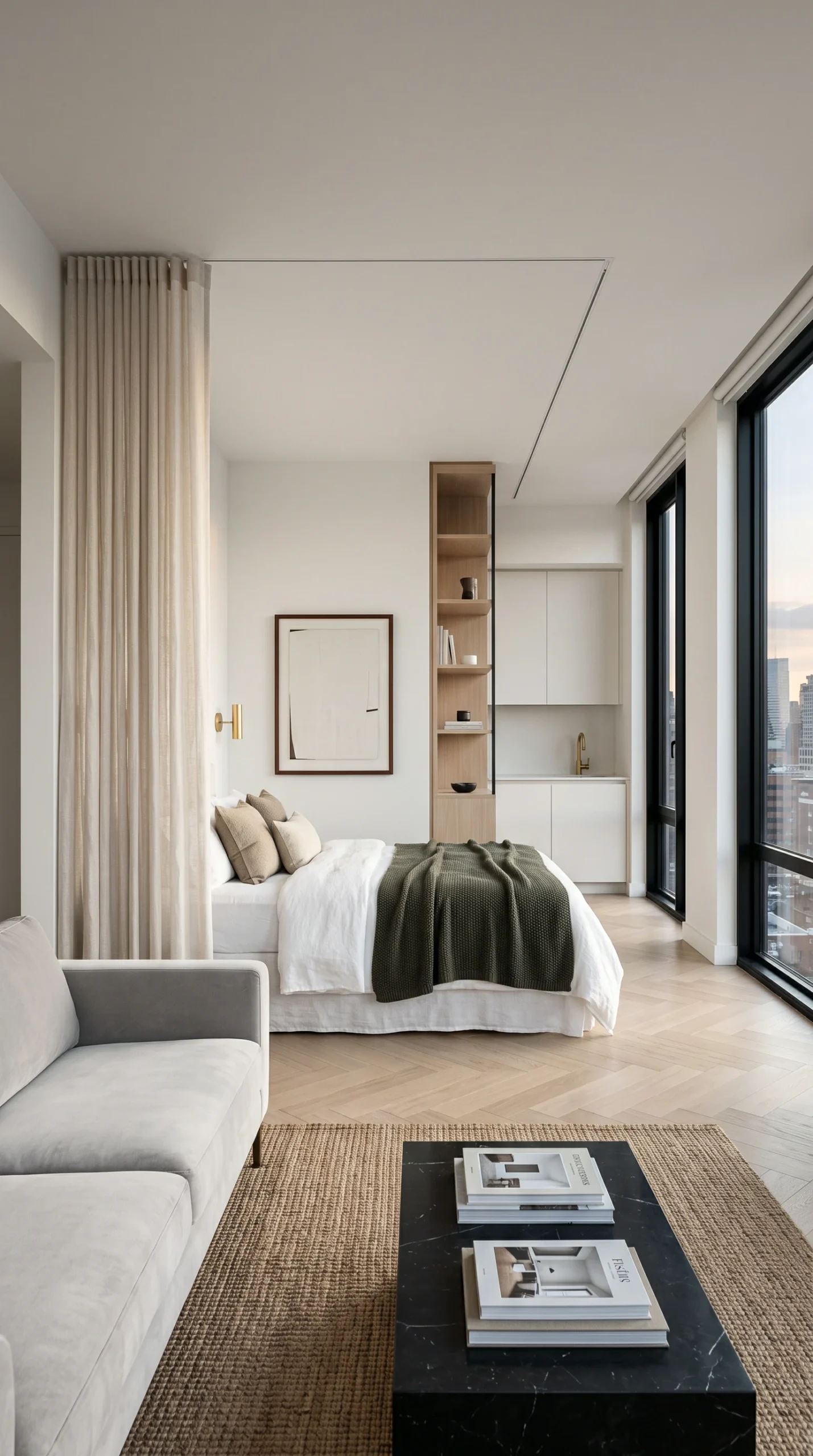
A striking visual gallery demonstrating how the strategic placement of heavy linen curtains, freestanding wardrobes, and slatted wood screens transforms an exposed mattress into a highly private, architecturally defined studio sleeping area.
Color Palette

The Deep Slumber Palette

A grounding, sleep inducing collection of rich midnight blues, soft warm oaks, and muted sages designed to create a visual cocoon around the bedroom zone while remaining integrated with the apartment.

Midnight Indigo

#1C2841

Warm Oak

#D2B48C

Muted Sage

#879B87

Crisp Linen

#F5F5F5

Charcoal Slate

#2B2B2B

Soft Ash

#E6D5C3

Matte Black

#1A1A1A

Raw Plaster

#EAE0C8

Soft Concrete

#D3D3D3

Faded Terracotta

#A57164

Design Guide

Rules for Bedroom Privacy

Implement these strict spatial planning rules to ensure your studio apartment bedroom layout feels intensely private, separated, and deeply restful.

The Corner Anchor

Always start your layout planning by anchoring the bed in the absolute furthest corner of the apartment. Distance from the front door and kitchen is your first layer of psychological privacy.

Ceiling Track Curtains

Install a continuous track on the ceiling around your sleeping alcove. Hanging heavy, acoustic linen curtains allows you to instantly close off the bed from the rest of the apartment.

The Wardrobe Wall

Instead of buying a low dresser, use a tall, freestanding wardrobe placed perpendicular to the wall. This instantly acts as a structural room divider, physically blocking the view of the bed.

Slatted Wood Screens

If you want privacy without sacrificing natural light, install floor to ceiling slatted wood panels. They obscure the view of the sleeping area while keeping the apartment feeling bright and open.

Elevated Lofting

If your ceilings are over nine feet high, consider a lofted bed. Elevating the mattress completely removes the sleeping zone from the primary sightlines of the living area.

Acoustic Dampening

Privacy is not just visual. Anchor the bedroom zone with a thick, plush rug and heavily textured bedding to absorb sound and create a noticeably quieter micro environment.

The Complete Guide

The Complete Guide to Studio Sleeping Areas

Living in a studio apartment often forces a highly uncomfortable compromise between public and private space. Entertaining guests or simply relaxing on the sofa feels incredibly vulnerable when your unmade bed is in plain view. A successful studio apartment bedroom layout is an exercise in creating architectural boundaries where none exist. The most brilliant apartment bedroom design relies on rigorous zoning, clever room divider ideas, and a philosophy of cocooning luxury to engineer a sleeping space that feels completely detached from the daily chaos of the home.

Engineering the Sleeping Alcove

When drafting your studio apartment layout, the placement of the bed dictates the flow of the entire room. You must actively engineer a sleeping alcove by prioritizing the darkest, most secluded corner of the floor plan. Once the bed is anchored, you must construct a physical or visual barrier to isolate it. The most luxurious and effective method is the ceiling mounted curtain. By installing a curved hospital track around the bed and hanging floor to ceiling Crisp Linen curtains, you create a soft architectural wall. During the day, the curtains are tied back, adding elegant vertical texture to the room. At night, they are drawn shut, instantly transforming the corner into a highly private, sound dampened sanctuary.

Structural Room Divider Ideas

If curtains feel too soft for your aesthetic, you must employ structural room divider ideas. Freestanding furniture is your greatest asset here. Rather than placing a wardrobe flat against a perimeter wall, turn it ninety degrees so it juts out into the room. The back of the wardrobe now serves as a solid wall that completely hides the bed. You can paint or wallpaper the exposed back of the wardrobe to match the living room, seamlessly blending it into the architecture. Alternatively, a Warm Oak slatted wood screen provides an excellent middle ground, offering intense visual privacy for the studio sleeping area without trapping airflow or blocking precious sunlight.

Designing for Psychological Privacy

True privacy in a small apartment is psychological as well as physical. You must trick the brain into feeling that the bedroom is a completely different room. Use color blocking to achieve this. Paint the walls and ceiling of the sleeping alcove a deep, enveloping shade like Midnight Indigo, stopping the paint exactly where the living room zone begins. This stark visual shift signals to the mind that a boundary has been crossed. Pair this with a dedicated lighting plan. Rely on low wattage wall sconces and bedside lamps within the alcove, completely avoiding harsh overhead lighting. By ensuring the sleeping zone is structurally defined, acoustically softened, and visually distinct, you will achieve the ultimate luxury of deep privacy in a single room footprint.
Where It Works Best

Optimized Privacy Zones

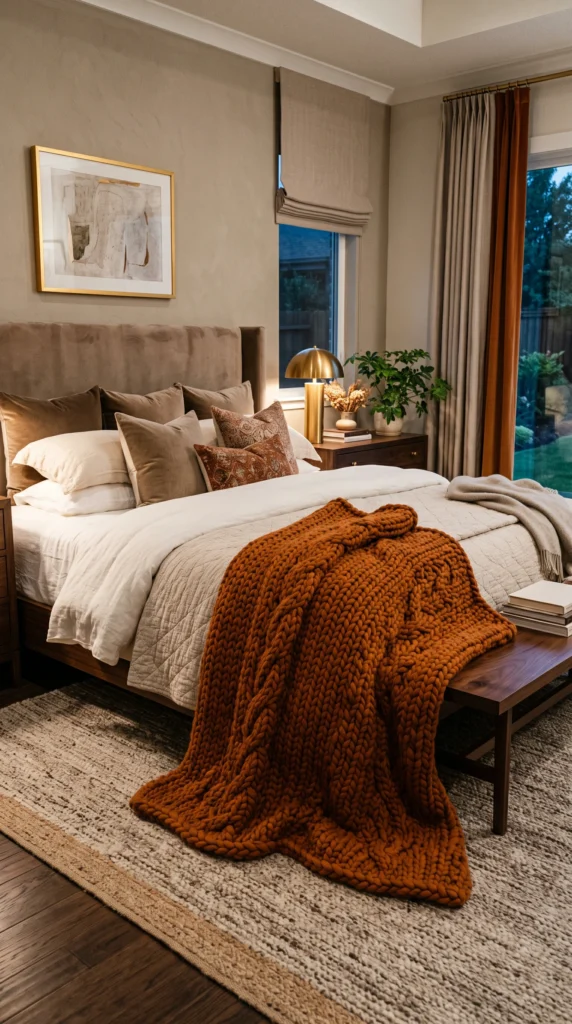
The principles of structural wardrobes, ceiling mounted curtains, and deep color blocking can maximize privacy in any open concept floor plan.
FAQS

Frequently Asked Questions

Expert tips on bedroom divider ideas, maximizing privacy, and mapping traffic flow in a studio sleeping area.
The most effective strategies are installing a ceiling mounted curtain around the bed, using a freestanding wardrobe as a makeshift wall, or utilizing an open backed bookshelf to obscure the line of sight.
Solid dividers can shrink a room if placed poorly. However, using open slatted wood screens or tie back linen curtains adds necessary architectural depth and makes the space feel purposely designed rather than cramped.
Place the bed in the absolute furthest corner from the entry door and kitchen. This provides maximum psychological distance and prevents guests from walking directly past your sleeping area.
Yes, this is a highly recommended technique called color blocking. Painting the sleeping alcove a dark, soothing color creates an immediate visual boundary that separates it entirely from the bright living room.
Privacy includes acoustics. Use a thick area rug beneath the bed, hang heavy linen or velvet curtains, and utilize plush upholstered headboards to absorb sound waves and quiet the sleeping zone.
If your ceilings are tall enough, lofting is an incredible solution. It completely removes the mattress from the visual sightline of the living room and frees up massive amounts of floor space.
Float your sofa with its back directly facing the footboard of the bed. This creates a hard physical line in the middle of the room, forcing traffic to flow around the living zone rather than through the bedroom.
Avoid overhead lighting entirely. Install wall mounted sconces on either side of the bed to save nightstand space, creating a warm, low level glow that feels distinctly separate from the bright kitchen task lighting.
While inexpensive, folding screens are highly unstable and consume valuable floor space with their zigzag footprint. A ceiling mounted curtain or a tall bookshelf is far more efficient and architectural.
Focus heavily on layering textures. Mix rich linen sheets with a heavy wool throw blanket and anchor the space with a plush rug. These tactile elements create a sense of comfort and distinct enclosure.
Recent Inspiration

Discover More Home Decor Ideas

Explore the latest interior design trends, decorating inspiration, and beautifully curated spaces to spark new ideas for every room in your home.
Fall Bedroom Decor Ideas for a Cozy Autumn Retreat

Transform your sleeping space into a warm sanctuary with the best fall bedroom decor ideas.…
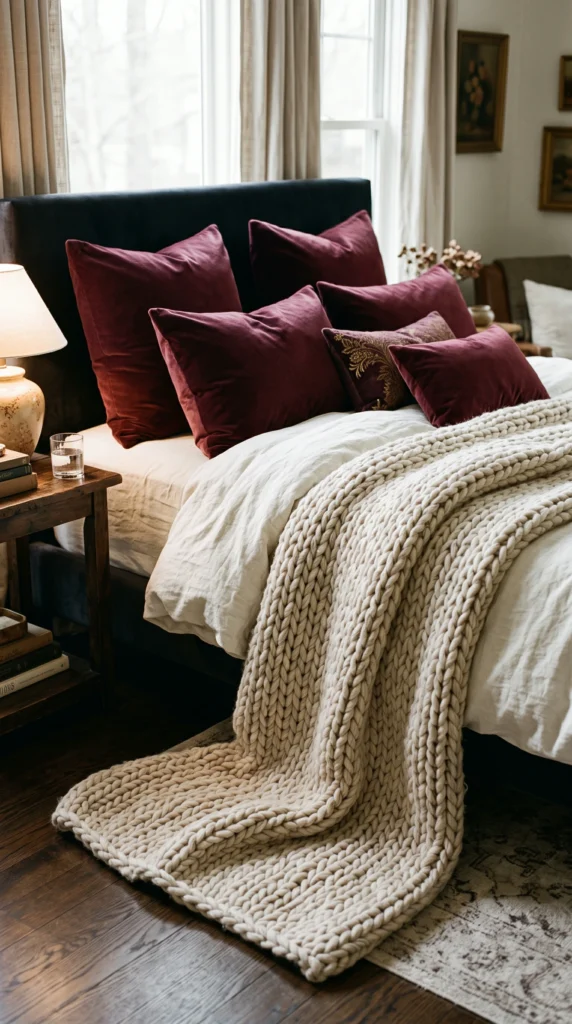
Cozy Fall Bedroom Ideas with Warm Colors and Soft Textures

Create the ultimate autumn retreat with cozy fall bedroom ideas. Discover how to effortlessly blend…
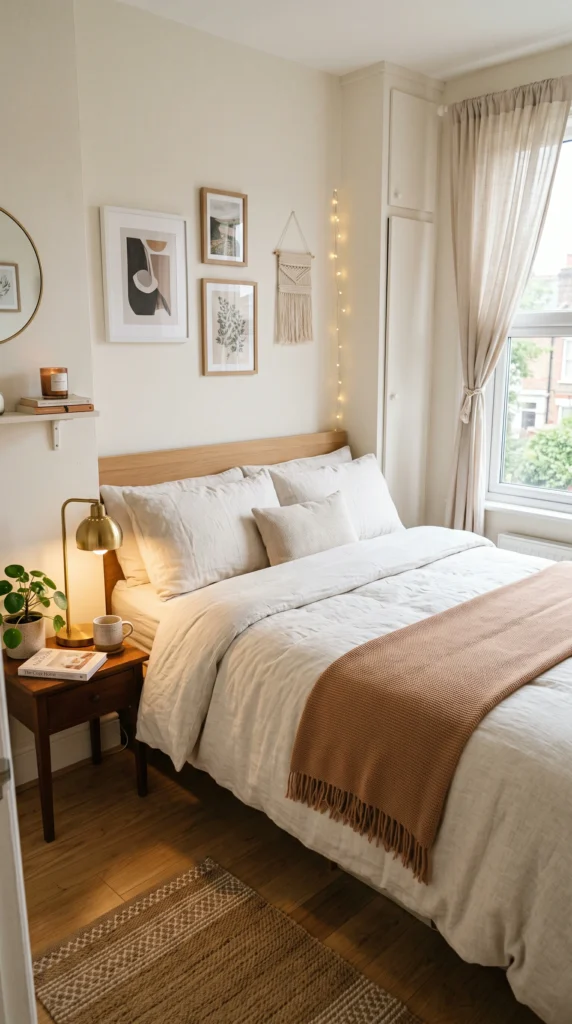
Small Fall Bedroom Ideas That Make Your Space Feel Cozy

Maximize comfort in tight spaces with the best small fall bedroom ideas. Discover space-saving tips,…
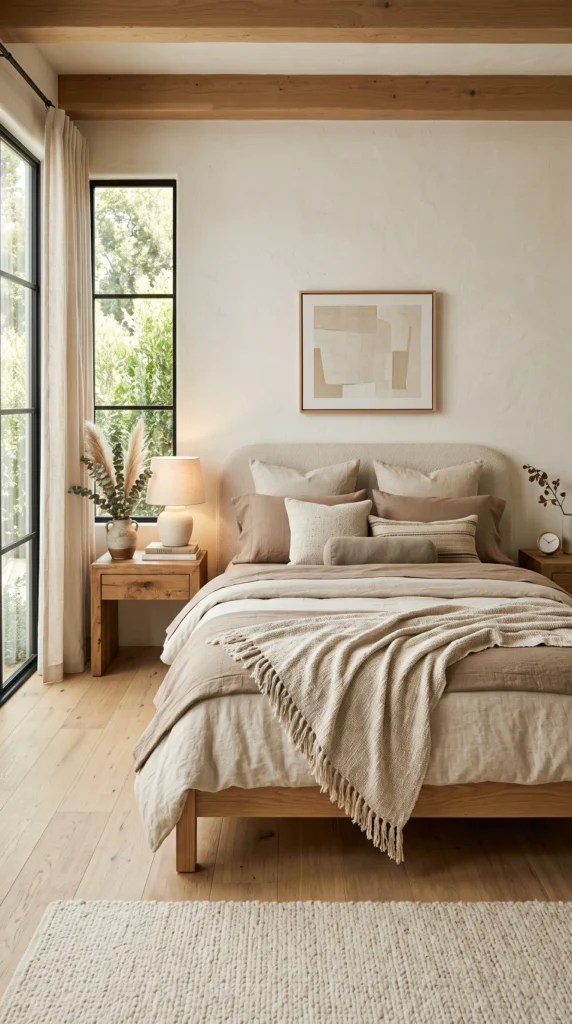
Neutral Fall Bedroom Decor Ideas for a Modern Cozy Look

Achieve a sophisticated aesthetic with neutral fall bedroom decor ideas. Explore how to use warm…
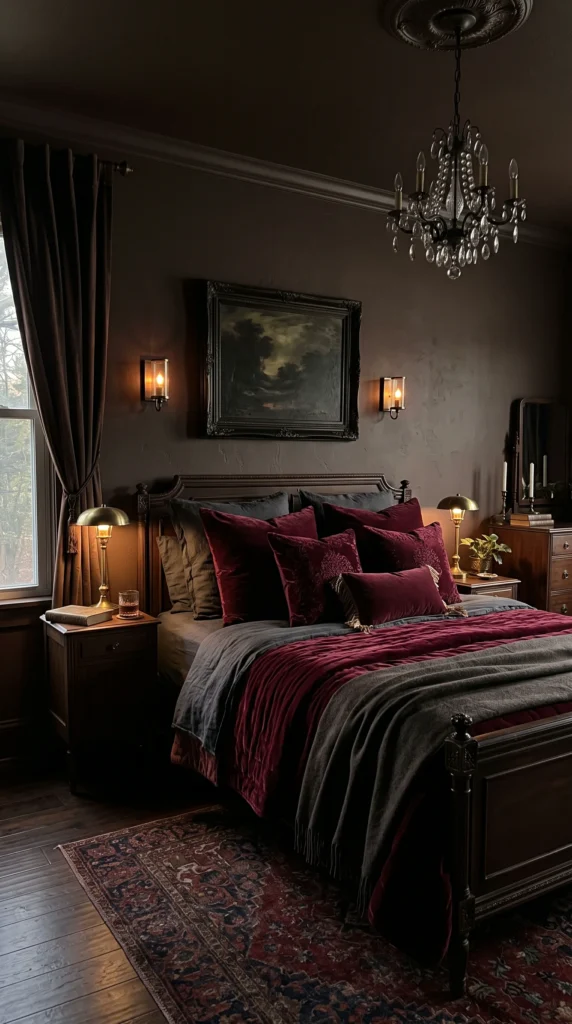
Fall Bedroom Color Ideas to Create a Warm Autumn Aesthetic

Transform your room with expert fall bedroom color ideas. Discover the best autumn bedroom colors,…
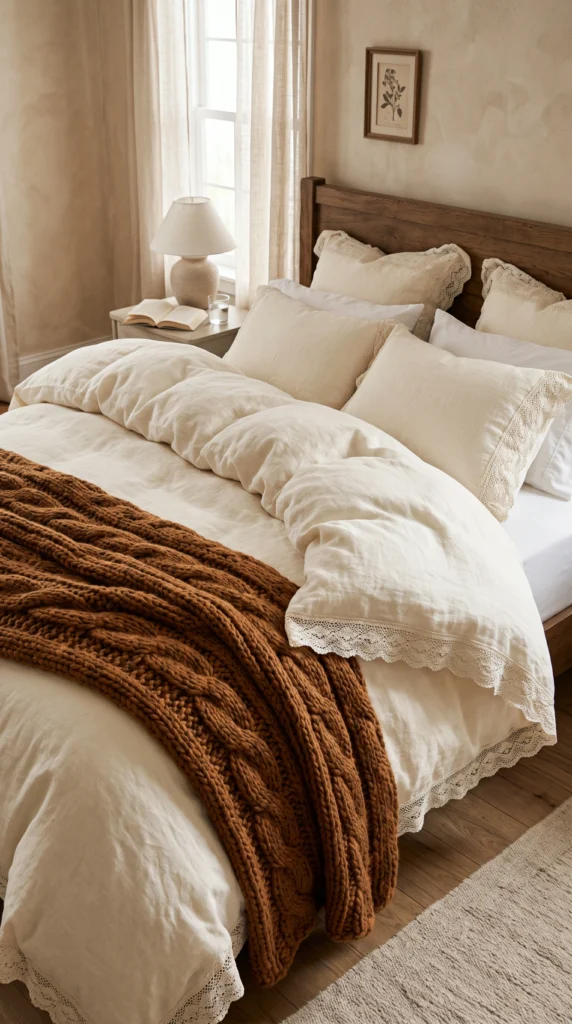
Fall Bedroom Bedding Ideas for the Coziest Autumn Look

Master the art of bed layering with the best fall bedroom bedding ideas. Discover cozy…

✦ Showome

Welcome! Please enter your details to chat with our interior designer.