White paint is never just white; it has microscopic drops of color. Determine if the white leans warm (yellow/red/pink) or cool (blue/green/gray). This is the most critical step in preventing a mismatched kitchen.
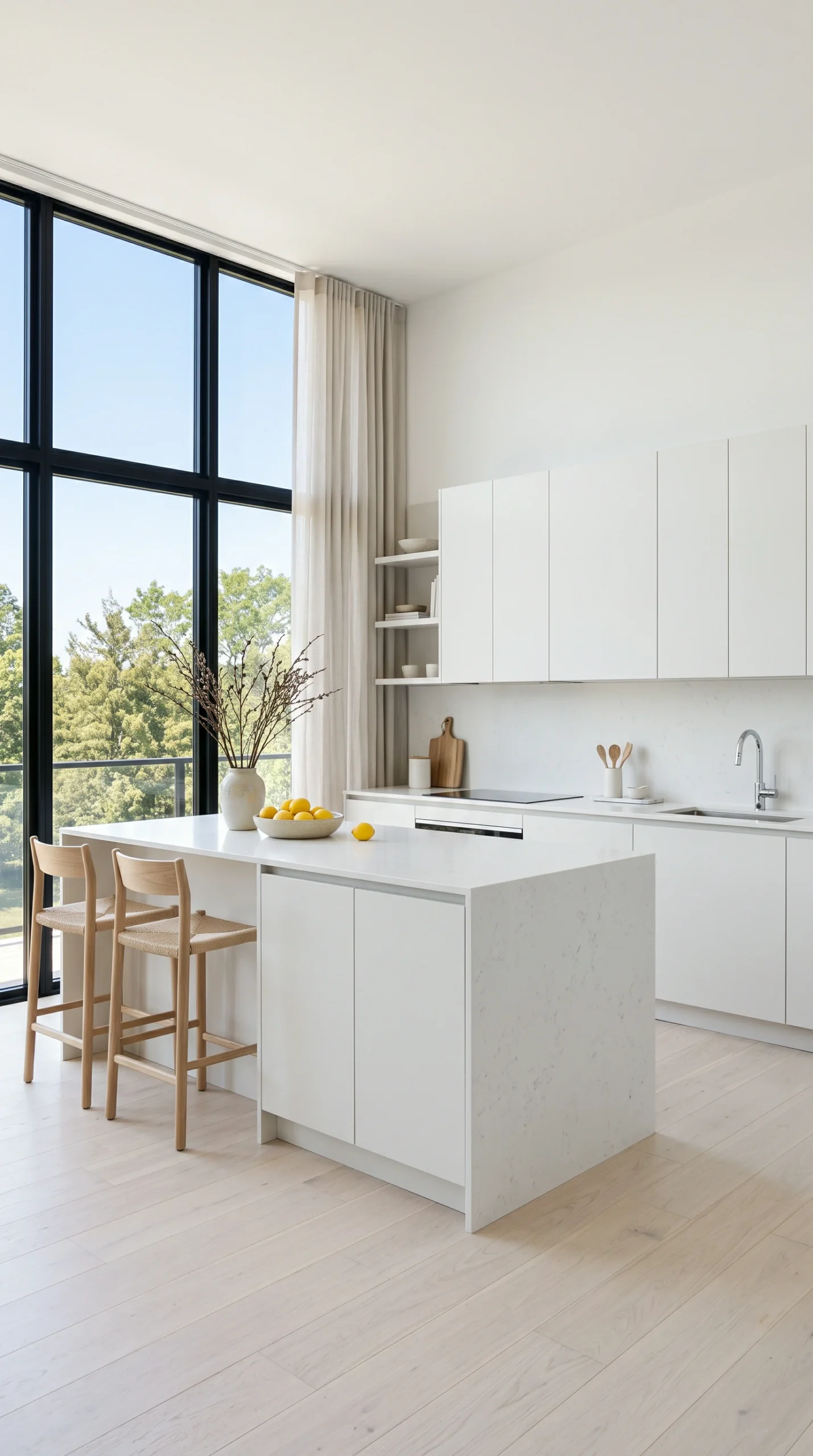
South-facing rooms receive warm, yellow light, which can make warm whites look too yellow; a cooler white might balance it. North-facing rooms receive cool, blue light, which can make cool whites look icy; a warmer white is often needed.
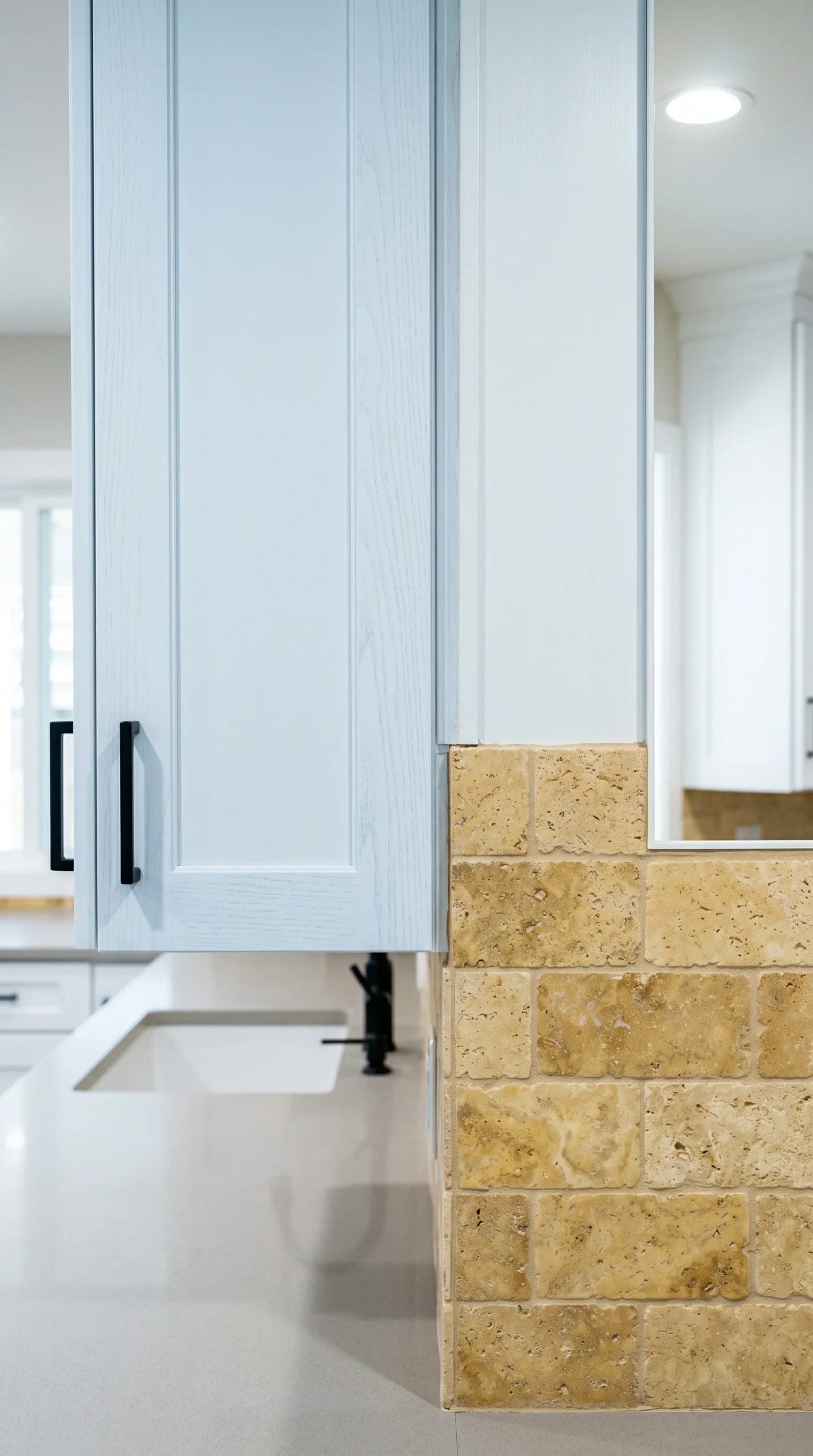
If you have warm, earthy granite, you must use a warm, creamy white. If you have cool, stark Carrara marble with gray veins, a crisp, cool white is usually the best pairing.
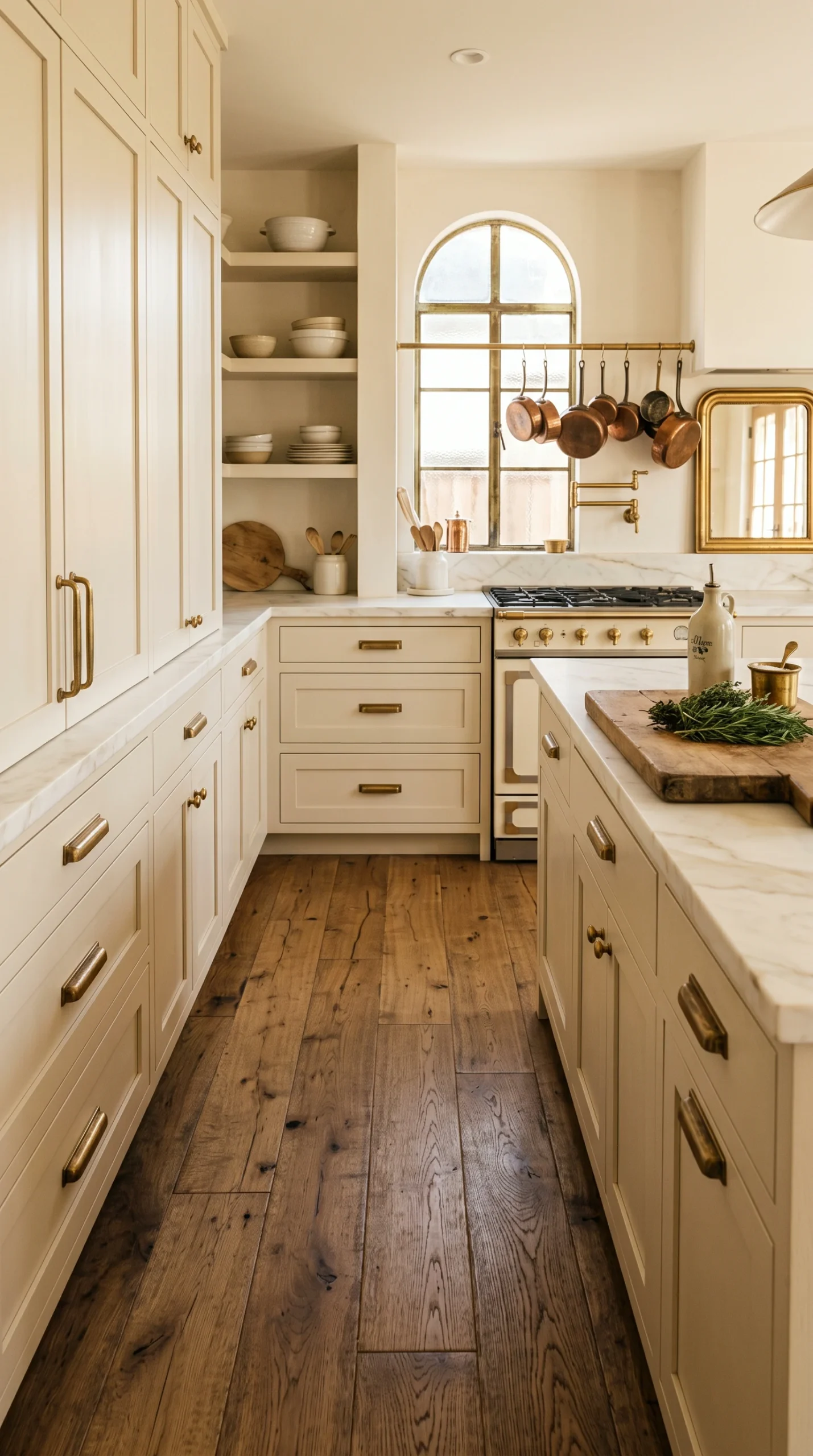
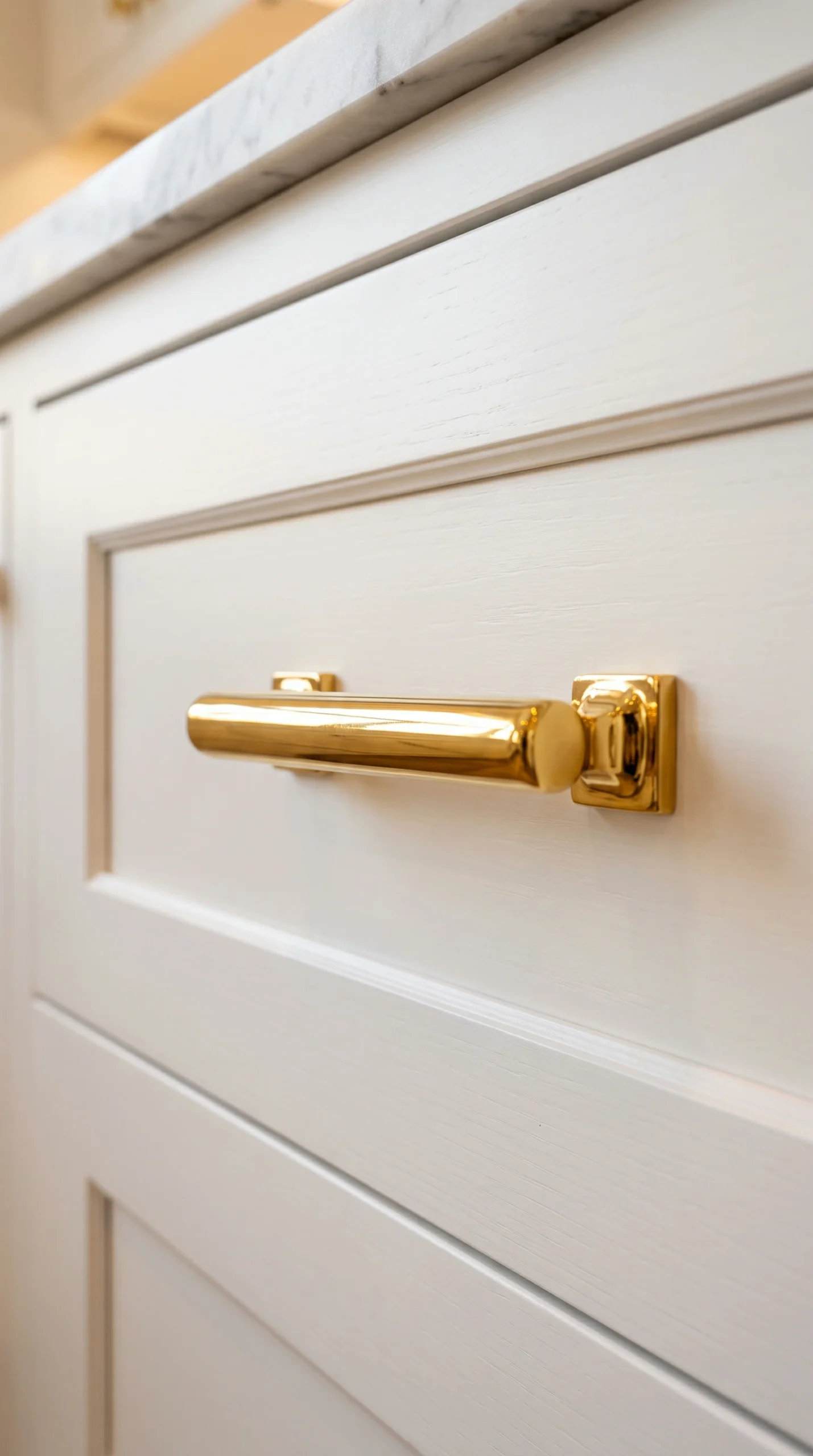
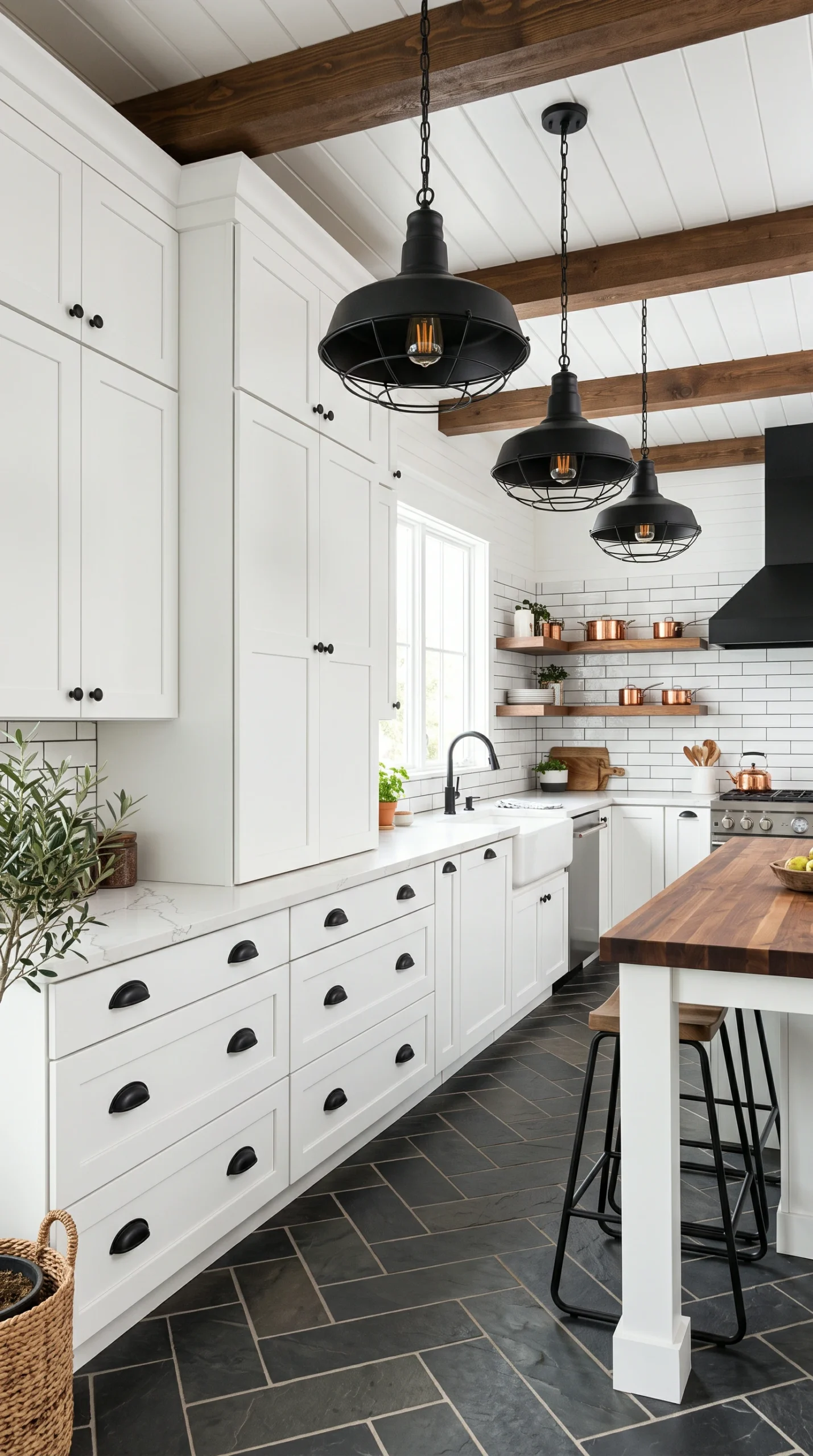
An all-white kitchen can feel like an operating room. Inject necessary warmth and personality by using unlacquered brass, polished gold, or warm bronze hardware.
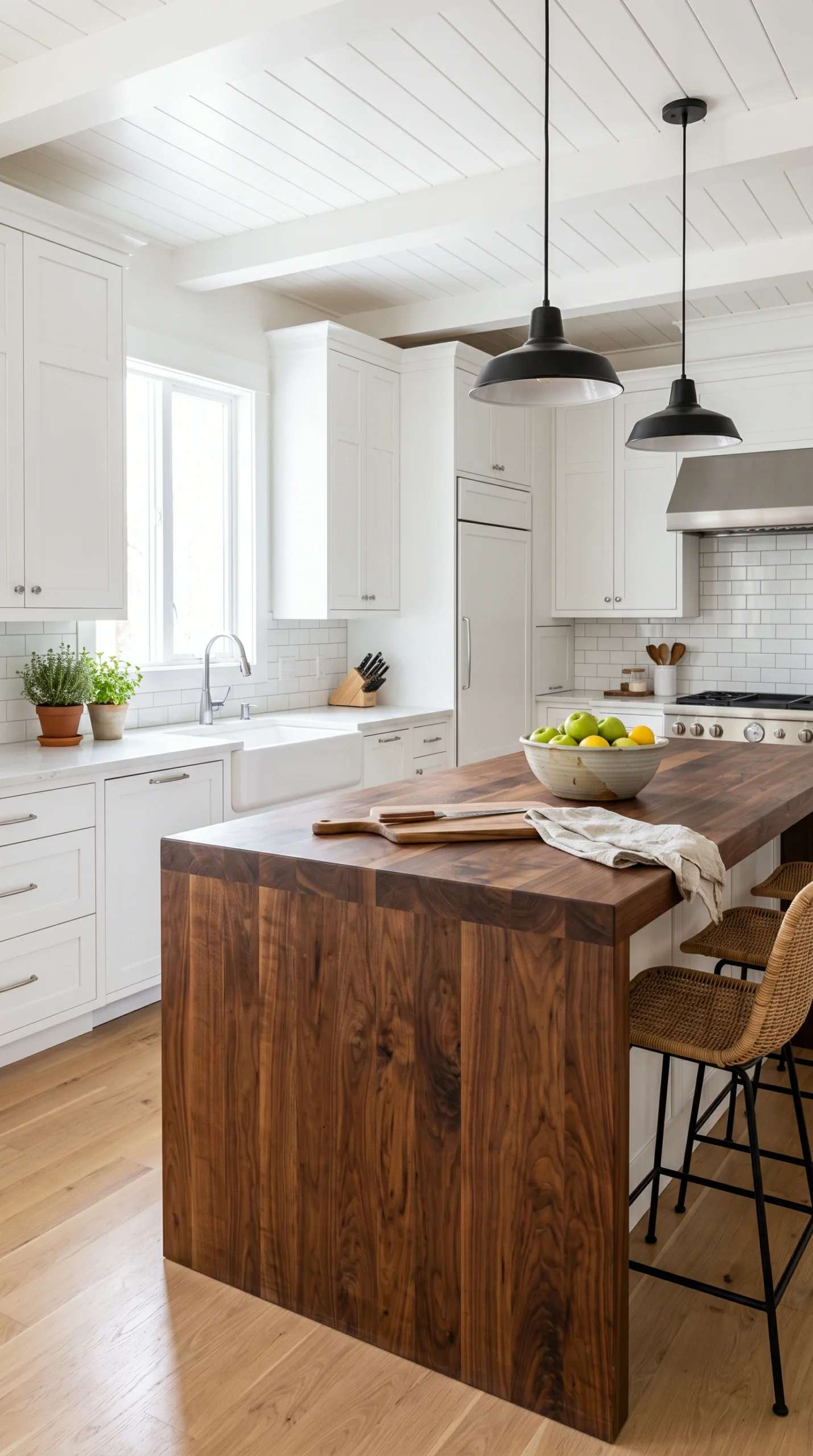
To prevent a white kitchen from feeling sterile, incorporate natural wood. White oak floors, floating wood shelves, or a butcher block island top provide essential organic texture and visual friction.
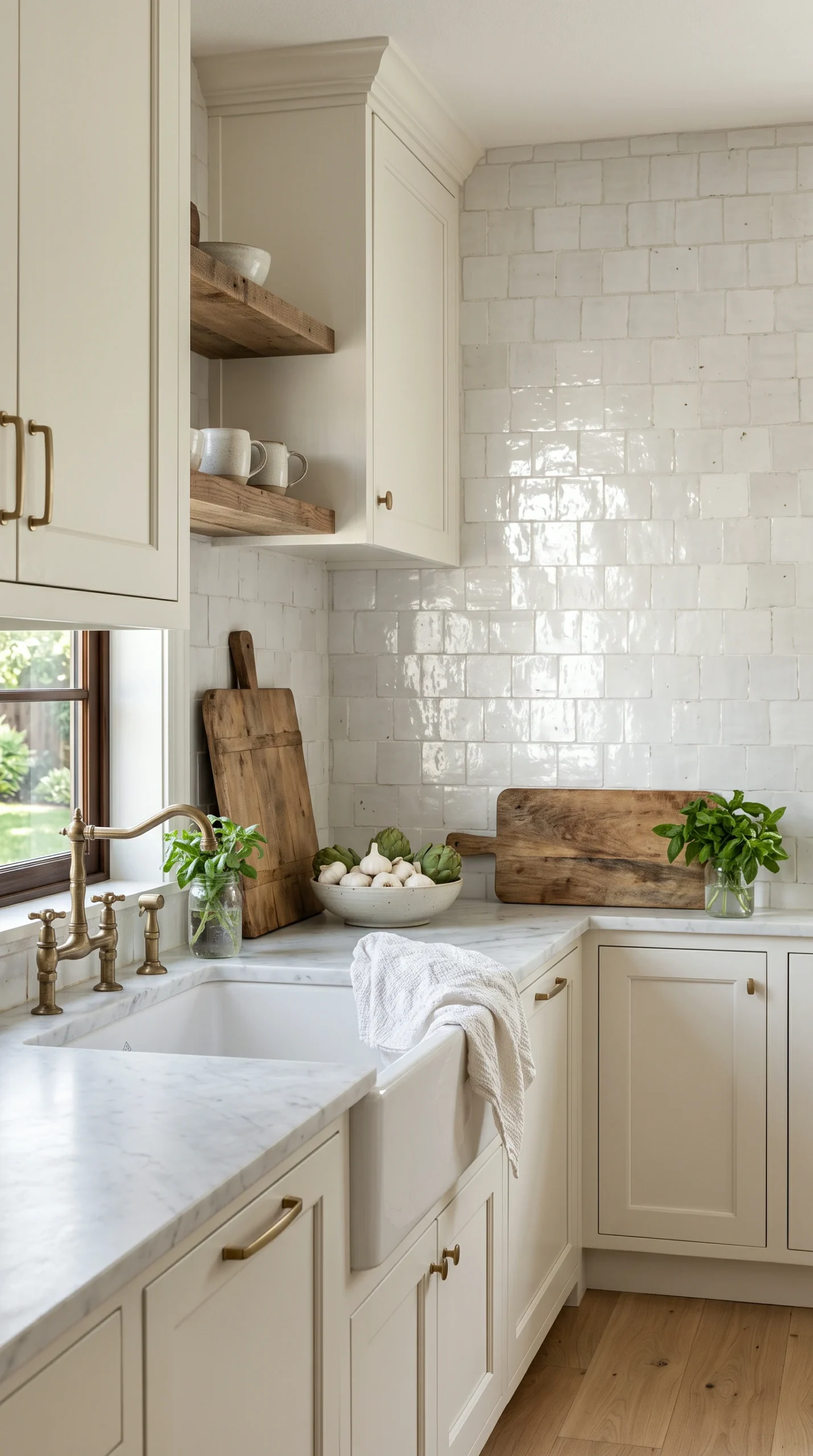
Since the color palette is monolithic, you must create interest through texture. Use a textured subway tile, a heavily veined marble, or paneled cabinet doors to ensure the white space doesn't look flat.
The reason white kitchen cabinet ideas have dominated interior design for over a century is straightforward: white reflects more light than any other color. In spaces that often lack massive windows or suffer from low ceilings, white cabinetry acts as a powerful optical illusion, physically pushing the walls back and making the room feel significantly more expansive, buoyant, and airy. Furthermore, white implies cleanliness, a psychological association highly desirable in a space dedicated to food preparation. Unlike trendy jewel tones or specific wood stains that timestamp a kitchen to a specific decade, a well-executed white kitchen provides a timeless, elegant, and neutral architectural foundation that easily adapts to evolving personal styles over time.
The most common mistake homeowners make when implementing white kitchen cabinet ideas is assuming all white paints are identical. In reality, a pure, untinted white is rarely used because it can feel blinding and harsh. Paint manufacturers add microscopic drops of pigment to create nuanced whites. A ‘warm white’ contains subtle hints of yellow, red, or umber, making it feel creamy, cozy, and slightly traditional. A ‘cool white’ contains hints of blue, green, or gray, rendering it crisp, sharp, and highly modern. If a cool, blue-leaning white is painted next to a warm, yellow-leaning beige backsplash, the clash of undertones is jarring, often making the cabinets look icy or the backsplash look dirty.
Because white is so reflective, it easily picks up and magnifies the colors surrounding it. Therefore, successful white kitchen cabinet ideas require strict harmony with the ‘fixed’ elementsthe countertops, backsplash, and flooring. For example, classic Carrara marble features cool, gray veining; pairing it with a warm, yellow-leaning cream cabinet will look discordant. Carrara requires a crisp, neutral, or slightly cool white. Conversely, if your kitchen features heavily patterned, warm-toned granite or a warm travertine floor, using a stark, cool white will look incredibly harsh and clinical. In this scenario, a soft, creamy ivory is absolutely essential to bridge the gap and create a cohesive design.
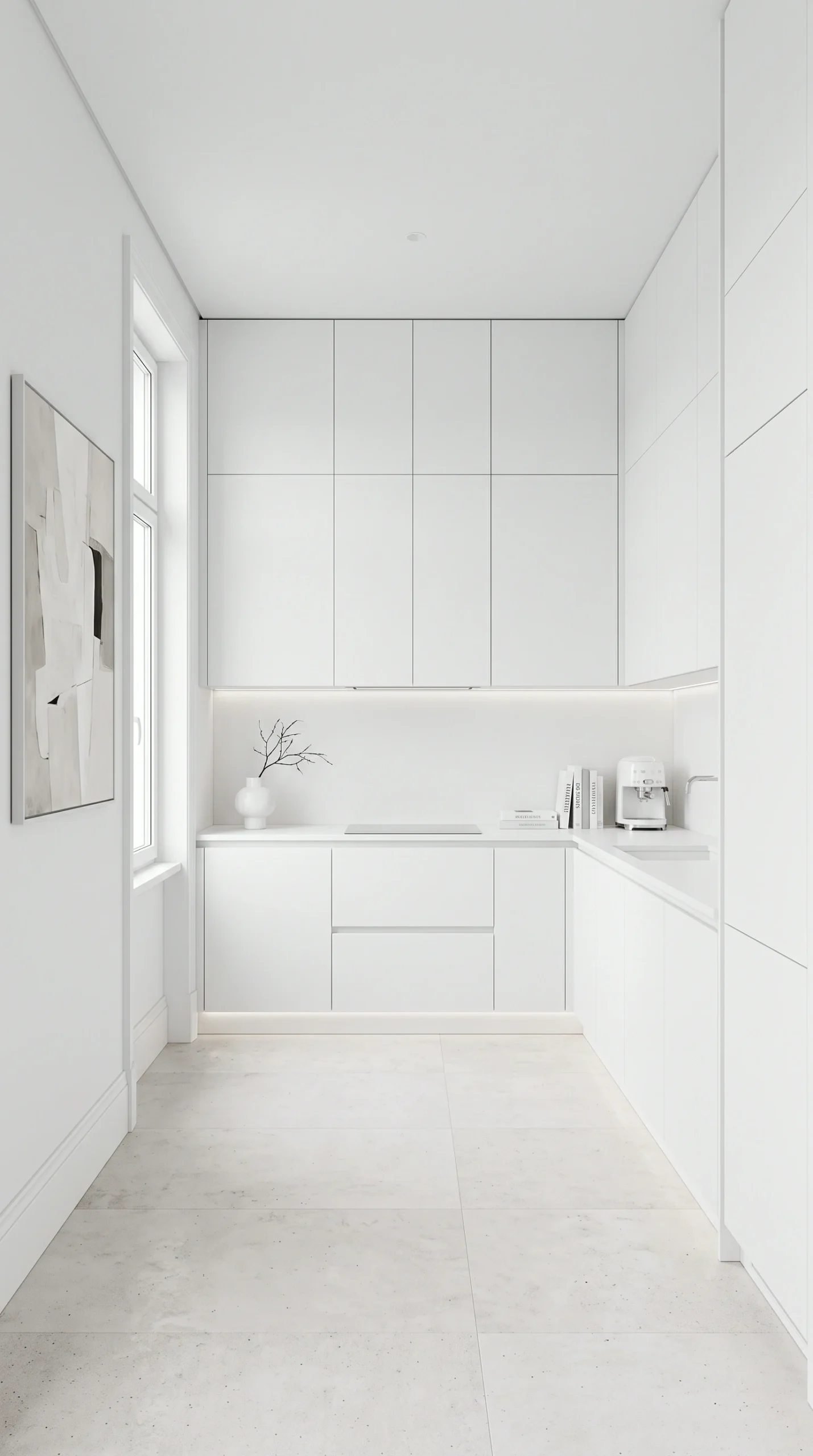
The greatest danger of an all-white kitchen is that it can quickly devolve into looking flat, sterile, and uninvitingakin to a hospital or a laboratory. Because you are omitting color, you must compensate aggressively by introducing texture. Elegant white kitchen cabinet ideas rely heavily on tactile elements. A classic shaker cabinet door provides subtle shadow lines that a flat slab door lacks. Utilizing a glossy, slightly uneven handmade Zellige tile for the backsplash, rather than a perfectly flat, matte ceramic tile, adds necessary visual friction. A heavily veined countertop provides graphic texture. These subtle, layered textures ensure the white kitchen feels rich, deep, and luxurious rather than cheap and monolithic.
To further combat the potential sterility of an all-white palette, interior designers consistently rely on two materials: warm metals and natural wood. White kitchen cabinet ideas serve as the ultimate, pristine backdrop for spectacular ‘jewelry.’ Replacing standard brushed nickel hardware with brilliant polished gold, warm antique brass, or even dark, grounded oil-rubbed bronze instantly adds warmth and sophisticated contrast to the white doors. Furthermore, incorporating organic wood toneswhether through wide-plank hardwood flooring, thick floating white oak shelves, or woven rattan bar stoolsprovides an essential, earthy counterbalance that makes the crisp white kitchen feel grounded, comfortable, and inviting.
Even if you select the perfect white paint, incorrect lighting can ruin the effect. White paint is highly susceptible to the temperature of light bulbs. If you install ‘cool white’ or ‘daylight’ LED bulbs (4000K or higher), the kitchen will take on a blue, icy, and clinical cast, regardless of the paint’s undertone. Conversely, very warm, yellow bulbs (2700K) can make crisp white cabinets look dingy or aged. To achieve the most accurate, beautiful representation of white kitchen cabinet ideas, designers recommend using ‘warm white’ LEDs, typically around 3000K. This temperature provides bright, clear illumination that feels welcoming and accurately renders the subtle nuances of the selected white paint.