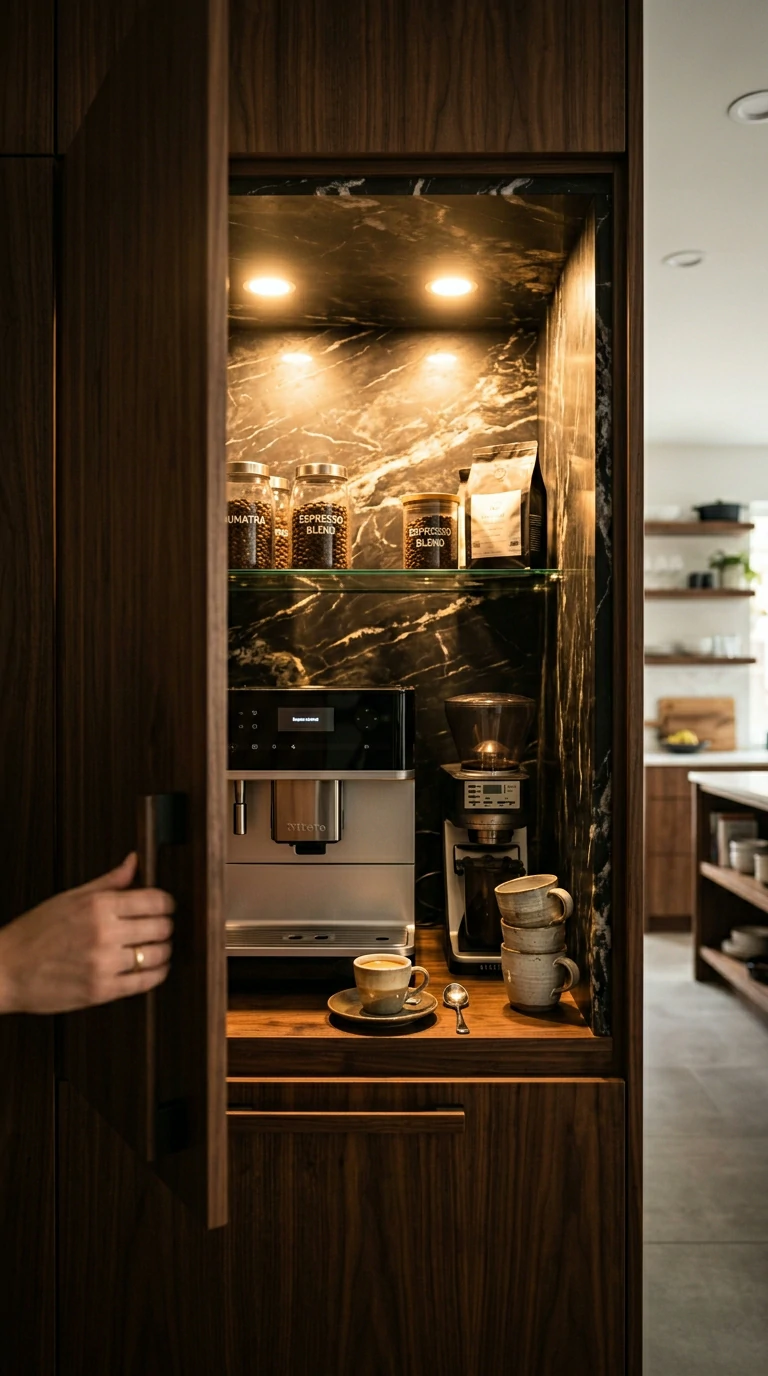
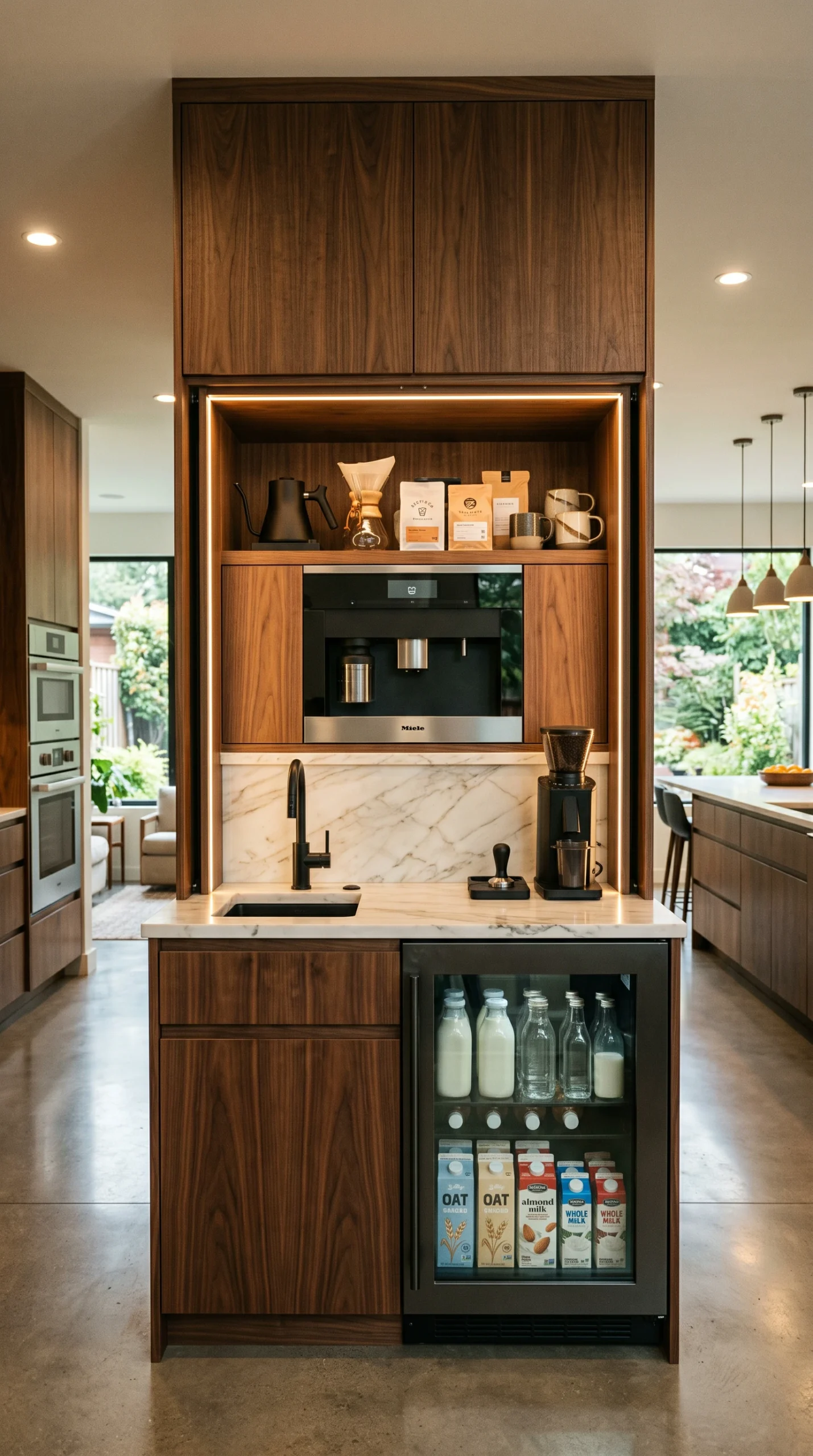
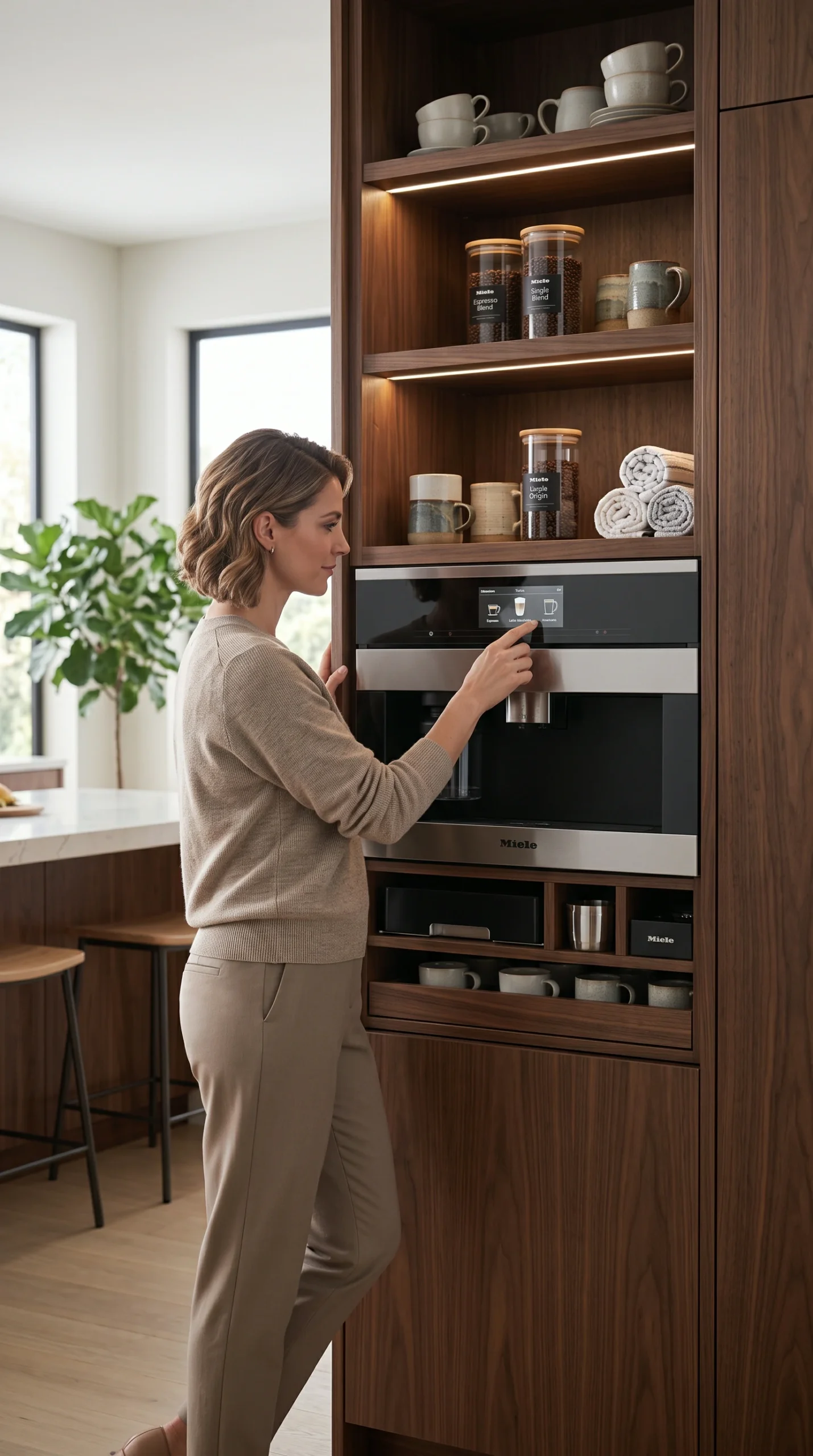
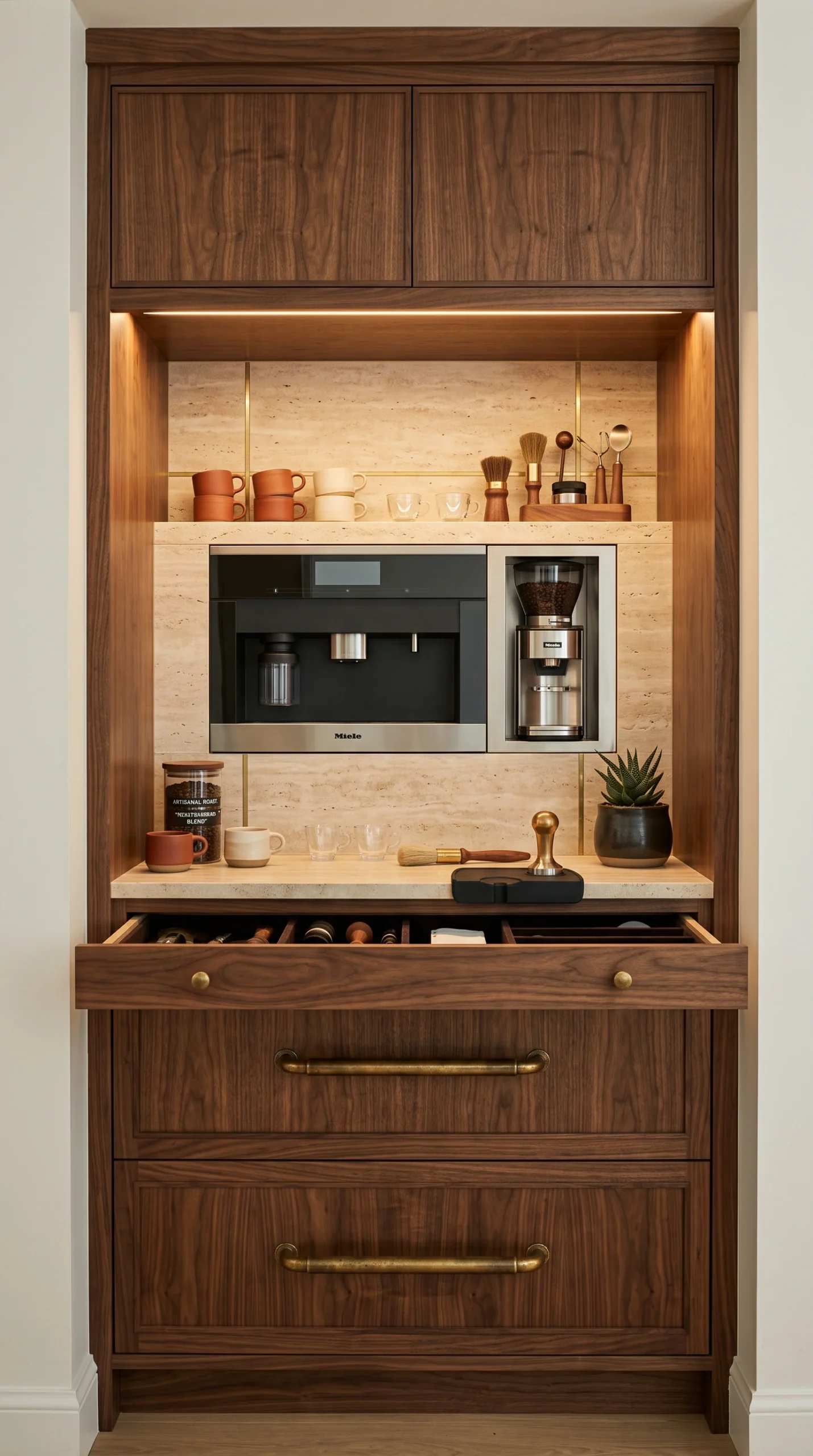
For ultimate luxury, install a built-in espresso machine that is plumbed directly into the home's water line. This completely eliminates the daily chore of refilling a water reservoir.
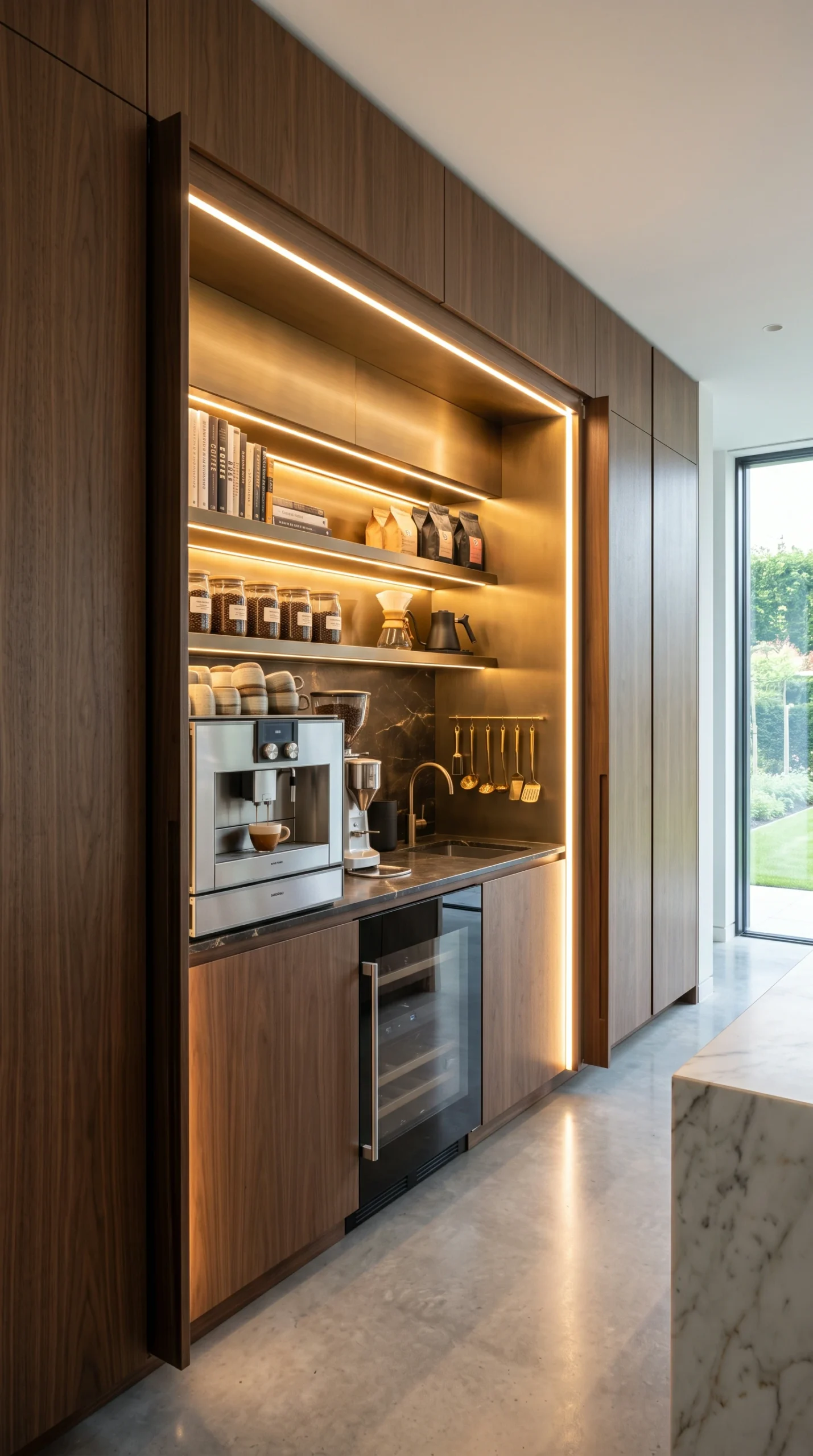
If you prefer countertop appliances but want them hidden, design a cabinet with pocket doors (doors that slide back into the cabinet walls). This allows the station to be left open during use without doors blocking the walkway.
Adding a small bar sink or prep sink directly within the built-in station is highly practical for quick rinses, filling kettles, and maintaining a clean area without crossing the kitchen.
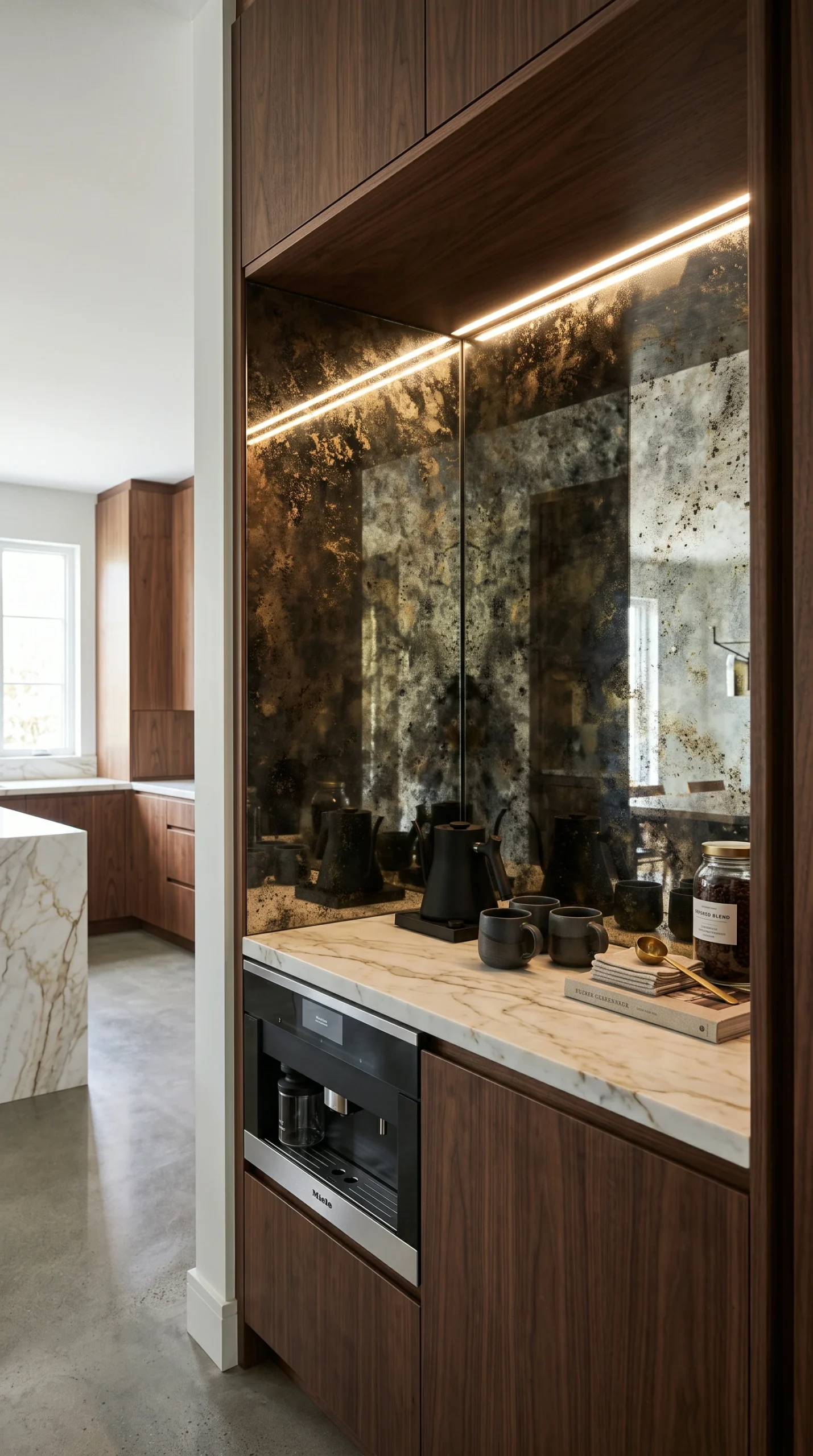
A built-in station is often recessed, making it dark. Hardwiring LED strip lighting or small puck lights inside the cabinet ensures the prep area is bright and beautifully illuminated.
Coffee grinders, milk frothers, and kettles require power. Ensure your electrician installs multiple, strategically placed outlets inside the built-in cabinet to avoid messy extension cords.
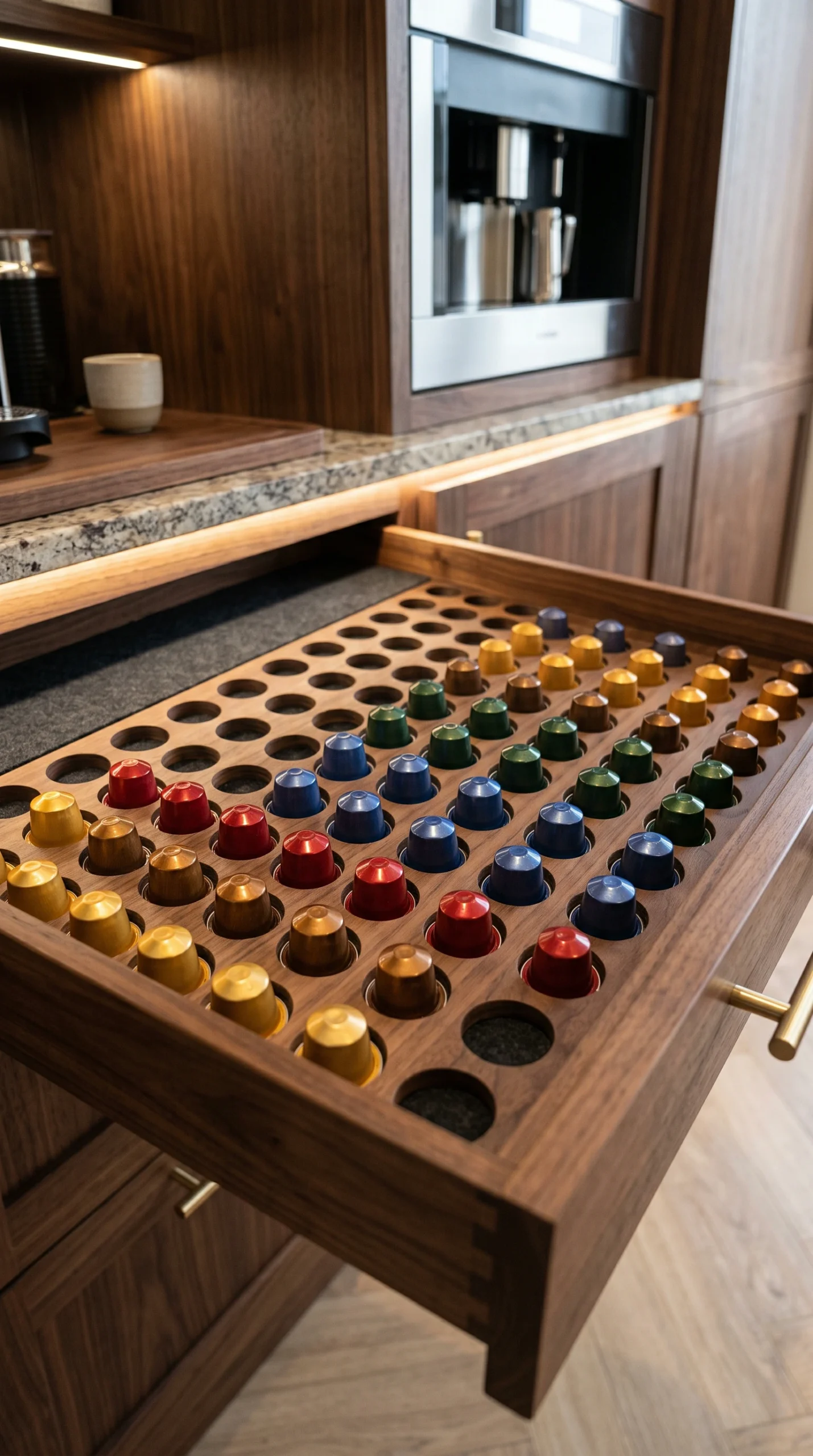
Custom cabinetry allows for tailored storage. Include shallow, velvet-lined drawers for specialized coffee spoons or filters, and vertical dividers for storing serving trays.
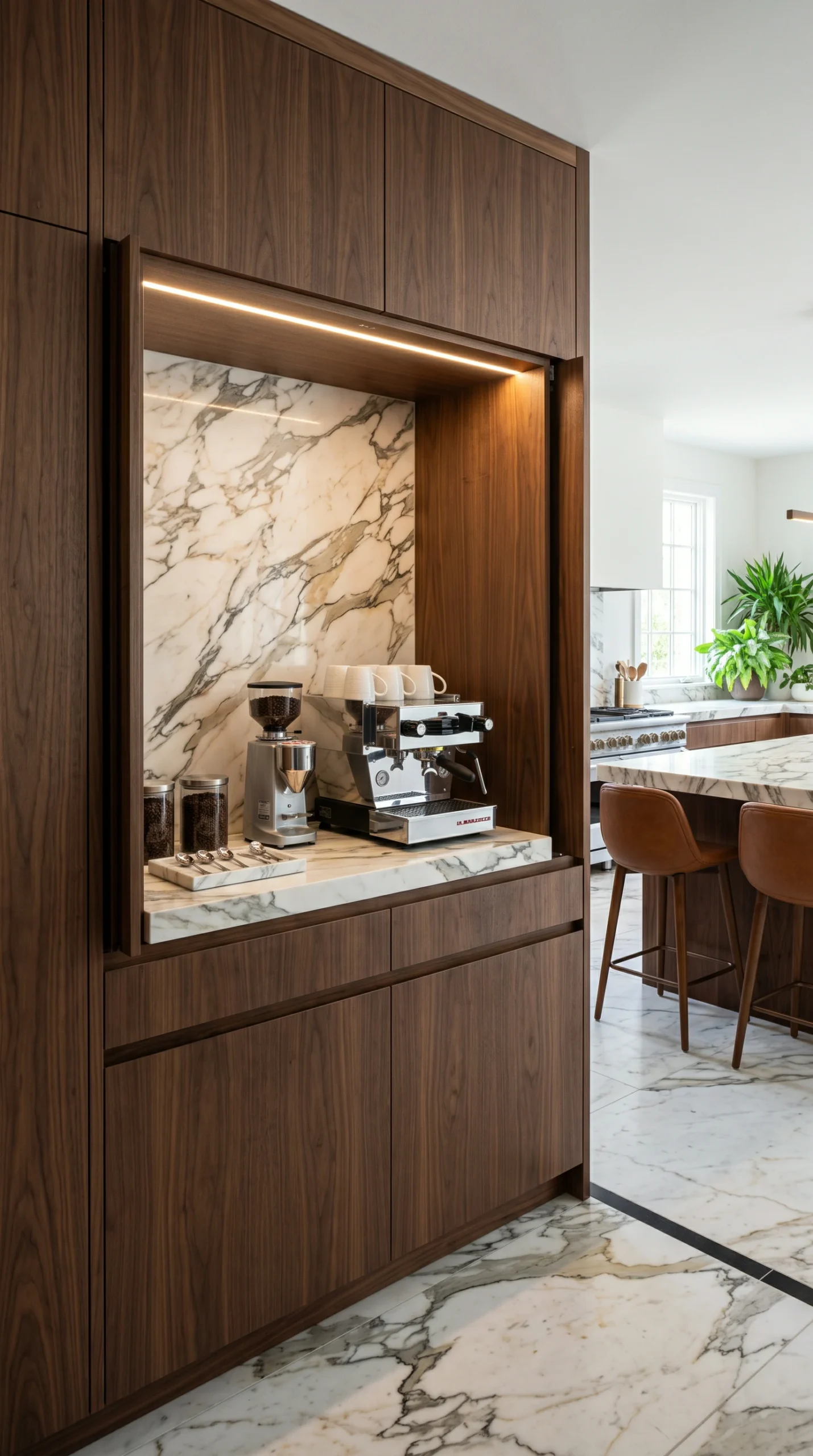
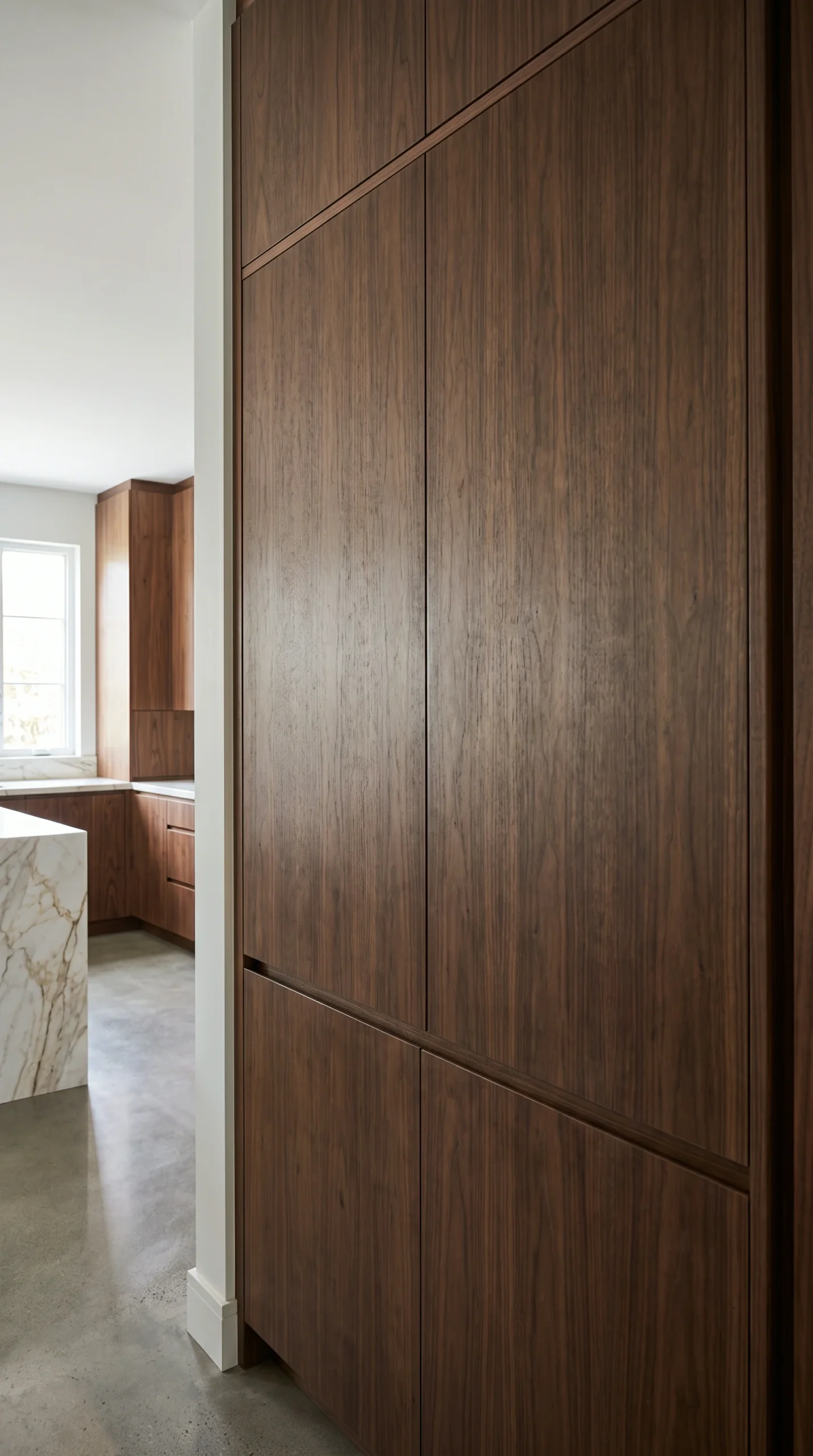
A highly popular approach to built-in coffee station ideas is the implementation of an ‘appliance garage.’ This involves designing a cabinet that sits flush on the countertop, equipped with a door that either rolls up (tambour door), lifts horizontally, or slides back into the cabinet walls (pocket doors). This design allows the homeowner to keep their preferred countertop espresso machine, grinder, and accessories plugged in and ready to use. When the morning routine is finished, simply closing the cabinet doors instantly conceals the equipment, returning the kitchen to a pristine, uncluttered state. This is an excellent solution for those who want the convenience of a dedicated station without the visual weight of appliances constantly on display.
For the ultimate luxury experience, built-in coffee station ideas often center around a fully integrated, plumbed espresso machine. These high-end appliances are installed directly into the wall cabinetry, sitting flush with the doors, much like a built-in microwave or double oven. Because they are connected directly to the home’s water supply, the tedious task of manually refilling a water tank is eliminated. These machines often feature internal grinders and sophisticated automated cleaning cycles. Designing the cabinetry to surround the machine with warming drawers for mugs and specialized pull-out shelves for beans creates a highly cohesive, barista-level experience that significantly elevates the kitchen’s perceived value.
If the kitchen footprint allows, expanding the built-in concept into a dedicated ‘breakfast pantry’ is a remarkable luxury. This involves utilizing a walk-in pantry or a large, double-door cabinet solely for morning routines. Effective built-in coffee station ideas for pantries include installing a robust countertop (like quartz or granite) inside the closet, complete with multiple electrical outlets and task lighting. This creates a fully functional, hidden prep zone where the toaster, blender, and coffee machine can operate simultaneously. The massive benefit of this approach is that the inevitable crumbs, coffee spills, and general morning mess are entirely contained behind closed doors, keeping the primary kitchen flawless for entertaining.
The true value of custom cabinetry lies in tailored storage solutions. Built-in coffee station ideas should prioritize specific organization. Rather than throwing accessories into a deep, dark drawer, work with a cabinet maker to design shallow, compartmentalized drawers specifically sized for espresso pods, stirring spoons, and cleaning brushes. Incorporate adjustable, sturdy shelving designed specifically to accommodate the height of your preferred coffee mugs and tall travel thermoses. Adding a small, pull-out cutting board integrated into the station can also be highly useful for slicing lemons for tea or preparing a quick morning pastry, keeping all tasks localized in one zone.
A frequent oversight in designing a coffee station is neglecting the cleanup process. A high-end built-in station should ideally function independently from the main kitchen sink. If plumbing allows, integrating a small, stylish bar sink (perhaps in hammered brass or dark composite) directly next to the coffee equipment is highly recommended. This allows for immediate rinsing of frothing pitchers and easy access to fresh water. If a sink is impossible, utilizing easy-to-clean materials is vital. Ensure the countertop within the built-in station is a durable, non-porous material like quartz, which resists coffee stains much better than porous natural marble or untreated wood.
Because built-in stations are often recessed into cabinetry or enclosed behind doors, they can suffer from poor lighting, making early morning coffee preparation difficult. Proper illumination is a critical detail in built-in coffee station ideas. Relying on the kitchen’s general ceiling lights is usually insufficient, as the cabinetry will cast shadows. It is essential to hardwire dedicated lighting inside the station. Installing slim LED strip lights under the shelves or recessed puck lights in the top of the cabinet provides bright, even task lighting. Connecting these lights to a sensor so they automatically illuminate when the cabinet doors are opened adds a final touch of thoughtful, modern luxury.