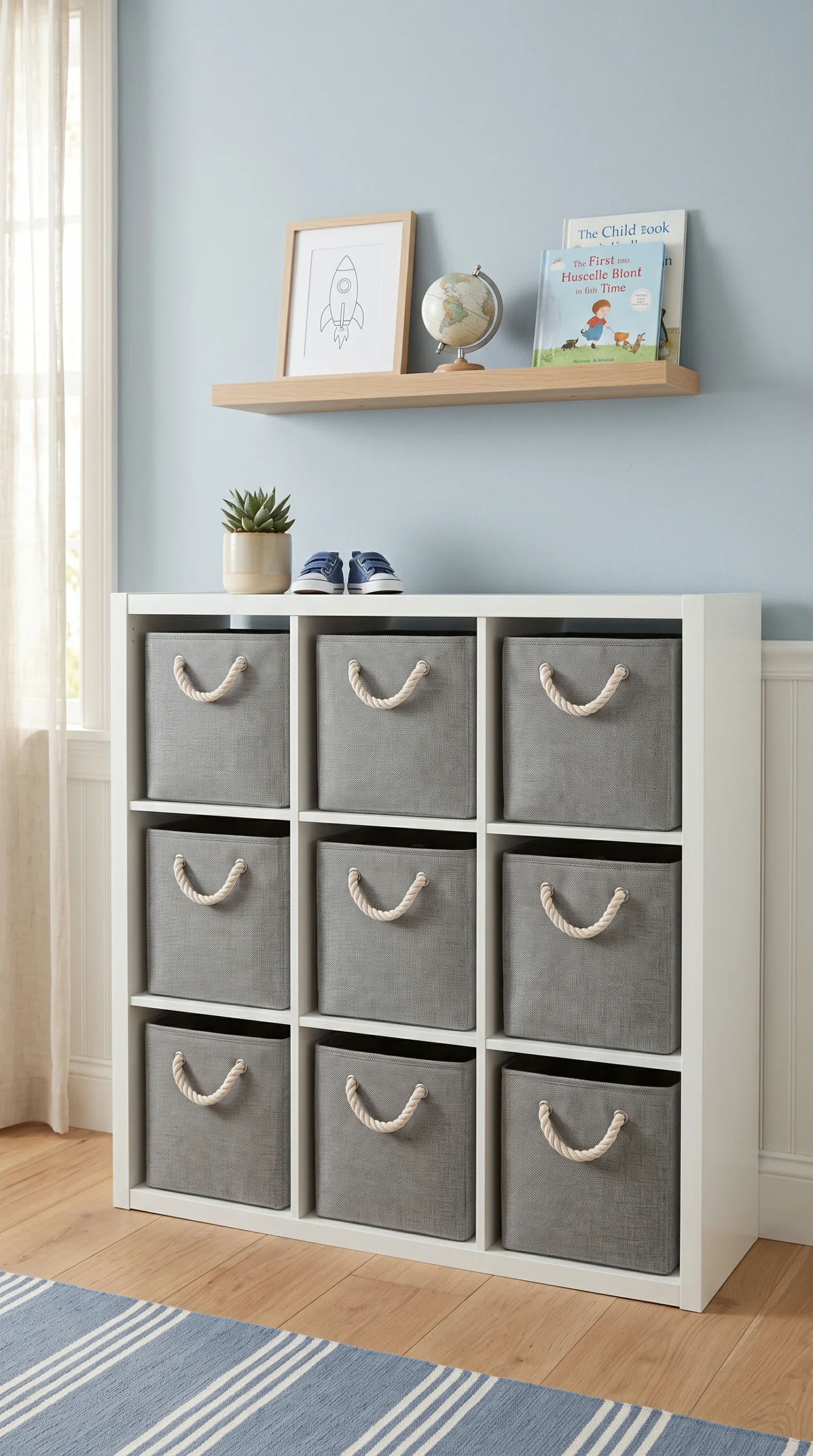
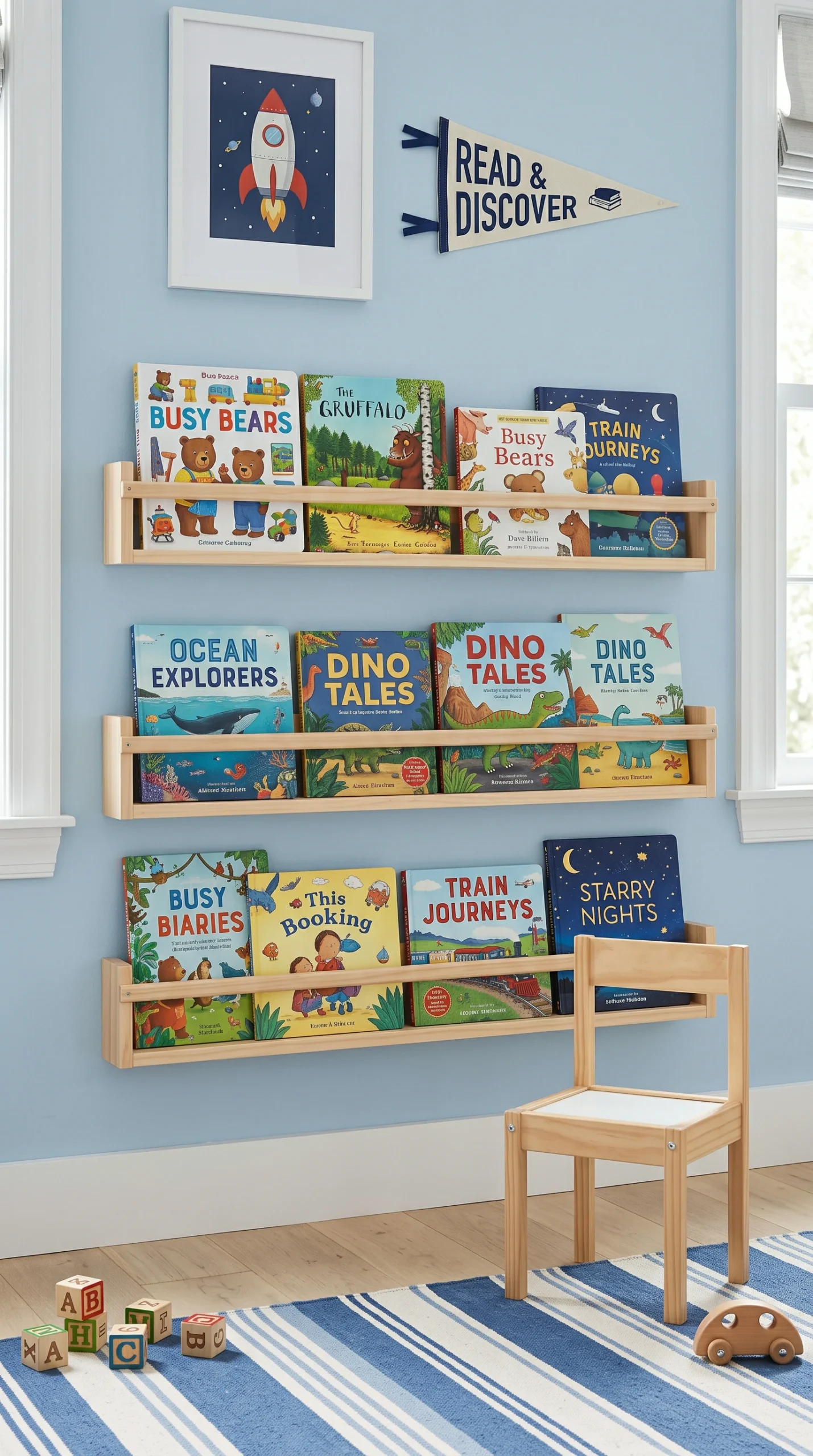
Open shelves are great for displaying favorite books and Lego models, but you need closed storage (drawers or solid bins) to hide the visual chaos of miscellaneous toys and electronics.
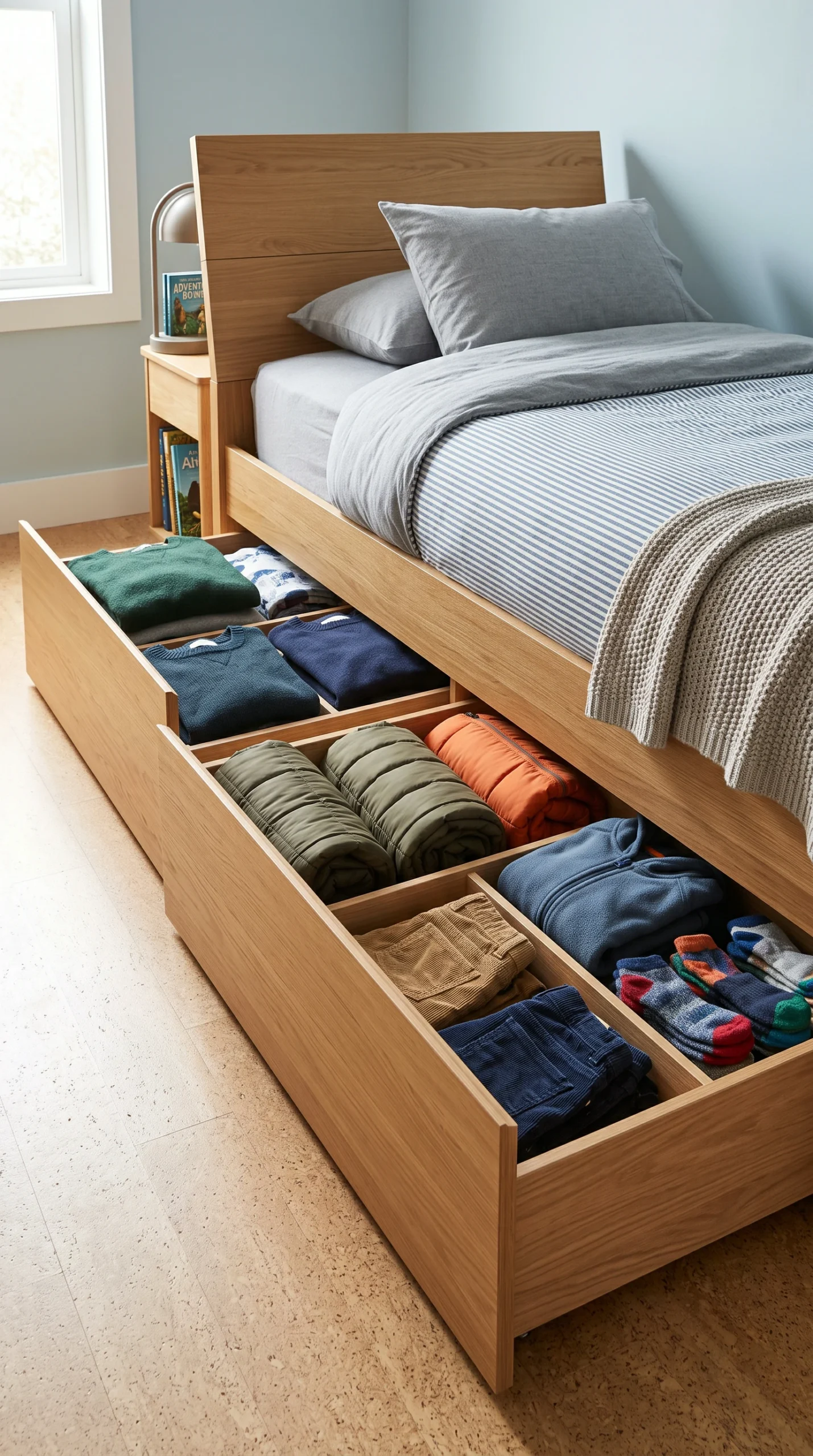
The area beneath the bed is prime real estate. If you don't have a platform bed with built-in drawers, invest in high-quality, rolling storage bins designed specifically for this space.
For younger boys, labeling bins with words or simple pictures takes the guesswork out of cleanup. This small step significantly increases the likelihood that toys will return to their proper place.
Store everyday toys and books at the child's eye level or lower. If they cannot reach the storage bin easily, they will not be able to clean up independently.
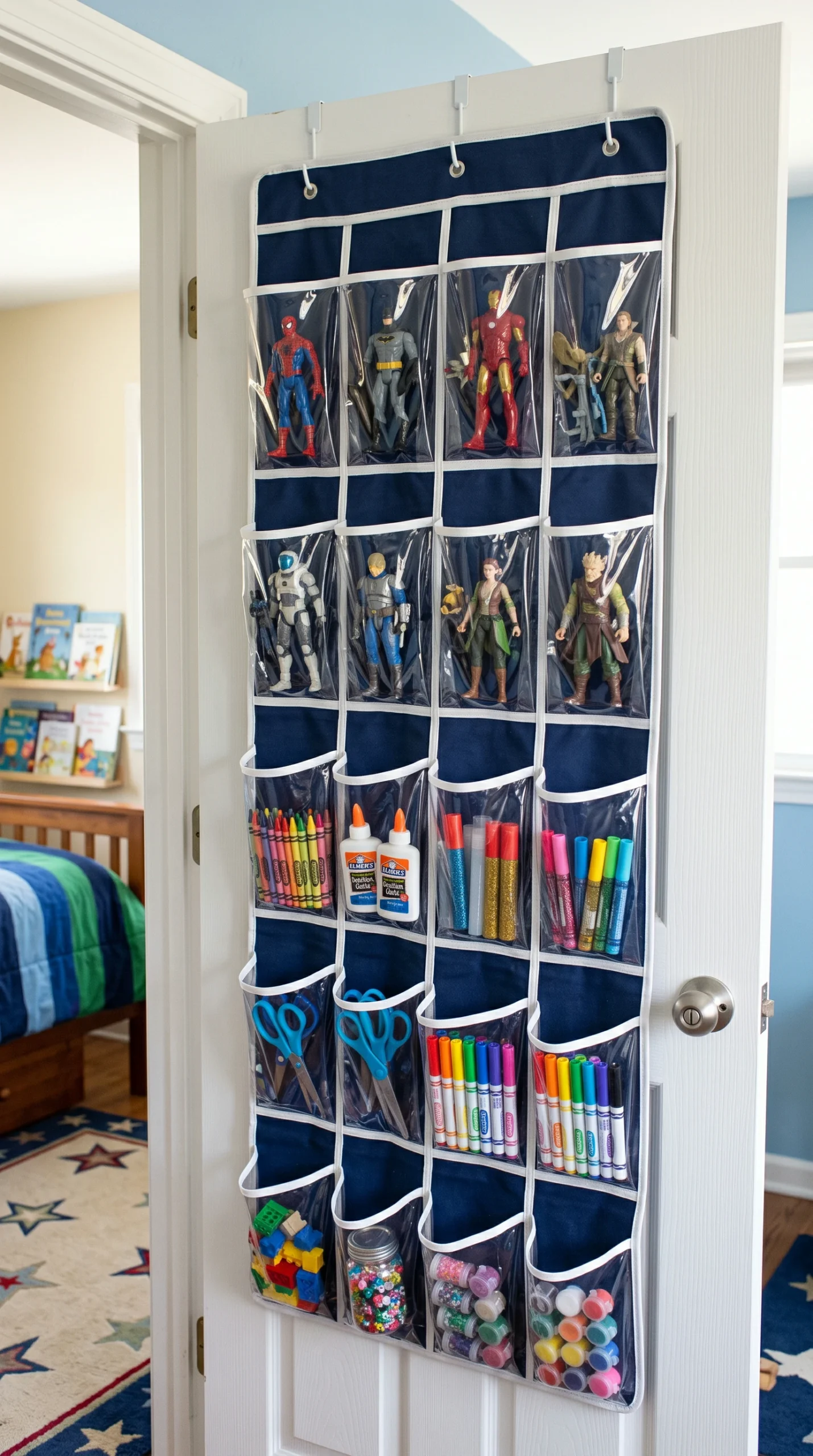
A standard single-rod closet is highly inefficient. Installing double rods, open shelving, and shoe cubbies can double the usable storage space and keep the main floor clear.
If the room is overflowing, store half the toys in a different room or high in the closet, and rotate them every few weeks. This keeps the toys feeling new and prevents the room from becoming overwhelming.
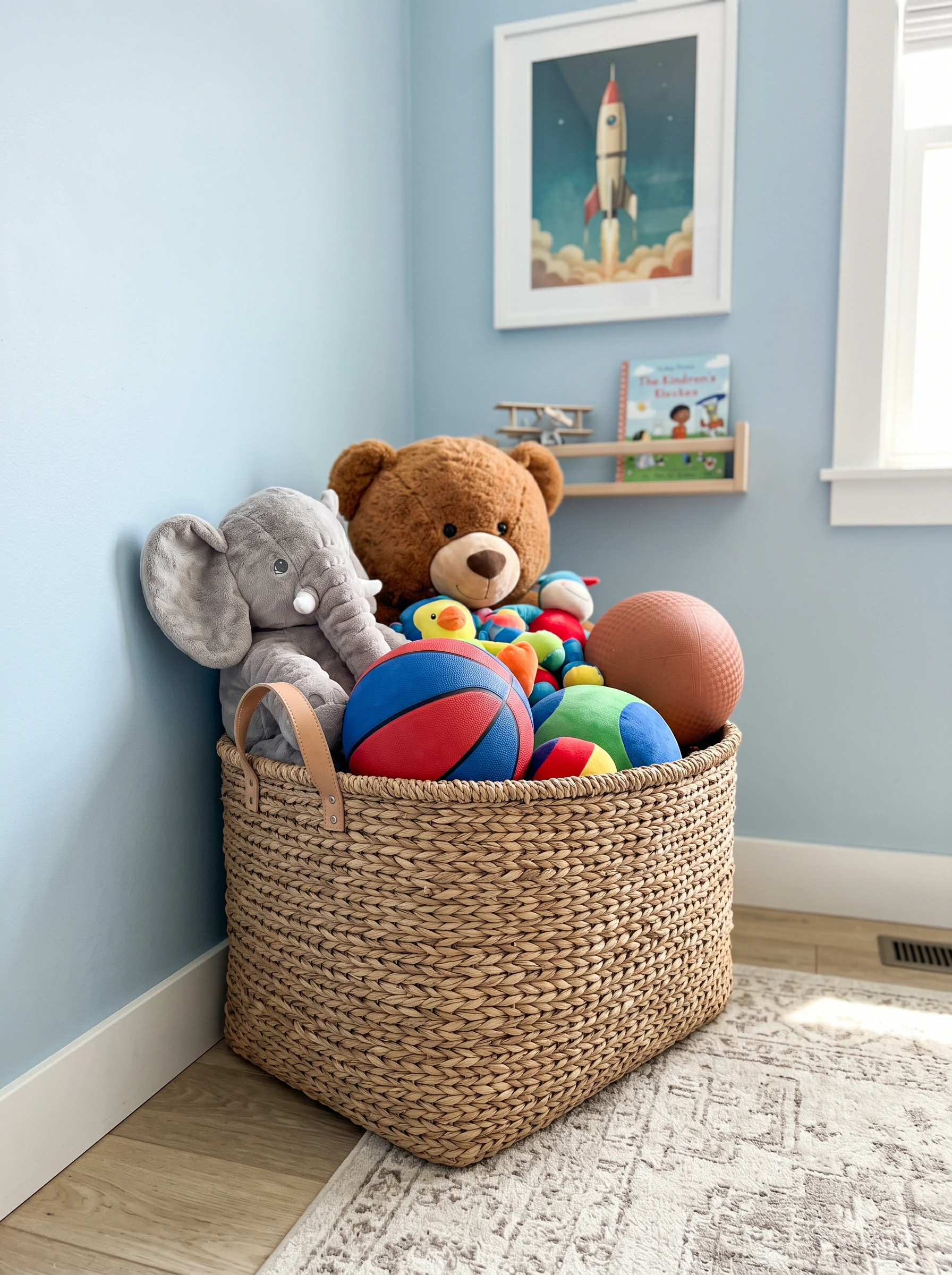
When evaluating boy room storage ideas, finding the right balance between open and closed systems is crucial. Relying entirely on open shelving often results in a room that looks visually noisy and cluttered, as every single toy and book is on constant display. Conversely, a room with only solid, closed cabinets can feel uninviting and make it difficult for a child to find what they need. Interior designers typically recommend a hybrid approach. Use open floating shelves to display a curated selection of favorite items, such as completed Lego sets, trophies, or a neat row of books. For the majority of toys, utilizing low bookcases fitted with opaque canvas bins, woven baskets, or solid wooden boxes effectively hides the visual clutter while keeping the items easily accessible for play.
The square footage beneath the bed is frequently underutilized, yet it is one of the most effective areas for implementing boy room storage ideas. For a clean, integrated look, a platform bed with deep, built-in storage drawers is an excellent investment. These drawers can function as a secondary dresser for out-of-season clothing or as a massive toy chest for bulky items. If the current bed frame sits on legs, purchasing sturdy, low-profile rolling bins is a highly practical alternative. It is important to ensure these bins have lids to prevent dust accumulation. By moving seasonal items, extra blankets, or large board games under the bed, you free up significant space in the main closet and the dresser.
A standard bedroom closet, typically equipped with a single high hanging rod and one top shelf, is poorly designed for a child’s needs. Because their clothing is much shorter, a single rod leaves a large amount of vertical space completely wasted. Effective boy room storage ideas often begin with a complete closet overhaul. Installing a customized system with double hanging rods instantly doubles the hanging capacity. Furthermore, incorporating a vertical column of built-in shelves or installing a hanging canvas organizer provides dedicated spaces for folded jeans, sweaters, and shoes. By maximizing the closet’s efficiency, it is often possible to eliminate the need for a large, freestanding dresser in the bedroom entirely, opening up valuable floor space for play or a study desk.
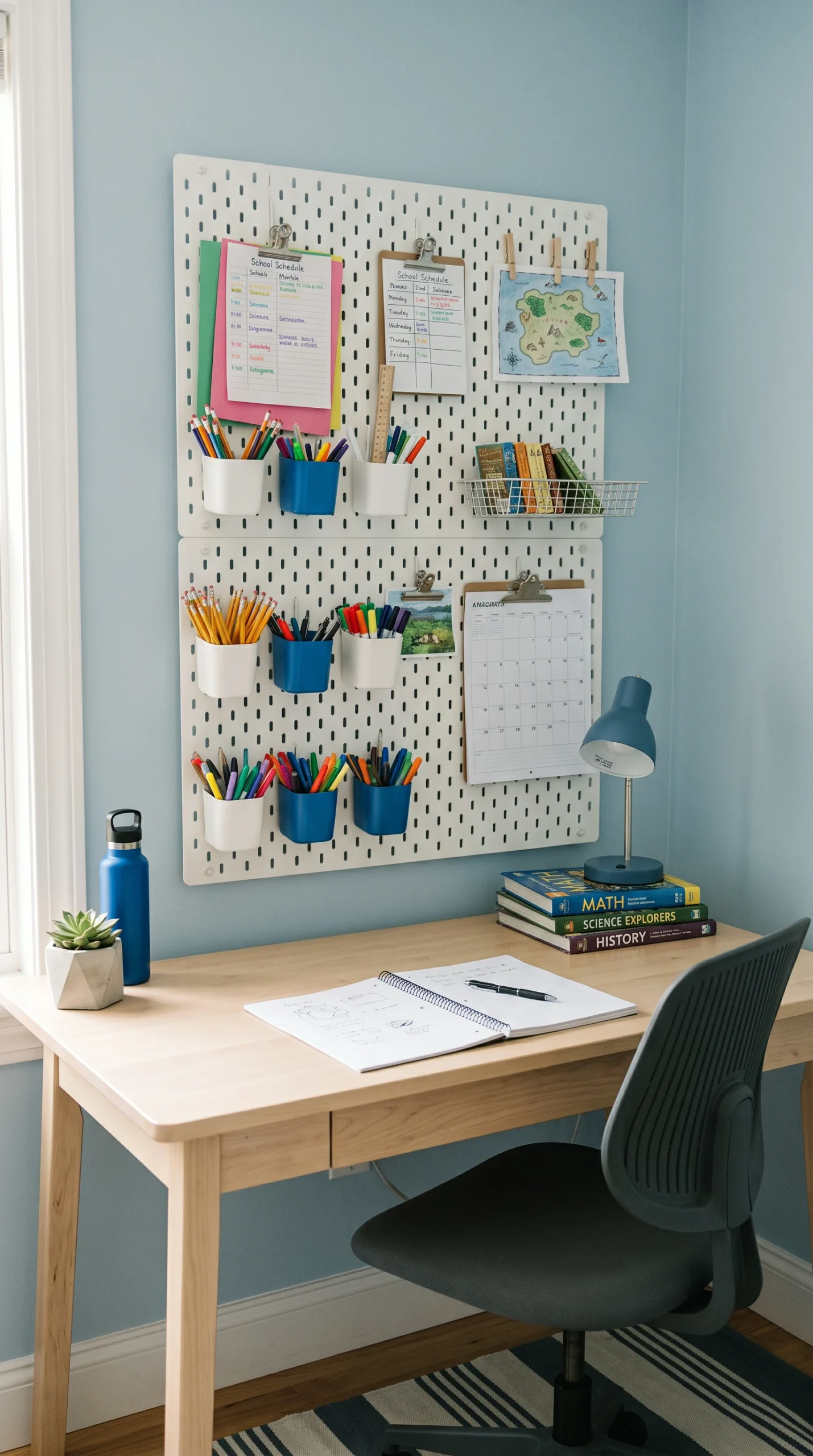
As boys transition into school age, organizing their study materials becomes a priority. A cluttered desk is a major distraction. Successful boy room storage ideas address this by moving supplies off the primary work surface. Wall-mounted organization is highly effective here. Installing a pegboard above the desk provides a customizable space to hang cups for pens, clips for important papers, and small shelves for frequently used items. If a pegboard isn’t preferred, simple acrylic wall caddies or a small desktop drawer unit can keep pencils, rulers, and calculators neatly contained. Ensuring the desk surface remains clean and clear is essential for fostering focus and good study habits.
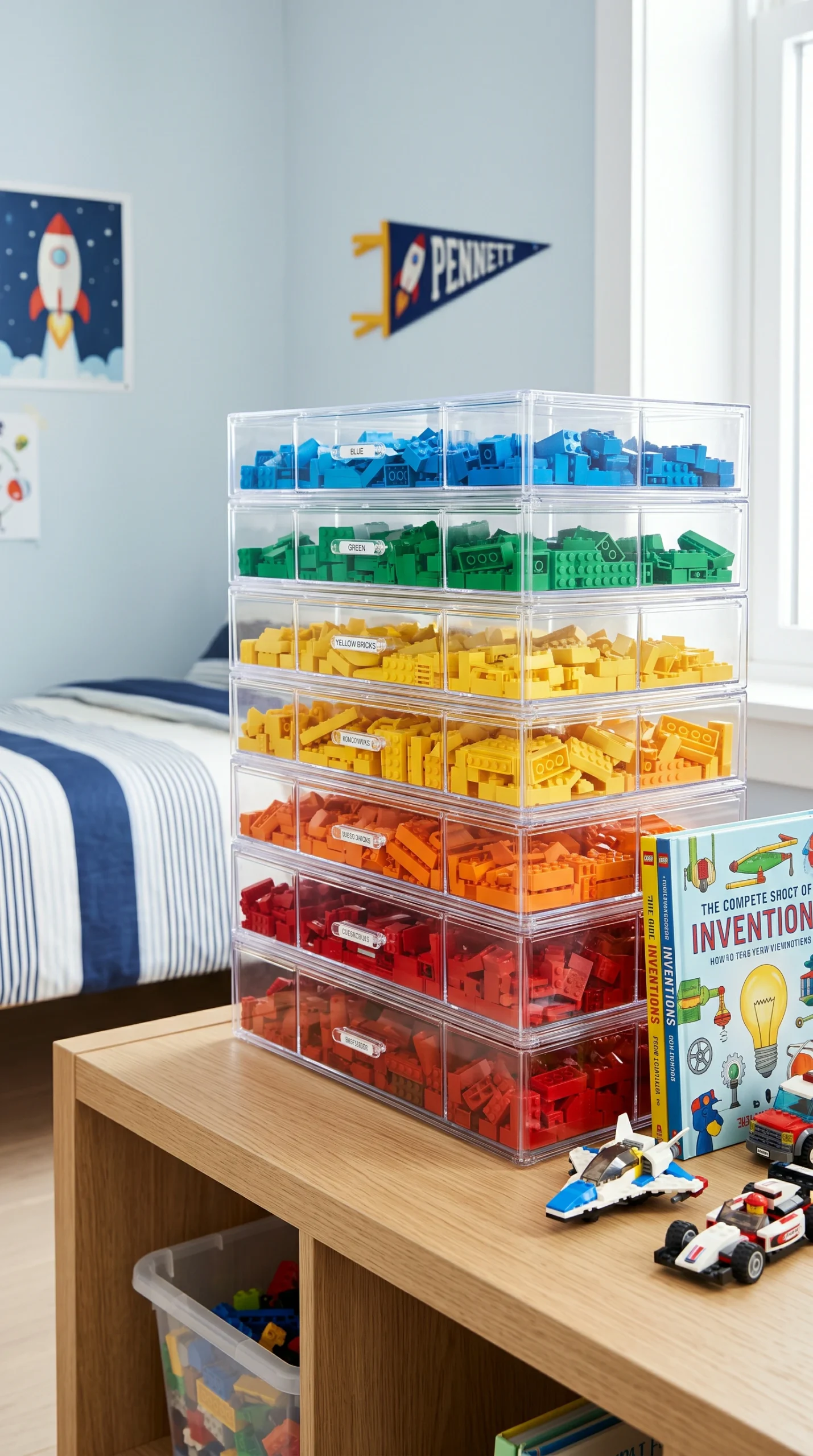
One of the greatest challenges in a boy’s room is managing the influx of tiny toys, such as building blocks, action figure accessories, or trading cards. These items are easily lost and create painful hazards when stepped on. Effective boy room storage ideas address small parts with specialized solutions. Clear, stackable plastic bins with tight-fitting lids are excellent for sorting building blocks by color or set, allowing the child to see the contents without emptying the entire bin. For trading cards or small collectibles, utilizing specialized binder sleeves or small, compartmentalized hardware organizers provides a secure, tidy home. Establishing a strict rule that small parts remain in their designated containers significantly reduces floor clutter.
The ultimate test of any organizational system is whether the child can maintain it themselves. To ensure success, boy room storage ideas must prioritize accessibility. This means storing the most frequently used toys and everyday clothing in the lowest drawers and cubbies, completely within the child’s physical reach. Using picture labels on toy bins helps younger children understand exactly where items belong. It is also beneficial to place a small, sturdy laundry hamper without a heavy lid directly in the room to encourage them to handle their own dirty clothes. By designing the storage systems around the child’s height and capabilities, you empower them to take ownership of their space and develop lifelong organizational habits.