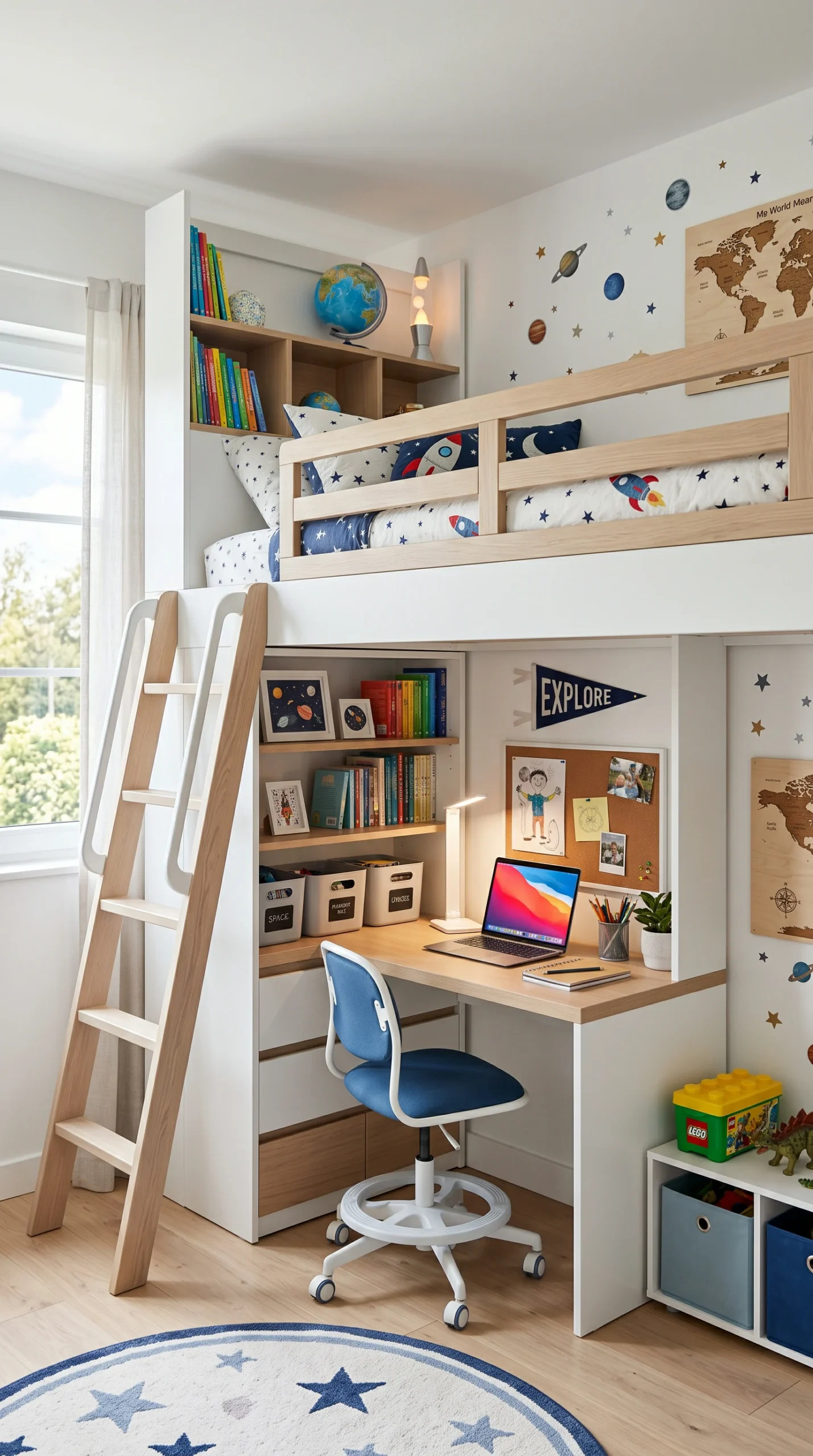
When floor space is limited, you must look up. Use tall bookcases and install shelves near the ceiling to store items that are not needed daily.
Elevating the bed is one of the most effective ways to double your usable space. The area underneath can comfortably house a study desk or a reading nook.
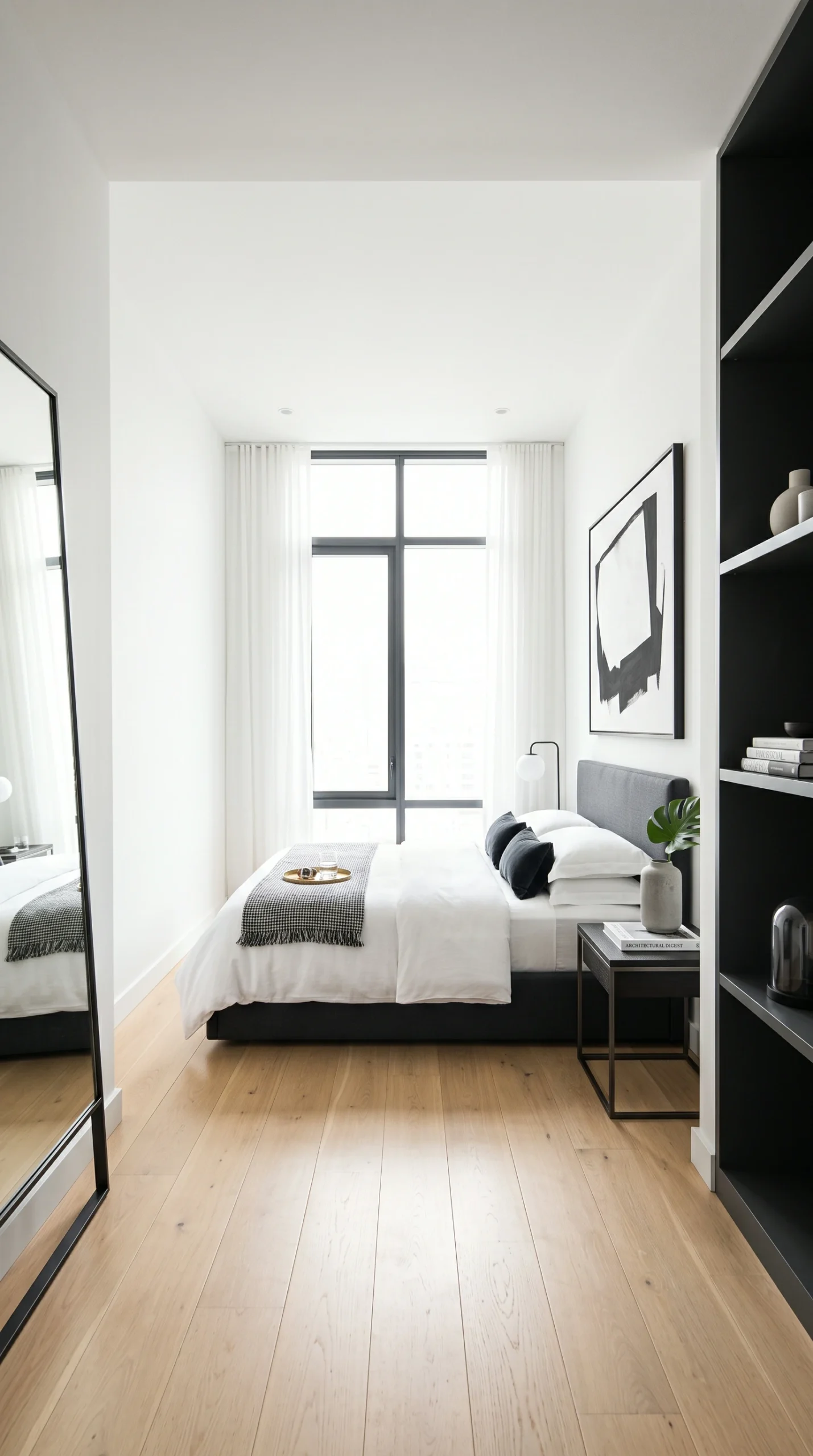
Furniture that sits elevated on slim legs allows the floor to be visible underneath. This continuous line of sight tricks the eye into perceiving the room as larger.
Dark colors absorb light and can make a small room feel like a cave. Painting the walls and ceiling a bright, crisp white or a very pale gray helps bounce light around the room.
In a small room, every item must earn its keep. Regularly decluttering toys and clothes is essential to maintaining a peaceful and functional environment.
Bulky table lamps consume valuable surface area on small nightstands. Installing wall-mounted sconces frees up space while providing excellent reading light.
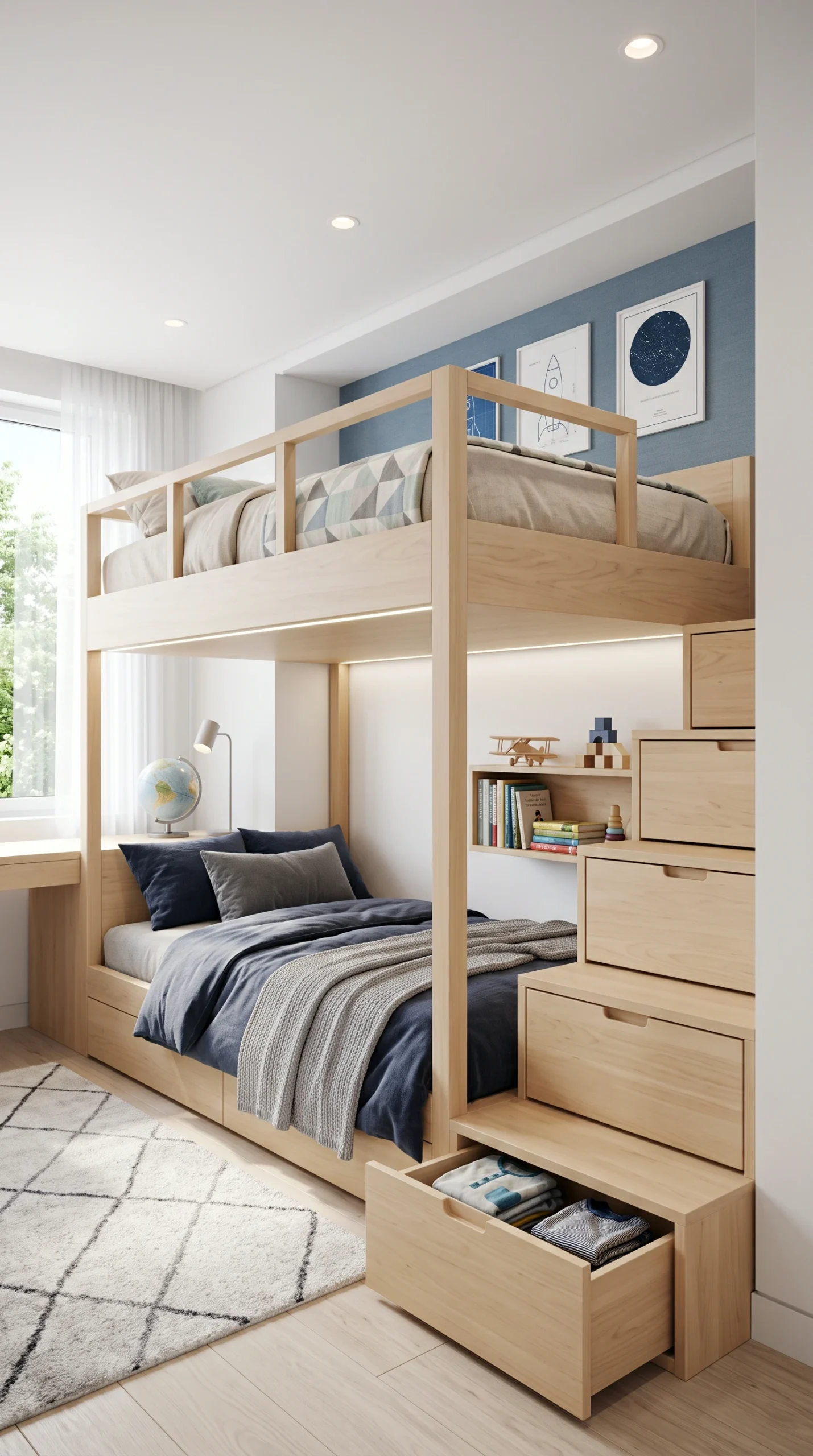
When approaching small boy room ideas, the bed is typically the largest obstacle, consuming the majority of the available floor space. One highly effective architectural solution is the introduction of a loft bed. By elevating the sleeping quarters, you instantly reclaim a significant amount of square footage. This newly liberated area beneath the bed can be transformed into a dedicated homework station with a desk and chair, or it can be outfitted with floor cushions and a rug to serve as a cozy, private reading and play nook. For younger children, a mid-sleeper bed offers a slightly lower elevation, providing safe access while still offering valuable enclosed storage or play space underneath. This vertical approach is often preferred by designers when dealing with compact footprints.
Color plays a critical role in how the brain perceives the size of a space. In the context of small boy room ideas, it is generally advisable to lean toward a lighter palette. Colors with a high Light Reflectance Value (LRV), such as crisp whites, pale grays, or very soft blues, act as mirrors, bouncing natural and artificial light around the room. This makes the walls feel further away, reducing feelings of claustrophobia. If a bolder color is desired, consider using it selectively as an accent wall behind the bed, while keeping the remaining walls and the ceiling bright white. Painting the ceiling the same bright white as the trim can also help draw the eye upward, creating an illusion of greater height.
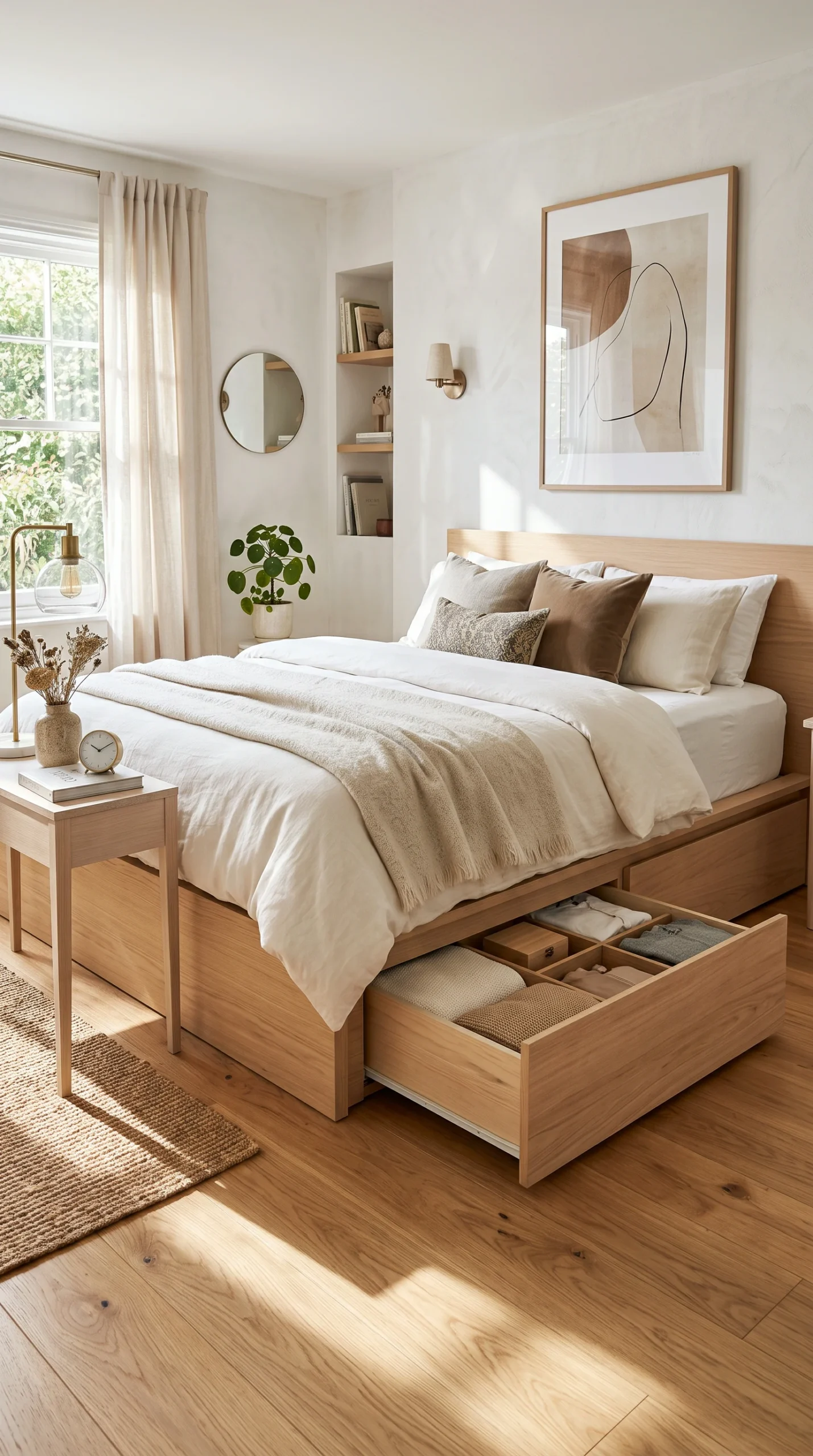
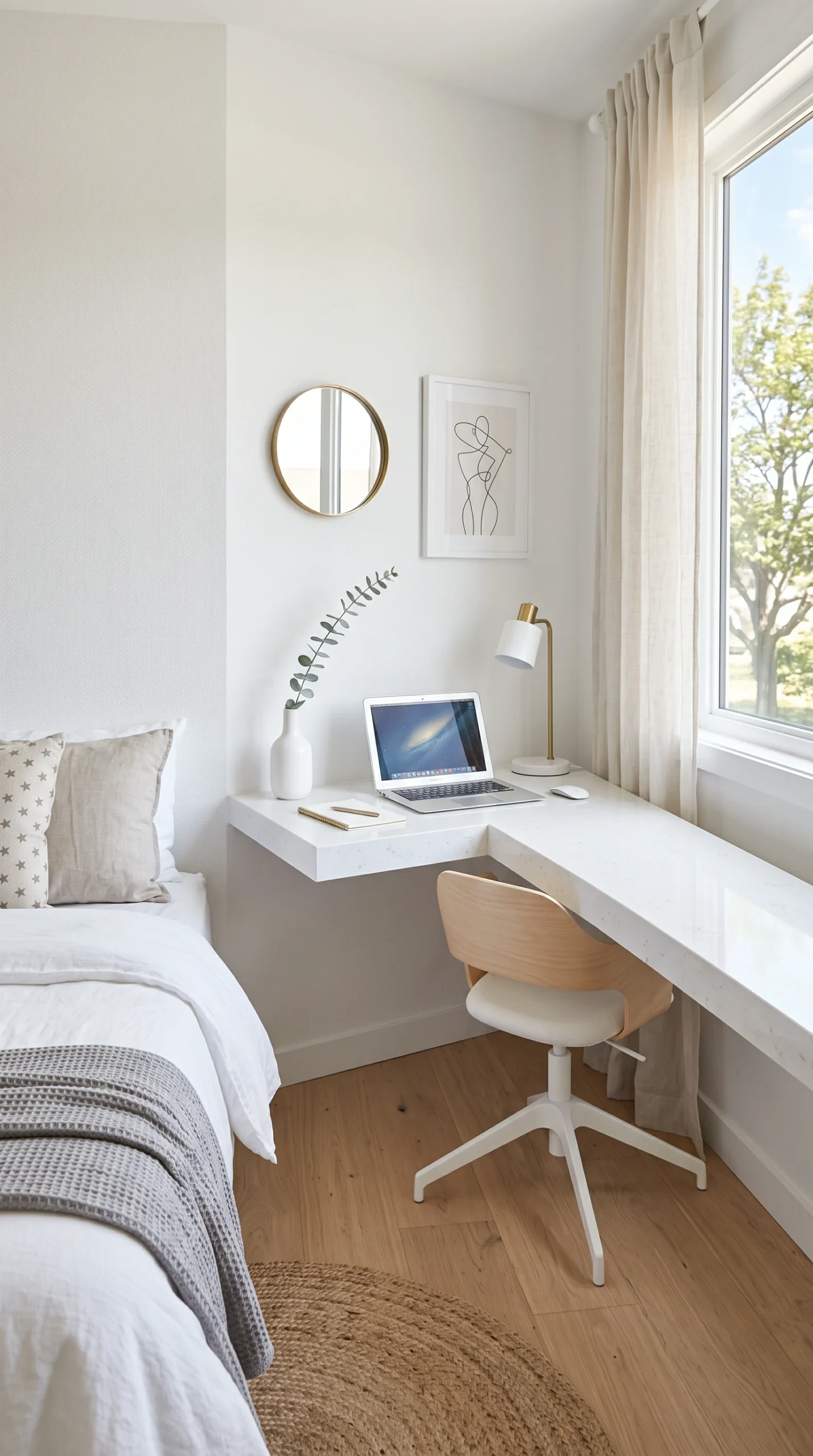
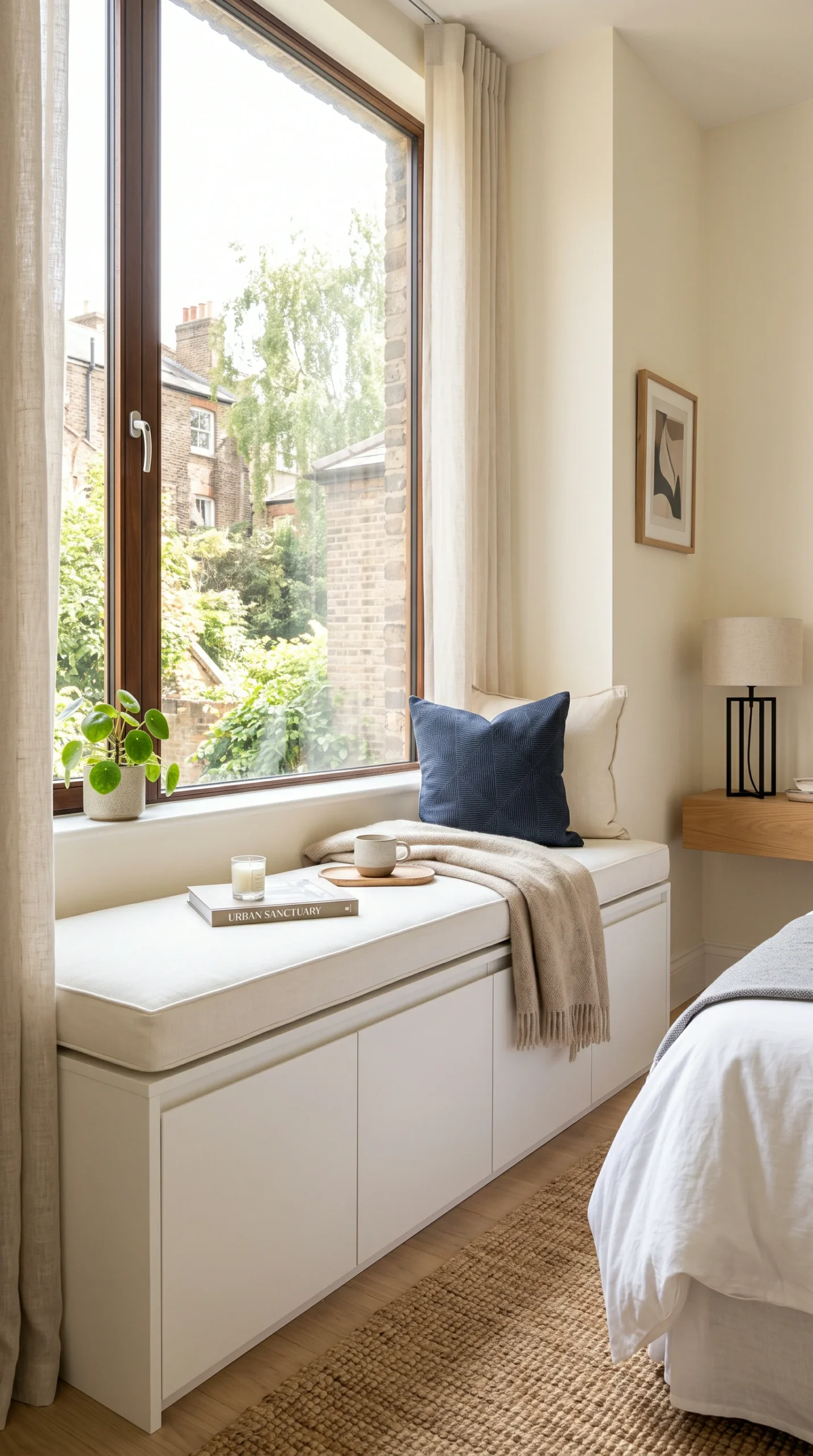
Selecting the correct furniture scale is vital. A massive, heavy wooden dresser will quickly overwhelm a small bedroom. Instead, small boy room ideas often benefit from multifunctional, streamlined pieces. Consider a bed frame that includes built-in storage drawers, eliminating the need for a separate bulky dresser. If a desk is required, a sleek, wall-mounted floating desk or a slim console table provides a functional workspace without the heavy visual weight of a traditional desk. Additionally, using a small, sturdy stool as a nightstand can offer a place for a book and a glass of water without taking up the physical or visual space of a standard bedside table.
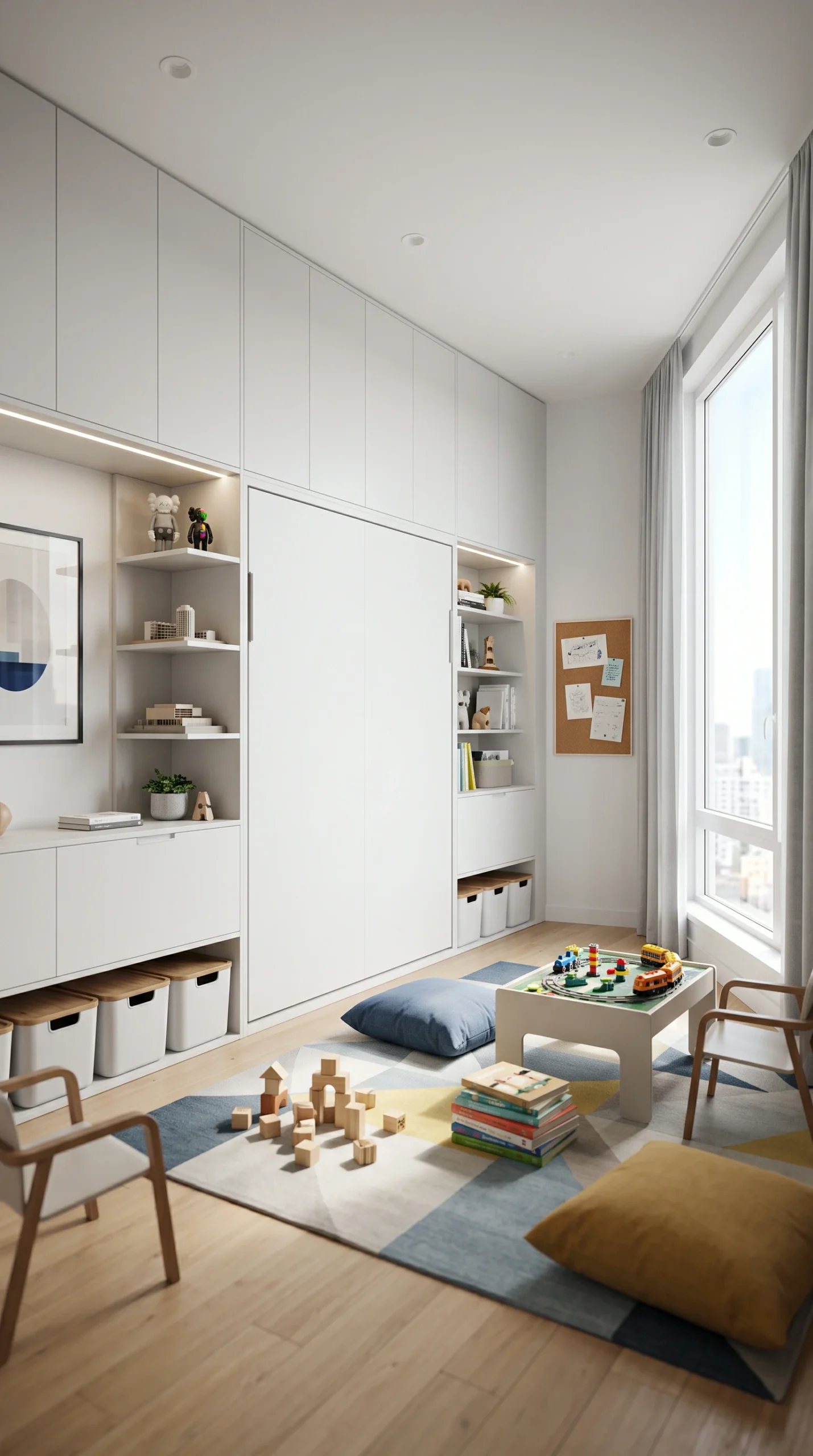
When floor space is scarce, the closet must work exceptionally hard. A standard closet with a single hanging rod leaves a massive amount of vertical space entirely wasted. Successful small boy room ideas often involve removing the standard rod and installing a customized closet system. By adding double hanging rods for shorter items like shirts and pants, and incorporating a column of shelves or wire baskets for folded clothes, shoes, and toys, the closet’s capacity can easily be doubled. By storing the majority of the clothing and toys out of sight behind closet doors, the main bedroom area remains clean, calm, and visually uncluttered.
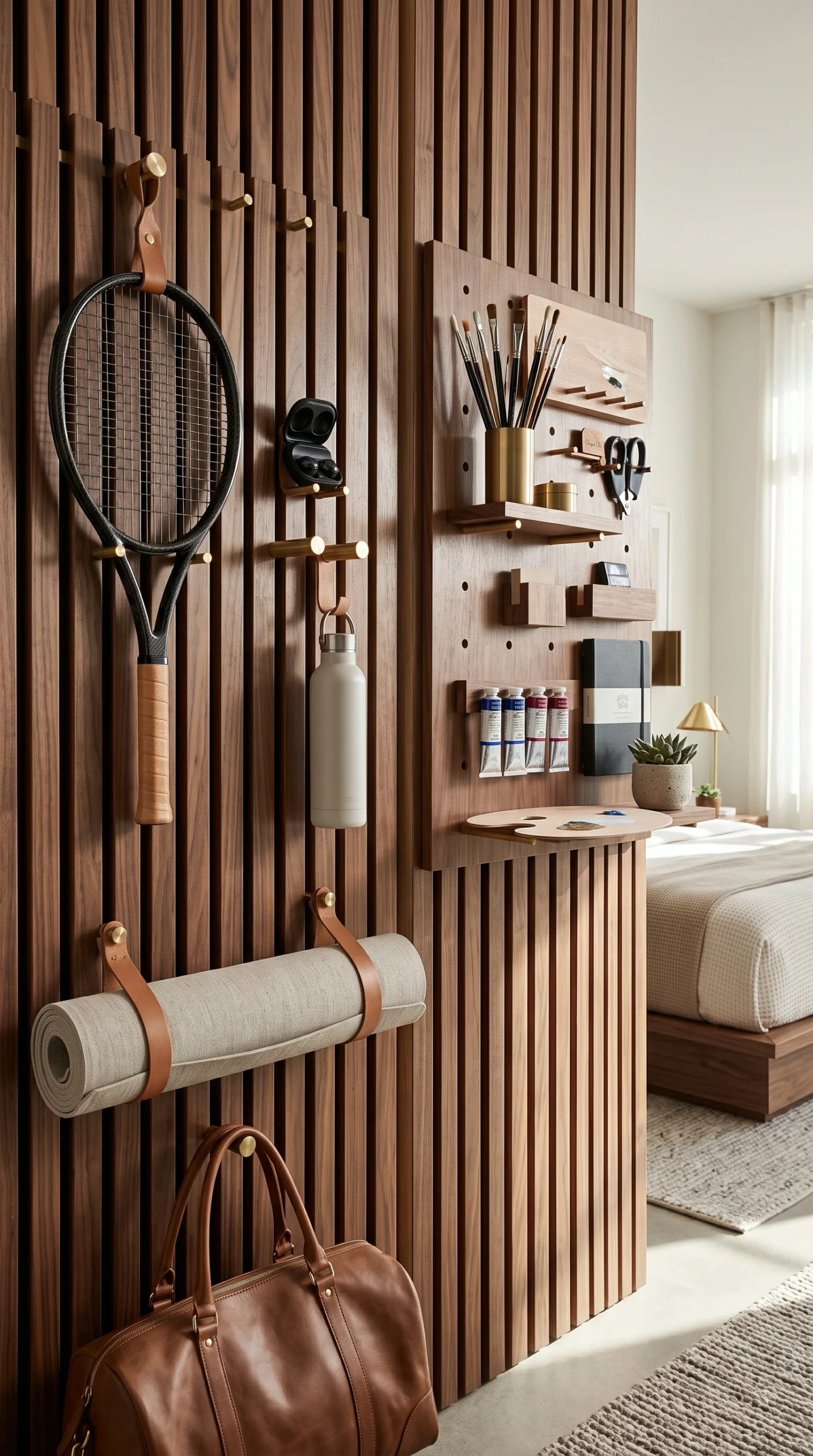
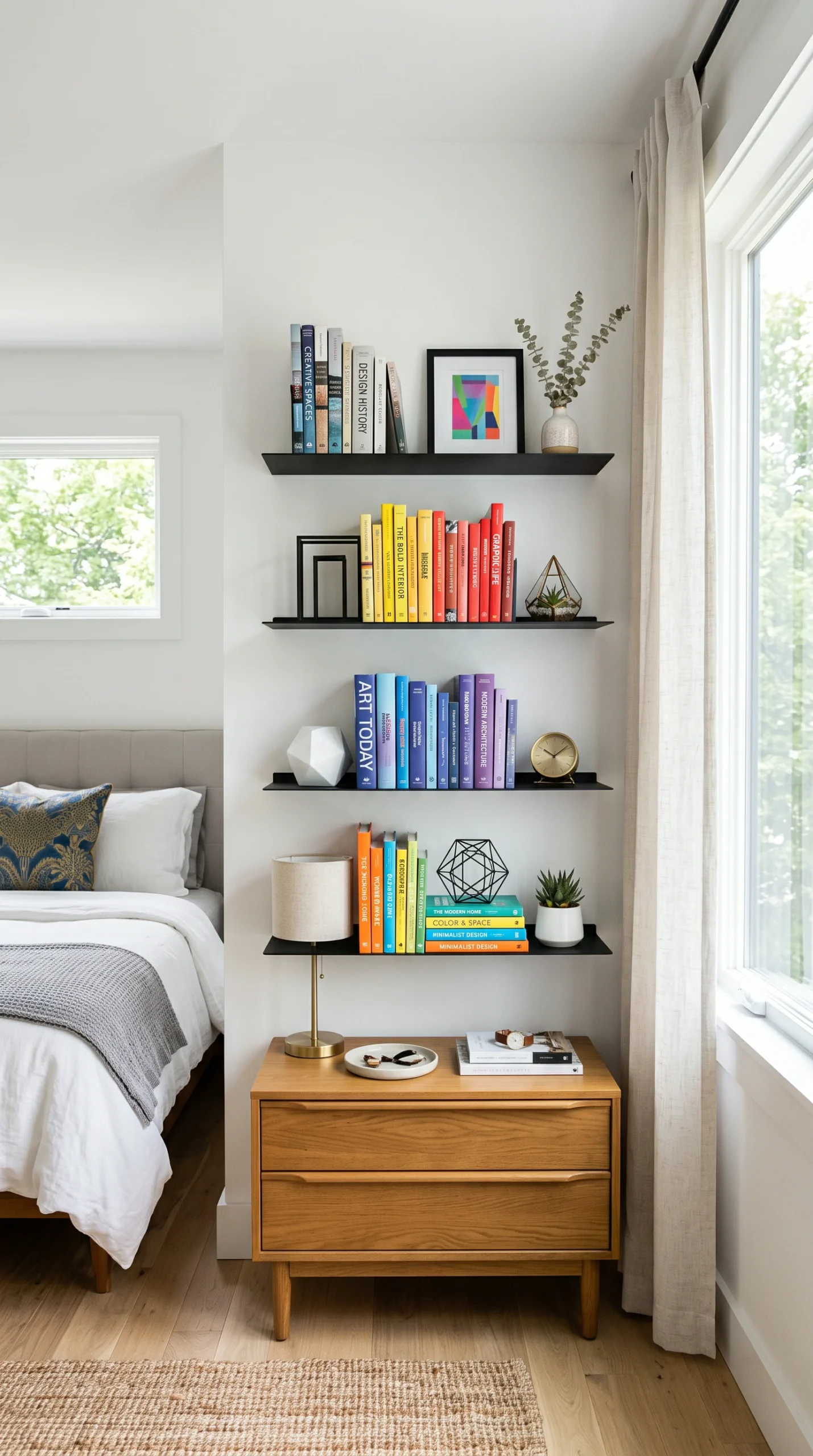
In a small space, the walls are prime real estate for both storage and decor. Wall-mounted shelving is highly recommended for displaying books, Lego creations, or trophies, keeping these items off the floor and away from valuable desk surfaces. Magnetic strips or cork boards are excellent for organizing school papers and artwork without cluttering the room. When choosing artwork, hanging a few larger, appropriately scaled pieces is often better than a scattered gallery wall of many tiny frames, which can sometimes read as visual noise in a tight space. The goal is to draw the eye upward and keep the floor as clear as possible.
Proper lighting is essential to prevent a small room from feeling dim and confined. Relying solely on a central overhead fixture often casts harsh shadows into the corners of the room. Small boy room ideas emphasize layered lighting. Ensure the window is free of heavy, dark drapery; opt instead for simple, light-filtering roller shades or sheer curtains to maximize natural daylight. Supplement the overhead light with wall-mounted sconces near the bed, which free up space on small nightstands. A slim, adjustable floor lamp tucked into a corner can also provide excellent ambient light without requiring any table surface, helping the room feel warm and fully illuminated.