Bookshelf Decor Ideas That Balance Books, Art, and Accessories

The true art of shelf styling lies in the delicate mastery of ratios. A shelf containing only books feels like a rigid library, while a shelf containing only accessories feels like a cluttered retail display. This guide explores the most carefully crafted bookshelf decor ideas designed to achieve perfect visual equilibrium between books, art, and decorative objects. Discover how to master the rule of thirds, utilize art as an structural anchor, and seamlessly blend functional reading material with high end ceramics. These expert layout strategies will help you construct a deeply collected, effortlessly balanced shelving display that commands the room.

Style Type

Curated Eclectic / Balanced Transitional

Budget

Accessible (Focuses on blending existing collections with strategic new accessories)

Difficulty

Intermediate (Requires rigorous editing and an understanding of visual ratios)

Best For

Living Rooms, Home Libraries, Large Freestanding Units
Visual Inspiration

The Perfect Ratio

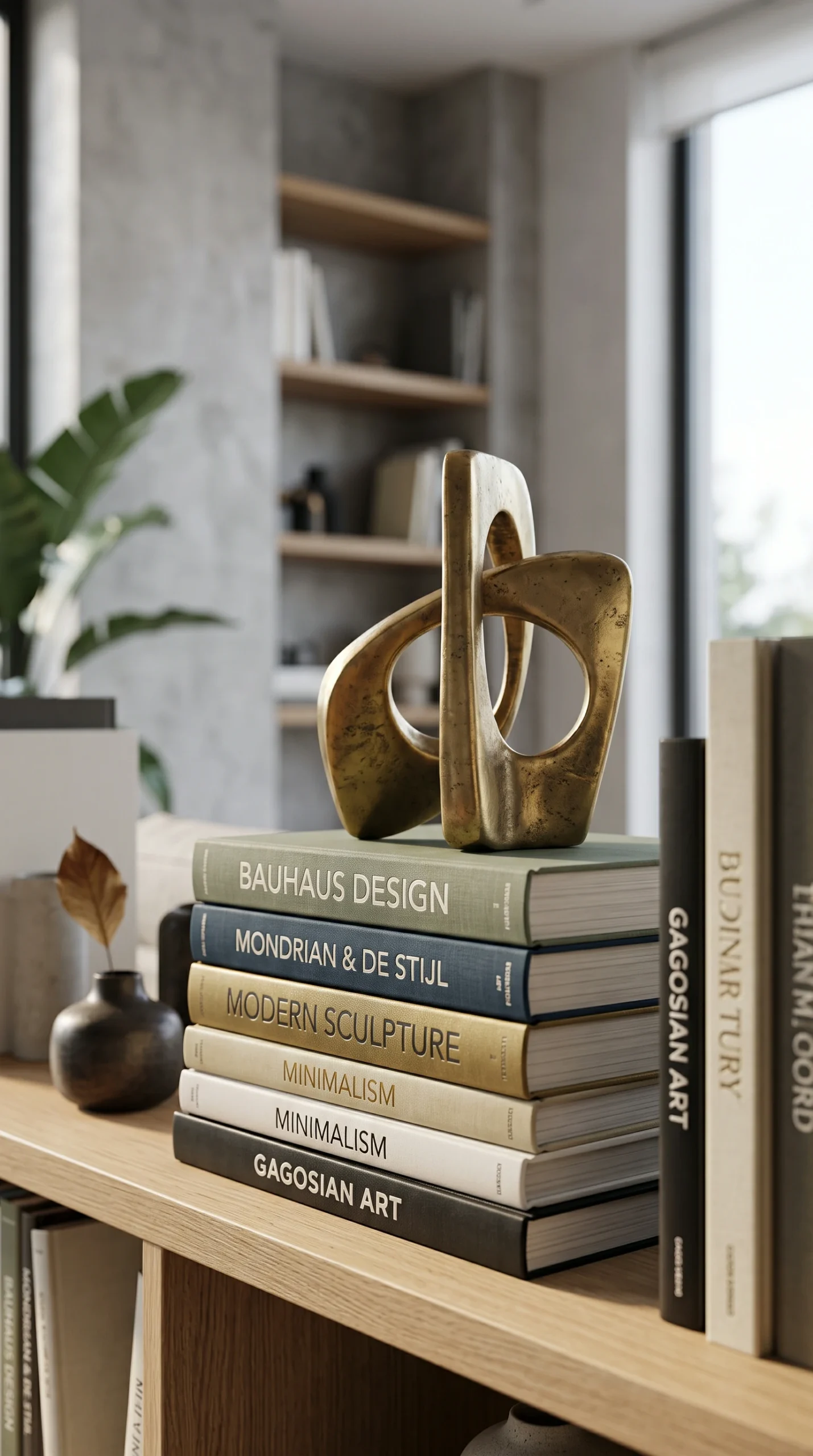
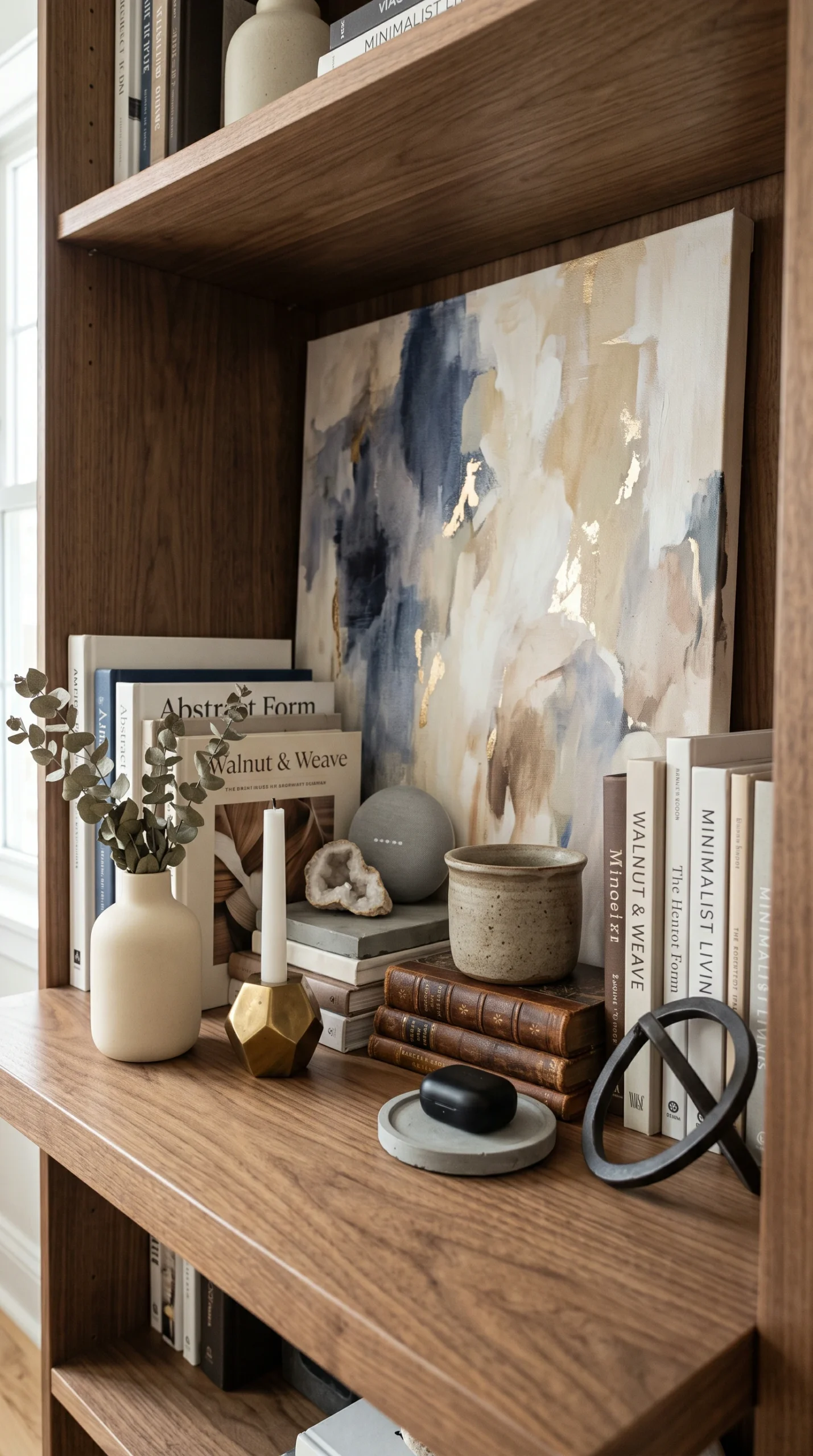
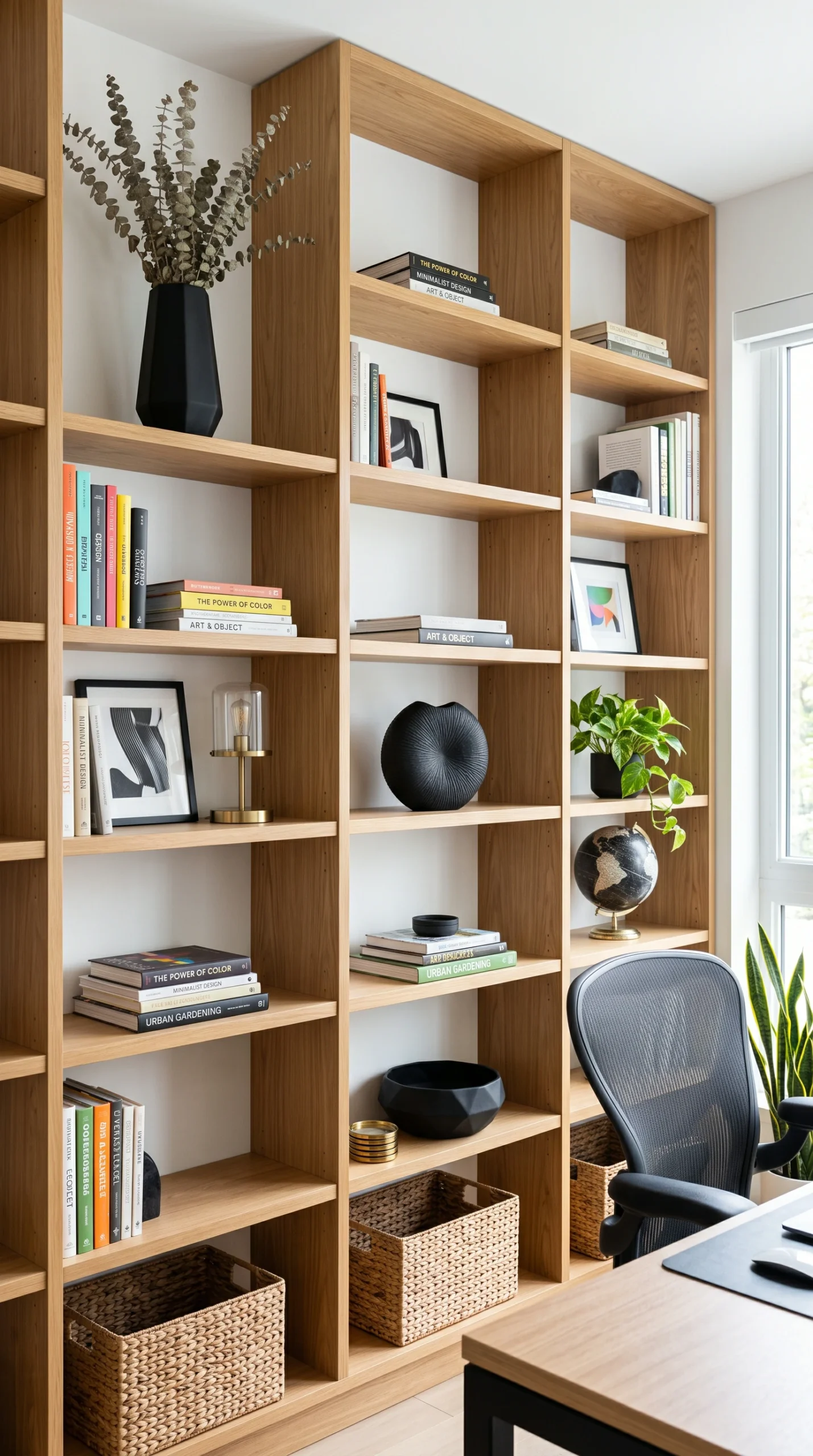
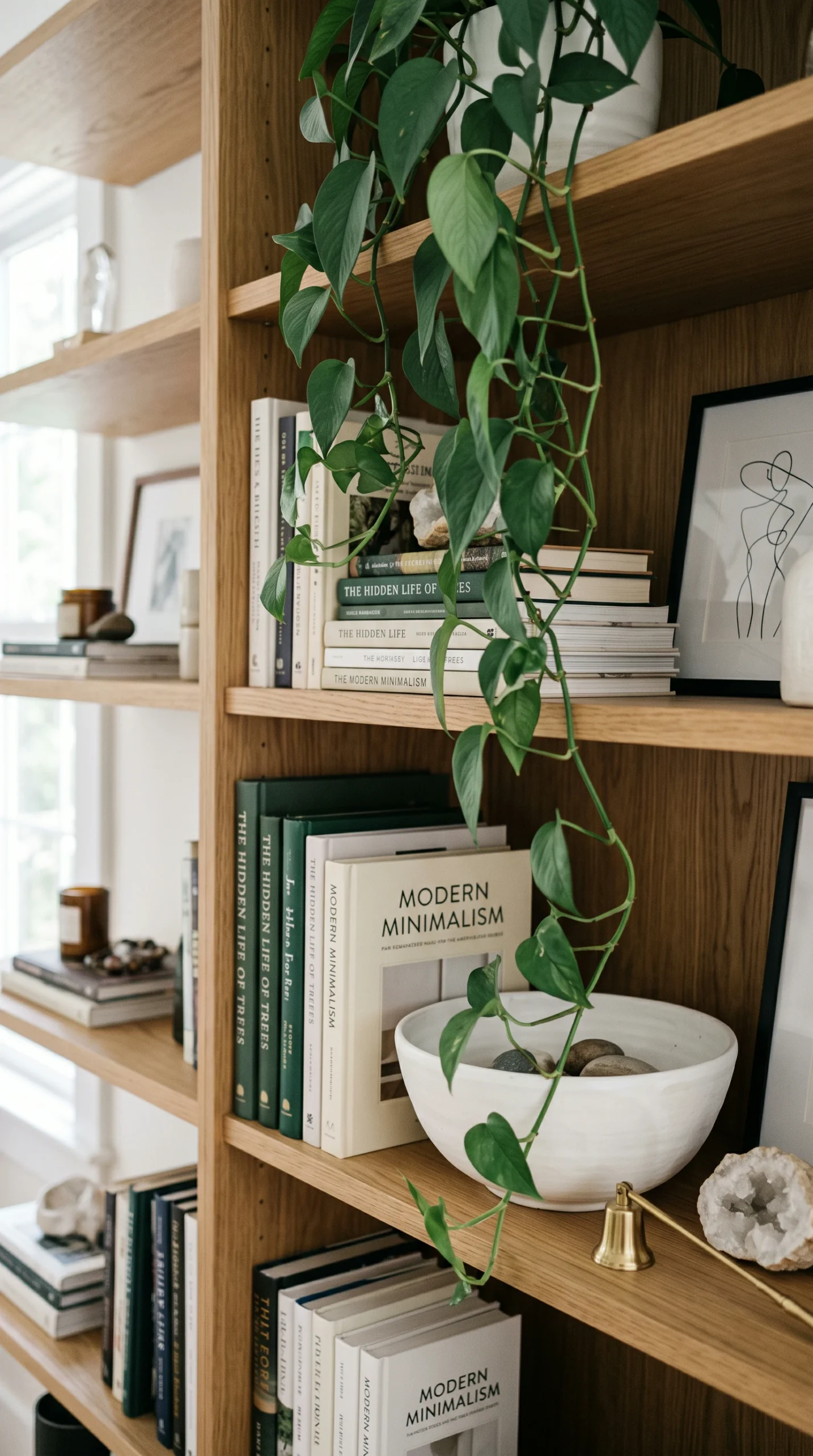
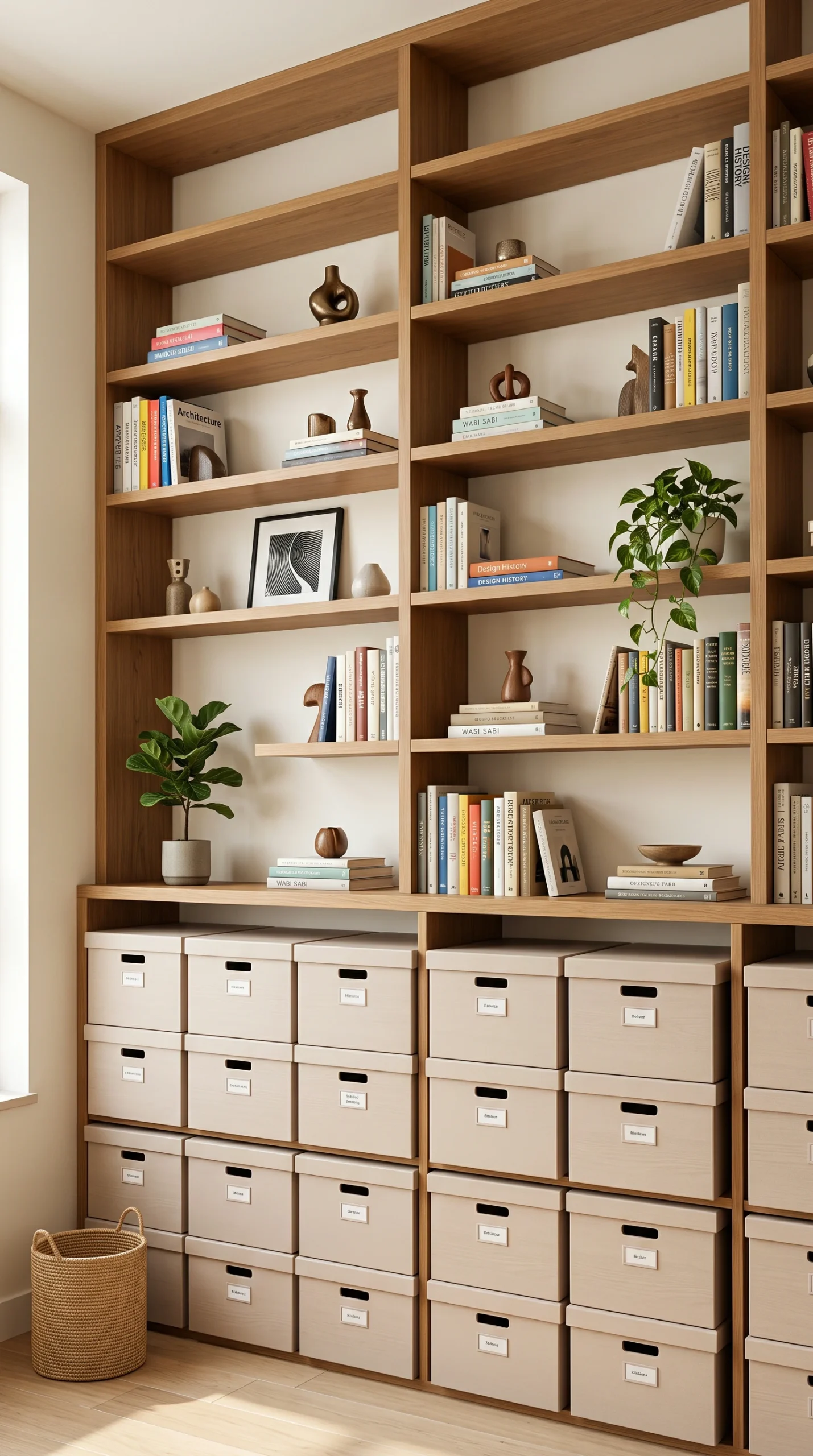
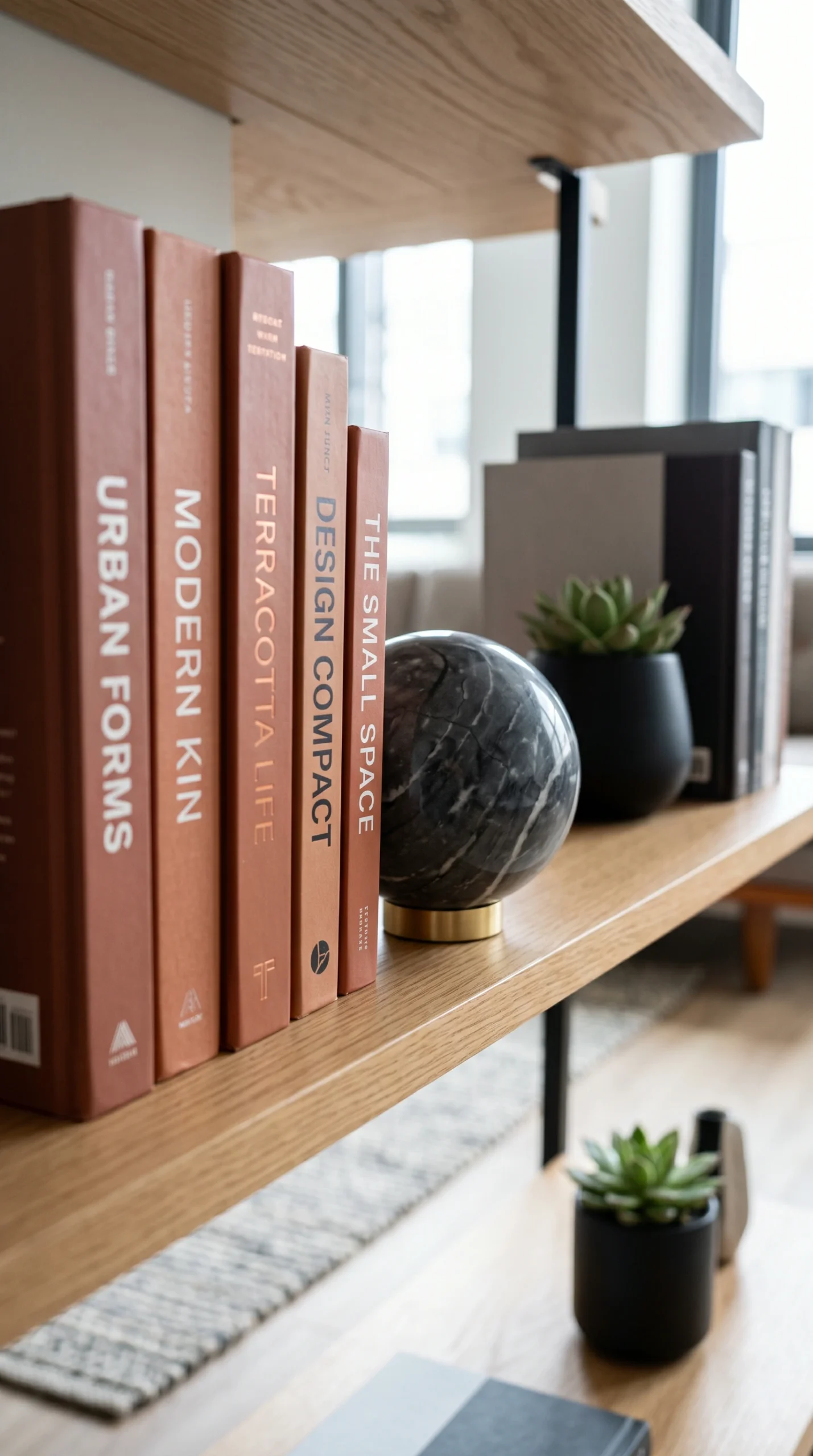
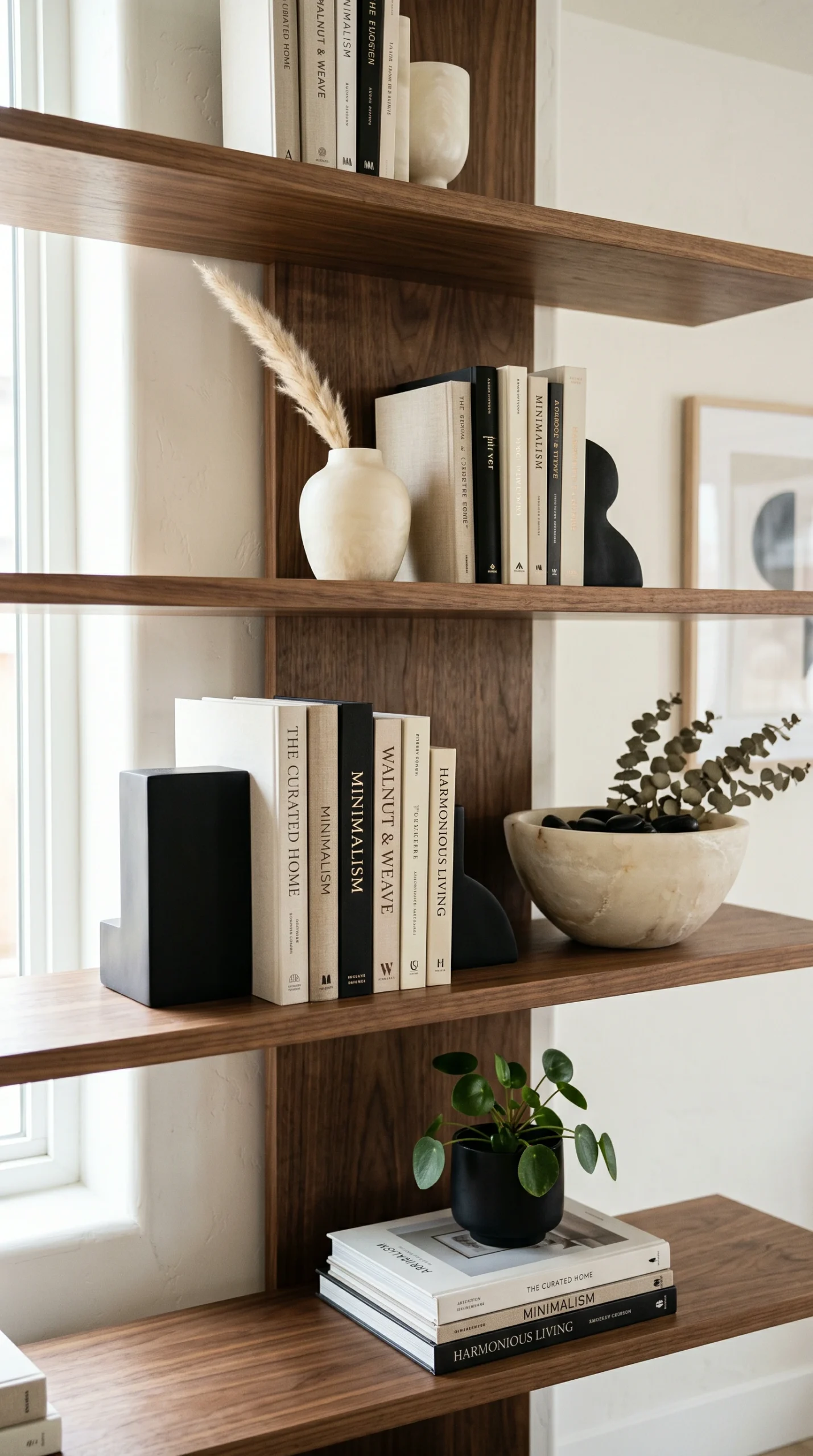
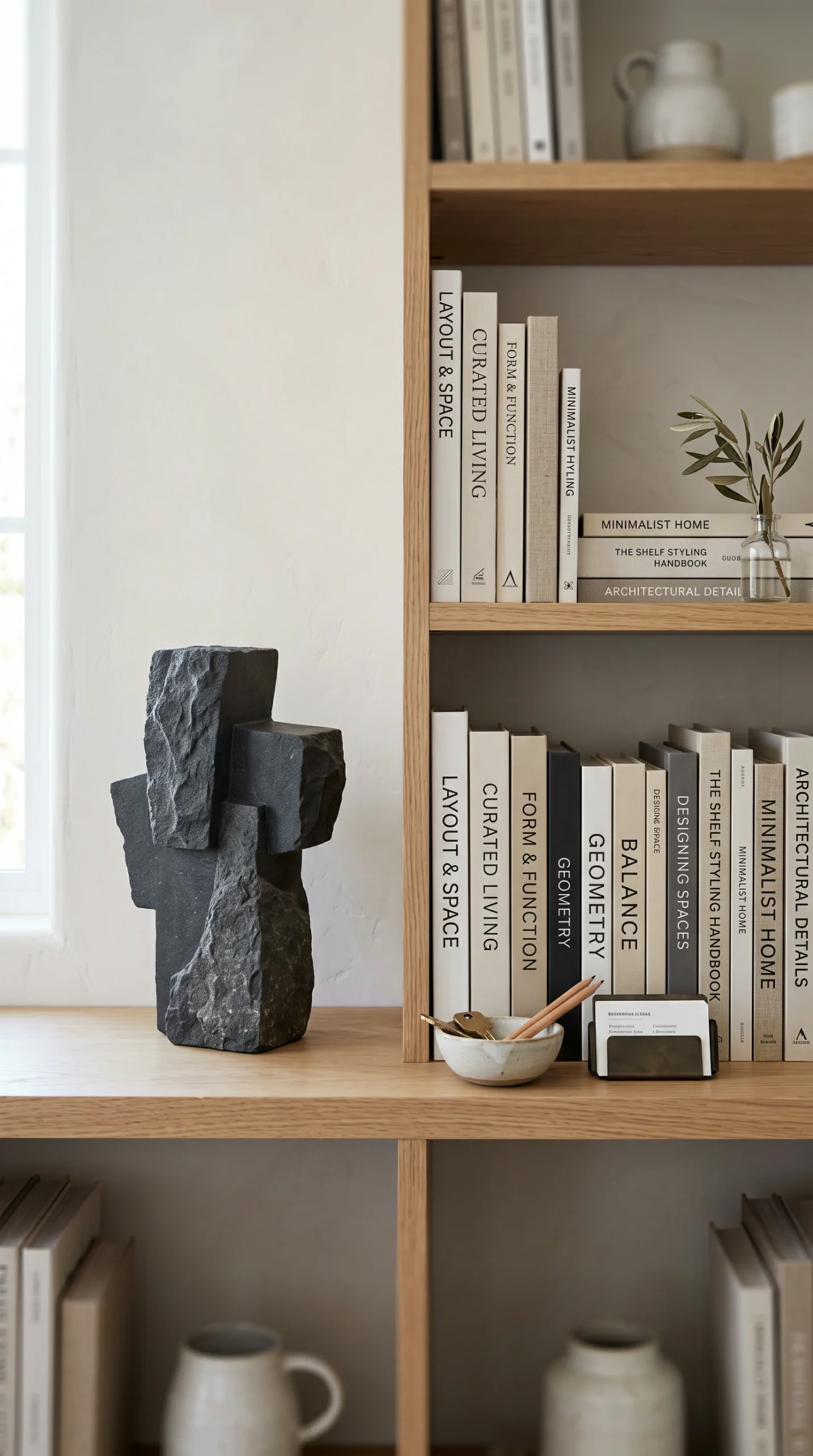
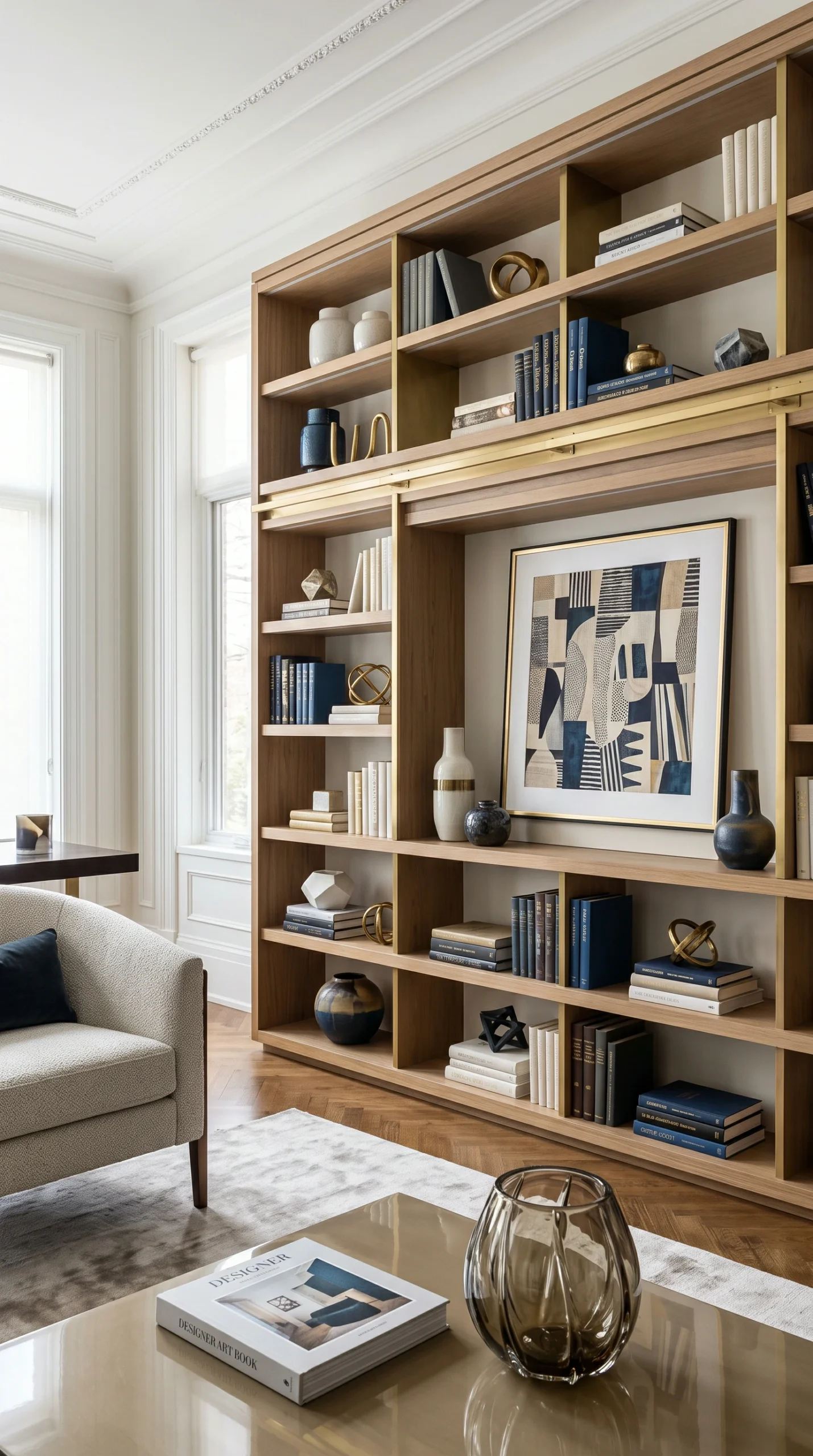
An inspiring visual gallery demonstrating how the strategic placement of leaning artwork, horizontal book stacks, and large ceramic bowls creates a flawlessly balanced, highly curated bookshelf display that marries utility with high end design.
Color Palette

The Harmonious Blend Palette

A deeply balanced, sophisticated collection of warm terracottas, crisp optical whites, and grounding charcoals designed to unify disparate objects and books into a single cohesive visual story.

Warm Terracotta

#A57164

Optical White

#FDFDFD

Charcoal Slate

#2B2B2B

Natural Walnut

#8B7355

Matte Black

#1A1A1A

Soft Ash

#E6D5C3

Muted Forest

#4A6B5D

Antique Brass

#D4AF37

Raw Plaster

#EAE0C8

Creamy Alabaster

#F5F5DC

Design Guide

Rules for Visual Equilibrium

Execute these strict spatial planning rules to ensure your bookshelf decor perfectly balances books, art, and accessories without looking cluttered or rigid.

The One Third Rule

Dedicate roughly one third of your shelf space to books, one third to art and accessories, and strictly leave the final one third as empty negative space to allow the display to breathe.

Art as an Anchor

Stop hanging all your art on the walls. Lean medium sized framed canvases or photography against the back wall of the bookshelf. This breaks up the endless vertical lines of book spines instantly.

The Horizontal Pedestal

Never stand all your books upright. Stack three or four beautiful art books completely flat. Use this horizontal stack as a structural pedestal to elevate a small ceramic bowl or an Antique Brass sculpture.

Sculptural Relief

Books and frames are rigid, rectangular shapes. You must introduce organic, curved accessories to provide visual relief. Add a round Raw Plaster vase or a sprawling plant to soften the sharp angles of the display.

Layering for Depth

Do not line everything up on the front edge of the shelf. Place tall art in the back, stacks of books in the middle ground, and small accessories in the very front to create large visual depth.

The Triangle Method

When placing your heaviest accessories or your brightest colored books, arrange them in a subtle zigzag or triangle pattern across the entire shelving unit. This forces the eye to travel fluidly across the space.

The Complete Guide

The Complete Guide to Balanced Shelving

Achieving the perfect ratio of items on a bookshelf is one of the most elusive skills in interior design. It is incredibly easy to accidentally cross the line from a “curated collection” into “chaotic clutter.” A successful shelf display is a masterclass in tension and relief. The most brilliant home decor ideas rely on a strict editing process, a devotion to contrasting shapes, and a philosophy of balanced luxury.

By actively manipulating how books, artwork, and sculptural accessories interact with one another, you can engineer a deeply personal, highly sophisticated structural feature.

Mastering the One Third Ratio (Featuring Bookshelf Decor Ideas)

When drafting your bookshelf styling plan, you must adhere to the golden ratio of shelf decor. Treat the entire shelving unit as a single canvas. Roughly one third of the visual space should be occupied by books.

These are the functional anchors. The next third should be occupied by artwork and decorative accessories, which provide personality and texture. The final, and most critical, third must be absolutely empty negative space.

If you fail to leave negative space, the art and the books will suffocate each other, resulting in visual exhaustion. Start by placing your books first, distributing them unevenly across the shelves. Do not fill a single shelf completely end to end.

Leave large gaps, setting the stage for your art and accessories to breathe.

Integrating Art as Architecture

Artwork is the secret weapon for breaking up the monotony of a large bookshelf. Endless rows of vertical book spines create a rigid, library like atmosphere. To counteract this, introduce framed art directly onto the shelves.

Lean a striking, medium sized canvas against the back panel of a middle shelf. This immediately creates a focal point and adds incredible depth to the unit. Furthermore, art provides the perfect backdrop for layering.

Place a horizontal stack of books slightly in front of the leaning frame, and top the books with a small Matte Black sculptural accessory. This overlapping technique is the hallmark of professional, high end styling, forcing the eye to pause and appreciate the curated dimension of the display.

Softening the Angles with Accessories

The final layer of your layout planning involves the strategic introduction of accessories to provide shape contrast. Books, frames, and the shelves themselves are all sharp, rigid rectangles. If you only use these items, the display will feel incredibly harsh.

You must introduce organic, curved shapes to soften the architecture. Source beautifully rounded Raw Plaster vases, large spherical wooden bowls, or sweeping, trailing Muted Forest plants. Place these soft, curved accessories directly next to the rigid stacks of books.

This intense contrast between geometric right angles and soft organic curves generates immense visual warmth. By ensuring that every accessory is highly purposeful, perfectly scaled, and strategically layered with your books and art, your shelves will transform into a highly organized, deeply stylish sanctuary.
Where It Works Best

Optimized Balanced Displays

The principles of the one third ratio, art integration, and shape contrast can elevate the shelving in any primary living space.
FAQS

Frequently Asked Questions

Expert tips on mixing bookshelf accessories, balancing books and art, and mastering the perfect curated display.
The golden rule is the one third ratio. Fill one third of the shelf space with books, one third with art and accessories, and leave the final one third entirely empty as negative space.
Use horizontal stacks of books as pedestals to elevate small accessories like bowls or sculptures. This perfectly marries the two elements and creates excellent variations in height across the shelf.
Yes. Hanging a small, beautifully framed piece of art directly on the vertical stiles or the front face of the shelving unit adds an incredible layer of custom, high end structural luxury.
Edit aggressively and embrace negative space. If a shelf feels chaotic, remove half the accessories. Rely on a few large, large and solid accessories rather than dozens of tiny, distracting knickknacks.
Yes, but keep it highly curated. Print them in black and white and place them in matching, high quality frames. Group them in a single designated area rather than scattering them randomly across every shelf.
Introduce leaning artwork against the back of the shelf and utilize large, curved accessories like round vases or trailing plants. These organic shapes soften the harsh, rigid vertical lines of the book spines.
Not necessarily. While color blocking creates a very modern look, a well balanced eclectic shelf often looks better with organically mixed spines, provided the surrounding accessories tie the color palette together.
Always place the visually heaviest items, like large wooden bowls, large baskets, or thick art books, on the absolute lowest shelves. This visually grounds the entire unit and prevents it from looking top heavy.
If you have three bright blue accessories, place one on the top left shelf, one on the middle right, and one on the bottom left. This creates a visual triangle that forces the eye to travel across the entire display.
Yes. Leaving a small, entire section of a shelf completely empty is a bold, highly sophisticated styling move that provides large visual relief in a large built in unit.
Recent Inspiration

Discover More Home Decor Ideas

Explore the latest interior design trends, decorating inspiration, and beautifully curated spaces to spark new ideas for every room in your home.
Fall Bedroom Decor Ideas for a Cozy Autumn Retreat

Transform your sleeping space into a warm sanctuary with the best fall bedroom decor ideas.…
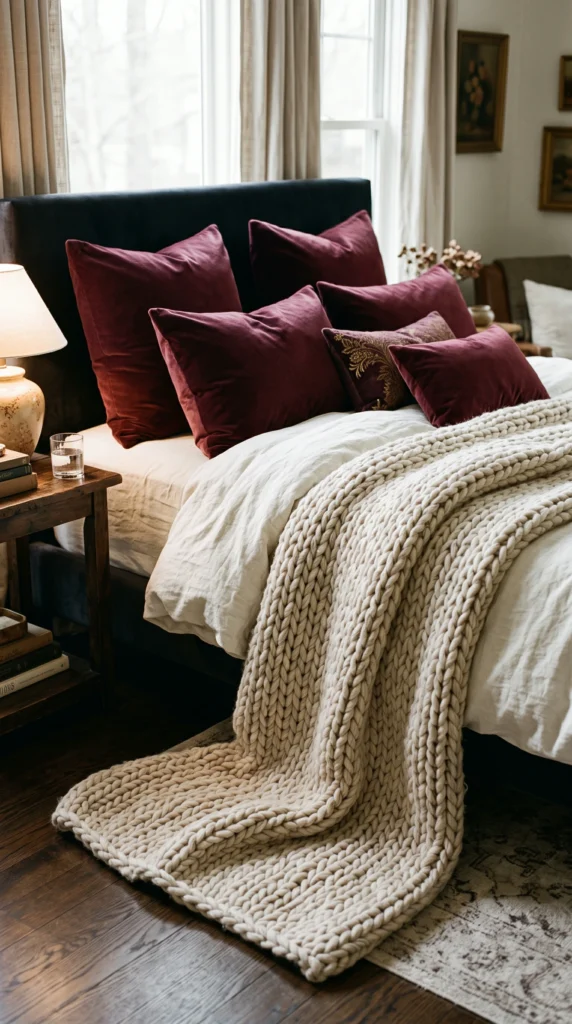
Cozy Fall Bedroom Ideas with Warm Colors and Soft Textures

Create the ultimate autumn retreat with cozy fall bedroom ideas. Discover how to effortlessly blend…
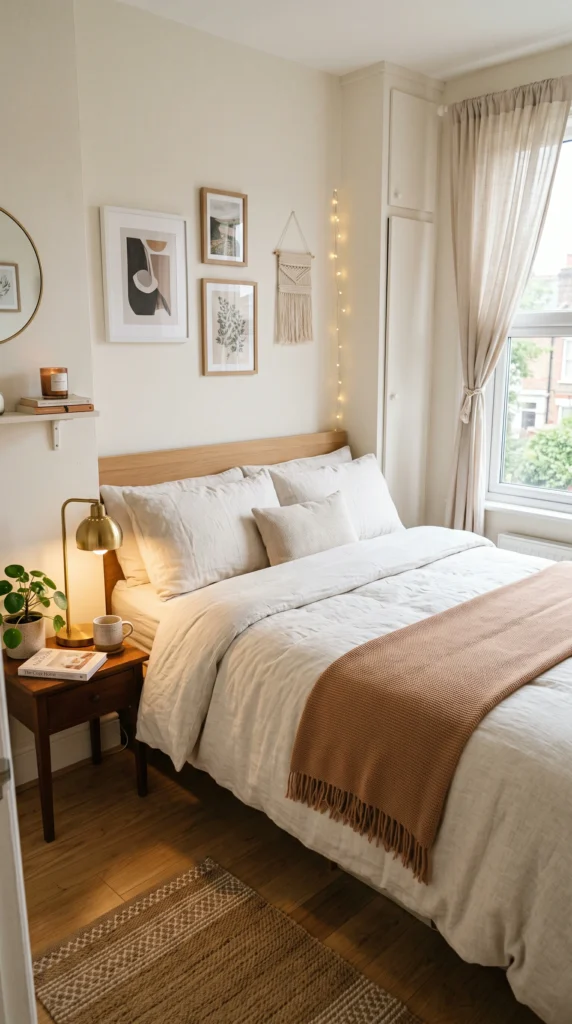
Small Fall Bedroom Ideas That Make Your Space Feel Cozy

Maximize comfort in tight spaces with the best small fall bedroom ideas. Discover space-saving tips,…
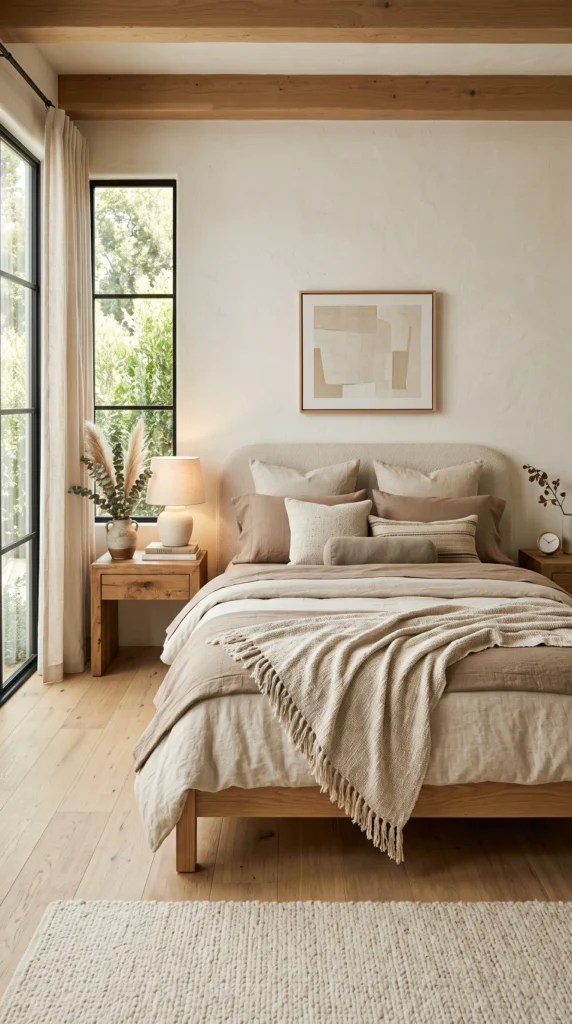
Neutral Fall Bedroom Decor Ideas for a Modern Cozy Look

Achieve a sophisticated aesthetic with neutral fall bedroom decor ideas. Explore how to use warm…
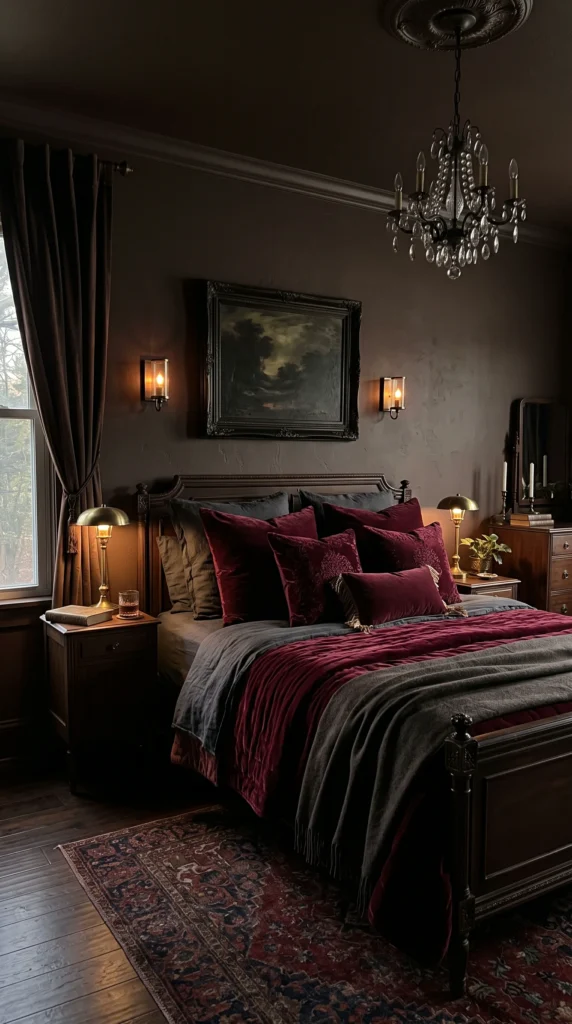
Fall Bedroom Color Ideas to Create a Warm Autumn Aesthetic

Transform your room with expert fall bedroom color ideas. Discover the best autumn bedroom colors,…
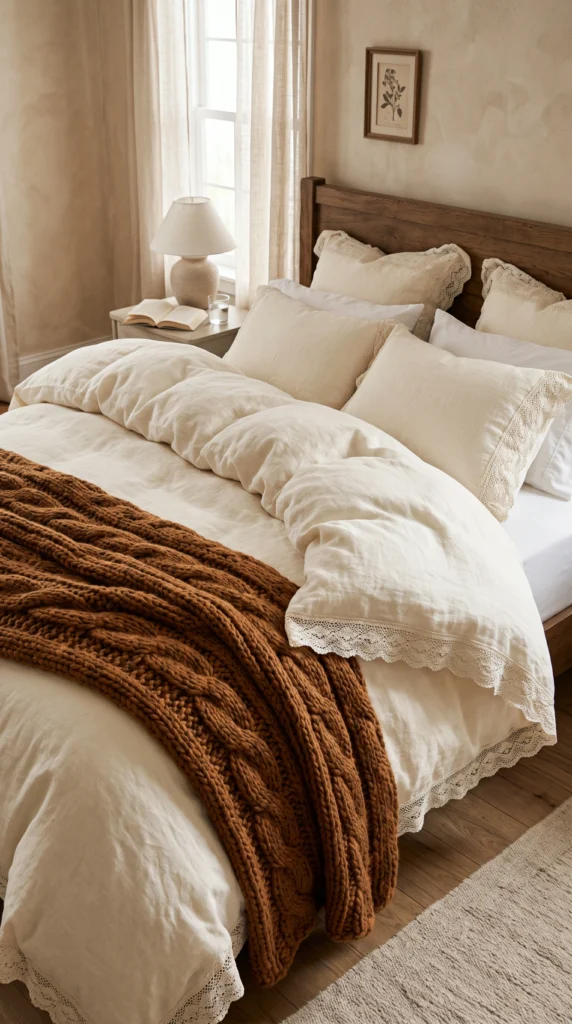
Fall Bedroom Bedding Ideas for the Coziest Autumn Look

Master the art of bed layering with the best fall bedroom bedding ideas. Discover cozy…

✦ Showome

Welcome! Please enter your details to chat with our interior designer.