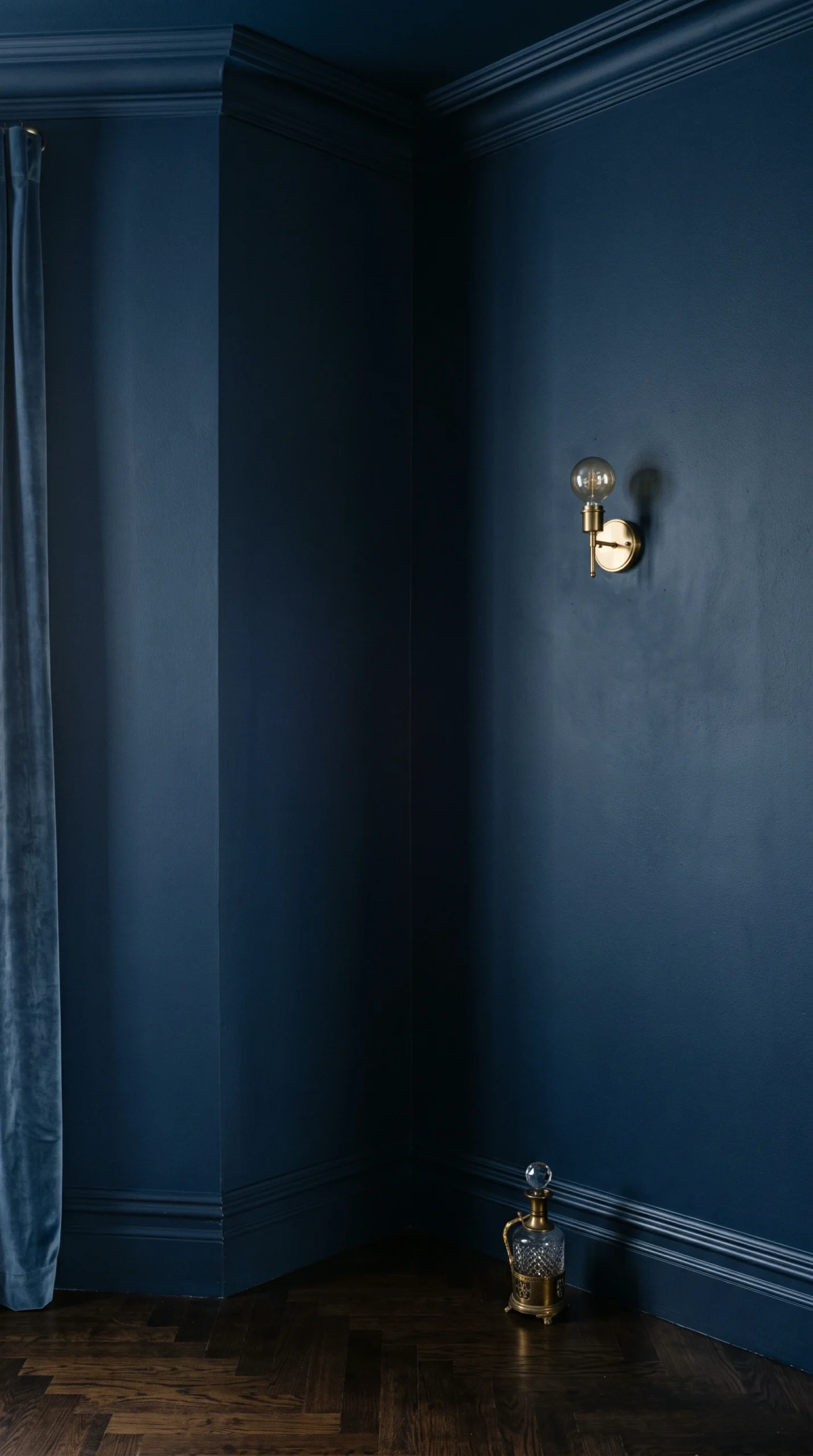
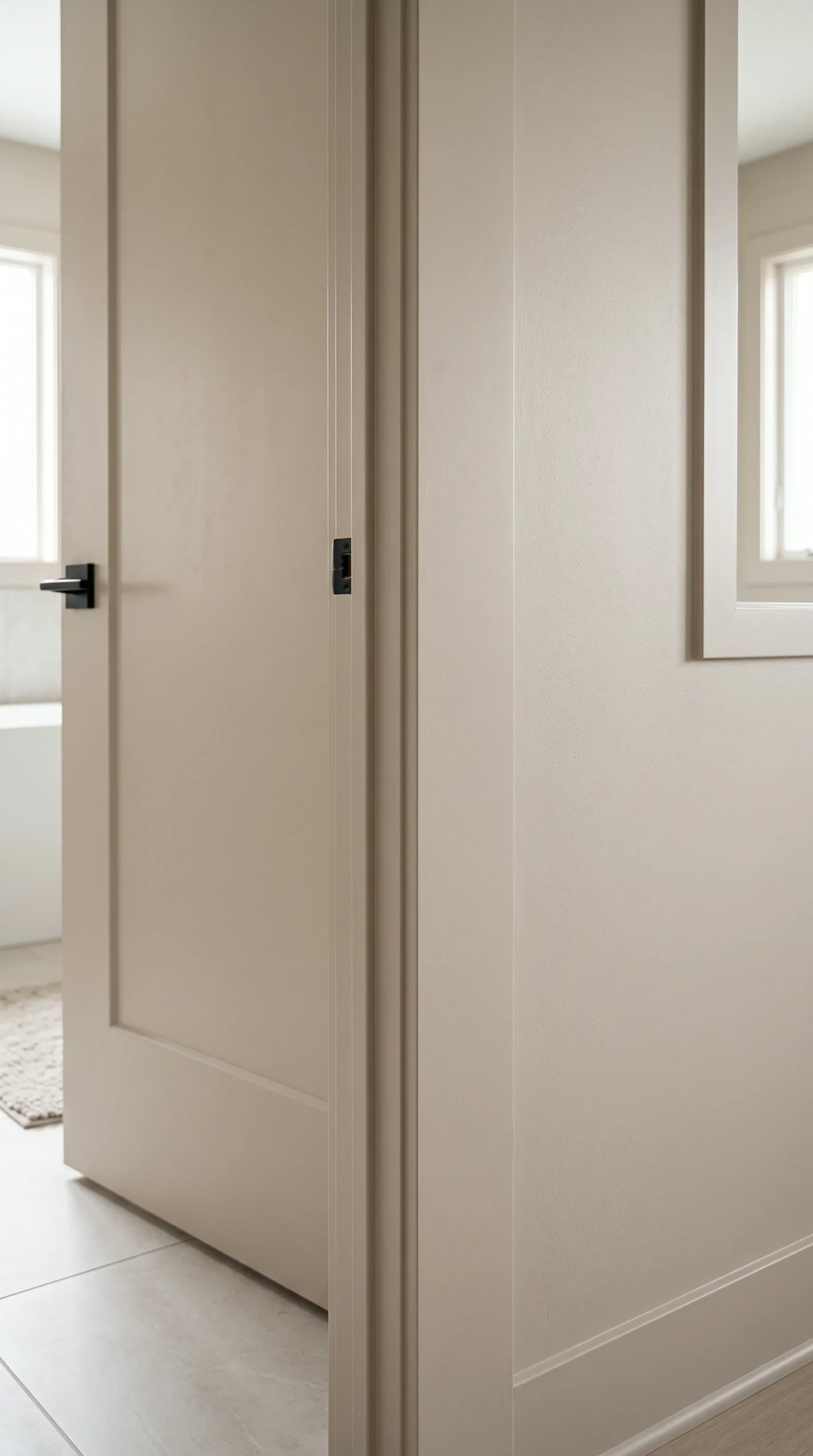
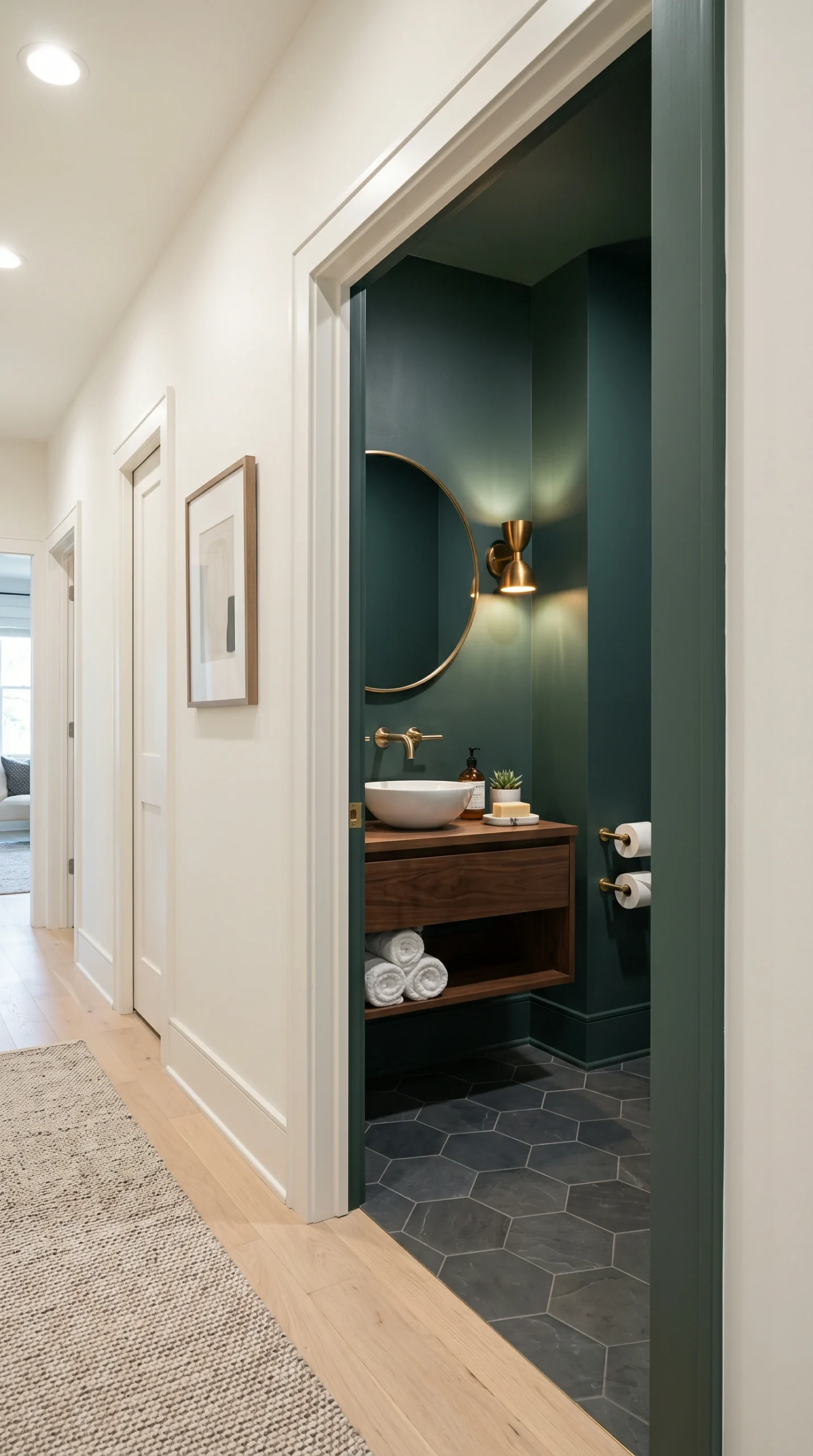
To make a room feel taller and larger, paint the walls, the baseboards, the door trim, and the ceiling the exact same color. This eliminates visual breaks and makes the boundaries of the room disappear.
Counter to popular belief, dark colors (like navy or charcoal) do not make a windowless room feel smaller. They absorb light and blur the corners, tricking the brain into perceiving infinite depth.
If you want a dark color but fear it will be too heavy, install wainscoting on the bottom half of the wall. Paint the lower half dark to ground the space, and the upper half Crisp White to keep the room feeling airy and tall.
Never use flat or matte paint in a tiny bathroom. Flat paint absorbs light. Use an eggshell, satin, or even a semi-gloss finish on the walls to bounce ambient light around the small footprint.
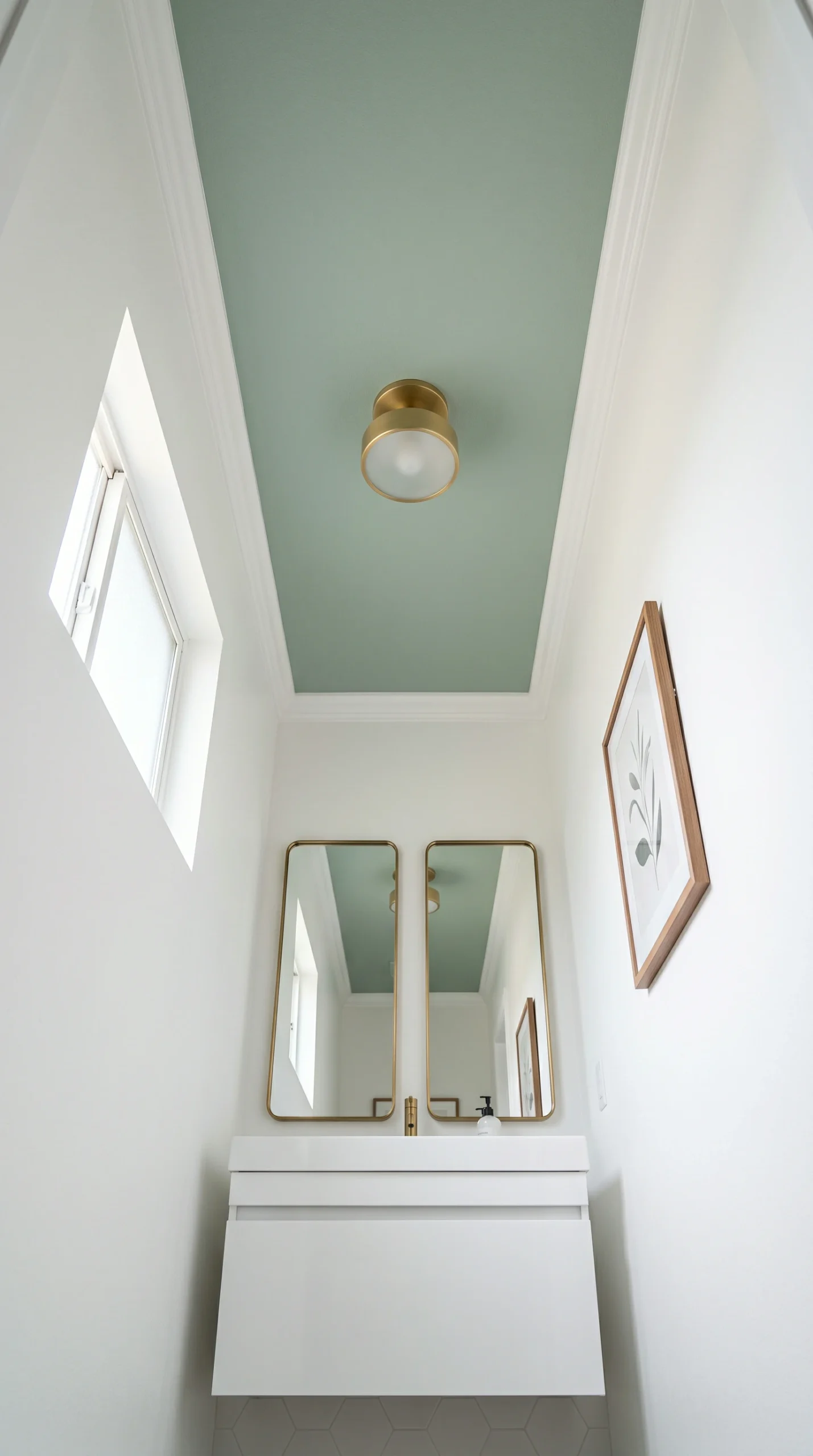
If you have a very narrow but tall powder room, paint the ceiling a shade darker than the walls to visually lower it and widen the room. If the ceiling is low, paint it lighter than the walls to push it upward.
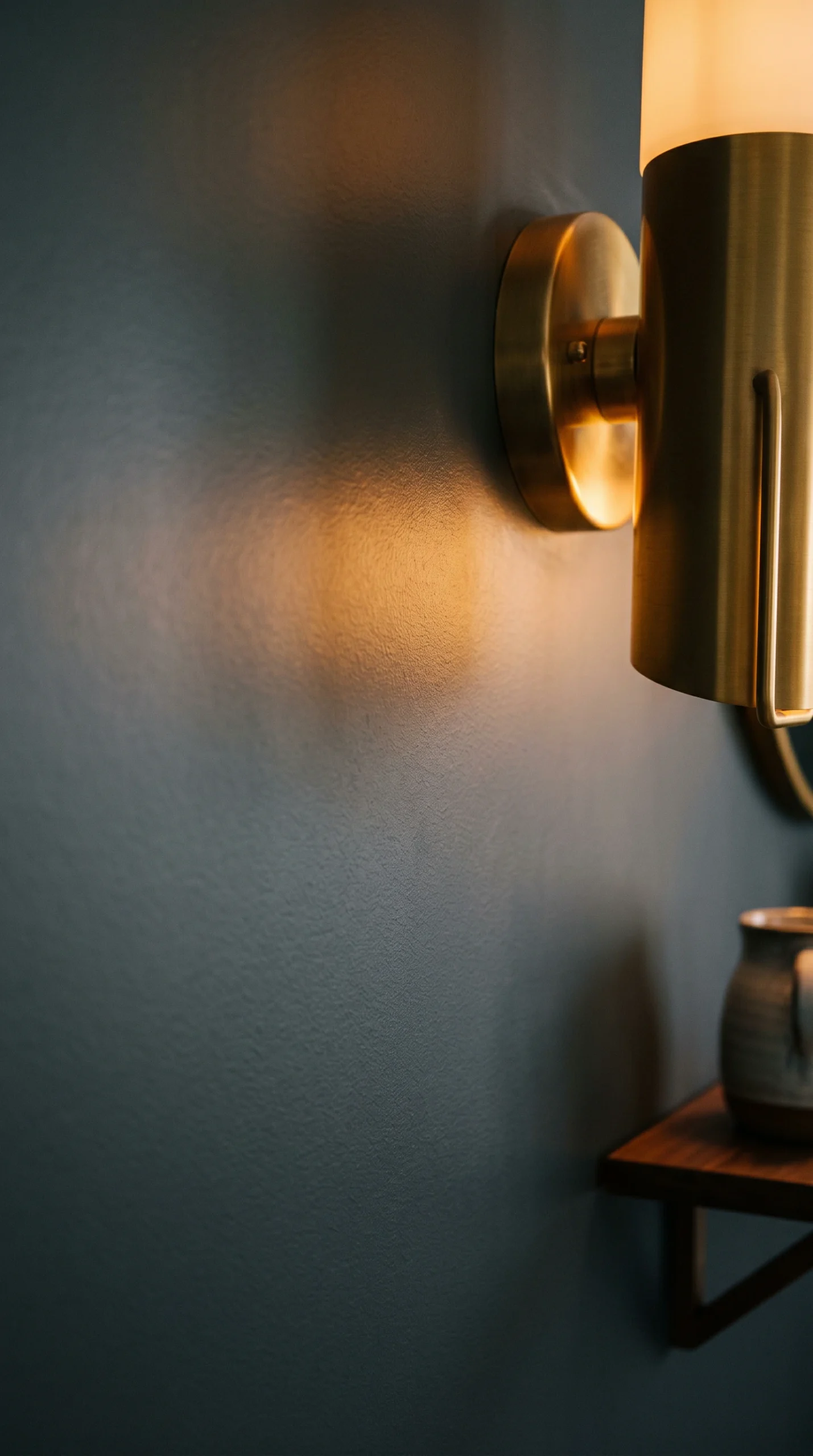
Your paint color will drastically change based on your lightbulbs. Always test swatches using warm, 2700K–3000K LED bulbs, which flatter complex powder room color schemes without looking sterile.
When tasked with redesigning a tiny space, most people default to stark white, assuming it is the only way to make the room feel larger. While white is effective, it is not the only option, and in a windowless room, it can often feel sterile and flat. The most effective small half bath color ideas leverage the psychology of spatial perception. By understanding how light interacts with different pigments, you can select bathroom paint colors that actively manipulate the architecture, turning a cramped under-stair closet into a chic, breathable destination.
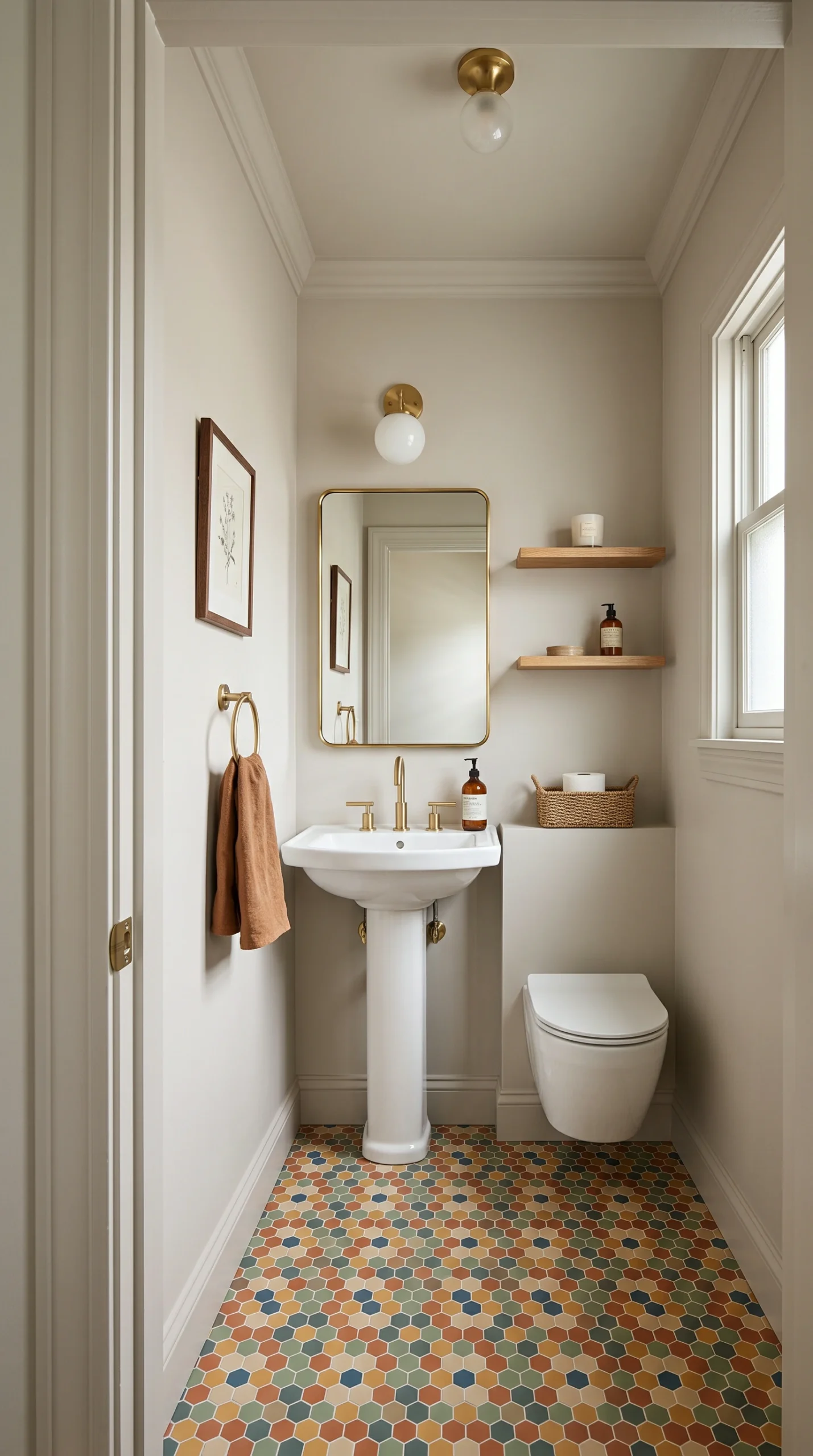
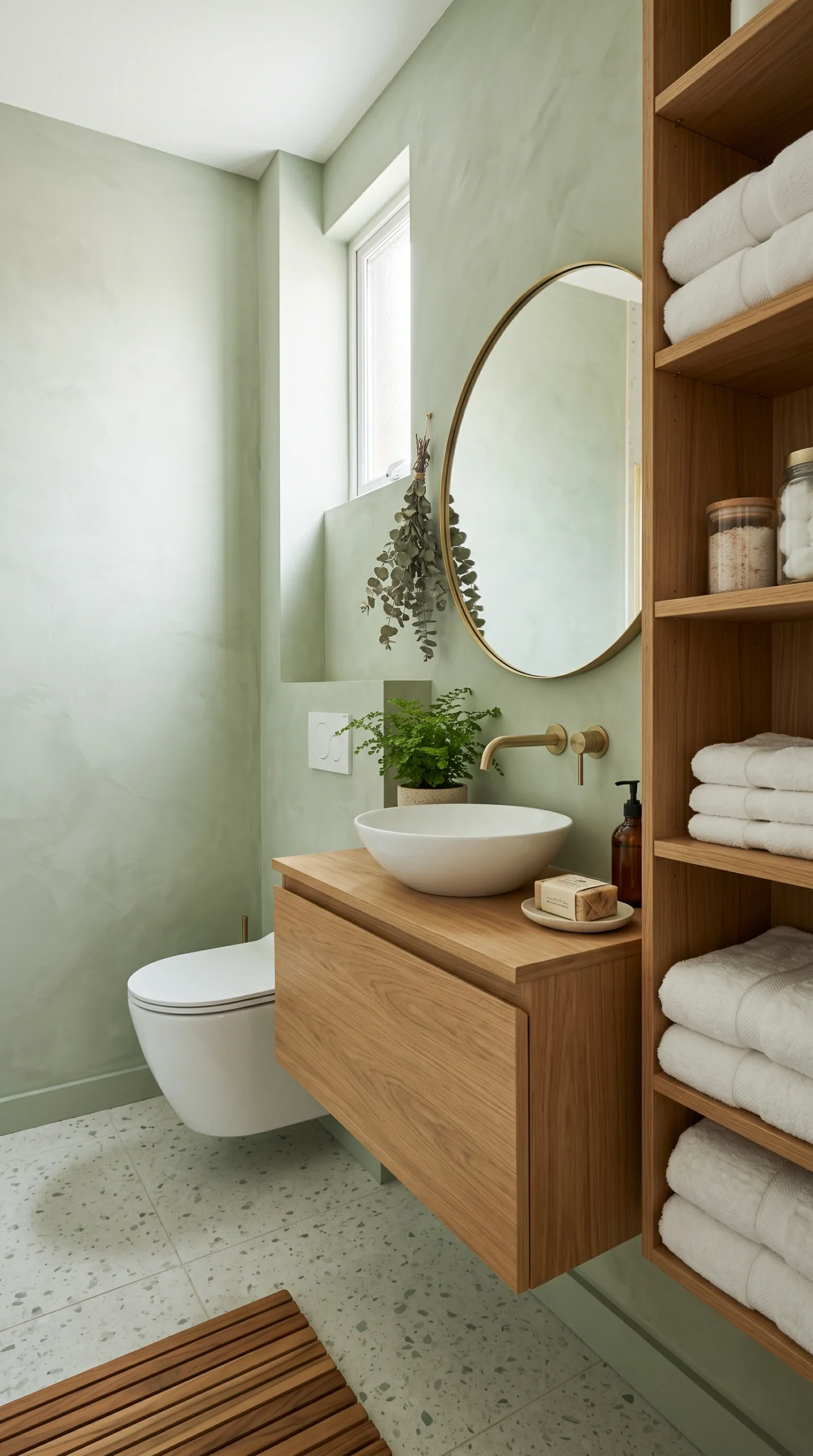
If your goal is to make the room feel physically wider and filled with air, you must focus on light-reflecting neutrals. However, avoid brilliant, cold whites. Instead, opt for Warm Cream, Soft Greige, or a subtle Airy Celadon. These colors have warm undertones that push walls outward while maintaining a cozy, organic feel. To maximize the expansive effect, employ the “color drenching” technique. Paint your walls, baseboards, and window trim the exact same Soft Greige. By erasing the high-contrast lines of white trim against a colored wall, the eye glides smoothly around the room, making the footprint feel significantly larger.
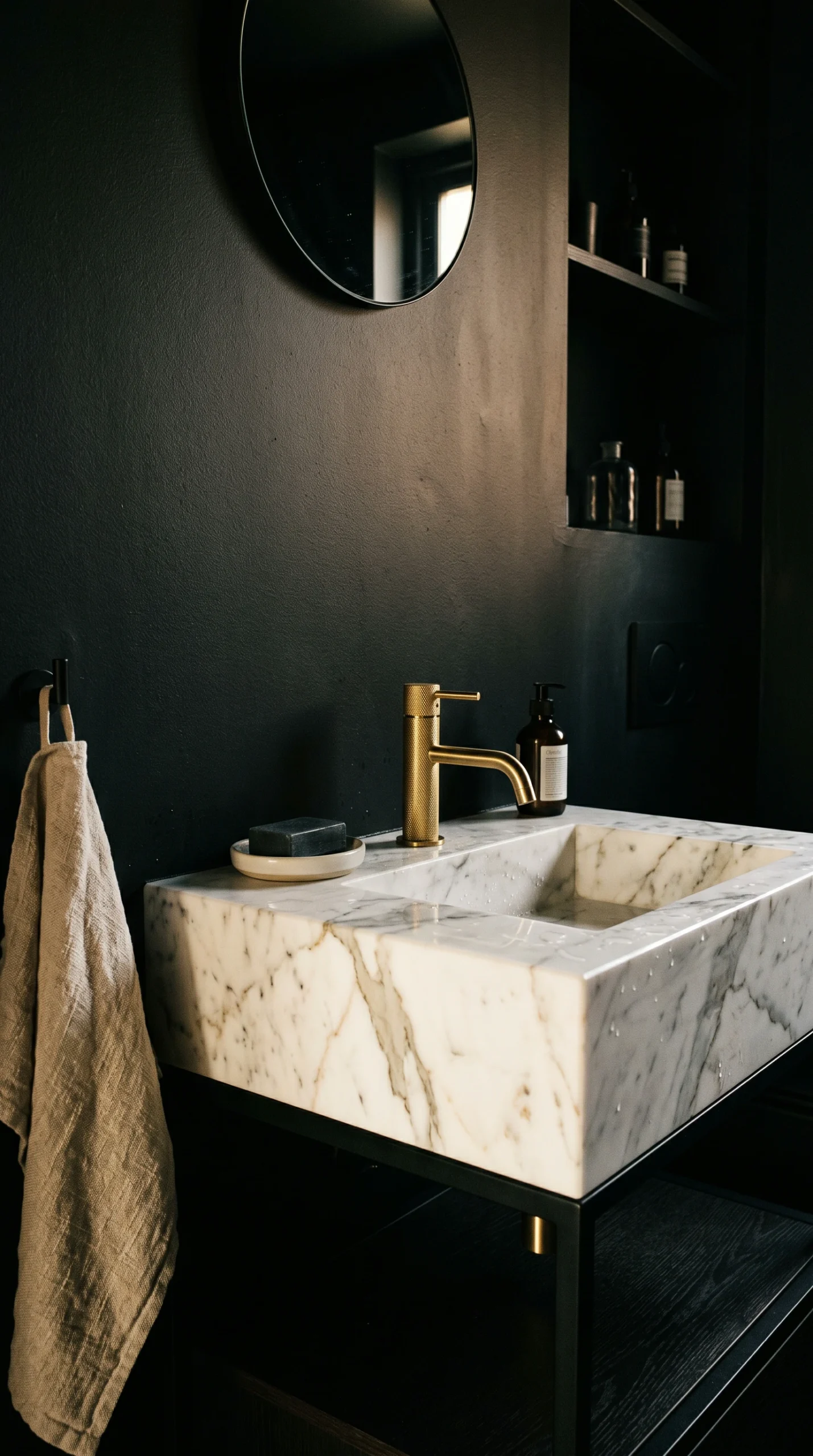
If your half bath has zero natural light, fighting the darkness with white paint often results in a gloomy, shadow-filled room. Instead, lean into the architecture. Using dark, highly saturated colors like Infinite Navy or Deep Slate Green creates the “jewel box” effect. Because dark colors absorb light, they obscure the sharp 90-degree corners of the room. When the brain cannot clearly define where the walls end, it interprets the space as having infinite depth. This technique transforms a tiny, claustrophobic box into a deeply sophisticated, high-end sanctuary.
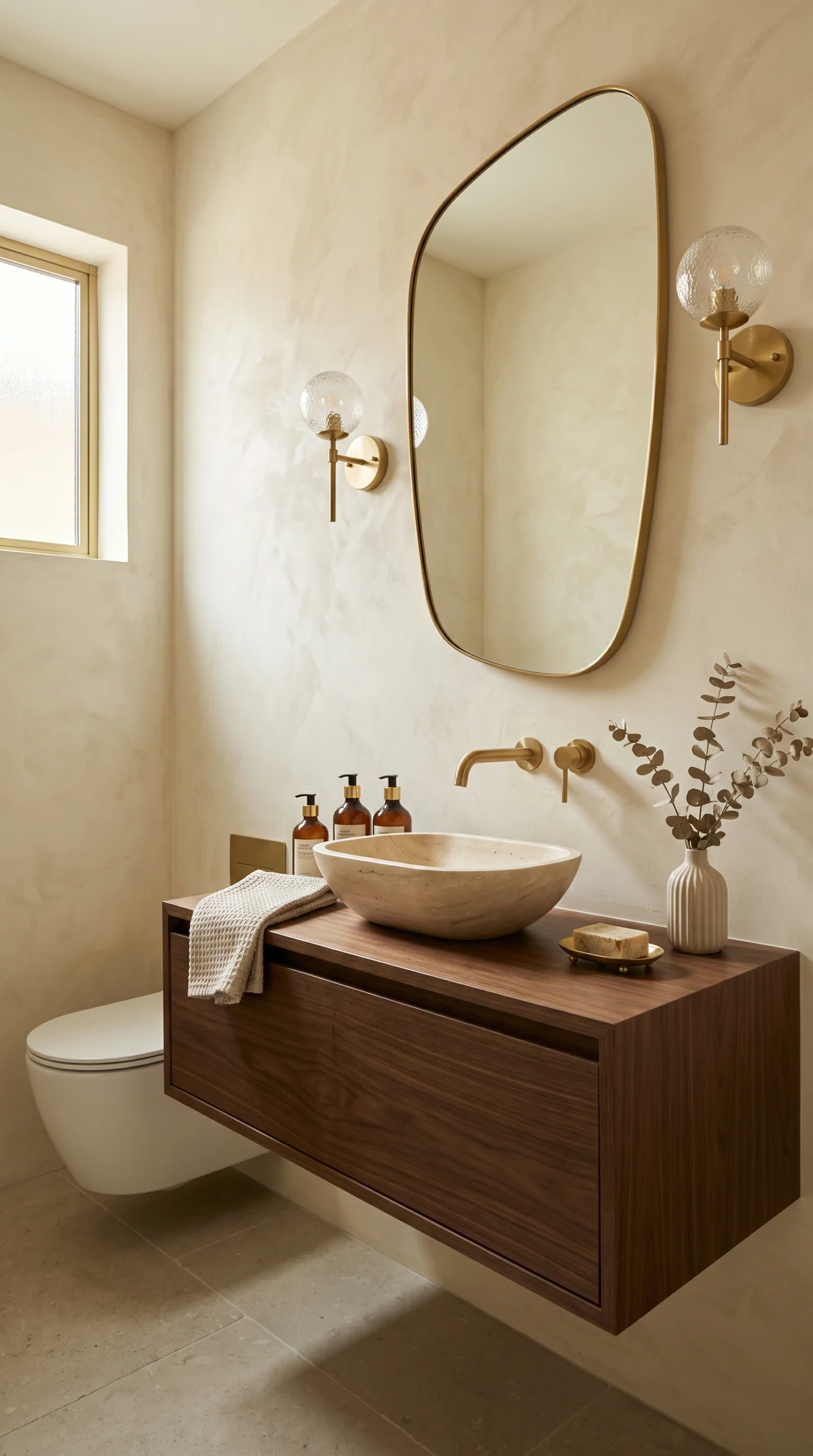
The success of your chosen color relies entirely on the room’s finishes and fixtures. If you choose a dark, moody color, you must balance it with highly reflective surfaces. Pair an Infinite Navy wall with a massive frameless mirror, glossy ceramic sink basin, and Warm Brass hardware to bounce light through the dark pigment. If you choose a light, airy color scheme, ground the space with heavy, contrasting elements like a Smoked Walnut floating vanity or Matte Black plumbing fixtures. This intentional contrast ensures the room feels anchored, professionally designed, and perfectly proportioned.